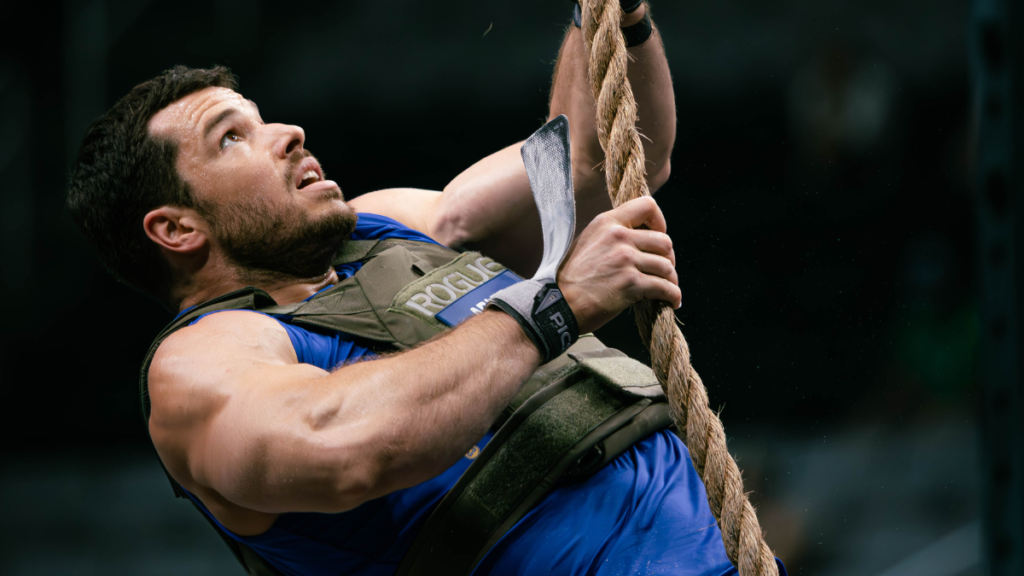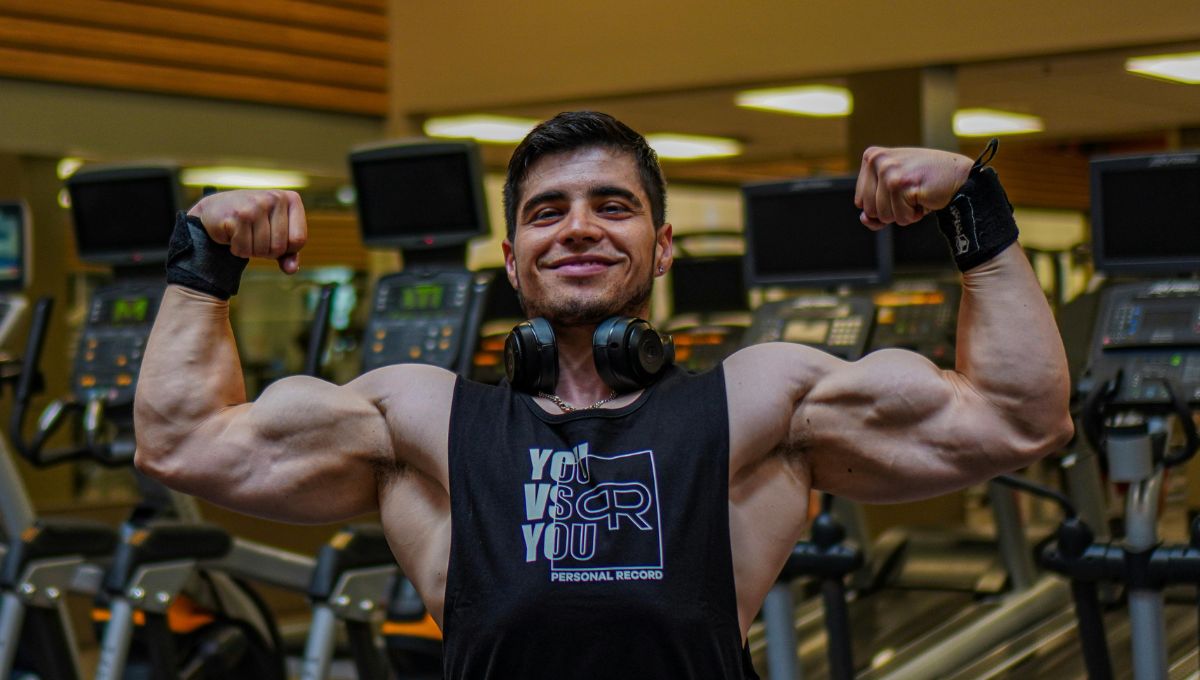


A high biceps peak is one of the most recognizable signs of well developed arms. It creates the rounded shape that stands out when you flex, while also making the upper arm look more muscular from the side. However, it is important to be realistic about what training can and cannot change.
Your individual biceps shape is strongly influenced by anatomy, including muscle belly length, tendon attachment points, limb proportions, and genetics. No exercise can completely redesign those features. What great training can do is make the biceps substantially larger, develop the muscles that sit underneath and around them, and ensure you are not leaving growth on the table through poor exercise selection or inconsistent progression.


The biceps brachii has two heads, called the long head and short head. Both cross the elbow and shoulder joints, contribute to elbow flexion, and help turn the palm upward, a movement called supination. The long head is commonly associated with the outer portion of the biceps and the visual appearance of a peak, but it does not operate in isolation during normal curling movements. Bigger, more defined biceps come from building the whole muscle, getting stronger over time, and using exercises that allow you to challenge the elbow flexors through a controlled range of motion.
The three exercises below are excellent choices because they train the biceps in different positions, provide a strong stimulus for growth, and are practical enough to progress for months or years.
What Actually Builds a Bigger Biceps Peak
Muscle growth comes from repeated exposure to challenging resistance training. The most important factors are enough hard sets, sufficient effort, progressive overload, and a technique that keeps tension on the intended muscle. You do not need to lift maximal weights to build big biceps. Moderate and lighter loads can both build muscle effectively when the sets are challenging and performed close enough to muscular failure.
For the biceps, the most useful movements generally involve elbow flexion with a supinated grip. Turning the palm upward places the biceps brachii in a position where it can make a strong contribution. Neutral grip exercises such as hammer curls are still valuable for overall arm thickness because they train the brachialis and brachioradialis, but supinated curls should be the foundation if your priority is larger biceps.
Shoulder position can change how a curl feels because the biceps cross both the shoulder and elbow. Holding the upper arm behind the torso lengthens the biceps at the shoulder. Holding it in front of the torso shortens the muscle at the shoulder. Research has shown that different shoulder positions can change biceps activation during curls, although this does not mean one position can magically create a completely different biceps shape.
More recent research on cable curls found that training with the shoulder extended and training with a neutral shoulder position both produced meaningful elbow flexor growth over ten weeks. The results did not show a meaningful advantage from shoulder extension alone when other training factors were matched. This is useful information because it means you can use shoulder extended exercises for variety and comfort, but your long term progression, effort, and total training volume matter more than chasing a supposedly perfect angle.
The 3 Best Exercises
1. Incline Dumbbell Curl
The incline dumbbell curl is one of the best biceps exercises for anyone chasing a fuller upper arm and a more dramatic flexed appearance. Sit on an incline bench, allow your arms to hang naturally behind your torso, and curl the dumbbells while keeping your upper arms relatively still.
This setup places the shoulder into extension and lengthens the biceps before each repetition begins. The movement also makes it difficult to use body English, which can be useful for lifters who turn every standing curl into a back exercise. Because each arm works independently, dumbbells can help you identify and address side to side differences in strength or control.
Start with the bench set to a moderate incline rather than an extremely low angle. A bench around 45 to 60 degrees is usually comfortable for most lifters. Let the arms hang down, begin with palms facing forward or gradually rotate into that position, and curl without allowing the elbows to drift aggressively forward. Lower the dumbbells slowly until the elbows are close to straight, then begin the next repetition without relaxing completely.
The key is to use a load you can control. Incline curls feel harder than standing curls because the bottom position is demanding and momentum is limited. Many people choose a weight that is too heavy, then shorten the range of motion or swing the elbows forward. That defeats much of the purpose of the exercise.
Perform two to four sets of approximately eight to fifteen controlled repetitions. Stop the set when you can no longer curl through a consistent range of motion without using your shoulders or torso. If you feel irritation at the front of the shoulder, use a more upright bench angle, reduce the load, or switch to the cable version described below.
2. Bayesian Cable Curl
The Bayesian cable curl is a superb option for lifters who want the long muscle position of an incline curl with the more consistent resistance of a cable. Stand facing away from a low cable pulley, hold a single handle in one hand, and take a small step forward so the working arm sits slightly behind your torso.
From there, curl the handle toward your shoulder while keeping the chest tall and the upper arm fairly stable. The cable provides tension throughout the movement, including parts of the range where a dumbbell may feel less demanding. This makes the exercise especially effective for controlled, high quality repetitions.
The most important detail is the setup. Stand far enough from the pulley that the cable has tension when your arm is close to straight, but not so far forward that the cable pulls your shoulder into an uncomfortable position. Your shoulder should feel stable, not aggressively stretched. Keep the ribs down, avoid twisting through the torso, and allow the elbow to straighten under control before beginning the next repetition.
Cable curls are highly useful because they make progression easy. You can add small increments of weight, add repetitions over time, or improve the quality of each rep without constantly changing your setup. They are also easier to train close to failure safely than a heavy barbell curl, since a missed repetition simply returns to the stack.
The available evidence does not support claiming that a shoulder extended cable curl uniquely builds a biceps peak. It does, however, show that cable curling can effectively increase elbow flexor size when trained consistently. That is more than enough reason to include the exercise. It allows you to train the biceps hard in a stable position and can be an excellent choice for building muscle mass.
Use two to four sets of ten to twenty repetitions per arm. A slightly higher repetition range works well because the cable keeps the movement smooth and allows you to focus on a deep contraction without needing to use excessive load.
3. Strict Standing Barbell Curl
The strict standing barbell curl is the classic mass builder for a reason. It lets you load both arms together, develop strength in elbow flexion, and accumulate productive biceps training volume without requiring complicated equipment.
Stand tall with your hands about shoulder width apart on a straight bar or EZ bar. Begin with the bar against the thighs, squeeze the glutes, brace the abdomen, and curl the bar upward while keeping the elbows close to the sides. Lower the bar under control until the elbows are close to straight. The goal is not to freeze every joint in place, but to avoid turning the repetition into a hip driven swing.

A straight bar places the wrists in a fully supinated position, which many lifters enjoy for direct biceps work. An EZ bar allows a slightly angled grip and may feel more comfortable for people with wrist or elbow discomfort. Neither bar is automatically superior. Choose the version that lets you train hard, use a full controlled range of motion, and progress without pain.
The barbell curl earns its place because mechanical tension is a major part of hypertrophy training. You can use more absolute load than on an incline curl or single arm cable curl, particularly once you have developed solid technique. However, the exercise only works well when it stays strict enough for the biceps to remain the limiting factor.
Avoid chasing numbers at the expense of form. If your hips drive forward, your lower back arches aggressively, and the bar travels only halfway, the biceps are no longer receiving the quality stimulus you want. Save a small amount of natural body movement for the final hard repetitions if necessary, but make the majority of each set controlled and repeatable.
Perform three to five sets of six to twelve repetitions. Start conservatively and build the load gradually. When you can complete all planned repetitions with consistent technique, add a small amount of weight at the next session.
How to Program These Exercises for Massive Arms
You do not need to perform all three exercises in every workout. In fact, putting too much direct arm work into a single session can reduce the quality of your later sets. A better approach is to train biceps two or three times per week and spread your direct curling volume across those sessions.
For example, perform strict barbell curls and incline dumbbell curls in one session, then use Bayesian cable curls in another session alongside pulling movements. This gives you exposure to heavier loading, a shoulder extended dumbbell curl, and a cable variation that is easy to push close to failure.
A practical starting point is eight to twelve hard direct biceps sets per week. More experienced lifters who recover well may benefit from somewhat higher volumes, but more is not automatically better. Your elbows, shoulders, sleep, nutrition, and the amount of pulling work already in your program all matter. Rows, chin ups, and pulldowns can also train the elbow flexors, so they should be considered when planning your total workload.
Rest for roughly one to three minutes between sets. Longer rests are useful for heavy barbell curls, while moderate rests often work well for dumbbell and cable curls. The goal is to be recovered enough to produce high quality repetitions on the following set.
Technique Mistakes That Limit Biceps Growth
The biggest mistake is allowing momentum to replace elbow flexion. A little natural movement is not a disaster, especially toward the end of a demanding set, but repeated swinging reduces the direct challenge to the biceps. Control the lowering phase and keep the range of motion consistent.
Another common error is treating every curl like a wrist exercise. Keep the wrist relatively neutral rather than allowing it to fold backward or curl forward excessively. Grip the handle or bar firmly, but let the elbow flexors do the primary work.
Finally, do not become obsessed with feeling a burn at the expense of progression. Muscle soreness and a temporary pump can be enjoyable, but they are not reliable measures of long term growth. Track your exercises, loads, repetitions, and technique. If you are gradually performing more high quality work over time, eating enough protein and calories to support your goal, and recovering properly, your biceps have a strong reason to grow.
Final Thoughts
Building a massive biceps peak is partly about training and partly about working with the shape you were given. You cannot change tendon insertions or turn one person’s biceps into another person’s biceps. You can build bigger arms, improve the fullness of the upper arm, and maximize your own potential through intelligent training.
Use incline dumbbell curls to train the biceps in a shoulder extended position. Use Bayesian cable curls to create consistent resistance and accumulate controlled repetitions. Use strict barbell curls to build strength and progressive overload. Keep your technique honest, train close enough to failure, and give the process enough time to work.
References
- Larsen, S., Sandvik Kristiansen, B., Østerås Sandberg, N., Bao Fredriksen, A., van den Tillaar, R., Wolf, M., Swinton, P.A. and Nygaard Falch, H. (2026) ‘The effects of shoulder extension angle on elbow flexor hypertrophy in the cable curl exercise’, Frontiers in Physiology, 17, 1750722.
- Morton, R.W., Murphy, K.T., McKellar, S.R., Schoenfeld, B.J., Henselmans, M., Helms, E., Aragon, A.A., Devries, M.C., Banfield, L., Krieger, J.W. and Phillips, S.M. (2018) ‘A systematic review, meta analysis and meta regression of the effect of protein supplementation on resistance training induced gains in muscle mass and strength in healthy adults’, British Journal of Sports Medicine, 52(6), pp. 376 to 384.
- Oliveira, L.F., Matta, T.T., Alves, D.S., Garcia, M.A.C. and Vieira, T.M.M. (2009) ‘Effect of the shoulder position on the biceps brachii EMG in different dumbbell curls’, Journal of Sports Science and Medicine, 8(1), pp. 24 to 29.
- Schoenfeld, B.J., Grgic, J., Van Every, D.W. and Plotkin, D.L. (2021) ‘Loading recommendations for muscle strength, hypertrophy, and local endurance: A re examination of the repetition continuum’, Sports, 9(2), 32.
- Schoenfeld, B.J., Ogborn, D. and Krieger, J.W. (2017) ‘Dose response relationship between weekly resistance training volume and increases in muscle mass: A systematic review and meta analysis’, Journal of Sports Sciences, 35(11), pp. 1073 to 1082.
- Steele, J., Fisher, J., Giessing, J. and Gentil, P. (2017) ‘Clarity in reporting terminology and definitions of set end points in resistance training’, Muscle and Nerve, 56(3), pp. 368 to 384.
Key Takeaways
| Focus | What to do | Why it matters |
|---|---|---|
| Biceps peak | Build the whole biceps rather than chasing a magic exercise | Genetics strongly influence muscle shape, while training increases your own muscle size |
| Best long position curl | Use incline dumbbell curls | They train the biceps with the arm behind the torso and limit momentum |
| Best cable option | Use Bayesian cable curls | Cables provide consistent resistance and make controlled high repetition work practical |
| Best mass movement | Use strict standing barbell curls | They allow progressive loading with a supinated grip |
| Weekly volume | Start with eight to twelve hard direct sets | This provides a productive starting point while allowing recovery |
| Progression | Add repetitions, load, or better control over time | Progressive overload is essential for continued muscle growth |