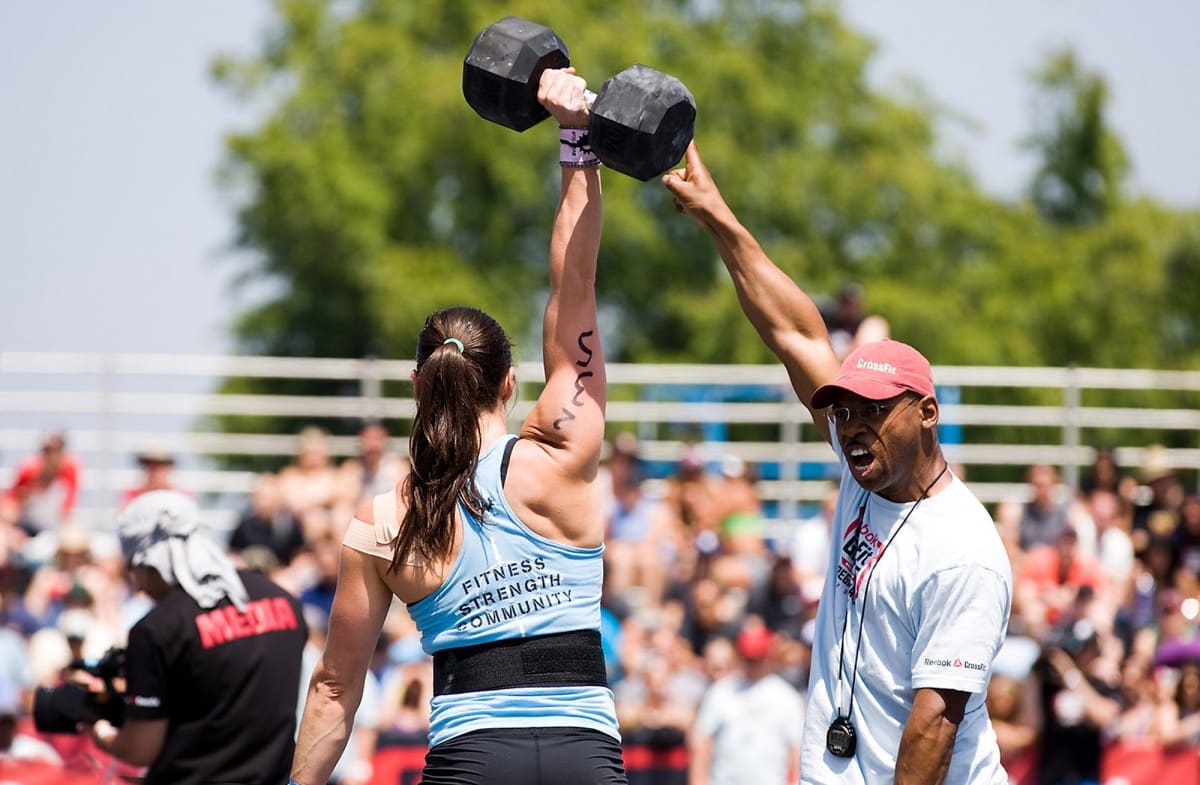


A well developed pair of biceps makes the upper arms look bigger from the front, side, and rear. When people talk about building the outer biceps, they are usually referring to the long head of the biceps brachii. This portion sits on the outside of the upper arm and contributes strongly to the visible width and peak of the biceps when the arm is flexed.
It is important to be realistic about what training can and cannot change. Your genetics influence muscle insertions, the height of your biceps peak, and the overall shape of your arms. However, resistance training can substantially increase the size of the biceps brachii, brachialis, and brachioradialis. Developing all three muscles can make the outer upper arm look fuller, thicker, and more muscular.


The biceps brachii has two heads, called the long head and short head. Both heads cross the elbow and help flex the arm, but the biceps also has a major role in turning the palm upward, a movement called supination. The long head crosses the shoulder joint too, which means the position of your upper arm can change how the exercise feels and how the biceps is loaded.
No single exercise can completely isolate one head of the biceps. The long and short heads work together whenever you curl. Still, choosing movements that place the shoulder behind the torso, use a fully supinated grip, and challenge the arm through a large range of motion can be a smart way to emphasize the long head while building bigger arms overall.
What Creates the Outer Biceps Look?
The outer biceps appearance comes mostly from the long head of the biceps brachii, but it is not the only muscle that matters. The brachialis lies underneath the biceps and can push the biceps outward as it grows. The brachioradialis runs along the upper forearm and adds thickness close to the elbow. Training all of these muscles gives the arm a denser, more complete look.
The biceps is most effective at supinating the forearm when the elbow is flexed. This makes curls with the palm facing upward particularly useful for direct biceps training. The brachialis works strongly during elbow flexion regardless of forearm position, while the brachioradialis can contribute more when the hand is in a neutral position. That is why a complete arm program should include both supinated curls and neutral grip curling patterns.

Research also shows that muscle growth is strongly influenced by the amount of challenging resistance training you perform over time. Multiple sets performed close to muscular failure are generally more effective for hypertrophy than very low training volumes. You do not need to destroy your arms in every session, but your working sets must be difficult enough to create a meaningful training stimulus.
For most people, twelve to eighteen quality sets per week for the elbow flexors is a productive range when split across two or three sessions. Beginners may grow with less volume, while more experienced lifters may need more work if recovery, sleep, nutrition, and exercise execution are all in place.
1. Bayesian Cable Curl
The Bayesian cable curl is one of the best exercises for training the biceps with the upper arm positioned behind the torso. This creates a long muscle length at the shoulder and can make the long head of the biceps feel especially challenged. It is an excellent choice for lifters who want more size on the outer portion of the upper arm without relying only on dumbbells.
How to Perform the Bayesian Cable Curl
Set a cable pulley at its lowest position and attach a single handle. Stand facing away from the machine and hold the handle with one hand using an underhand grip. Step forward until the cable pulls your arm slightly behind your torso. Your shoulder should feel comfortably extended, but not forced into an uncomfortable range.
Keep your chest tall and your upper arm mostly still as you curl the handle toward your shoulder. Turn your palm fully upward during the curl if it is not already fully supinated. Pause briefly near the top, then lower the handle slowly until the elbow is straight and the biceps is under tension again.
Avoid turning the movement into a shoulder exercise. Your torso should remain stable, and the elbow should not drift far forward as you curl. A small natural movement is normal, but excessive swinging takes tension away from the elbow flexors and makes it harder to control the resistance.
Why It Works
The cable provides resistance from the beginning to the end of the repetition. Unlike a dumbbell curl, which becomes easier near the bottom because of gravity, the cable can keep the biceps loaded in the stretched position. This can make the exercise very effective with moderate weights and controlled repetitions.
A study comparing preacher curls with Bayesian cable curls found that both exercises increased biceps and brachialis muscle thickness after ten weeks of training. The Bayesian curl produced similar improvements despite placing the shoulder in extension. This is useful because it shows that shoulder behind body curling is a legitimate hypertrophy exercise, not just a gym trend.
Use a weight that allows you to control the stretched position. The goal is not to pull the stack with your body weight. Start with two or three sets of eight to fifteen repetitions per arm and leave roughly one to three repetitions in reserve on most sets.
2. Incline Dumbbell Curl
The incline dumbbell curl is a classic biceps builder because it puts the upper arm behind the body while allowing each arm to move independently. It is simple, demanding, and highly effective when performed with strict form. For many lifters, the deep stretch at the bottom makes this one of the best movements for building the long head focused appearance they want.
How to Perform the Incline Dumbbell Curl
Set an adjustable bench to a moderate incline, usually around forty five to sixty degrees. Sit back with a dumbbell in each hand and let your arms hang naturally toward the floor. Begin with your palms facing inward or slightly forward.
Curl the dumbbells upward while rotating your palms toward the ceiling. Keep your elbows close to their starting position rather than allowing them to travel forward. Squeeze the biceps at the top without lifting your shoulders, then lower the dumbbells slowly until your elbows are fully extended.
A controlled lowering phase is essential. The bottom position is where the biceps is lengthened, and rushing through it reduces the quality of the repetition. Use a range of motion that feels strong and comfortable, particularly if you have a history of shoulder or elbow discomfort.
Why It Works
The long head of the biceps crosses the shoulder joint, so placing the shoulder in extension changes the length of the muscle before the curl begins. Electromyography research has found that shoulder position can influence biceps activation during dumbbell curls. This does not prove that one curl can isolate a specific head, but it supports using more than one shoulder position in a well rounded biceps program.
The incline curl also makes cheating difficult. Since your torso is supported by the bench, it is harder to use hip drive or excessive body swing. That makes it easier to keep the tension where it belongs, on the elbow flexors.
Start lighter than you expect. The incline position makes moderate dumbbells feel significantly harder than standing curls. Perform two to four sets of eight to twelve repetitions, using a slow and controlled lowering phase. If you cannot lower the dumbbells without your shoulders rolling forward, the weight is too heavy.
3. Cross Body Hammer Curl
The cross body hammer curl does not use a fully supinated grip, so it should not replace regular biceps curls. However, it is extremely valuable for building a thicker outer arm because it trains the brachialis and brachioradialis alongside the biceps. A bigger brachialis can improve the width of the upper arm by adding muscle underneath the biceps brachii.
This exercise is particularly useful for people whose arms look narrow from the side or who want a stronger transition from the upper arm into the forearm. It also gives the wrists and elbows a break from constant supinated curling.
How to Perform the Cross Body Hammer Curl
Stand tall with a dumbbell in each hand and your palms facing your thighs. Curl one dumbbell diagonally across your body toward the opposite side of your chest or shoulder. Keep the palm facing inward throughout the movement.
Your elbow should stay close to your torso. Resist the temptation to rotate your body toward the dumbbell or shrug the shoulder upward. Lower the weight under control, then repeat on the other side. You can alternate arms or complete all repetitions on one arm before switching.
The range of motion should be smooth and comfortable. Do not force the dumbbell high enough to jam the wrist or shoulder. The aim is to create a strong elbow flexion contraction while maintaining a neutral grip.
Why It Works
Neutral grip curling trains the elbow flexors in a different forearm position from a traditional supinated curl. The brachialis is a powerful elbow flexor and is not affected by whether the forearm is pronated or supinated in the same way as the biceps brachii. Building it can add meaningful upper arm thickness even though it sits beneath the visible biceps.
Before You Chase Bigger Arms, Build These 3 Foundations
The cross body path also tends to feel natural for many lifters. It allows a comfortable line of motion while reducing the need to force the shoulders into a fixed position. It is a useful choice if fully supinated curls irritate your wrists, although pain should always be addressed rather than trained through.
Perform two or three sets of ten to fifteen repetitions per arm. Keep the repetitions smooth and use a load that challenges the final few repetitions without requiring body swing. This exercise responds well to moderate and higher repetition work because strict technique is easier to maintain with a manageable weight.
How to Program These Exercises for Bigger Arms
You do not need to perform all three exercises in the same workout, although you can. A practical approach is to train biceps twice per week. On one day, begin with the Bayesian cable curl and follow it with hammer curls. On the second day, use incline dumbbell curls after your pulling work.
For example, you might perform three sets of Bayesian cable curls and three sets of cross body hammer curls on one day. Later in the week, perform three or four sets of incline curls. This provides direct work for the biceps in both stretched shoulder positions and neutral grip elbow flexion.
Exercise selection matters, but progressive overload matters more. Over time, aim to perform more repetitions with the same weight, use slightly more load with good form, or complete more high quality sets when recovery allows. Progress does not need to happen every workout. Consistent improvement over months is what builds noticeably bigger arms.
Training close to muscular failure is useful, but complete failure is not required on every set. Ending most sets when you feel you could perform one to three additional good repetitions is a productive strategy for hypertrophy. It allows you to train hard while maintaining better form and managing fatigue.
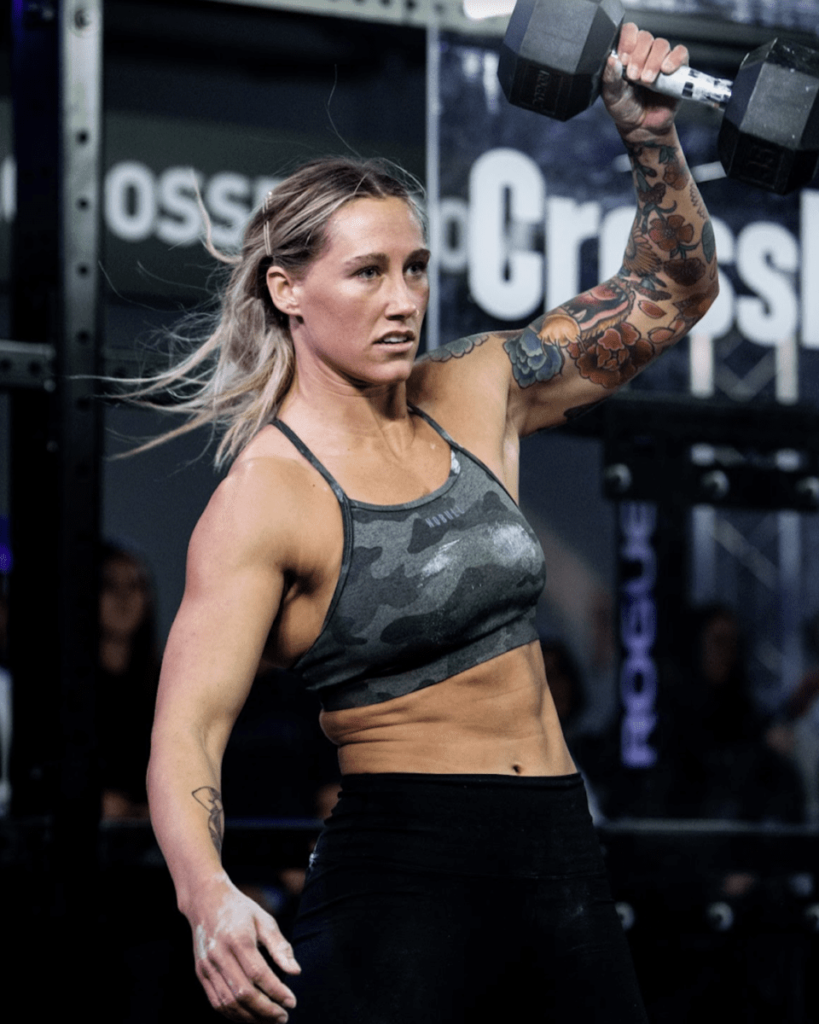
Rest for at least one to two minutes between sets, particularly when using challenging loads. Longer rest periods can help you maintain repetitions and training quality across multiple sets. Your biceps recover quickly compared with larger muscle groups, but rushing every set can still reduce the total productive work you complete.
Common Mistakes That Limit Outer Biceps Growth
The biggest mistake is using momentum instead of muscular tension. Swinging heavy dumbbells may feel impressive, but it often reduces the work done by the elbow flexors. Use a weight you can lower slowly and control from the stretched position.
Another mistake is treating every curl as identical. Standing curls, incline curls, Bayesian curls, and hammer curls all train the elbow flexors, but they create different practical challenges. Including two or three variations over the week can make training more complete and prevent the same pattern from becoming stale.
Finally, do not expect direct biceps work to compensate for poor overall training and nutrition. Rows, chin ups, pulldowns, and other pulling exercises contribute to biceps training volume, but they may not provide enough direct work for maximal arm growth. Direct curls, adequate protein intake, sufficient calories for your goal, and consistent recovery all work together to create muscular arms.
Key Takeaways
| Focus | What to Do | Why It Matters |
|---|---|---|
| Long head emphasis | Use Bayesian cable curls and incline dumbbell curls | Both place the upper arm behind the torso while directly training elbow flexion |
| Overall outer arm thickness | Include cross body hammer curls | They train the brachialis and brachioradialis alongside the biceps |
| Weekly volume | Complete roughly twelve to eighteen challenging elbow flexor sets per week | Sufficient hard training volume supports muscle growth |
| Technique | Control the lowering phase and avoid swinging | Strict repetitions keep tension on the muscles you want to develop |
| Progression | Add repetitions, load, or quality sets gradually | Progressive overload drives long term improvements in muscle size |
References
- Attarieh, P., Nunes, J.P., Khani, S., Negahdar, S., Goli, A., Nazarirad, S., Nazarirad, H., Mojtahedi, S., Nosaka, K. and Soori, R. (2025) ‘Comparison between shoulder flexed and extended positions in elbow flexion resistance training on regional hypertrophy and maximum strength: Preacher versus Bayesian cable curls’, European Journal of Sport Science, 25(4), e12279.
- Brad Schoenfeld, B.J., Ogborn, D. and Krieger, J.W. (2017) ‘Dose response relationship between weekly resistance training volume and increases in muscle mass: A systematic review and meta analysis’, Journal of Sports Sciences, 35(11), pp. 1073 to 1082.
- Grgic, J., Schoenfeld, B.J., Skrepnik, M., Davies, T.B. and Mikulic, P. (2018) ‘Effects of rest interval duration in resistance training on measures of muscular strength: A systematic review’, Sports Medicine, 48(1), pp. 137 to 151.
- Martorelli, S., Cadore, E.L., Izquierdo, M., Celes, R., Martorelli, A., Cleto, V.A. and Alvarenga, J.G. (2008) ‘Effect of the shoulder position on the biceps brachii electromyographic activity during dumbbell curl exercises’, Journal of Sports Science and Medicine, 8(1), pp. 24 to 29.
- Schoenfeld, B.J., Grgic, J., Ogborn, D. and Krieger, J.W. (2017) ‘Strength and hypertrophy adaptations between low versus high load resistance training: A systematic review and meta analysis’, Journal of Strength and Conditioning Research, 31(12), pp. 3508 to 3523.
- Tiwana, M.S., Charlick, M. and Varacallo, M. (2024) ‘Anatomy, shoulder and upper limb, biceps muscle’, StatPearls. Treasure Island, FL: StatPearls Publishing.