

Strong glutes and hips are not only important for building a more powerful lower body. They help you produce force, control movement, and stay stable when your body has to change direction, absorb impact, or work under fatigue. That matters whether you train for HYROX, CrossFit, weightlifting, running, hiking, gym strength, or simply want to move better in daily life.
Big compound lifts such as squats, deadlifts, lunges, and hip thrusts should remain central to most lower body programs. However, they do not always give the hip abductors and adductors the focused work they need. These muscles play a major role in controlling the pelvis and femur, especially when you run, climb, squat, carry, jump, or move from one leg to the other.


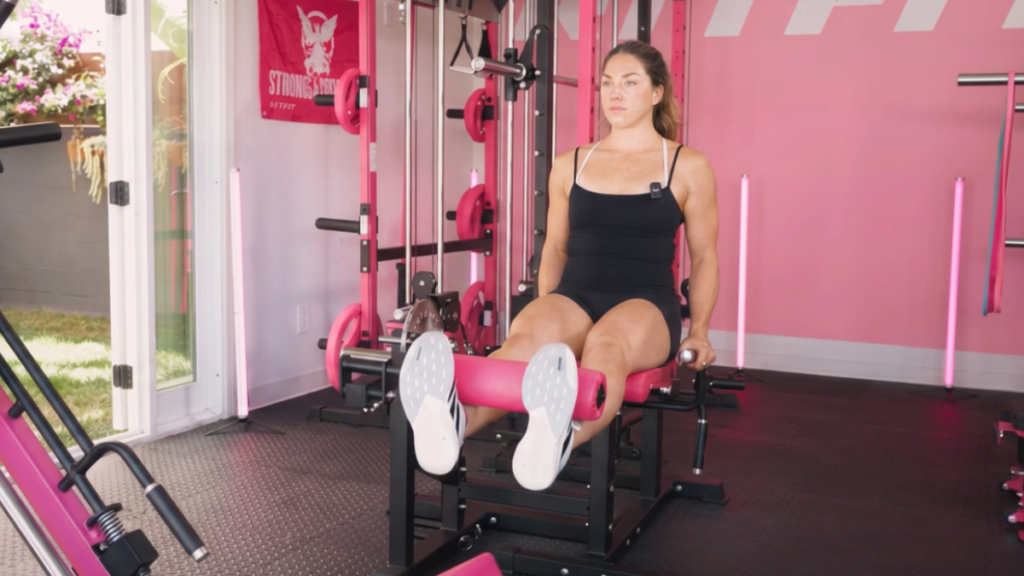
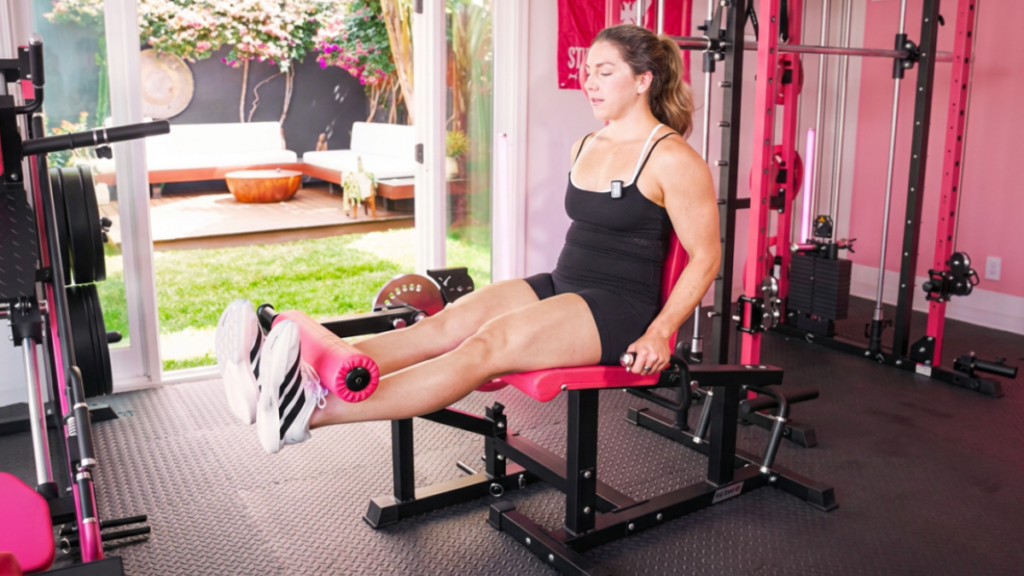
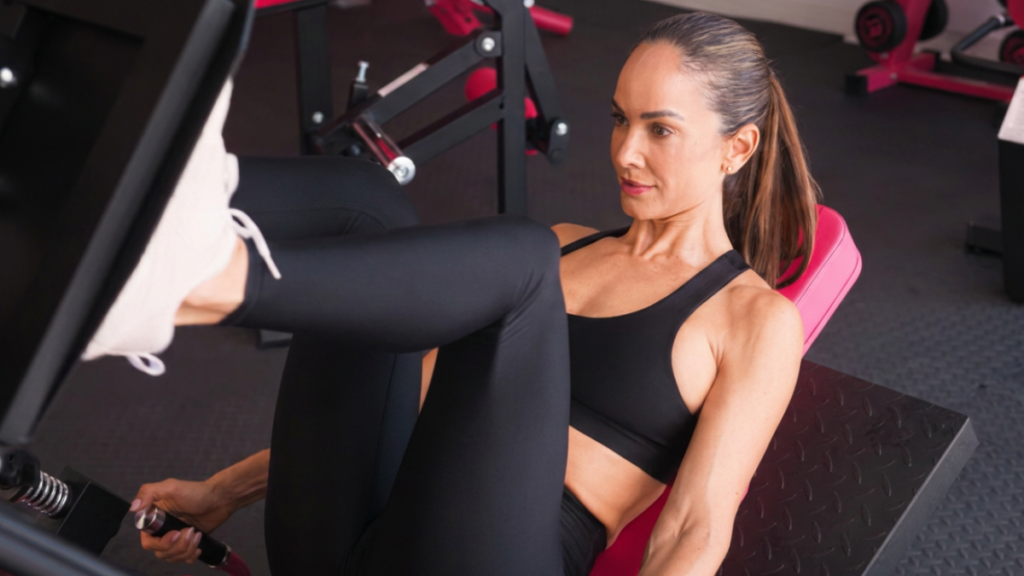
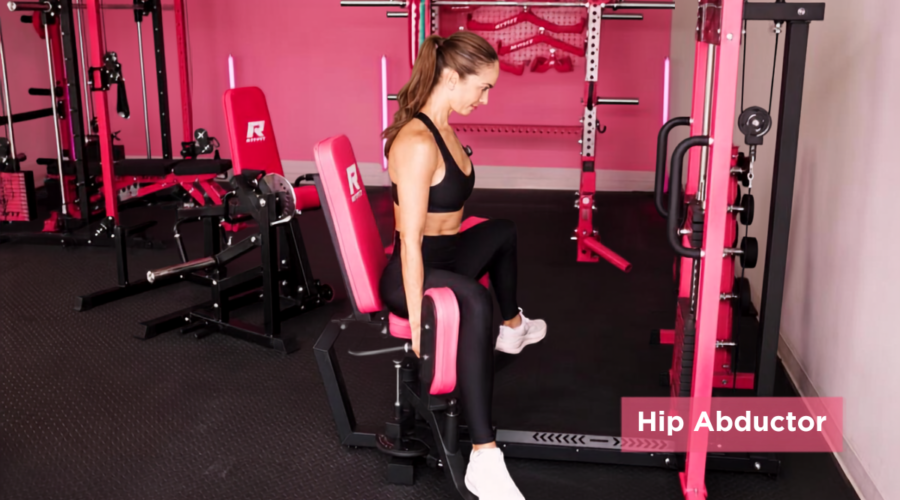
The RitFit Panther Home Hip Abductor and Adductor Machine gives home gym athletes a practical way to train both movement patterns with one compact machine. It combines seated hip abduction and hip adduction training, allowing you to strengthen the outer hips, glutes, inner thighs, and muscles that support hip control without needing several separate pieces of equipment.
Why Strong Hips and Glutes Matter
Your glutes are a group of powerful muscles that do far more than contribute to the appearance of your lower body. The gluteus maximus is a major hip extensor, helping you stand up, sprint, jump, climb hills, and drive out of the bottom of a squat. The gluteus medius and gluteus minimus sit more toward the side of the hip and contribute to hip abduction and pelvic control.
Hip adduction is the action of bringing the leg toward the middle of the body. The adductors on the inside of the thigh perform this movement, but they also contribute to hip stability and force production during athletic tasks. Strong adductors can be particularly valuable in sports that involve lateral movement, changes of direction, cutting, sprinting, and powerful lower body positions.
Research has consistently shown that the hip muscles are important in balance and mobility tasks. Stronger and better functioning hip muscles can contribute to improved control of the body during standing, walking, and more challenging movements that require stability on one leg. This is important because many sports and everyday activities involve repeatedly transferring force from one leg to the other.
For general gym training, stronger hips can help you create a more stable base for squats, deadlifts, split squats, lunges, and step ups. The goal is not to replace compound lifts with isolation work. Instead, direct abductor and adductor training can complement those lifts by strengthening muscles that may receive less direct attention.
Better Hips for CrossFit and HYROX
CrossFit and HYROX both demand an unusual combination of endurance, strength, power, and movement quality. Athletes need to run while tired, move heavy sleds, squat, lunge, jump, carry loads, and maintain control when their legs are already fatigued.
Hip Strength for Running and Sled Work
Running places repeated demands on the hips. Every stride requires the body to manage force through one leg while the pelvis remains controlled. The gluteus medius and other hip muscles help manage this single leg position, while the adductors contribute to force transfer and leg control.
In HYROX, this need for hip control is amplified by the combination of running and demanding stations. Sled pushes and sled pulls require a stable pelvis and strong lower body drive. Walking lunges test hip strength, balance, and endurance. Farmers carries demand that you maintain a controlled torso and pelvis while moving under load.
A dedicated hip machine is useful because it gives you a controlled way to add training volume without turning every session into another high fatigue squat or deadlift workout. You can train the hips with enough resistance to create a challenge while keeping the movement simple and easy to repeat.
Hip Strength for Squats, Olympic Lifts, and Functional Training
CrossFit athletes and weightlifters often spend a great deal of time training the muscles that extend the hip, including the gluteus maximus. Yet the muscles responsible for moving the leg outward and inward also deserve attention.
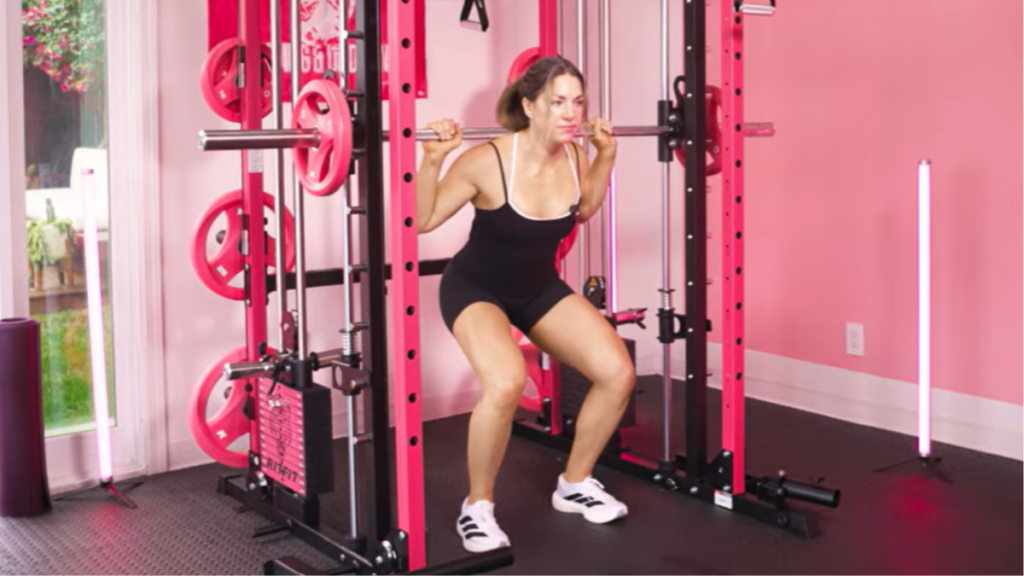
During squats, cleans, snatches, and lunges, the hips need to remain stable as the knees track over the feet. Hip abductor and adductor strength alone will not instantly improve a lift, but building these muscles can support a more complete lower body strength program.
For athletes who repeatedly train deep squats, jumping, running, and unilateral work, the ability to train the hips directly can be a valuable addition to accessory work. It is a simple way to target areas that are often overlooked when training is dominated by barbell movements and conditioning sessions.
Stronger Hips for Running, Hiking, and Daily Life
You do not need to compete in fitness races to benefit from stronger hips. Runners need lower body strength and control to tolerate repetitive strides. Hikers need it for climbs, descents, uneven trails, and long periods on their feet. Anyone who carries groceries, climbs stairs, gets up from the floor, or wants to stay active as they age can benefit from maintaining lower body strength.
Hip strength is especially relevant during single leg activities. Walking, running, stair climbing, and hiking all involve spending time supported by one leg. The outer hip muscles help control the position of the pelvis, while the inner thigh muscles work alongside the rest of the lower body to control the leg and create movement.
Resistance training is one of the most reliable ways to build muscular strength and size. Large reviews of research show that properly performed resistance training improves strength and muscle growth compared with not training. For home gym athletes, the key is to use a resistance level that is challenging, train consistently, and progress gradually over time.
The RitFit Panther Home Hip Abductor and Adductor Machine
The RitFit Panther Home Hip Abductor and Adductor Machine is designed to bring a familiar commercial gym movement into a home gym format. It allows you to train hip abduction and hip adduction from the same seated station, creating a focused lower body accessory option without needing separate machines.
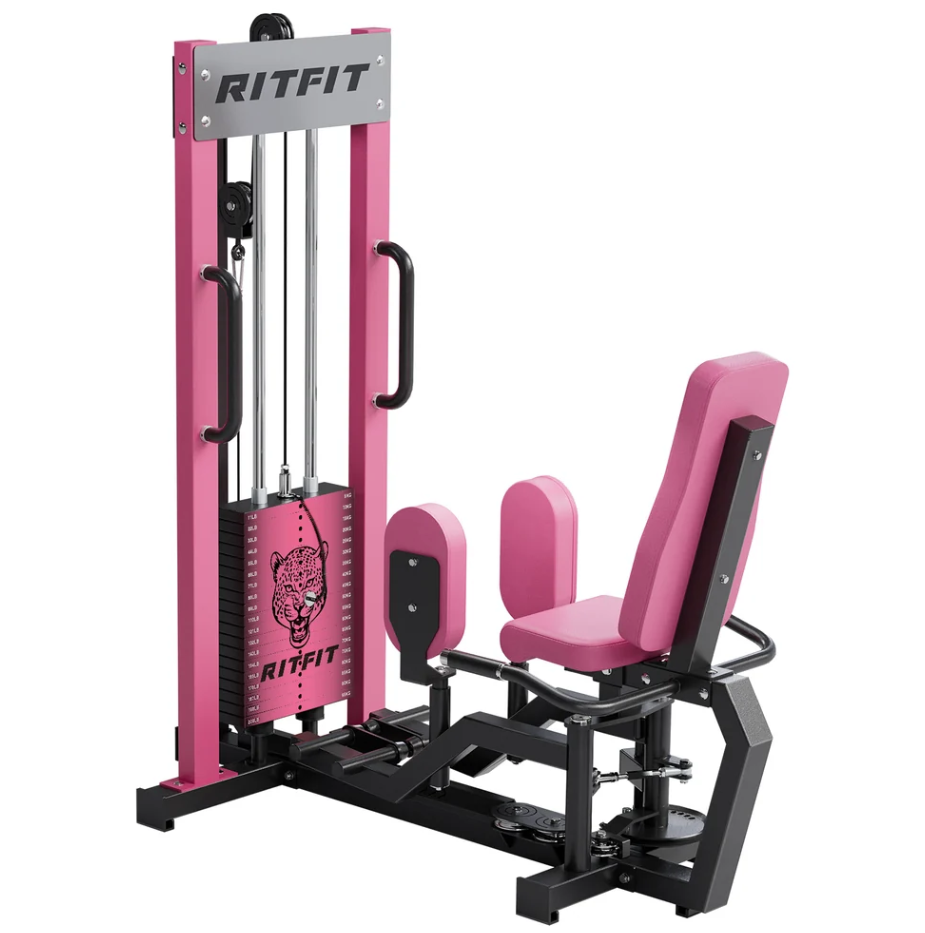
The machine has a compact 60.2 by 30.3 inch footprint and occupies approximately 12.7 square feet. That makes it a realistic option for a serious home gym where floor space matters. Its Q235 steel frame and steel uprights are designed for regular home strength training, while the padded seat and back pad are intended to make longer sets more comfortable.
The machine uses a weight stack with 19 plates totaling 209 pounds. A selector pin allows you to change resistance quickly, making it easier to move from warm up sets to heavier working sets without loading and unloading plates.
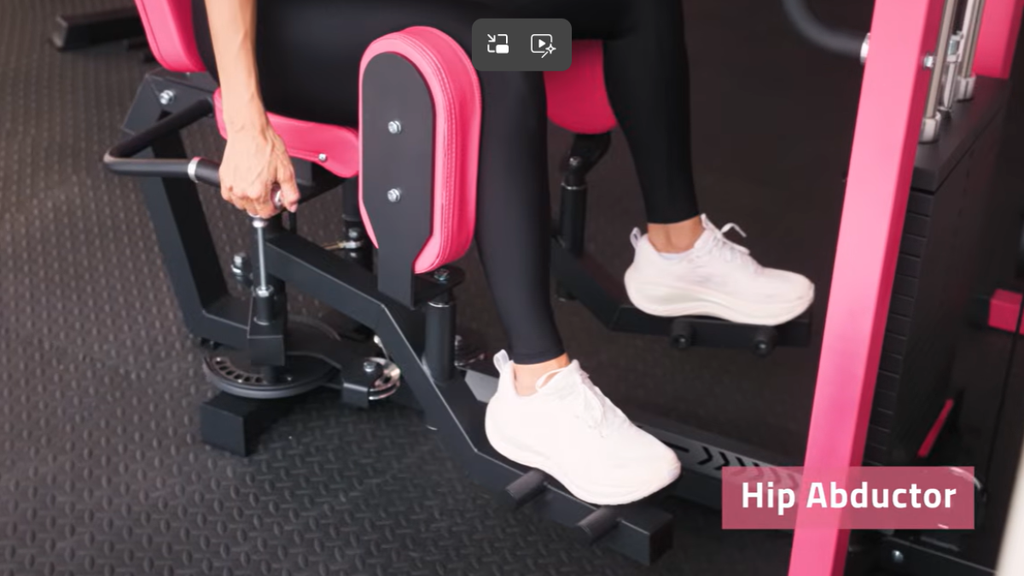
One particularly useful feature is the rotating knee pad system. The 360 degree knee pads allow the machine to switch between abduction and adduction work while supporting the legs through the movement. The eight hole adjustment dial also allows athletes to alter the starting position and find a range that feels secure and natural for their body.
The forward support handles are another thoughtful feature. Some athletes naturally prefer a slight forward lean when training hip abduction because it can help them feel more stable and maintain a strong position through the set. The handles provide a secure place to brace, helping you focus on controlled reps rather than trying to balance yourself on the machine.
RitFit Panther Machine Specifications
| Specification | Detail |
| Product model | Hip Abductor and Adductor Machine |
| Length | 60.2 inches, 153 cm |
| Width | 30.3 inches, 77 cm |
| Height | 63.7 inches, 162 cm |
| Occupied area | 12.7 square feet, 1.18 square meters |
| Frame material | Q235 steel |
| Weight stack capacity | 209 pounds |
| Best for | Home lower body strength training |
| Hip abduction range | 70 degrees per side |
| Hip adduction range | 96 degrees per side |
| Hip abduction resistance ratio | 0.88 to 1 |
| Hip adduction resistance ratio | 0.66 to 1 |
| Back pad thickness | 2.4 inches, 60 mm |
| Seat pad thickness | 2.4 inches, 60 mm |
| Back pad size | 21.9 by 11.2 inches |
| Upright material | Steel, 50 by 70 mm tubes |
How to Use the Machine Effectively
Hip Abduction for Outer Glutes and Hip Control
For hip abduction, position yourself comfortably against the seat and back pad, then place your knees against the pads. Begin with the knees closer together and press outward in a controlled arc. Avoid using momentum, bouncing the weight stack, or rushing through the final part of the movement.
Keep your torso braced and move only as far as you can control. Pause briefly at the outer position, then return slowly. The goal is to create tension through the outer hips and glutes rather than simply moving the pads as quickly as possible.
A useful starting point is two or three sets of 10 to 15 controlled repetitions. Choose a load that makes the final few repetitions challenging while allowing you to maintain the same range of motion and control from start to finish.
Hip Adduction for Inner Thigh Strength
For hip adduction, adjust the machine so the pads begin in a comfortably open position. Press your knees inward against the pads, bringing the legs toward the center in a controlled motion. Pause briefly when the pads meet, then return under control.
The adductors can become very fatigued when they are trained directly, particularly if you are new to the movement. Start conservatively and focus on smooth repetitions. Two or three sets of 10 to 15 repetitions is enough for most people at the beginning.
As you gain confidence, you can gradually increase the resistance, add a set, or work in a slightly lower repetition range. Progressive overload is important, but it should be gradual. Better technique and consistent training matter more than chasing the biggest number on the weight stack.
Where It Fits in Your Lower Body Program
The RitFit Panther machine works best as part of a balanced training plan. For most people, it makes sense after your main lower body exercises. You could perform squats, deadlifts, leg presses, split squats, or lunges first, then use the machine for focused hip work.
If your main goal is glute development, prioritize your larger compound lifts and use hip abduction as an accessory movement. If you want better inner thigh strength and more complete hip training, include adduction work as well. Training both patterns gives you a more rounded approach than focusing only on the muscles you can see in the mirror.
For HYROX and CrossFit athletes, this machine can fit well after strength sessions or on a lighter accessory day. For runners and hikers, it can be used once or twice per week alongside a sensible running or hiking schedule. The controlled setup makes it easier to train the hips without adding excessive impact or technical complexity.
A Smart Home Gym Addition for Complete Lower Body Strength
The best home gym equipment earns its space by being useful, adjustable, and easy to use consistently. The RitFit Panther Home Hip Abductor and Adductor Machine does exactly that by combining two valuable lower body exercises in one dedicated station.
It will not replace squats, deadlifts, running, or sport specific training. What it can do is give you a direct, practical way to build the strength of the outer hips and inner thighs, improve the completeness of your lower body training, and add targeted volume without overcomplicating your workouts.
For athletes who want stronger glutes, more resilient hips, and a more capable lower body, this is one machine that can make a meaningful difference in a home gym.
References
- Currier, B.S., Mcleod, J.C., Banfield, L., Beyene, J., Welton, N.J., D’Souza, A., Keogh, J.A., Lin, L., Coletta, G., Yang, A., Colenso Semple, L., Lau, K.J., Verboom, A. and Phillips, S.M. (2023) ‘Resistance training prescription for muscle strength and hypertrophy in healthy adults: a systematic review and Bayesian network meta analysis’, British Journal of Sports Medicine, 57(18), pp. 1211 to 1220.
- Grimes, J.K., Hwang, P.W., Liu, Y., Brossi, L., Bishop, M.D. and Phillips, C. (2022) ‘Systematic review of the importance of hip muscle strength, activation, and structure in balance and mobility tasks’, Archives of Physical Medicine and Rehabilitation, 103(9), pp. 1846 to 1865.
- Messier, S.P., Martin, D.F., Mihalko, S.L., Ip, E.H., DeVita, P., Cannon, D.W., Love, M., Beringer, D., Schmitt, D. and Hunter, D.J. (2019) ‘A randomized trial to prevent running injuries in participants of the New York City Marathon’, Sports Health, 11(5), pp. 423 to 430.
- Suchomel, T.J., Nimphius, S. and Stone, M.H. (2016) ‘The importance of muscular strength in athletic performance’, Sports Medicine, 46(10), pp. 1419 to 1449.
Key Takeaways
| Area | What it means |
| Main benefit | The machine trains hip abduction and adduction in one home gym station. |
| Glute training | Hip abduction directly targets the outer hip muscles, including the gluteus medius. |
| Inner thigh training | Hip adduction strengthens the adductors, which contribute to hip control and lower body force production. |
| Sport relevance | Stronger hips can support running, hiking, squatting, lunging, sled work, jumping, and loaded carries. |
| Home gym practicality | The machine occupies approximately 12.7 square feet and uses a 209 pound selectorized weight stack. |
| Best programming approach | Use it after compound lower body lifts for two or three controlled sets of 10 to 15 repetitions. |