

Strong abs are not just about visible definition. Your abdominal muscles help resist unwanted movement, transfer force between your upper and lower body, and keep your trunk controlled during lifting, running, jumping, and everyday tasks. The plank and hanging leg raise are both excellent core exercises, but they challenge the abs in very different ways.
A plank teaches the trunk to resist extension. In simple terms, your abs work hard to stop your lower back from arching while gravity tries to pull your hips toward the floor. Hanging leg raises demand more movement. Your abs help control the pelvis and spine as your legs rise, while your hip flexors also contribute heavily.


So, which builds stronger abs? Hanging leg raises are usually the better choice for building dynamic abdominal strength and progressive overload, provided you can perform them with good control. Planks are highly effective for building trunk endurance, learning bracing, and creating the foundation that makes harder abdominal exercises safer and more productive.
The best answer for most people is not to choose only one. It is to understand what each exercise does well, then use both intelligently.
What Your Abs Actually Do
The rectus abdominis is the muscle most people associate with a six pack. It runs down the front of the torso and contributes to spinal flexion, posterior pelvic tilt, and trunk stiffness. The external and internal obliques sit at the sides of the trunk. They help resist rotation, assist with trunk flexion, and contribute to stable movement between the ribs and pelvis.
The deeper transverse abdominis wraps around the abdominal area and contributes to trunk stiffness by increasing tension around the midsection. The muscles of the lower back, hips, and pelvis also work alongside the abdominals whenever you train your core.
This is why it is not useful to define ab strength as only the ability to do crunches. A strong midsection needs to create movement when appropriate, resist movement when necessary, and remain stable while the arms and legs produce force.
The plank and hanging leg raise each train a different part of that job.
The Case for Planks

Planks Train Anti Extension Strength
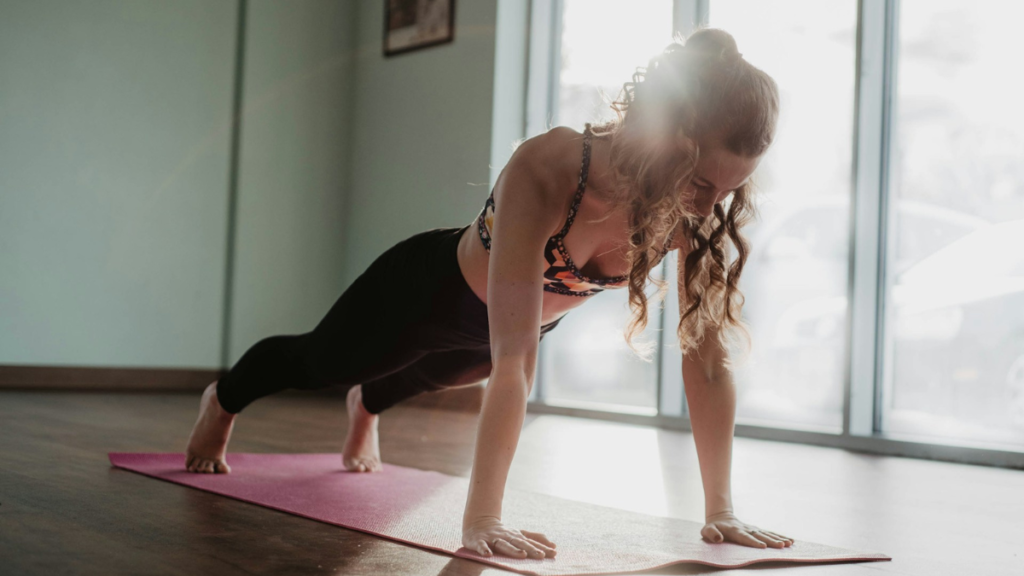
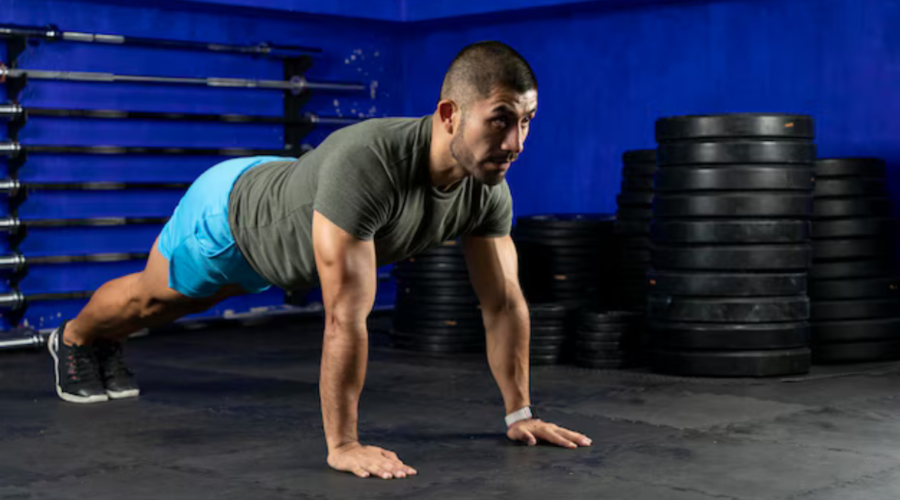
During a standard front plank, the abdominal muscles work isometrically. That means they create force without changing length very much. The aim is to keep your ribs, pelvis, and spine in a stable position while your body is supported by your forearms and toes.
The main challenge is resisting spinal extension. If your abs lose tension, the lower back usually arches and the hips drop. Holding a strong plank position requires the rectus abdominis, obliques, and other trunk muscles to work together against this movement.
Research using electromyography has shown that plank variations can produce substantial activation in the rectus abdominis and obliques. Small changes in technique can make a meaningful difference. Extending the lever by moving the elbows farther forward, or using a controlled posterior pelvic tilt, increases abdominal activity compared with a traditional plank.
This makes the plank more than a basic beginner exercise. It can become significantly harder without adding external weight.
Planks Build Core Endurance
A plank is especially useful for developing muscular endurance. This matters because the trunk often has to maintain position for an extended period rather than produce one short maximal contraction. Think about carrying heavy shopping bags, holding position during a set of squats, or staying rigid during a long run.
Core endurance training has been linked with improvements in trunk endurance measures, although the transfer to specific athletic performance depends on the athlete, sport, and wider training program. A plank will not automatically make someone faster or stronger in every lift, but it can help develop the ability to hold a controlled torso under fatigue.
For beginners, this is valuable. It teaches the sensation of bracing without needing the coordination, grip strength, and shoulder stability required by hanging exercises.
Plank Quality Matters More Than Plank Duration
A long plank is not automatically a better plank. Once someone can hold a technically sound position for a reasonable time, extending the hold indefinitely may add more discomfort than useful training stimulus.
A better approach is to increase difficulty. You can use a longer lever plank, a weighted plank, a body saw, or a plank with a controlled limb movement. These options force the abs to produce more tension while keeping the set duration manageable.
The goal is not simply to survive a hold. It is to maintain a stacked rib cage and pelvis, keep the glutes engaged, breathe under tension, and prevent the lower back from sagging.
The Case for Hanging Leg Raises
Hanging Leg Raises Train Dynamic Abdominal Strength
Hanging leg raises require the body to move through a larger range of motion. Starting from a dead hang, you raise the legs while resisting swinging and controlling the descent. The exercise challenges grip, shoulders, lats, hip flexors, and abs at the same time.
The abs become most important when you actively curl the pelvis upward at the top of the movement. This is the detail that separates a strong abdominal exercise from a basic hip flexor drill. If you only lift the thighs until they are parallel with the floor, the hip flexors can do much of the work. If you finish by drawing the pelvis toward the rib cage, the rectus abdominis and obliques have a much larger role.
Studies examining leg raise variations show that both the rectus abdominis and rectus femoris are active. This supports an important practical point. Leg raises are not an abs only exercise, but they can be a highly effective abs exercise when you control pelvic position and avoid turning every repetition into a swing.
They Are Easier to Progress for Strength
Strength training requires progressive overload. You need to make the exercise gradually more demanding as your capacity improves. Hanging leg raises offer several clear ways to do that.
You can begin with hanging knee raises. Once you can control those, you can straighten the legs. From there, you can increase range of motion, slow the lowering phase, pause at the top, add ankle weights, hold a light dumbbell between the feet, or progress toward toes to bar.
Each progression increases the lever length or the resistance. A straight leg places much more torque on the trunk than a bent knee because the load sits farther from the hips. This makes hanging leg raises more practical than standard planks for building strength through progressively harder repetitions.
Dynamic resistance training is also more closely aligned with many real sporting demands, where the trunk must remain controlled while the limbs move explosively. That does not make it superior for every goal, but it does give hanging leg raises an advantage for people who want stronger abs through challenging movement.
They Demand More From the Whole Body
The hanging position makes leg raises harder to learn. You need enough grip strength to stay on the bar, enough shoulder control to hang comfortably, and enough trunk awareness to avoid swinging. People with shoulder pain, a history of shoulder instability, or limited overhead mobility may need a different exercise variation.
A captain’s chair knee raise, lying reverse crunch, or supported knee raise can provide a similar pelvic control challenge while reducing the demands of hanging from a bar.
Hanging leg raises also require honesty. If your body starts swinging, your lower back arches excessively, or your shoulders feel unstable, the exercise has become too difficult. Regressing the movement is not a step backward. It is how you keep tension on the muscles you actually want to train.
Which Exercise Builds Stronger Abs?

Hanging Leg Raises Win for Dynamic Strength
If your definition of stronger abs is the ability to create more force through a controlled range of motion, hanging leg raises are usually the better choice. They allow clearer progression, use a longer lever, and require the abs to work with the hip flexors to control the pelvis and legs.
The key is to avoid confusing leg movement with abdominal training. Raise the knees or legs under control, reduce momentum, and finish each repetition by curling the pelvis upward. Think about bringing your belt buckle toward your ribs rather than merely lifting your feet.
For advanced trainees, controlled straight leg raises and toes to bar variations can provide a serious challenge. However, advanced does not always mean better. A controlled hanging knee raise with a deliberate pelvic curl can create a stronger abdominal stimulus than a loose straight leg raise performed with momentum.
Planks Win for Bracing and Endurance
If your priority is learning to brace, improving trunk endurance, or protecting your form during compound exercises, planks deserve a central place in your training. They are accessible, easy to scale, and useful for teaching control of the rib cage and pelvis.
They are also a good choice when dynamic flexion movements irritate the hips or when someone is not ready to hang comfortably from a bar. The plank can provide a challenging and useful training effect without requiring movement through the spine.
The limitation is that a standard plank eventually becomes too easy for strength development. Once you can hold it with excellent technique, progress it rather than chasing very long holds.
How to Use Both Exercises
For most people, combining planks and hanging leg raises is more effective than treating them as competitors. Use planks to improve bracing and positional control. Use hanging leg raises to build dynamic strength and challenge the abs through a greater range of motion.
A beginner can start with two or three sets of planks lasting 20 to 40 seconds, alongside hanging knee raises for sets of six to 12 controlled repetitions. Rest enough to maintain good technique. When the exercises become easier, progress the difficulty rather than adding endless repetitions.
More experienced trainees can use harder plank variations for shorter sets and straight leg raises for controlled repetitions. Two or three core sessions per week is enough for most people when the work is challenging and recovery is managed well.
Treat the abs like every other muscle group. Train them with good technique, sufficient effort, progressive overload, and consistency. Visible abs will still depend heavily on overall body fat levels, but stronger abs come from the quality of your training.
The Bottom Line
Hanging leg raises are generally the stronger choice for building dynamic abdominal strength because they are easier to progressively overload and require the abs to control the pelvis through movement. They work best when you limit momentum and actively curl the pelvis at the top of every repetition.
Planks are still essential. They build anti extension strength, trunk endurance, and the bracing skill that supports heavier training. They are especially useful for beginners and remain challenging when progressed with longer levers, added load, or controlled instability.
Use planks to build the foundation. Use hanging leg raises to build stronger, more capable abs through movement. Together, they create a more complete core than either exercise alone.
Key Takeaways
| Exercise | Best for | Main limitation | Best progression |
|---|---|---|---|
| Plank | Bracing, anti extension control, and trunk endurance | A standard version can become too easy for strength development | Longer lever, added load, body saw, or controlled limb movement |
| Hanging knee raise | Learning dynamic abdominal control | Requires grip and shoulder tolerance | Slower lowering phase and stronger pelvic curl |
| Hanging straight leg raise | Dynamic abdominal strength and progressive overload | Easy to use momentum or shift work toward the hip flexors | Greater range of motion, pauses, ankle weights, or toes to bar |
| Best overall approach | Complete abdominal development | Requires sensible exercise selection and technique | Combine plank variations with controlled hanging raises |
References
- Escamilla, R.F., Lewis, C., Bell, D., Bramblet, G., Daffron, J., Lambert, S., Pecson, A., Imamura, R., Paulos, L., Andrews, J.R. and Moorman, C.T. (2010) ‘Core muscle activation during Swiss ball and traditional abdominal exercises’, Journal of Orthopaedic and Sports Physical Therapy, 40(5), pp. 265–276.
- Hibbs, A.E., Thompson, K.G., French, D., Wrigley, A. and Spears, I. (2008) ‘Optimizing performance by improving core stability and core strength’, Sports Medicine, 38(12), pp. 995–1008.
- Kim, S.Y., Kang, M.H., Kim, E.R., Jung, I.G., Seo, E.Y. and Oh, J.S. (2016) ‘Comparison of EMG activity on abdominal muscles during plank exercise with unilateral and bilateral additional isometric hip adduction’, Journal of Electromyography and Kinesiology, 30, pp. 9–14.
- Martuscello, J.M., Nuzzo, J.L., Ashley, C.D., Campbell, B.I., Orriola, J.J. and Mayer, J.M. (2013) ‘Systematic review of core muscle activity during physical fitness exercises’, Journal of Strength and Conditioning Research, 27(6), pp. 1684–1698.
- McGill, S.M. (2010) ‘Core training: Evidence translating to better performance and injury prevention’, Strength and Conditioning Journal, 32(3), pp. 33–46.
- Schoenfeld, B.J., Contreras, B., Tiryaki Sonmez, G., Willardson, J.M. and Fontana, F. (2014) ‘An electromyographic comparison of a modified version of the plank with a long lever and posterior tilt versus the traditional plank exercise’, Sports Biomechanics, 13(3), pp. 296–306.
- Serwał, K., Baca, A. and Kaczmarczyk, K. (2023) ‘Core training and performance: A systematic review with meta analysis’, Sports Medicine, 53(9), pp. 1757–1775.
- Youdas, J.W., Guck, B.R., Hebrink, R.C., Rugotzke, J.D., Naber, J.M. and Hollman, J.H. (2008) ‘An electromyographic analysis of the abdominals, rectus femoris, and hip adductors during the director’s chair and other commonly performed abdominal exercises’, Journal of Strength and Conditioning Research, 22(6), pp. 1933–1939.