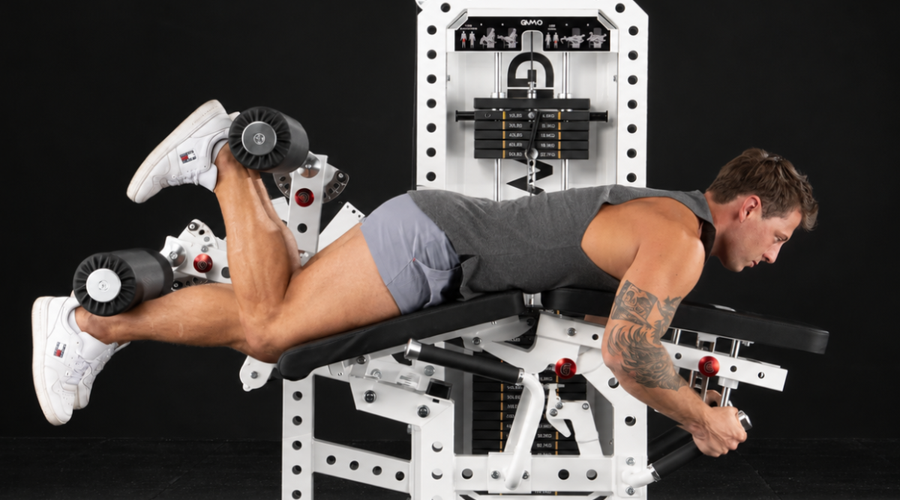


I love the idea behind the GMWD LE11, use one machine to train the front and back of the thighs, before moving onto the bigger lifts in a leg workout. I recommend using the machine for 4 to 5 sets of quad and hamstring work before moving directly into the main compound lifts. That approach gives me a way to prioritize direct leg work early on in a session.
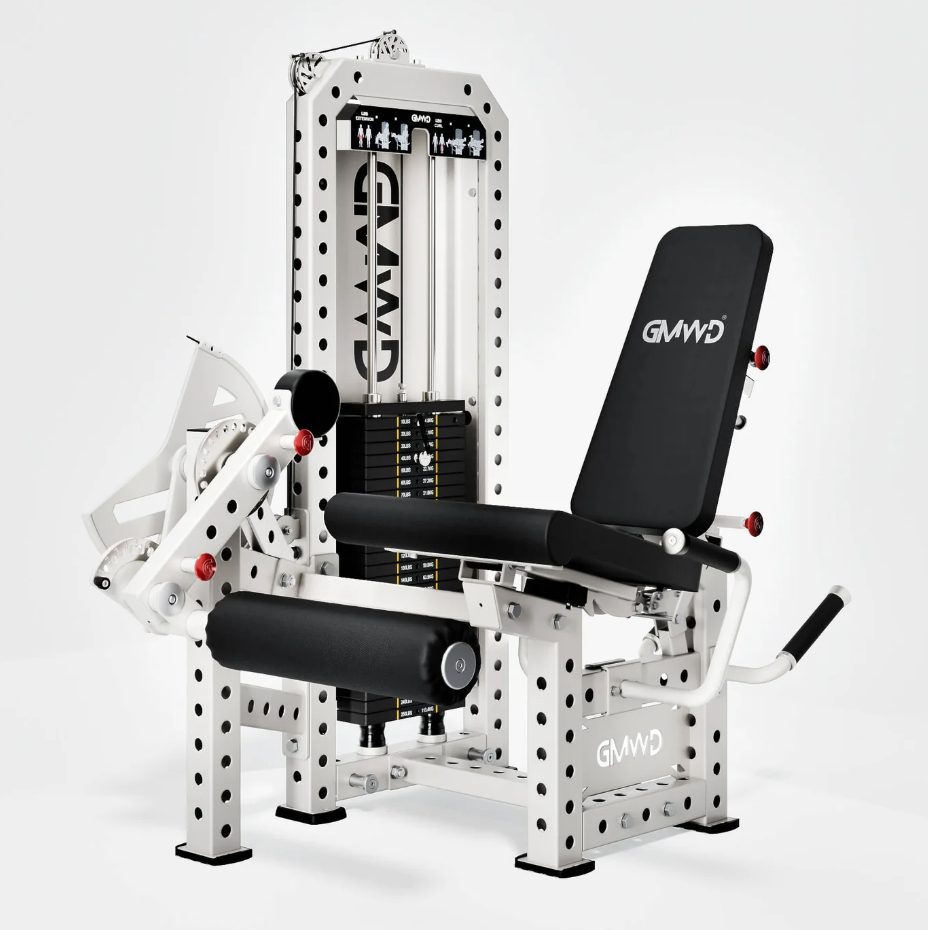
The LE11 combines a seated leg extension with a prone leg curl. It has a built in weight stack, several adjustment points, and band pegs for adding variable resistance. It is a substantial piece of equipment, so it will not suit every home gym.

For me, the main question is whether the convenience and range of adjustment justify the space and cost.
How I Use the LE11
I see the LE11 as an isolation machine that can help structure the start of a leg workout. The leg extension trains knee extension, the quads and medialis. The prone leg curl trains knee flexion and the hamstrings. Since both movements are available on the same machine, I can work the front and back of my legs without moving to another station or changing equipment.
That setup fits the approach I share in my video. I use several focused sets for the quads and hamstrings before moving into compound lifts. The machine is not a direct replacement for squats, leg presses, or other compound exercises. I see it as a way to add direct work before those movements when I want to emphasize and fatigue my legs, or afterwards when I want to exhaust every last drop of energy and effort from my leg workout.
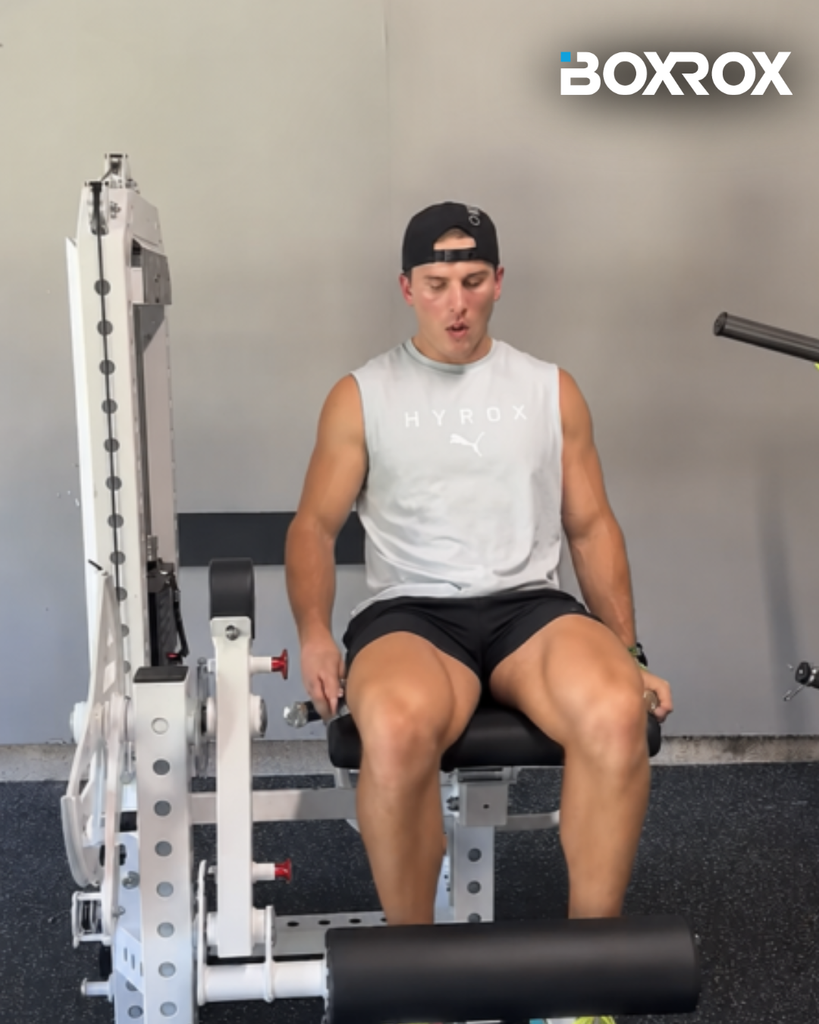
The pre-exhaust approach has a tradeoff. If I fatigue my legs with isolation exercises first, I may be able to lift less or complete fewer repetitions in a squat or leg press afterward. So it depends on your own personal goals. For pure strength work, make sure to hit your compound lifts first, and finish up with the isolation work on the LE11.
The 1:1 Stack and Band Pegs
The LE11 has a 255 pound selectorized weight stack, with weight changes in 10 pound increments and a removable 5 pound top plate for smaller adjustments. GMWD describes the cable system as a true 1:1 ratio, meaning the selected stack weight is intended to correspond directly to the working resistance. That makes the numbers easier to understand than on a machine with a different pulley ratio.
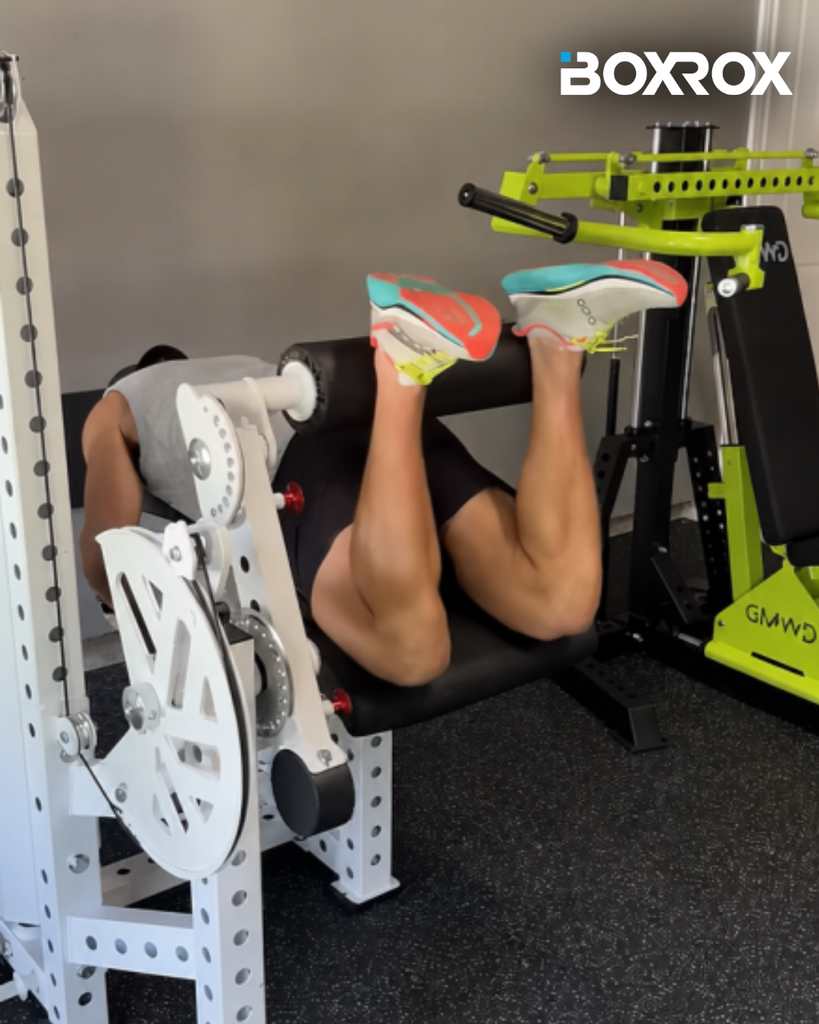
For my training, the stack is the feature I would use most often because the pin makes it straightforward to change the load and repeat a session. The band pegs offer another option for lifters who want resistance to change through part of the movement. I would treat bands as an optional variation rather than assume they provide a precise or uniform amount of extra resistance.
Adjustments and fit
The LE11 has a 9 position leg roller, a 24 position sundial, and a 6 position backrest. Those adjustments matter because I need to line the machine up with my body before I workout. I check that the machine’s pivot point is aligned with my knee and that the roller sits comfortably on my lower leg. A setup that feels wrong can distract me from controlling the movement properly.
GMWD lists a suggested user height range of about 4 feet 11 inches to 6 feet 5 inches. That is a broad range, but it does not guarantee that everyone within it will find the machine comfortable. I would take time to adjust the seat, backrest, and roller before adding weight, especially if more than one person will use the machine.
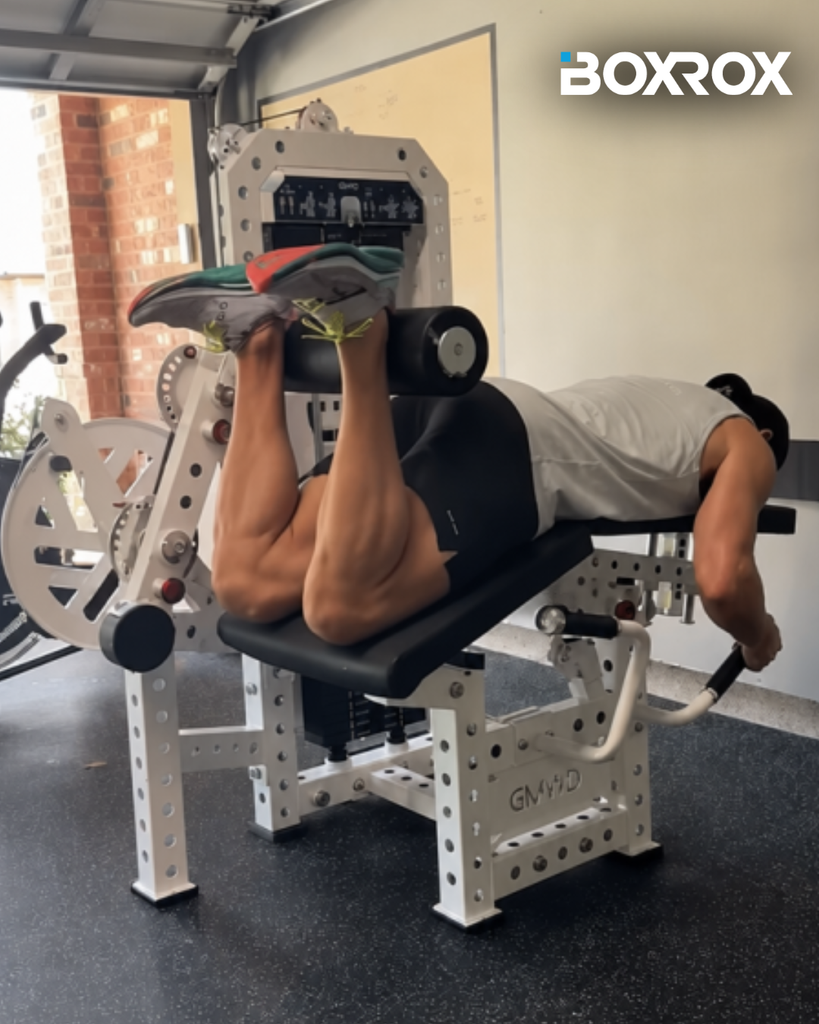
I can change the machine from extension to prone curl by moving the backrest into position. That gives it two functions in one footprint, although I still need enough room to access both positions.
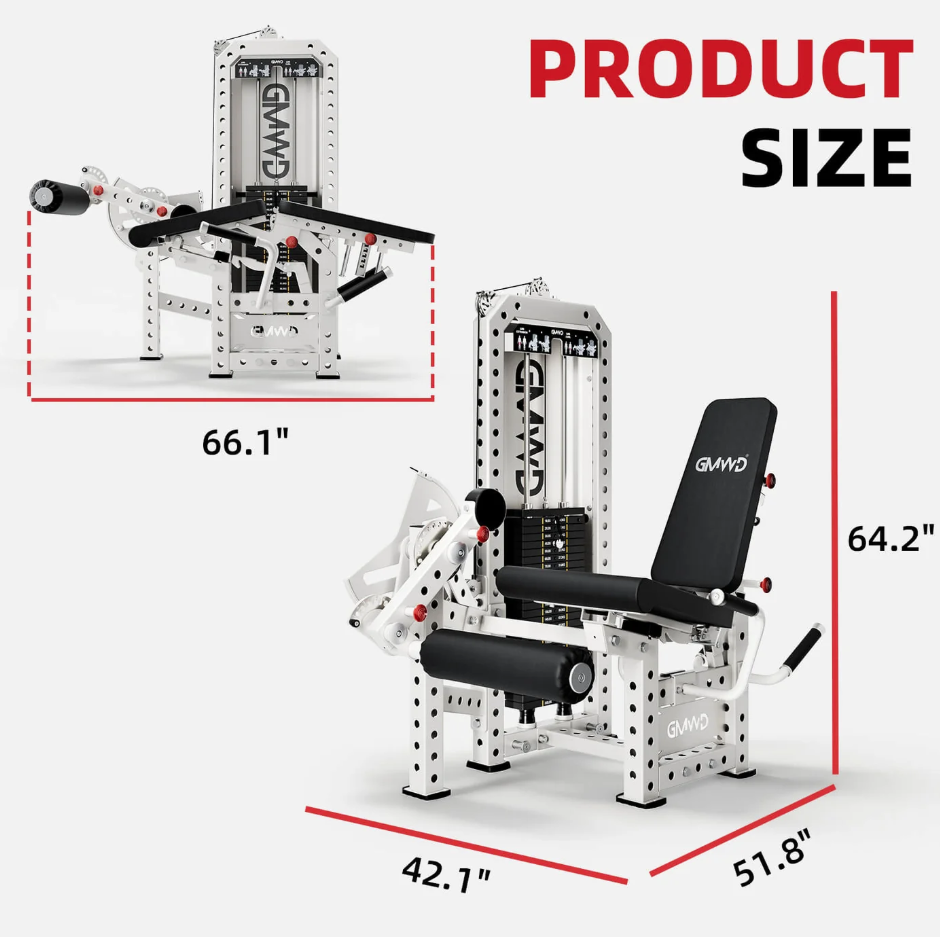
GMWD lists the machine at about 51.8 inches long in the seated position and 66.1 inches long in the prone position. It is 42.1 inches wide and 64.2 inches high. I would measure your gym space in both configurations before deciding where to place it.
Stability, Specs, and Assembly
The LE11 is 562 pounds, with a 3 by 3 inch, 12 gauge steel frame. This is a heavy machine, so delivery and placement deserve planning.
Its size is also worth considering in a home gym. A two function machine can save an enormous amount of space compared with owning separate extension and curl machines, but it still needs an appropriately sized area.
The LE11 comes with a lifetime warranty for the frame and six month warranty for parts. I have had absolutely no problems with the machine, but a decent warranty is always nice to have
Who Should Consider The LE11
I think the LE11 is most relevant to home gym owners who want both leg extension and prone leg curl functions, value quick stack adjustments, and have enough floor space and budget for a large machine.
The selectorized stack, convenient adjustment ranges, band pegs, robust quality craftsmanship, and two lower body movements on one station make this an intelligent and versatile choice for your home gyn.
It is less compelling for someone with limited space, someone who prefers plate loaded equipment, or someone who only needs occasional accessory work.
My overall view is that the LE11 has a clear purpose, and is an outstanding machine that makes quad and hamstring isolation work exceedingly convenient to organize in one place.
Key Takeaways
| Feature | Takeaway |
| Exercises | Seated leg extension and prone leg curl on one machine |
| Weight stack | 255 pounds, with 10 pound increments and a removable 5 pound top plate |
| Added resistance | Band pegs rated to support 200 pounds; actual band resistance varies by setup |
| Adjustability | 9 position leg roller, 24 position sundial, and 6 position backrest |
| Size and weight | 562 pounds; about 51.8 inches long seated and 66.1 inches long prone |
| Best fit | Home gyms with enough space and regular use for quad and hamstring isolation |
| Training approach | Use pre-exhaust when direct leg work is the priority; put compound lifts first when strength on those lifts is the priority |
References
- Augustsson, J., Thomeé, R., Hörnstedt, P., Lindblom, J., Karlsson, J. and Grimby, G. (2003) ‘Effect of pre-exhaustion exercise on lower-extremity muscle activation during a leg press exercise’, Journal of Strength and Conditioning Research, 17(2), pp. 411–416.
- GMWD (2026) ‘Selectorized Leg Extension and Prone Leg Curl Machine LE11’. Product specifications and details, accessed 13 October 2026.
- Nunes, J.P., Grgic, J., Cunha, P.M., Ribeiro, A.S., Schoenfeld, B.J., de Salles, B.F. and Cyrino, E.S. (2021) ‘What influence does resistance exercise order have on muscular strength gains and muscle hypertrophy? A systematic review and meta-analysis’, European Journal of Sport Science, 21(2), pp. 149–157.
- Schoenfeld, B.J., Ogborn, D. and Krieger, J.W. (2017) ‘Dose-response relationship between weekly resistance training volume and increases in muscle mass: A systematic review and meta-analysis’, Journal of Sports Sciences, 35(11), pp. 1073–1082.
- Trindade, T.B., Prestes, J., Neto, L.O., Medeiros, R.M.V., Tibana, R.A., de Sousa, N.M.F., Santana, E.E., Cabral, B.G.A.T., Stone, W.J. and Dantas, P.M.S. (2019) ‘Effects of pre-exhaustion versus traditional resistance training on training volume, maximal strength, and quadriceps hypertrophy’, Frontiers in Physiology, 10, article 1424.