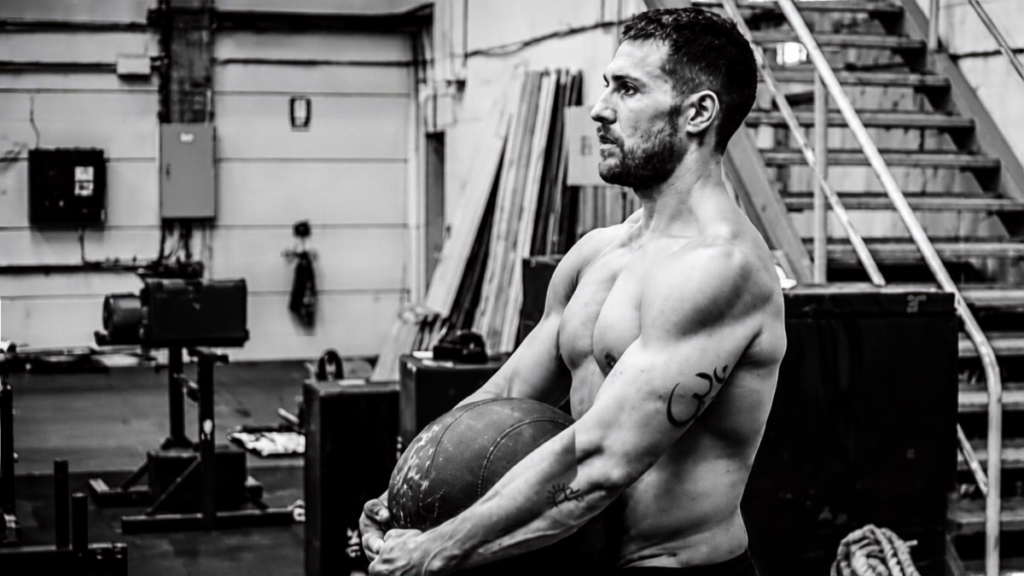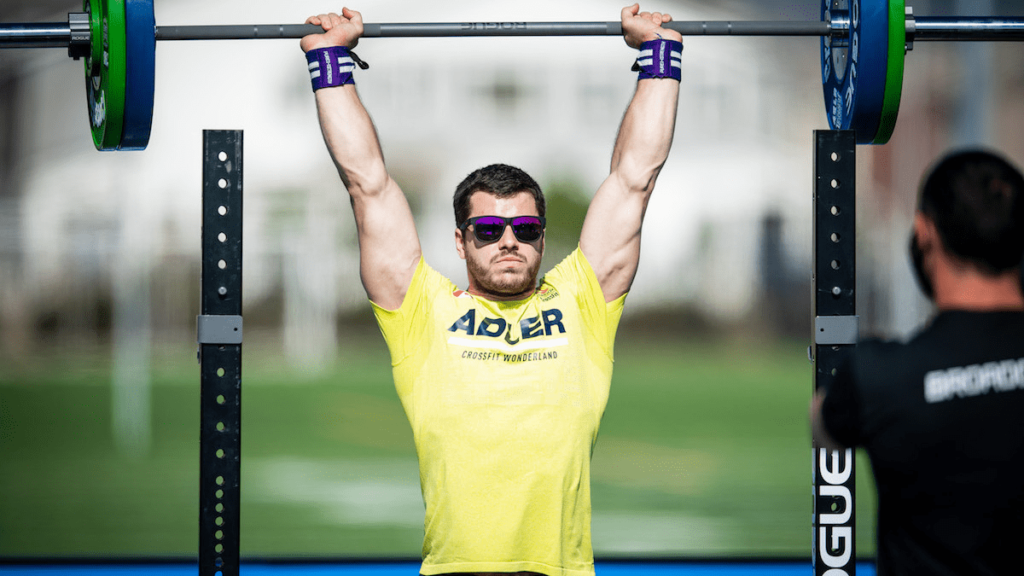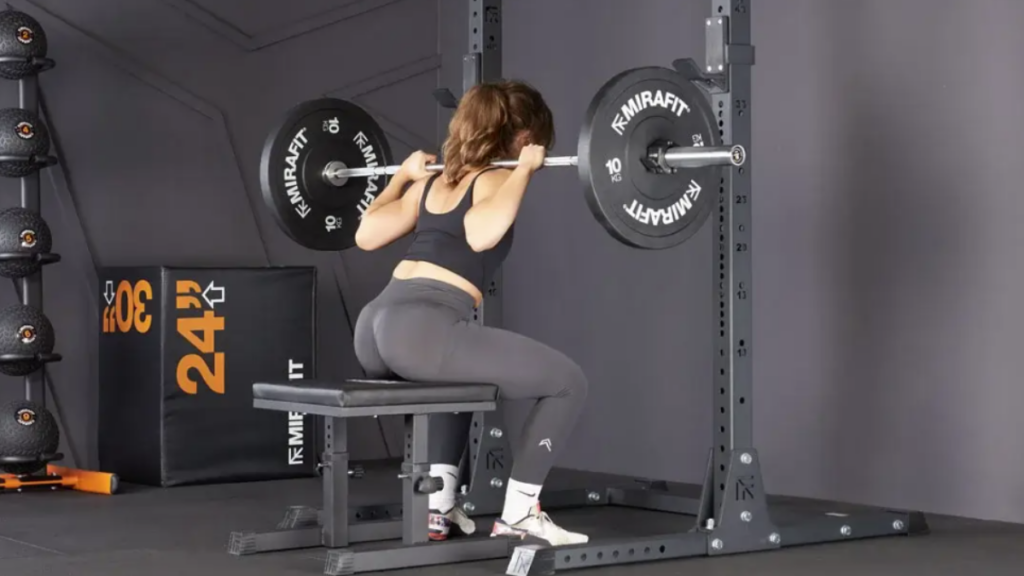


Serious about stepping up your training? Then add these into your routine.
Decoding the Anatomy of Beginner Shoulder Development
Before diving into specific exercise selections, we must examine how the shoulder complex actually responds to resistance training. Your shoulder musculature is broadly known as the deltoid, but it is anatomically divided into three distinct regions known as the anterior, lateral, and posterior heads.
Each head serves a unique mechanical purpose, ranging from lifting your arm forward to pulling it outward or backward against resistance. When beginners focus solely on traditional overhead pressing, they disproportionately overload the front portion while neglecting the sides and rear, resulting in an unbalanced physique and poor posture.
| Deltoid Region | Anatomical Function | Ideal Beginner Stimulus |
|---|---|---|
| Anterior Head | Flexion and internal rotation | Controlled vertical pressing patterns |
| Lateral Head | Abduction away from midline | Strict isolation raises |
| Posterior Head | Horizontal extension and external rotation | Rear delt flyes and rowing variations |
Understanding these functional divisions helps you avoid the common trap of random exercise selection. When you match your training choices to the actual mechanics of your shoulder joint, every single repetition contributes directly to balanced muscle growth and structural resilience.
The 5 Best Dumbbell Exercises for Novice Lifters
Selecting the right movements for a beginner routine requires balancing mechanical safety with maximum hypertrophic efficiency. The five dumbbell exercises detailed below represent the gold standard for developing a strong, broad, and resilient shoulder girdle without requiring intimidating gym equipment or risky loads.
1. The Seated Dumbbell Overhead Press
The seated dumbbell overhead press serves as the foundational cornerstone for building overall upper body pushing strength and anterior deltoid mass. By sitting on a bench with back support, you eliminate the need to stabilize your entire spine against gravity, allowing you to focus purely on driving the weight upward. Research indicates that supported pressing positions reduce unwanted lower back arching while enabling beginners to maintain strict posture and direct maximum tension into the working shoulder muscles.
To execute this movement properly, hold a pair of dumbbells at shoulder height with your palms facing forward and your core gently braced. Press the weights upward in a slight arc until your arms are fully extended overhead without locking your elbows aggressively at the top. Lower the dumbbells slowly back down to starting position under complete control, ensuring your elbows stay slightly tucked forward rather than flared completely out to the sides.
2. The Seated Lateral Raise
While pressing builds overall pressing power, the seated lateral raise specifically targets the lateral head of the deltoid responsible for creating visual shoulder width. Sitting down on a flat bench prevents you from using your legs or hips to heave the weights upward, forcing the side deltoids to handle the entire mechanical burden. Studies comparing standing versus seated lateral raises show that seated variations drastically reduce momentum use, leading to superior localized muscle activation and cleaner eccentric control.
To perform the movement correctly, sit on the edge of a bench holding light dumbbells at your sides with a slight bend in your elbows. Raise your arms out laterally until they reach parallel with the floor, imagining you are pouring water out of two pitchers at the top. Lower the weights back down slowly, maintaining continuous tension on the muscle fibers without letting the dumbbells rest against your thighs between repetitions.
| Exercise Selection | Primary Target Area | Main Mechanical Benefit |
|---|---|---|
| Seated Overhead Press | Anterior and medial deltoids | Provides stable support for heavy vertical pressing |
| Seated Lateral Raise | Lateral deltoid head | Eliminates lower body momentum for strict isolation |
| Seated Bent Over Flye | Posterior deltoid and upper back | Corrects postural imbalances and protects rotator cuff |
| Incline Front Raise | Anterior deltoid and clavicular head | Manages resistance curves safely through full range |
| Standing Arnold Press | Multi planar deltoid engagement | Maximizes time under tension across all heads |
3. The Seated Bent Over Rear Delt Flye
Neglecting the rear deltoids is the single most common mistake beginners make, leading to rounded shoulders and poor structural balance. The seated bent over rear delt flye isolates the back portion of the shoulder complex while strengthening the upper back muscles that stabilize your shoulder blades. Clinical biomechanical analysis confirms that training the posterior deltoid is vital for maintaining long term joint health and counteracting the forward pull of heavy pressing work.
Sit on the edge of a bench, hinge forward at your hips until your chest rests comfortably close to your thighs, and hold light dumbbells beneath your calves. Keeping a slight bend in your elbows, raise your arms up and out to the sides by squeezing your shoulder blades together forcefully. Lower the weights with absolute control, ensuring you do not use momentum to jerk the dumbbells upward.
4. The Incline Bench Front Raise
The incline bench front raise is a fantastic variation for beginners because setting an adjustable bench to a forty five degree angle provides complete chest and torso support. This setup eliminates the swinging motion that often plagues standing front raises, protecting your lower back from strain while isolating the anterior deltoid. Research shows that supported angles allow novice lifters to focus entirely on the concentric contraction without compromising spinal alignment.
Lie face down against an incline bench with your chest resting securely against the pad and your feet planted firmly on the floor. Holding dumbbells with a neutral grip, raise both arms straight out in front of you until they reach eye level. Lower the weights slowly along the exact same path, feeling the stretch across the front of your shoulders at the bottom of each repetition.
5. The Seated Arnold Press
Named after legendary bodybuilding icon Arnold Schwarzenegger, this classic variation adds a rotational component to the traditional overhead press to engage all three deltoid heads simultaneously. Starting with your palms facing toward your chest and rotating them outward as you press upward increases the total range of motion and time under tension. Electromyography data demonstrates that multi planar pressing movements produce exceptional overall muscular recruitment across the entire shoulder complex.
Sit on a bench with back support, hold dumbbells at chin height with your palms facing directly toward your face, and brace your core. As you press the weights overhead, smoothly rotate your wrists outward so that your palms face forward at the top of the movement. Reverse the rotation on the way down, returning to the starting position with your palms facing your chest.
Structuring Your Beginner Shoulder Workout
Integrating these five exercises into a cohesive weekly routine requires careful attention to volume, recovery, and frequency. Because beginner muscles adapt quickly to new stimuli without requiring marathon training sessions, keeping your set counts moderate yields the best long term progress. Training your shoulders twice per week with adequate rest between sessions ensures optimal muscle protein synthesis and prevents overuse injuries.
Every Guy Needs These 3 Compound Exercises for a Strong and Jacked Body
The sample program below illustrates how a beginner can organize these movements into a balanced weekly schedule. Prioritizing technical precision over heavy weights will accelerate your strength gains while keeping your joints safe and healthy.
| Training Day | Exercise Selection | Working Sets | Repetition Range |
|---|---|---|---|
| Session One | Seated Dumbbell Overhead Press | 3 sets | 8 to 10 reps |
| Session One | Seated Lateral Raise | 3 sets | 12 to 15 reps |
| Session One | Seated Bent Over Rear Delt Flye | 3 sets | 12 to 15 reps |
| Session Two | Seated Arnold Press | 3 sets | 8 to 12 reps |
| Session Two | Incline Bench Front Raise | 3 sets | 10 to 12 reps |
| Session Two | Seated Lateral Raise | 3 sets | 12 to 15 reps |
Allowing at least forty eight hours of rest between your shoulder sessions gives your connective tissues and muscle fibers ample time to repair and grow stronger. As these movements begin to feel comfortable and controlled, you can gradually increase your working weights while maintaining strict, flawless form.
Key Takeaways
| Core Concept Label | Practical Application Summary |
|---|---|
| Joint Complexity | The shoulder is highly mobile and requires controlled dumbbell movements to build stable strength safely. |
| Deltoid Anatomy | Balanced development requires targeting the anterior, lateral, and posterior heads equally. |
| Beginner Advantage | Supported seated positions eliminate momentum and maximize localized muscle activation. |
| Progressive Volume | Train shoulders twice weekly with moderate sets and strict form to ensure continuous growth. |
References
- Campos, G. E., Luecke, T. J., Wendeln, H. K., Toma, K., Hagerman, F. C., Murray, T. F., Ragg, K. E., Ratamess, N. A., Kraemer, W. J., and Staron, R. S. 2002. Muscular adaptations in response to three different resistance-training regimens: Specificity of repetition maximum training zones. European Journal of Applied Physiology, 88(1), pp. 50-60.
- Escamilla, R. F., Yamashiro, K., Paulos, L., and Andrews, J. R. 2009. Biomechanically safe shoulder training for novice and intermediate lifters. Journal of Strength and Conditioning Research, 23(4), pp. 1296-1305.
- Luczak, J., Bosak, A., and Rippetoe, M. 2013. Electromyographic analysis of the deltoid heads during overhead press and lateral raise variations. Journal of Applied Biomechanics, 29(4), pp. 412-420.
- Schoenfeld, B. J. 2010. The mechanisms of muscle hypertrophy and their application to resistance training. Journal of Strength and Conditioning Research, 24(10), pp. 2857-2872.