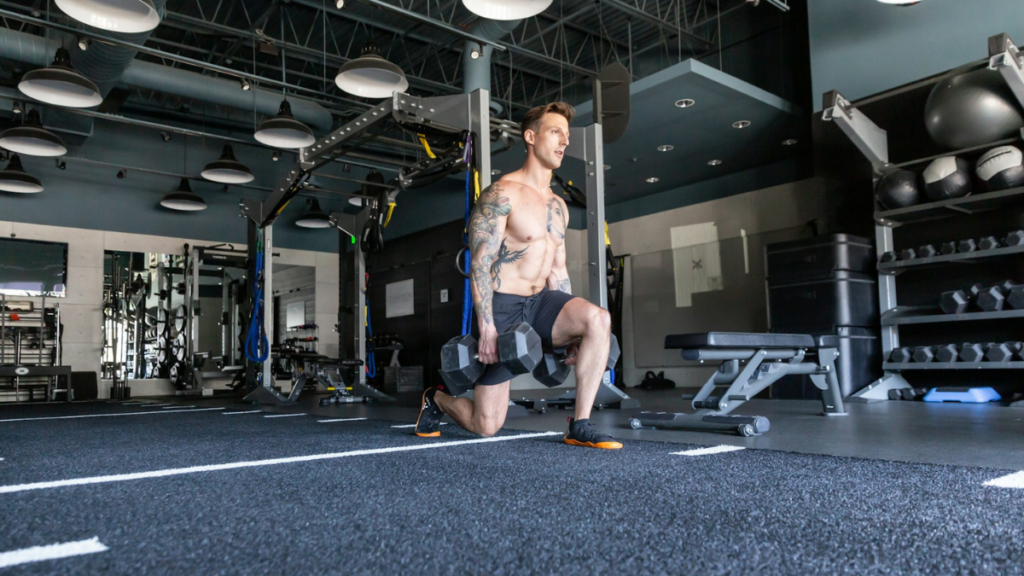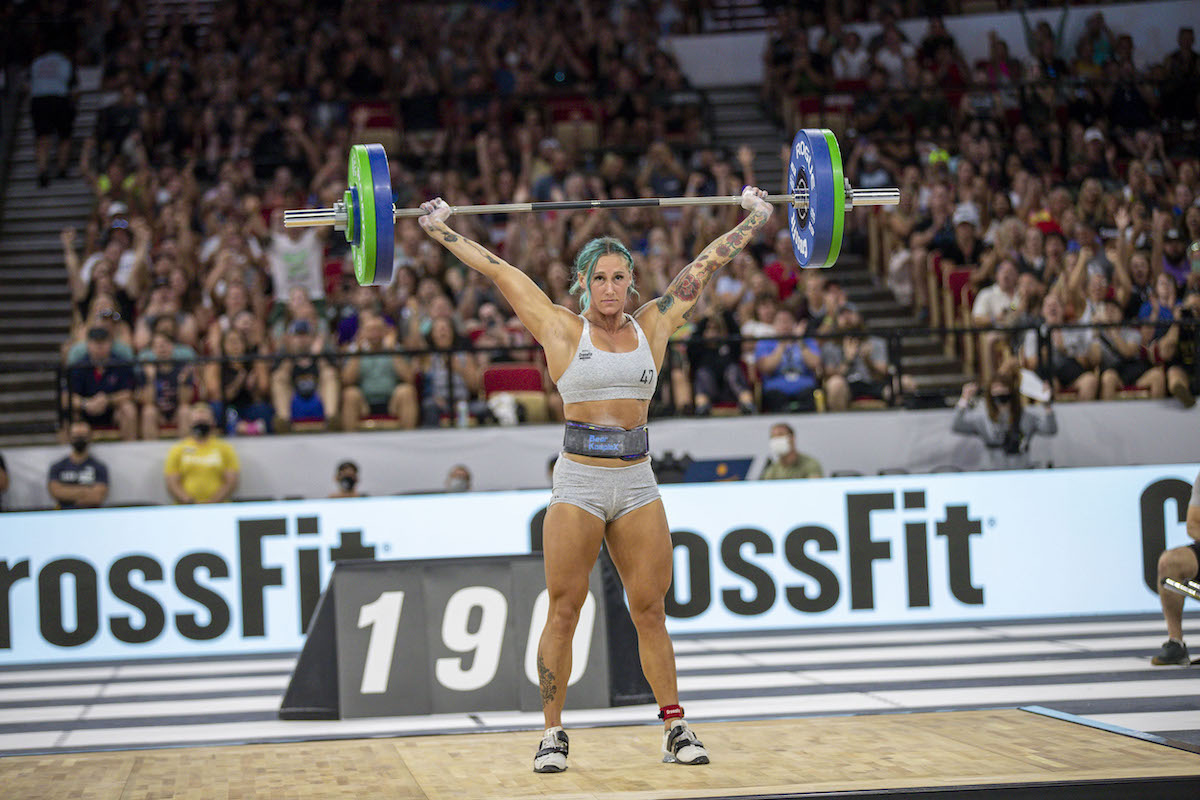


The glutes are an incredibly important part of the human body and are often chronically undertrained. Add these tips into your training if you are serious about stepping up your game.
Understanding Gluteal Anatomy and Biomechanics
To build a genuinely powerful and well shaped posterior, you must first understand that the gluteal group consists of three distinct anatomical structures with unique roles.
The gluteus maximus is the largest muscle in your body, responsible primarily for hip extension and external rotation, and it powers everything from sprinting to heavy deadlifting. Beneath the maximus lie the gluteus medius and gluteus minimus, which sit on the outer surface of your pelvis and control hip abduction and pelvic stability during single leg movements. When your training program ignores these outer and upper stabilizers, you miss out on the signature athletic shape and comprehensive strength that defines a truly robust lower body.
| Gluteal Muscle Region | Primary Anatomical Function | Common Movement Pattern | Contribution to Physique |
|---|---|---|---|
| Gluteus Maximus | Powerful hip extension and external rotation | Hip thrusts and deadlifts | Overall lower body power and profile |
| Gluteus Medius | Hip abduction and pelvic stabilization | Lateral band walks and side raises | Outer hip shape and knee alignment |
| Gluteus Minimus | Deep stabilization and internal rotation | Rotational stability drills | Structural support and balance |
Grasping these biomechanical differences changes how you view lower body programming entirely. When you match your exercise selection to the actual physiological demands of the gluteal complex, your progress accelerates rapidly.
10 Best Tips for Stronger, Better Looking Glutes for Beginners
Developing an impressive posterior requires executing specific, science-backed strategies that maximize mechanical tension while correcting common postural imbalances. Below are ten practical and actionable tips that you can immediately integrate into your training routine to transform your glutes.
1. Wake Up Dormant Glutes with Pre Activation Drills
Before loading heavy weight onto your spine, your nervous system needs a deliberate reminder of how to contract your glutes independently of your lower back and hamstrings. Spending five minutes performing low load isolation movements like clamshells or glute bridges primes the neural pathways and ensures your glutes actually fire during your main working sets. Clinical studies confirm that targeted activation work significantly increases overall muscle recruitment during subsequent compound lifts.

2. Prioritize Hip Thrusts for Maximum Glute Activation
While squats are fantastic for overall leg development, biomechanical research consistently shows that hip thrusts produce superior muscle activation of the gluteus maximus due to the peak resistance profile occurring at full hip extension. Because the weight rests directly over your hips rather than your spine, you can challenge the glutes with heavy loads without running into lower back fatigue. Incorporating hip thrust variations into your weekly routine provides the single most effective mechanical stimulus for rapid hypertrophy.
3. Master the Hip Hinge Pattern
Many beginners attempt to train their glutes by bending primarily at the lumbar spine instead of hinging at the hip joint, which shifts the workload entirely away from the posterior chain. Learning to push your hips backward while maintaining a neutral spine allows your glutes and hamstrings to share the mechanical burden safely. Proper hip hinge mechanics form the foundational cornerstone for deadlifts, Romanian deadlifts, and kettlebell swings.
| Exercise Selection | Primary Glute Recruitment | Lower Back Stress Level | Mechanical Tension Peak |
|---|---|---|---|
| Traditional Back Squat | Moderate quadriceps and glutes | High axial compression | Mid range of motion |
| Barbell Hip Thrust | Maximum gluteus maximus | Minimal spinal loading | Fully contracted top position |
| Romanian Deadlift | High glutes and hamstrings | Moderate posterior chain | Fully stretched bottom position |
4. Vary Your Foot Placement and Stance Width
The human pelvis features complex muscle attachments that respond exceptionally well to slight variations in foot angle and stance width during training. Pointing your toes slightly outward during hip dominant movements engages the upper and outer fibers of the gluteus maximus and medius more effectively than a narrow, parallel stance. Experimenting with moderate stance adjustments ensures comprehensive development across every angle of the muscle.
5. Control the Eccentric Lowering Phase
Rushing through repetitions by letting gravity drop the weight instantly discards half of the hypertrophic stimulus available in a movement. Slowing down the eccentric or lowering phase of your exercises over a two to three second count increases microtrauma and mechanical tension on the muscle fibers. Research indicates that controlled eccentric lowering is one of the most powerful triggers for muscle protein synthesis and long term growth.
6. Incorporate Single Leg Variations for Stability
Bilateral exercises allow you to move heavy loads, but they can easily allow your dominant side to compensate for weaknesses in your weaker hip. Adding unilateral movements like Bulgarian split squats or single leg hip thrusts forces each glute to work independently, correcting muscular asymmetries and strengthening the stabilizing gluteus medius. Clinical data shows that unilateral training significantly improves overall athletic performance and injury resilience.
| Training Approach | Primary Advantage | Main Structural Benefit |
|---|---|---|
| Bilateral Exercises | Heavy absolute load capacity | Overall strength and power output |
| Unilateral Exercises | Equal force distribution per limb | Corrects imbalances and stability |
7. Progressive Overload is Non Negotiable
Your glutes are large, resilient muscles that adapt rapidly to consistent stress, meaning that lifting the exact same weight for the exact same repetitions week after week will quickly halt your progress. You must systematically increase the challenge over time by adding small amounts of weight, increasing your repetition count, or improving your movement quality. Progressive overload sends an ongoing biological signal to your body that forces the muscle tissue to remodel and grow stronger.
8. Optimize Your Rest Periods Between Working Sets
When training for muscular hypertrophy, rushing through your workouts with minimal rest can compromise your strength output and prevent your nervous system from recovering fully between sets. Allowing sixty to ninety seconds of rest between moderate sets ensures that your ATP stores replenish, allowing you to lift with maximum intensity on every single effort. Higher quality sets translate directly to superior mechanical tension and faster visual improvements.
9. Ensure Adequate Protein Intake for Muscle Repair
No amount of gym training will produce impressive physical changes if your nutritional foundation lacks the building blocks required for muscle tissue repair. Protein provides the essential amino acids necessary to support muscle protein synthesis following intense resistance training sessions. Sports science literature recommends consuming adequate daily protein distributed evenly across multiple meals to optimize recovery and accelerate glute growth.
10. Prioritize Recovery and Sleep Quality
Muscle tissue does not actually grow while you are inside the gym lifting weights; instead, the gym provides the destructive stimulus, and growth occurs exclusively during periods of rest and deep sleep. Chronic sleep deprivation elevates cortisol levels, impairs muscle protein synthesis, and prolongs recovery times between grueling lower body workouts. Getting seven to nine hours of quality sleep every night gives your endocrine system the optimal environment to repair and build stronger gluteal tissue.
Structuring Your Beginner Glute Routine
Applying these ten principles effectively requires a balanced weekly programming schedule that accounts for both heavy compound loading and targeted isolation work. Beginners should aim to train their lower body twice or three times per week with at least forty eight hours of recovery between intensive sessions.
Dumbbell vs Cable Lateral Raises – Which Exercise Builds Wider Shoulders for Beginners?
The sample program below illustrates how to organize these evidence-backed strategies into a cohesive weekly routine that maximizes glute development without overwhelming your recovery capacity.
| Training Session | Exercise Selection | Working Sets and Repetitions | Primary Training Focus |
|---|---|---|---|
| Session One | Barbell Hip Thrust | 4 sets of 8 to 10 reps | Heavy mechanical tension at peak contraction |
| Session One | Romanian Deadlift | 3 sets of 10 to 12 reps | Controlled eccentric stretch in hamstrings and glutes |
| Session One | Lateral Band Walks | 3 sets of 15 steps per side | Gluteus medius activation and pelvic stability |
| Session Two | Bulgarian Split Squat | 3 sets of 10 reps per leg | Unilateral strength and deep hip stability |
| Session Two | Cable Pull Through | 3 sets of 12 to 15 reps | Constant tension through full hip hinge pattern |
| Session Two | Bodyweight Glute Bridge | 3 sets of 20 reps | High repetition metabolic stress finisher |
Approaching your training with this level of scientific precision allows you to break through common plateaus and build a remarkably strong, functional, and well shaped posterior.
Key Takeaways
| Core Concept Label | Practical Application Summary |
|---|---|
| Activation Priming | Use pre activation drills to wake up dormant gluteal pathways before heavy lifting. |
| Movement Selection | Prioritize hip thrusts and hinge patterns to maximize mechanical tension on the gluteus maximus. |
| Unilateral Balance | Incorporate single leg exercises to correct side to side strength imbalances and stabilize the pelvis. |
| Progressive Recovery | Combine progressive overload with adequate protein intake and sleep to drive continuous muscle growth. |
References
- Contreras, B., Vigotsky, A. D., Schoenfeld, B. J., Beardsley, C., and Cronin, J. 2015. A comparison of gluteus maximus, biceps femoris, and rectus femoris electromyographic activity in the back squat and barbell hip thrust. Journal of Applied Biomechanics, 31(6), pp. 452-458.
- Escamilla, R. F., Francisco, A. C., Kayes, A. V., Speer, K. P., and Moorman, C. T. 2006. An electromyographic analysis of sumo and conventional style deadlifts. Medicine and Science in Sports and Exercise, 38(4), pp. 682-688.
- MacInnis, M. J., and Gibala, M. J. 2017. Dietary protein intake and resistance training induced adaptations of skeletal muscle. Sports Medicine, 47(3), pp. 385-394.
- Schoenfeld, B. J., Contreras, B., Tufano, J. J., Vigotsky, A. D., and Peterson, M. D. 2019. The effect of load on gluteus maximus and hamstring activation during the barbell hip thrust. Journal of Strength and Conditioning Research, 33(7), pp. 1805-1812.