

Creatine is one of the most researched sports supplements in history. Despite decades of scientific evidence supporting its benefits, many gym goers still misunderstand what it does, who should use it, and whether it is actually worth taking. The truth is simple. Creatine works.
It supports strength, muscle growth, recovery, exercise performance, and even brain health. It is safe for healthy individuals, inexpensive compared to most supplements, and effective for beginners and elite athletes alike.


Unlike many fitness products that rely on marketing hype, creatine has been tested in hundreds of peer reviewed studies across different populations, training styles, and age groups. The findings remain remarkably consistent. If you lift weights, train for performance, or simply want to improve your overall physical capacity, creatine deserves serious attention.
What Is Creatine?
Creatine is a naturally occurring compound found in muscle cells. Your body produces it from amino acids primarily in the liver, kidneys, and pancreas. It is also obtained from foods such as red meat and fish. Around 95% of the body’s creatine stores are found in skeletal muscle.
Its main role is to help regenerate adenosine triphosphate, commonly known as ATP. ATP is the body’s immediate source of energy during high intensity exercise.
During short bursts of powerful activity such as heavy squats, sprinting, jumping, or Olympic lifting, ATP is rapidly depleted. Creatine helps replenish ATP more quickly, allowing muscles to continue producing force at a high level.
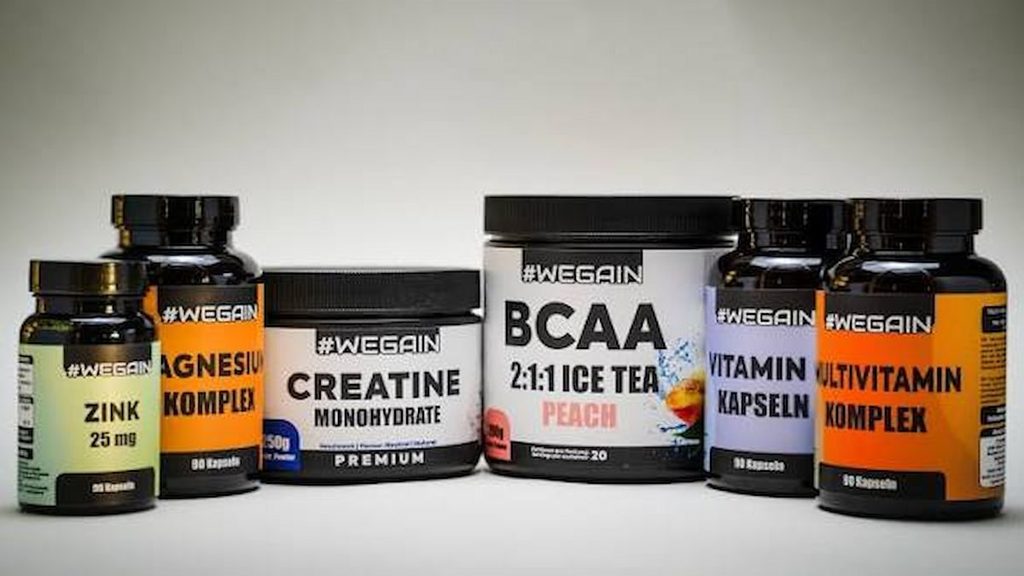
Supplementing with creatine increases the amount stored inside muscle tissue. This leads to improvements in performance, recovery, and muscle building capacity over time. The most studied and effective form is creatine monohydrate.
Reason 1: Creatine Increases Strength and Power Output
The biggest reason gym goers use creatine is simple. It helps you get stronger.
Strength improvements from creatine supplementation have been consistently demonstrated across decades of research involving trained athletes, recreational lifters, and older adults.
How Creatine Improves Strength
High intensity exercise depends heavily on the phosphocreatine energy system. During explosive movements, ATP gets used rapidly. Phosphocreatine donates phosphate molecules to regenerate ATP quickly.
When muscle creatine stores are elevated through supplementation, the body can produce energy faster during demanding efforts. This leads to:
- Better lifting performance
- Increased training volume
- Improved sprint performance
- Greater power production
- Reduced fatigue during repeated efforts
Over time, these small performance advantages compound into greater adaptations from training.
More Volume Means More Progress
One of the most important drivers of muscle and strength gains is training volume. If creatine helps you complete extra reps or maintain higher intensity across multiple sets, your overall stimulus for adaptation increases.
For example, if a lifter can perform:
- 8 reps instead of 6 on heavy bench press
- One additional working set
- Slightly heavier weights across sessions
The cumulative effect over months of training becomes substantial. This is one reason why creatine supplementation is consistently linked to larger increases in lean body mass and strength compared to training alone.
Evidence Supporting Strength Gains
Research repeatedly shows creatine improves maximal strength and muscular performance. Studies involving resistance trained individuals have demonstrated significant improvements in:
- Bench press strength
- Squat performance
- Sprint ability
- Peak power output
- Repeated high intensity effort capacity
A large body of evidence also supports creatine’s role in enhancing adaptations to resistance training over time. Importantly, these benefits are not limited to elite athletes. Recreational gym goers often experience noticeable improvements within weeks.
Why This Matters for Everyday Lifters
You do not need to compete in powerlifting or CrossFit to benefit from increased strength. Better strength supports:
- Muscle growth
- Improved body composition
- Better workout quality
- Increased confidence in training
- Improved functional capacity
Stronger muscles also support long term joint health and healthy aging. For most gym goers, getting stronger is one of the primary goals of training. Creatine helps accelerate that process.
Reason 2: Creatine Helps Build More Muscle
Creatine is strongly associated with increases in lean muscle mass. Some people mistakenly assume this is only due to water retention. While creatine does increase intracellular water content inside muscle cells, the long term muscle growth benefits go far beyond temporary water weight.
Creatine Supports Muscle Growth Through Multiple Mechanisms
Creatine enhances hypertrophy through several pathways. These include:
- Increased training performance
- Greater training volume
- Enhanced cellular hydration
- Improved recovery capacity
- Increased satellite cell activity
- Potential reductions in muscle protein breakdown
When muscles can train harder and recover more effectively, muscle growth potential increases.
Cell Hydration and Muscle Growth
Creatine pulls water into muscle cells. This process is known as cell volumization. Hydrated muscle cells create a more anabolic environment, which may help stimulate protein synthesis and reduce protein breakdown.
The increase in intracellular fluid also contributes to the fuller and more muscular appearance many users notice after beginning supplementation. This is not the same as bloating. Proper creatine use does not cause subcutaneous water retention in healthy individuals.
Creatine and Lean Body Mass
Research consistently shows that combining creatine with resistance training produces greater increases in lean body mass compared to training alone. These gains occur in:
- Men and women
- Young adults
- Older adults
- Beginners
- Experienced lifters
One reason creatine is especially valuable for muscle growth is that it allows athletes to sustain higher quality training sessions over time. More productive workouts create more opportunities for hypertrophy.
Muscle Growth Benefits for Older Adults
Muscle loss becomes a major issue with aging. Sarcopenia, the gradual decline in muscle mass and strength, can reduce mobility and quality of life. Creatine supplementation combined with resistance training has been shown to help older adults preserve and build muscle tissue more effectively.
This makes creatine useful not only for aesthetics and performance, but also for long term health and function.
Why Muscle Matters Beyond Appearance
Building muscle is not just about looking better. More muscle mass is associated with:
- Improved insulin sensitivity
- Better metabolic health
- Increased bone density
- Reduced injury risk
- Improved physical independence later in life
For gym goers focused on longevity as well as physique improvement, creatine can play an important role.
Reason 3: Creatine Improves Recovery and Reduces Fatigue
Recovery is often overlooked in training progress. Many lifters focus entirely on workout intensity while ignoring how well the body recovers between sessions. Poor recovery limits performance, increases injury risk, and slows muscle growth. Creatine may help improve recovery in several important ways.
Reduced Muscle Damage
Some studies suggest creatine supplementation may reduce markers of muscle damage and inflammation following intense exercise. This can lead to:
- Less muscle soreness
- Faster recovery between sessions
- Better maintenance of performance
- Improved training consistency
Being able to recover more efficiently allows athletes to train harder and more frequently over time.
Improved Glycogen Storage
Creatine may enhance glycogen replenishment when combined with carbohydrate intake. Glycogen is the stored form of carbohydrate inside muscles and serves as a key fuel source during resistance training and high intensity exercise. Better glycogen restoration can support:
- Improved workout performance
- Faster recovery
- Better endurance during training sessions
This is especially beneficial for athletes performing multiple workouts per week or high volume programs.
Less Central Fatigue
Emerging evidence suggests creatine may help reduce mental fatigue during demanding physical activity. Because creatine plays a role in cellular energy production, its effects are not limited to muscles alone. The brain also relies heavily on ATP availability.
Some research indicates creatine may improve cognitive performance during periods of sleep deprivation, mental stress, or exhaustive exercise.
Better Recovery Supports Better Results
Recovery is the phase where the body adapts and grows stronger after training. Intense workouts place stress on muscles and energy systems, creating the stimulus for improvement, but progress only happens when the body has enough time and resources to repair itself. Even modest improvements in recovery quality can have a major impact over the long term, especially for people training consistently.

Since lasting results come from months and years of productive workouts rather than a single session, creatine’s ability to support recovery may help athletes maintain higher training consistency and continue progressing over time.
Reason 4: Creatine May Improve Brain Function and Mental Performance
Most people associate creatine with muscle growth and gym performance, but growing evidence suggests it may also support brain function. The brain has extremely high energy demands and relies heavily on ATP, the body’s primary energy source, to function efficiently. Since creatine helps regenerate ATP, supplementation may improve cellular energy availability in the brain under certain conditions, potentially supporting cognitive performance, mental fatigue resistance, and overall brain health.
Cognitive Benefits of Creatine
Research has explored creatine’s effects on:
- Memory
- Mental fatigue
- Cognitive processing
- Sleep deprivation
- Neurological health
Some studies suggest creatine supplementation may improve short term memory and reasoning ability, particularly in individuals under stress or with lower dietary creatine intake. Vegetarians and vegans may experience especially strong cognitive benefits because they typically consume less creatine from food sources.
Mental Fatigue and Training
Hard training places significant demands not only on the body but also on the mind. Factors such as intense exercise, lack of sleep, calorie restriction, and daily stress can negatively affect cognitive performance, focus, and motivation, all of which play an important role in training quality. Some research suggests creatine may help maintain mental performance during physically and mentally stressful conditions by supporting cellular energy production in the brain.
This could indirectly improve gym performance by helping athletes stay focused, concentrated, and motivated during demanding workouts.
Potential Neuroprotective Effects
Researchers are also investigating creatine’s role in neurological health and neurodegenerative disease. While more research is needed, early findings suggest creatine may have protective effects related to cellular energy metabolism and oxidative stress. This area of research remains ongoing, but it highlights how broad creatine’s physiological impact may be.
Why Gym Goers Should Care About Brain Health
Fitness is not just about muscles. Optimal performance depends on:
- Focus
- Motivation
- Coordination
- Recovery
- Sleep quality
- Stress management
Supporting brain health alongside physical health is an important part of long term athletic performance and overall wellbeing. Creatine may contribute to both.
Reason 5: Creatine Is Safe, Affordable, and Easy to Use
One of the best things about creatine is that it delivers meaningful benefits without complexity. It is one of the safest supplements ever studied.
Creatine Safety
Despite persistent myths, research consistently shows creatine supplementation is safe for healthy individuals when taken at recommended doses. Long term studies have found no harmful effects on kidney function in healthy populations.
Many misconceptions surrounding creatine originated decades ago and have since been disproven through controlled research. Creatine does not:
- Damage healthy kidneys
- Cause dehydration
- Increase injury risk
- Harm the liver in healthy individuals
- Cause hair loss in most users
The vast majority of people tolerate creatine extremely well.
Why Creatine Gets Misunderstood
Many supplements make exaggerated promises. Creatine sometimes gets unfairly grouped into that category despite overwhelming scientific support. Unlike trendy fitness products that disappear after a few years, creatine has remained consistently supported by research for decades. That level of scientific consistency is rare in sports nutrition.
Creatine Is Extremely Affordable
Compared to many supplements, creatine provides exceptional value. A basic creatine monohydrate supplement is inexpensive and effective. You do not need:
- Proprietary blends
- Fancy delivery systems
- Expensive formulas
- Cycling protocols
Simple creatine monohydrate works extremely well for most people.
How to Take Creatine
The standard evidence based dosage for creatine is 3 to 5 grams per day, with consistency being far more important than precise timing. Some individuals choose to begin with a loading phase of around 20 grams daily for five to seven days to saturate muscle stores more quickly before moving to a maintenance dose, but this approach is entirely optional.
Even without a loading phase, regular daily supplementation will still fully saturate muscle creatine stores over the course of several weeks.
Best Practices for Creatine Use
For best results:
- Take creatine daily
- Stay well hydrated
- Combine it with resistance training
- Prioritize consistent nutrition and sleep
Creatine is not magic. It amplifies the benefits of good training and recovery habits.
Common Questions About Creatine
Does Creatine Cause Water Retention?
Creatine increases water content inside muscle cells, which contributes to muscle fullness and performance. This is different from bloating or excess water under the skin. Most users simply notice fuller muscles and slight increases in body weight.
Is Creatine Only for Men?
No. Women can benefit from creatine just as much as men. Research suggests women may experience improvements in:
- Strength
- Lean mass
- Recovery
- Cognitive function
- Exercise performance
Creatine is useful for anyone engaged in resistance training.
Do You Need to Cycle Creatine?
No. There is no strong scientific evidence supporting the need to cycle creatine on and off. Daily long term supplementation appears safe for healthy individuals.
Is Creatine Useful for Cardio Athletes?
Yes. Although creatine is most strongly associated with strength training, it may also benefit sports involving repeated high intensity efforts. This includes:
- Soccer
- Basketball
- Combat sports
- Sprinting
- CrossFit
- Interval training
Its benefits are greatest when explosive energy demands are involved.
The Bottom Line
Creatine is one of the few supplements that truly lives up to the hype. It supports:
- Strength gains
- Muscle growth
- Recovery
- Exercise performance
- Brain function
It is safe, affordable, easy to use, and backed by decades of scientific evidence. For gym goers who want to maximize the return on their training effort, creatine is one of the smartest additions to a nutrition plan.
You do not need complicated protocols or expensive products. A simple daily dose of creatine monohydrate combined with consistent training, good nutrition, and adequate recovery can produce meaningful improvements in both performance and physique. In a fitness industry crowded with exaggerated claims, creatine stands out because the science genuinely supports it.
Key Takeaways
| Topic | Key Point |
|---|---|
| Strength | Creatine improves high intensity performance and power output |
| Muscle Growth | Supports increased lean muscle mass and training volume |
| Recovery | May reduce muscle damage and improve recovery between workouts |
| Brain Function | Can support cognitive performance and reduce mental fatigue |
| Safety | Extensively researched and safe for healthy individuals |
| Dosage | 3 to 5 grams daily is effective for most people |
| Best Form | Creatine monohydrate is the most researched and reliable option |
| Who Benefits | Useful for men, women, beginners, and experienced athletes |
References
- Balsom, P.D., Söderlund, K., Sjödin, B. and Ekblom, B. (1995) ‘Skeletal muscle metabolism during short duration high intensity exercise: influence of creatine supplementation’, Acta Physiologica Scandinavica, 154(3), pp. 303 to 310.
- Branch, J.D. (2003) ‘Effect of creatine supplementation on body composition and performance: a meta analysis’, International Journal of Sport Nutrition and Exercise Metabolism, 13(2), pp. 198 to 226.
- Buford, T.W., Kreider, R.B., Stout, J.R., Greenwood, M., Campbell, B., Spano, M., Ziegenfuss, T., Lopez, H., Landis, J., Antonio, J. and Smith, A. (2007) ‘International Society of Sports Nutrition position stand: creatine supplementation and exercise’, Journal of the International Society of Sports Nutrition, 4(6), pp. 1 to 8.
- Candow, D.G., Chilibeck, P.D., Forbes, S.C. and Kreider, R.B. (2021) ‘Creatine supplementation for older adults: focus on sarcopenia, osteoporosis, frailty and cachexia’, Bone, 144, pp. 115 to 122.