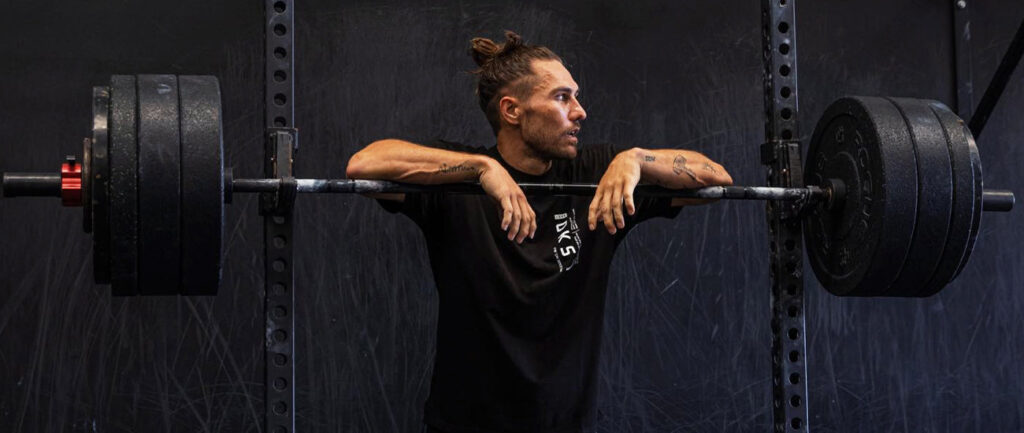


The bench press has long been considered the king of upper body exercises. It builds pressing strength, develops the chest, and serves as one of the most widely recognized measures of gym performance. However, it is not the only movement capable of producing impressive gains in muscle and strength.
The floor press has become increasingly popular among powerlifters, strength coaches, and athletes because it offers many of the same benefits as the bench press while reducing stress on the shoulders and emphasizing lockout strength. For lifters who experience shoulder discomfort, train without a bench, or simply want to add variety to their pressing routine, the floor press presents an intriguing alternative. But can it really replace the bench press? More importantly, can it build stronger and bigger pecs?
The answer is more nuanced than a simple yes or no. Research on muscle activation, biomechanics, and resistance training helps explain where the floor press shines and where it falls short.
What Is the Floor Press?
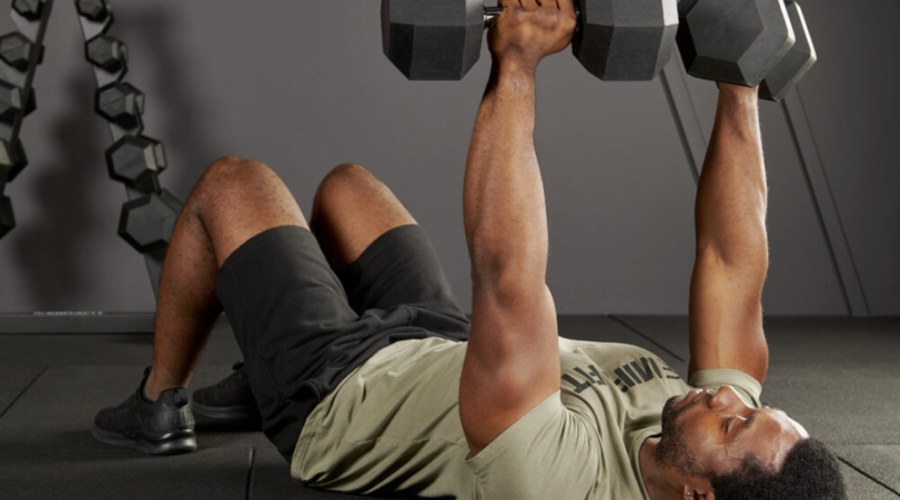
The floor press is a horizontal pressing exercise performed while lying on the floor instead of a bench. It can be done with a barbell or dumbbells.
Unlike the bench press, the floor limits the range of motion. Once the upper arms contact the floor, the movement stops before the elbows travel far below the torso. This shortened range changes how the muscles work throughout the lift.
The movement begins with the weight held over the chest. The elbows lower until they gently touch the floor before pressing the weight back to full elbow extension.
Because the floor removes the deepest portion of the press, there is less shoulder extension and less stretch across the chest muscles.
Why Lifters Use the Floor Press
The floor press has remained popular for decades because it solves several common problems.
- It reduces shoulder stress by limiting excessive shoulder extension.
- It teaches better pressing mechanics by forcing tighter positioning throughout the lift.
- It develops lockout strength because the exercise emphasizes the top half of the press.
- It allows heavy loading with relatively low joint stress.
- It is also extremely practical. Many home gym owners can perform floor presses without needing a dedicated bench.
How the Floor Press Changes the Movement
A Shorter Range of Motion
One of the biggest differences between the bench press and floor press is the reduced range of motion. During a standard bench press, the elbows travel below the torso, creating a substantial stretch across the pectoralis major. This stretched position contributes to muscle tension and may stimulate greater hypertrophy.
How Many Bodyweight Squats Should You Be Able to Do?
With the floor press, that stretch disappears because the floor blocks further descent. Biomechanical research consistently shows that muscle length influences hypertrophy. Exercises that train muscles through longer lengths often produce superior muscle growth compared with shortened movements. This does not mean shortened exercises are ineffective. They simply emphasize different parts of the strength curve.
Less Shoulder Extension
Many shoulder injuries occur when the arm moves into excessive extension under heavy load. The floor naturally limits this position. For athletes with shoulder pain or previous injuries, this reduced range often allows pressing without discomfort.
Research has shown that limiting joint stress while maintaining high muscular loading can allow continued strength development without aggravating irritated tissues.
Does the Floor Press Build Big Pecs?
The Pectoralis Major Still Works Hard
Despite the shorter range, the chest remains one of the primary movers. Electromyography studies comparing horizontal pressing exercises consistently show high activation of the pectoralis major during both barbell and dumbbell pressing variations.
Although the deepest stretch portion is removed, the pecs still generate substantial force throughout the pressing movement. This means the floor press absolutely contributes to chest development.
Range of Motion Matters for Hypertrophy
Where the floor press loses ground is total muscle growth potential. Recent research comparing full and partial range of motion resistance training consistently finds that full range exercises generally produce greater hypertrophy, particularly when muscles are trained in their lengthened position.
For the chest, the bottom portion of the bench press places the pec fibers under significant stretch while producing high mechanical tension. The floor press removes exactly this portion. As a result, the floor press may be slightly less effective as the only chest exercise for maximizing muscle size.

That does not make it ineffective. It simply means it works best alongside full range pressing rather than replacing it entirely.
Strength Benefits of the Floor Press
Excellent for Lockout Strength
Powerlifters frequently use the floor press because it overloads the upper half of the bench press. The shortened movement forces the triceps to contribute heavily during elbow extension.
Since many failed bench presses occur near lockout, improving strength in this range often transfers well to heavier bench pressing. This principle follows the concept of specificity. Strength improvements are greatest when exercises closely resemble the target movement. The floor press shares nearly identical pressing mechanics with the bench press during the upper half of the lift.
Increased Triceps Contribution
The triceps play a larger role because the chest contributes less after the shortened eccentric phase. Electromyography studies consistently demonstrate high triceps activation during horizontal pressing.
Many coaches intentionally program floor presses to strengthen this muscle group while still training the chest. For athletes whose bench stalls because of weak triceps, this can be particularly valuable.
Is It Better for Your Shoulders?
For many lifters, yes. The bottom position of the bench press places considerable stress on the anterior shoulder capsule. If shoulder mobility is limited or technique breaks down, discomfort often develops over time.
Because the floor blocks excessive lowering, shoulder extension decreases significantly. Many lifters with chronic shoulder irritation find they can continue pressing pain free using floor presses. This does not mean everyone should replace bench pressing. Instead, the floor press provides a useful alternative during periods of rehabilitation, high training volume, or joint irritation.
Barbell or Dumbbell Floor Press?
Both variations work well, but each has unique advantages.
Barbell Floor Press
The barbell version allows heavier loading. This makes it ideal for developing maximal strength and improving bench press lockout. Powerlifters frequently use this variation during strength focused training cycles.
Dumbbell Floor Press
Dumbbells increase stability demands while allowing each arm to move independently. They may reduce muscular imbalances and often feel more comfortable on the shoulders because the wrists and elbows can rotate naturally. Research comparing barbells and dumbbells suggests both effectively stimulate muscle growth when training volume and effort are matched. The choice often comes down to personal preference and available equipment.
Who Should Use the Floor Press?
The floor press fits especially well for several groups of lifters.
- Powerlifters benefit from improved lockout strength.
- Athletes gain upper body strength with reduced joint stress.
- Beginners learn pressing mechanics without excessive shoulder strain.
- Older lifters often appreciate the decreased joint stress while maintaining heavy resistance training.
- Home gym users can perform effective pressing sessions without purchasing an adjustable bench.
Who Should Probably Stick With the Bench Press?
If your primary goal is maximizing chest hypertrophy, the traditional bench press still holds an advantage. The larger range of motion creates greater stretch mediated tension, which appears beneficial for muscle growth.
Competitive powerlifters must also spend considerable time practicing the exact movement they compete in. Specificity remains one of the strongest principles in strength training. Likewise, bodybuilders seeking complete chest development should include movements that load the pecs in their lengthened position, including flat bench presses, incline presses, or weighted push ups.
Can the Floor Press Replace the Bench Press?
For some people, absolutely. If shoulder pain prevents traditional bench pressing, the floor press may become the primary horizontal pressing exercise. For home gym users without a bench, it also serves as an excellent main lift.
However, for maximizing chest development, full range bench pressing still appears superior because it loads the pecs through a larger movement arc and greater muscle length. The smartest approach is often combining both exercises. Use the bench press to maximize chest development through full range motion.
Use the floor press to build lockout strength, overload the triceps, reduce shoulder stress, and increase training volume without excessive joint strain. Together, they complement one another remarkably well.
Final Thoughts
The floor press deserves far more attention than it typically receives. It strengthens the chest, builds powerful triceps, improves bench press lockout, and provides a shoulder friendly alternative for many lifters. Scientific evidence supports the effectiveness of horizontal pressing movements for developing upper body strength and muscle, although full range pressing appears to provide an advantage for maximizing chest hypertrophy.
Rather than viewing the floor press as a replacement for the bench press, it is more accurate to think of it as a specialized tool. When used strategically, it can help lifters continue progressing, avoid overuse injuries, and develop a stronger pressing foundation.
For anyone seeking bigger pecs, stronger triceps, healthier shoulders, and a more resilient upper body, the floor press is certainly worth earning a permanent place in the training program.
Key Takeaways
| Topic | Takeaway |
|---|---|
| Primary benefit | Builds pressing strength while reducing shoulder stress |
| Chest development | Highly effective, although full range bench pressing may produce greater hypertrophy |
| Triceps involvement | Greater emphasis on triceps and lockout strength |
| Shoulder health | Reduced shoulder extension often makes it more comfortable for irritated shoulders |
| Best equipment | Both barbells and dumbbells work well depending on goals |
| Best for | Powerlifters, athletes, older lifters, home gym users, and anyone managing shoulder discomfort |
| Limitation | Reduced range of motion limits stretch on the pecs |
| Best strategy | Combine floor presses with traditional bench presses for complete development |
References
- Bloomquist, K., Langberg, H., Karlsen, S., Madsgaard, S., Boesen, M. and Raastad, T., 2013. Effect of range of motion in heavy load squatting on muscle and tendon adaptations. European Journal of Applied Physiology, 113(8), pp.2133 to 2142.
- Gomo, O. and Van Den Tillaar, R., 2016. The effects of grip width on sticking region in bench press. Journal of Sports Sciences, 34(24), pp.2321 to 2328.
- Grgic, J., Schoenfeld, B.J. and Latella, C., 2020. Resistance training through full range of motion versus partial range of motion. Sports Medicine, 50(5), pp.917 to 930.
- Kubo, K., Ikebukuro, T. and Yata, H., 2019. Effects of resistance training with different range of motion on muscle size and strength. Journal of Strength and Conditioning Research, 33(5), pp.1274 to 1281.
- Saeterbakken, A.H., van den Tillaar, R. and Fimland, M.S., 2011. A comparison of muscle activity and strength performance between the bench press and dumbbell bench press. Journal of Strength and Conditioning Research, 25(5), pp.1320 to 1326.
- Schoenfeld, B.J., Ogborn, D. and Krieger, J.W., 2017. Strength and hypertrophy adaptations between low load and high load resistance training. Journal of Strength and Conditioning Research, 31(12), pp.3508 to 3523.
- Schoenfeld, B.J., 2010. The mechanisms of muscle hypertrophy and their application to resistance training. Journal of Strength and Conditioning Research, 24(10), pp.2857 to 2872.
- Wakahara, T., Fukutani, A., Kawakami, Y. and Yanai, T., 2013. Nonuniform muscle hypertrophy following resistance training. Medicine and Science in Sports and Exercise, 45(11), pp.2151 to 2158.