Building a bigger, stronger chest does not take years before you see results. While 30 days is not enough time to completely transform your physique, it is more than enough for beginners to make impressive progress. In fact, people who are new to resistance training often experience some of the fastest improvements in muscle growth and strength because their bodies respond rapidly to a new training stimulus.
The key is following a program that is backed by science instead of chasing random workouts on social media. Exercise selection, training volume, progressive overload, nutrition, recovery, and consistency all work together to produce visible changes.


This guide explains exactly how beginners can maximize chest development over the next 30 days using evidence based principles that have been repeatedly confirmed in scientific research.
What Can You Realistically Achieve in 30 Days?
Many advertisements promise dramatic muscle gains in just a few weeks. The reality is less sensational but still exciting. A beginner can expect noticeable improvements in chest size, strength, muscle definition, and exercise technique within one month. Much of the early increase in strength comes from improved nervous system efficiency. Your brain becomes better at recruiting muscle fibers, allowing you to lift heavier weights before major muscle growth even occurs.
Research has consistently shown that beginners can gain muscle faster than experienced lifters because almost any properly designed resistance program provides a powerful stimulus for adaptation.
How Much Should You Be Able to Bench Press as a Beginner?
Visible changes also depend on your starting body fat percentage. Someone who already has relatively low body fat will notice chest definition much sooner than someone carrying excess body fat, even if both build the same amount of muscle. The goal should not be perfection in 30 days. The goal is creating momentum and building habits that continue producing results long after the first month.
Why Beginners Build Muscle Faster
The Beginner Advantage
One of the biggest advantages beginners have is that they require relatively little training to stimulate muscle growth. A comprehensive review by Brad Schoenfeld and colleagues concluded that resistance training consistently increases muscle size across all experience levels, with beginners often responding particularly well because the training stimulus is completely new.
Beginners also recover more quickly from resistance training than advanced lifters because they typically use lighter absolute loads and generate less overall fatigue.

This means you can train hard enough to stimulate growth while still recovering effectively between workouts.
The Best Chest Exercises for Beginners
The chest consists primarily of the pectoralis major, assisted by the anterior deltoids and triceps during pressing movements. Research examining muscle activation consistently shows that compound pressing exercises provide the greatest overall stimulus for chest development.
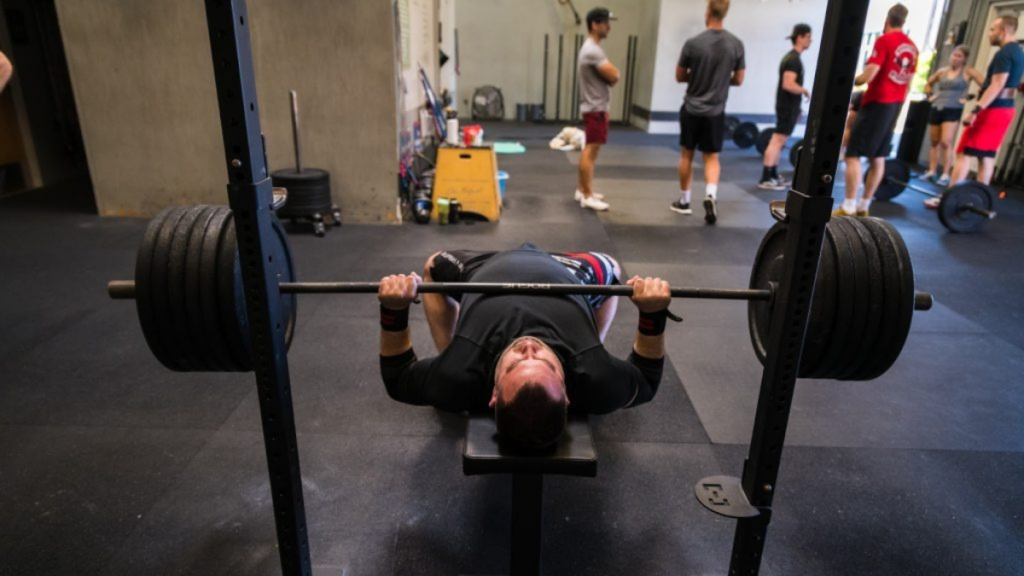
Barbell Bench Press
The flat bench press remains one of the best overall chest builders because it allows heavy loading and progressive overload. Beginners should prioritize learning perfect technique before adding significant weight. Focus on controlled repetitions, a stable shoulder position, and a full range of motion.
Incline Dumbbell Press
The incline press shifts more emphasis toward the upper fibers of the chest while allowing each arm to move independently. Dumbbells also encourage a greater range of motion than barbells and may improve muscular balance.
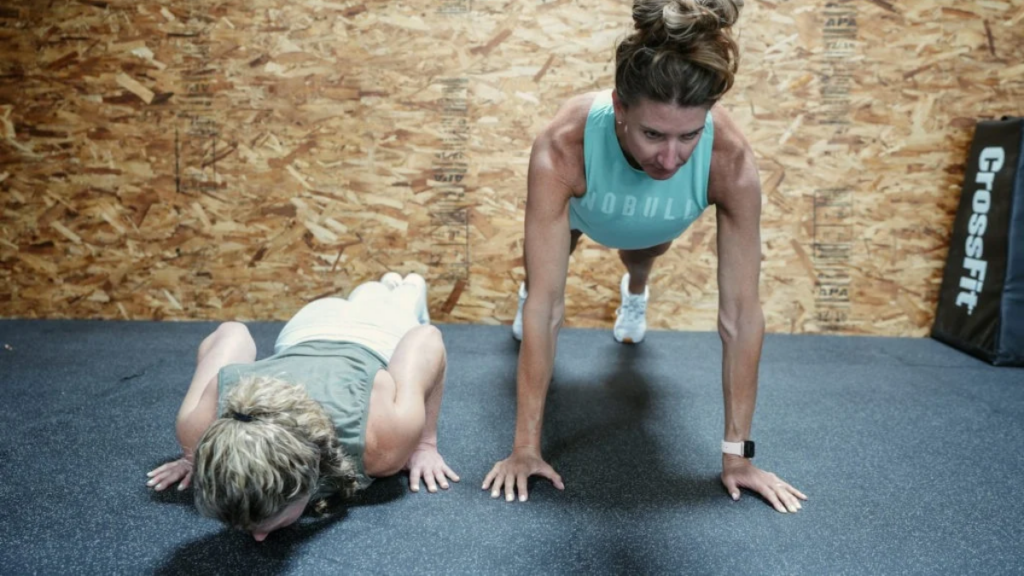
Push Ups
Push ups remain one of the most underrated chest exercises.
Research comparing push ups performed with sufficient resistance to traditional bench pressing found remarkably similar improvements in muscle thickness and strength when effort levels were matched.
For beginners, push ups also improve shoulder stability and core strength.
Machine Chest Press
Machines provide stability, allowing beginners to focus entirely on producing force through the chest without worrying about balance.
They are excellent for safely approaching muscular failure.
Cable Flyes

Flyes place the chest under continuous tension throughout the movement. They should supplement pressing exercises rather than replace them. Moderate weight and slow control are more effective than attempting heavy loads.
The Ideal Weekly Chest Routine
Research suggests that training each muscle group at least twice per week generally produces superior muscle growth compared to training it only once. For beginners, this schedule works extremely well.
Day One
Start with the barbell bench press for four sets of six to eight repetitions. Continue with the incline dumbbell press for three sets of eight to ten repetitions. Finish with push ups for three sets close to muscular failure.
Day Four
Perform the machine chest press for four sets of ten to twelve repetitions. Follow with cable flyes for three sets of twelve to fifteen repetitions. Finish with incline push ups or standard push ups for three additional sets close to failure. This routine provides enough volume to stimulate growth while allowing adequate recovery between sessions.
Progressive Overload Is Everything
Muscles only grow when they are challenged beyond what they have already adapted to. Progressive overload simply means gradually increasing the demands placed on your muscles. That can mean adding weight, performing more repetitions, improving technique, increasing range of motion, or reducing rest periods while maintaining performance.
Research consistently identifies progressive overload as one of the fundamental requirements for long term muscle growth. For beginners, adding five pounds to the bar every week is often realistic during the first month. If additional weight compromises technique, instead aim to perform one or two extra repetitions with the same load before increasing weight.
Train Close to Failure
Many beginners stop their sets far too early. Recent research shows that muscle growth is maximized when sets are performed relatively close to muscular failure, regardless of whether lighter or heavier weights are used.
This does not mean every set should end in complete exhaustion. Instead, finish most working sets with approximately one or two repetitions remaining before failure. This approach produces excellent muscle building results while limiting unnecessary fatigue.

Recovery Is Where Growth Happens
Training breaks muscle tissue down. Recovery rebuilds it stronger. Sleep is one of the most important yet overlooked factors influencing muscle growth. Research has shown that inadequate sleep reduces muscle protein synthesis, impairs recovery, and negatively affects strength performance.
Aim for seven to nine hours of high quality sleep every night. Hydration also matters. Even mild dehydration can reduce exercise performance and training quality. Drink enough fluids throughout the day, especially around workouts.
Your 30 Day Chest Building Plan
Week One
- Learn proper technique.
- Use conservative weights.
- Focus on controlled repetitions and building confidence.
Week Two
- Increase weight slightly where technique remains solid.
- Aim for one additional repetition on most exercises.
Week Three
- Push working sets closer to muscular failure while maintaining excellent form.
- Track every workout.
Week Four
- Attempt another small increase in weight or repetitions.
- Compare photographs, strength numbers, and body measurements with your starting point.
- Most beginners notice stronger pressing performance, fuller chest muscles, and greater confidence by this stage.
The Long Term View
Thirty days is only the beginning. The habits you establish during your first month determine whether you continue building muscle over the next year.
- Focus on improving slightly every workout.
- Lift a little heavier.
- Perform one more repetition.
- Sleep slightly better.
- Eat consistently.
Those small improvements accumulate into dramatic long term changes. An impressively strong and muscular chest is rarely built through one incredible workout. It is built through dozens of good workouts repeated consistently over months and years.
The good news is that beginners often see the fastest improvements during those first 30 days. By following evidence based training, eating enough protein, recovering properly, and progressively challenging your muscles, you can build a noticeably stronger, fuller chest while establishing habits that continue paying dividends long after your first month of training.
Key Takeaways
| Topic | Key Takeaway |
|---|---|
| Training Frequency | Train your chest twice each week for optimal beginner progress. |
| Best Exercises | Prioritize bench press, incline dumbbell press, push ups, machine press, and cable flyes. |
| Progressive Overload | Gradually increase weight or repetitions every week while maintaining excellent technique. |
| Training Intensity | Finish most working sets with one or two repetitions left before failure. |
| Protein Intake | Consume approximately 1.6 grams of protein per kilogram of body weight daily. |
| Recovery | Sleep seven to nine hours each night and stay hydrated. |
| Supplements | Creatine monohydrate and protein powder have the strongest scientific support. |
| Expectations | Expect noticeable improvements in strength, muscle size, and confidence within 30 days if you remain consistent. |
References
- American College of Sports Medicine (2009). Progression models in resistance training for healthy adults. Medicine & Science in Sports & Exercise, 41(3), pp. 687 to 708.
- Grgic, J., Schoenfeld, B.J., Orazem, J. and Sabol, F. (2022). Effects of resistance training performed to repetition failure or non failure on muscular strength and hypertrophy: A systematic review and meta analysis. Journal of Sport and Health Science, 11(2), pp. 202 to 211.
- Morton, R.W., Murphy, K.T., McKellar, S.R., et al. (2018). A systematic review, meta analysis and meta regression of protein supplementation on resistance training induced gains in muscle mass and strength in healthy adults. British Journal of Sports Medicine, 52(6), pp. 376 to 384.
- Schoenfeld, B.J., Ogborn, D. and Krieger, J.W. (2017). Dose response relationship between weekly resistance training volume and increases in muscle mass: A systematic review and meta analysis. Journal of Sports Sciences, 35(11), pp. 1073 to 1082.
- Schoenfeld, B.J., Grgic, J., Ogborn, D. and Krieger, J.W. (2019). Effects of resistance training frequency on measures of muscle hypertrophy: A systematic review and meta analysis. Sports Medicine, 49(6), pp. 863 to 873.
- Schoenfeld, B.J. (2010). The mechanisms of muscle hypertrophy and their application to resistance training. Journal of Strength and Conditioning Research, 24(10), pp. 2857 to 2872.
- Souza, D., Barbalho, M., Vieira, C.A., et al. (2020). Resistance training with push ups versus bench press in untrained young men: Similar effects on muscle hypertrophy and strength. Journal of Exercise Science & Fitness, 18(4), pp. 198 to 204.
- Kreider, R.B., Kalman, D.S., Antonio, J., et al. (2017). International Society of Sports Nutrition position stand: Safety and efficacy of creatine supplementation in exercise, sport, and medicine. Journal of the International Society of Sports Nutrition, 14(18).
- Knowles, O.E., Drinkwater, E.J., Urwin, C.S., Lamon, S. and Aisbett, B. (2018). Inadequate sleep and muscle strength: Implications for resistance training. Sports Medicine, 48(3), pp. 579 to 593.