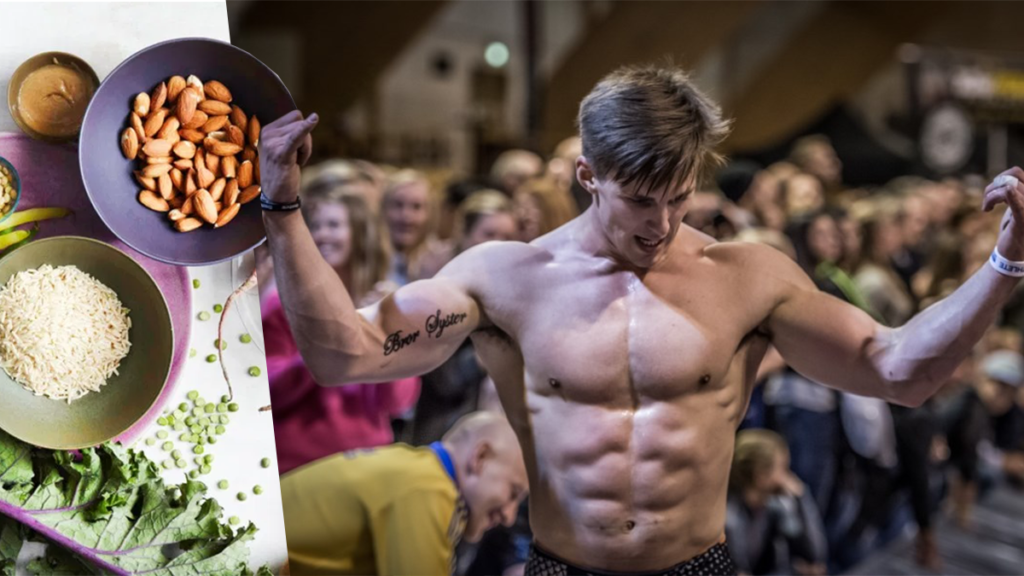


Whether you are vegan or not, these excellent and healthy vegan protein sources will help you to optimise your nutrition. Keep your recovery on point and your performances top notch with these different types of protein.
‘Despite what you might have read or heard, veganism and top athletic performance can definitely go hand in hand.’




You don’t need to take me for my word of it. A simple glance at top vegan athletes will provide confirmation enough!
https://www.instagram.com/p/Bq7kgS_lT1e/
- Bodybuilders Robert Cheeke and Joshua Knox
- MMA champion Mac Danzig
- Powerlifter Melody Schoenfeld
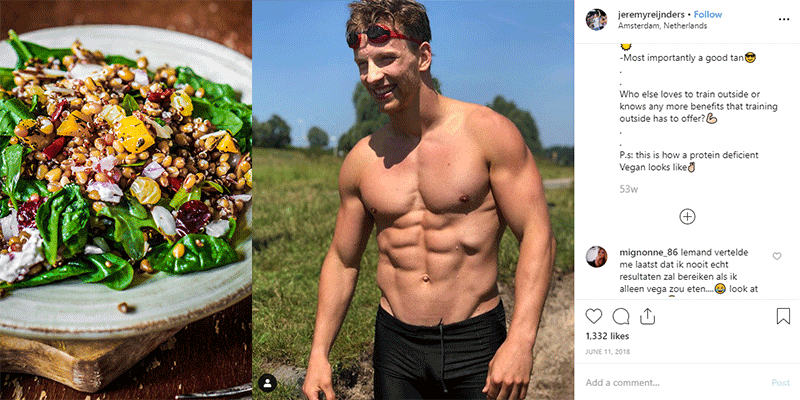
- CrossFit athletes Jeremy Reijnders, Billy Prusinowski and Ed Bauer…
Add these healthy vegan protein sources into your diet…
VEGAN PROTEIN SOURCES – SEITAN
It’s made from gluten, the main protein in wheat. Unlike many soy-based mock meats, it resembles the look and texture of meat when cooked.

Also known as wheat meat or wheat gluten, it contains about 25 grams of protein per 3.5 ounces (100 grams). However, seitan should be avoided by people with celiac disease or gluten sensitivity.
Seitan is also a good source of selenium and contains small amounts of iron, calcium and phosphorus.
TEMPAH
Tempeh originates from soybeans. Tempeh is made by cooking and slightly fermenting mature soybeans prior to pressing them into a patty.
Soybeans are considered a whole source of protein. This means that they provide the body with all the essential amino acids it needs.
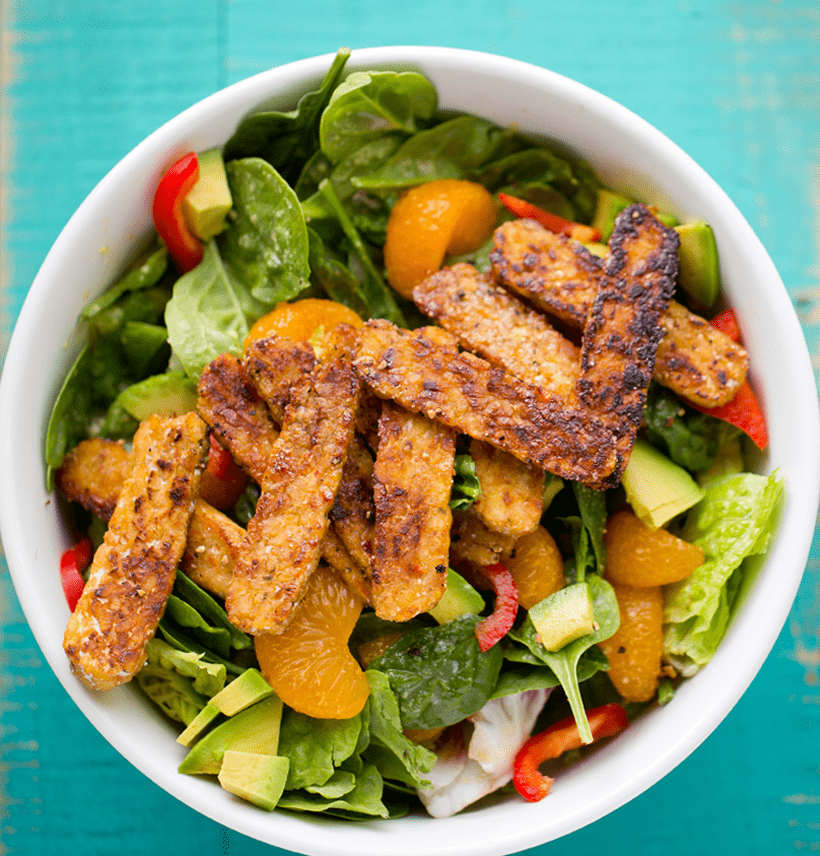
Tempah contains iron, calcium and 10-19 grams of protein per 3.5 ounces (100 grams).
Tempeh contains a good amount of probiotics, B vitamins and minerals such as magnesium and phosphorus.
https://www.instagram.com/p/Bq5NRj7Htno/
EDAMAME
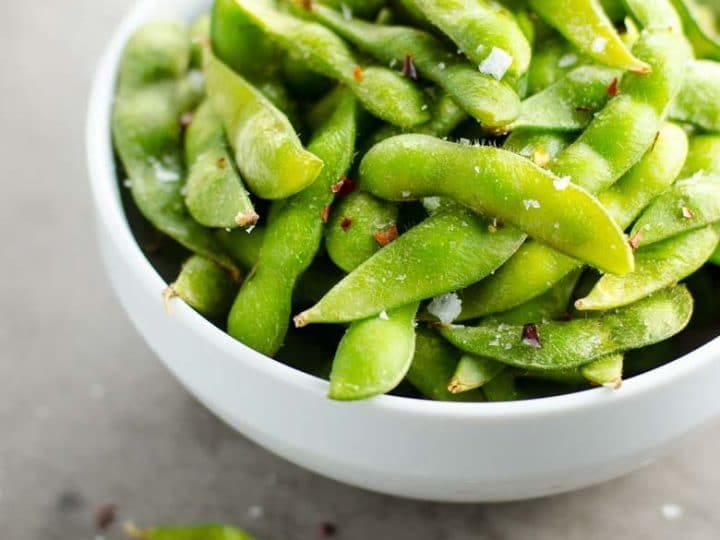
Edamame are immature soybeans with a sweet and slightly grassy taste. They need to be steamed or boiled prior to consumption and can be eaten on their own or added to soups and salads.
A 155-gram (g) cup of frozen, prepared edamame beans contains:
- 188 calories
- 18.46 g of protein
- 8.06 g of fat
- 8.1 g of dietary fiber
- 13.81 g of carbohydrate, including 3.38 g of sugars
- 98 milligrams (mg) of calcium
- 3.52 mg of iron
- 99 mg of magnesium
- 262 mg of phosphorus
- 676 mg of potassium
- 9.5 mg of vitamin C
- 482 mg of folate
- 41.4 mcg DFE of vitamin K
https://www.instagram.com/p/BqkyVMcH8aK/
LENTILS
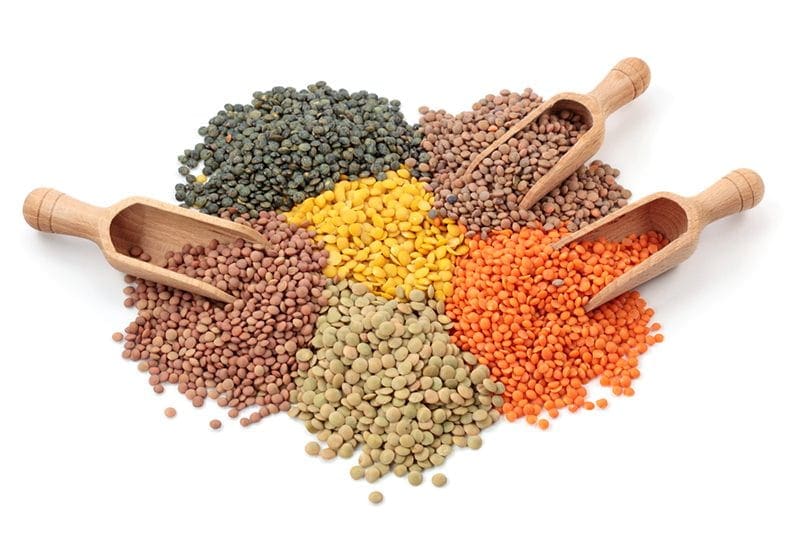
One cup of lentils provides about 18 grams of dietary protein, according to the U.S. Department of Agriculture’s National Nutrient Database.
In addition, lentils are rich in folate, manganese and iron. They also contain a good amount of antioxidants and other health-promoting plant compounds.
Lentils are nutritional powerhouses. They are rich in protein and contain good amounts of other nutrients. They may also help reduce the risk of various diseases.
SOY MILK
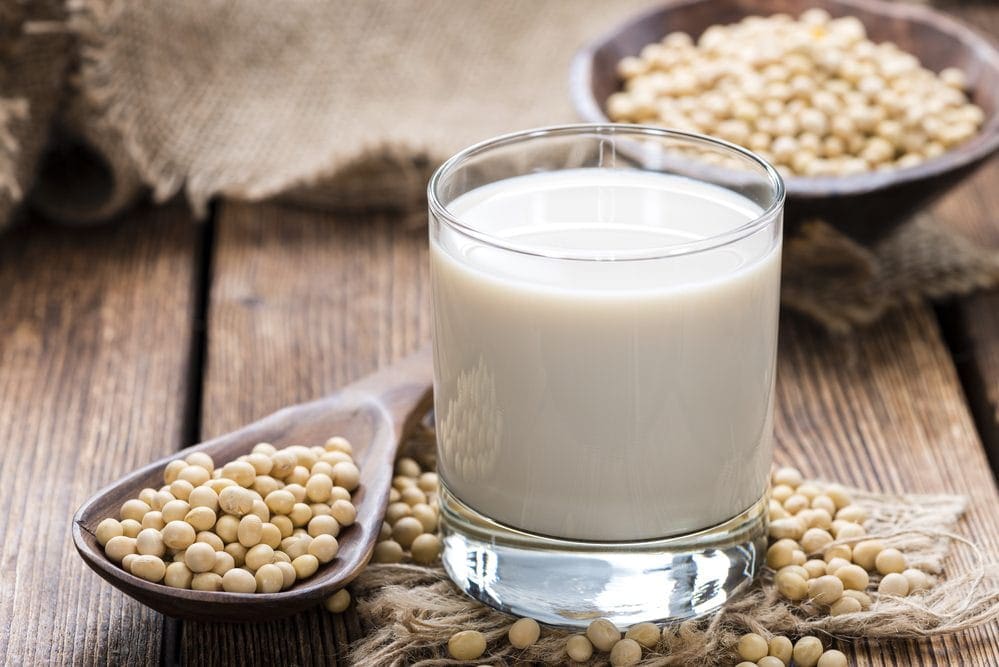
An 8-ounce glass of soy milk supplies anywhere from 7 to 12 grams of protein. Unlike most other plant-based proteins, soy contains all the essential amino acids, making it a complete source of this nutrient — just like meat, fish and dairy.
QUINOA
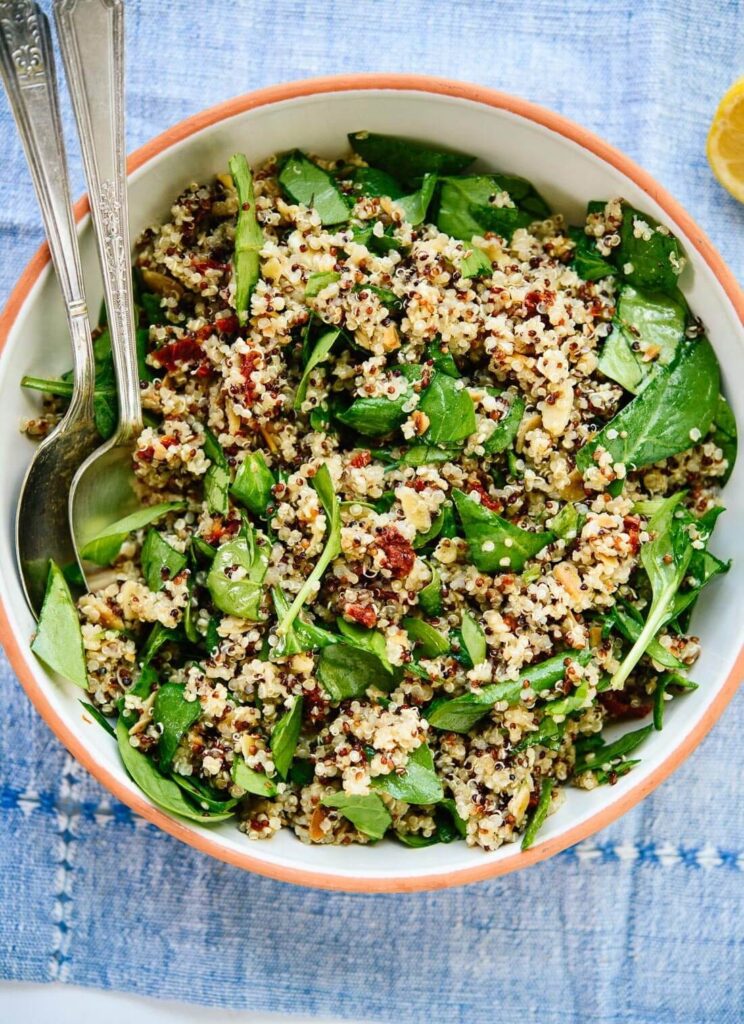
Quinoa’s known for its high protein content, and with good reason. The seed (yes, it’s technically a seed—not a grain) contains eight grams of protein per cup.
KIDNEY BEANS
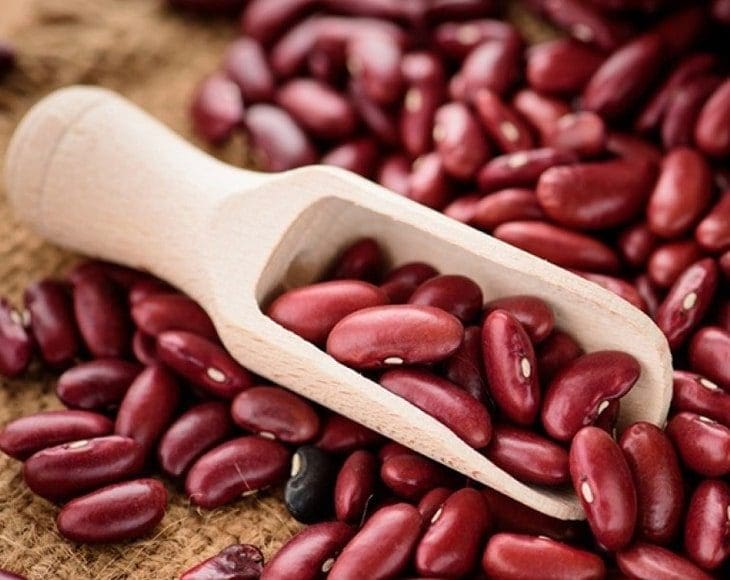
Kidney beans are an excellent source of molybdenum. They are a very good source of folate, dietary fibre and copper. Kidney beans are a good source of manganese, phosphorus, protein, vitamin B1, iron, potassium and magnesium. 100g of kidney beans contains 24g of protein.
VEGAN PROTEIN SOURCES – TOFU
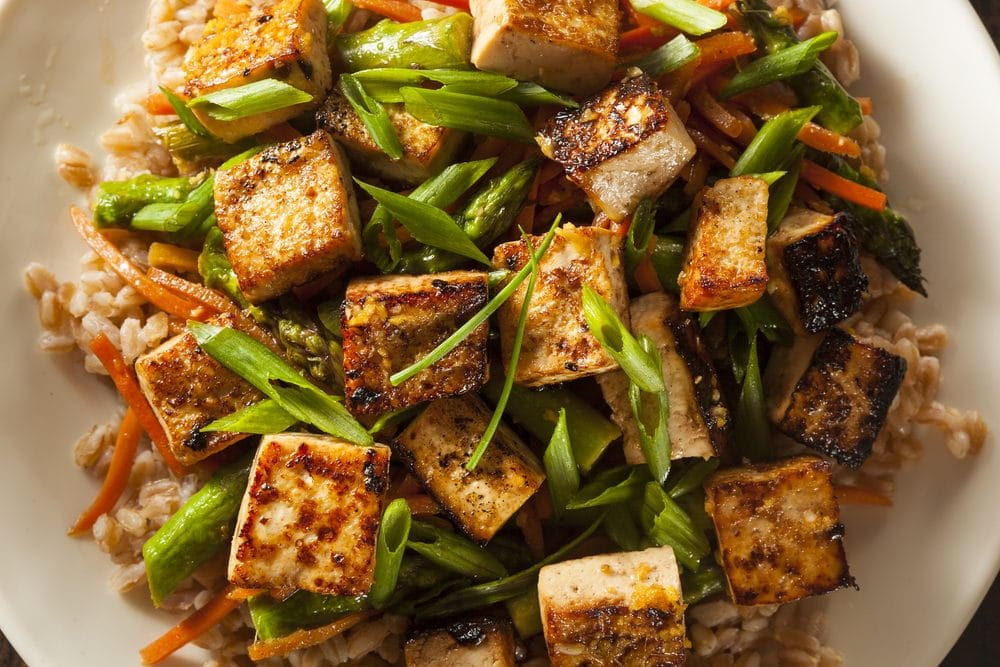
An excellent source of amino acids, iron, calcium and other micro-nutrients, tofu is a versatile ingredient with many health benefits.
Learn more
Learn how to maximise your performance on a vegan diet or what the best vegan or vegetarian protein sources are. Additionally, find out what it’s like to become a vegetarian and how to build muscle on a vegan diet.