

A bigger, more developed chest can make the upper body look stronger, wider, and more athletic. Weighted dips and the bench press are two of the most effective pressing exercises for building it, but they do not challenge the body in exactly the same way.
The bench press is the classic choice for chest size and strength. It is easy to progressively overload, widely available, and highly adaptable through grip width, bench angle, range of motion, and loading. Weighted dips are often viewed as a triceps exercise, but a well performed chest focused dip can place the pectoral muscles under a demanding stretch and allow heavy loading with relatively little equipment.


So, which one builds the better looking chest for men? For most lifters, the bench press is the more reliable primary exercise because it allows precise loading and consistent chest focused training. Weighted dips can be an outstanding secondary movement for lifters with healthy shoulders, strong technique, and enough mobility to perform them deeply and safely. The best choice depends on your structure, training experience, goals, and ability to train hard without pain.
What Creates a Better Looking Chest?
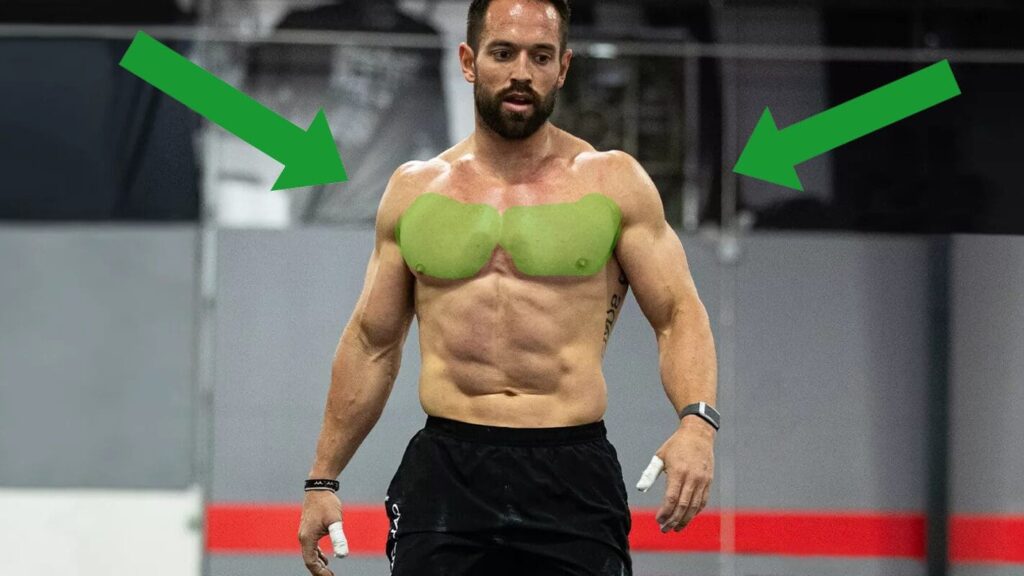
Aesthetic chest development is not only about making the pectoralis major bigger. It is also about developing enough muscle across the chest to create thickness, shape, and balance with the shoulders, arms, and upper back.
The pectoralis major has a large surface area and includes fibers that run in different directions. Its major functions include bringing the upper arm toward the body, moving it across the chest, and assisting with shoulder flexion or extension depending on arm position. Exercises that challenge the chest through a long range of motion and allow progressive overload can stimulate hypertrophy effectively.
Muscle growth is driven mainly by sufficient mechanical tension, enough challenging training volume, proximity to muscular failure, and progressive overload over time. A wide range of loads can build muscle when sets are performed hard enough, although heavier loads are generally more efficient for developing maximum strength. This means neither weighted dips nor bench press are magically superior simply because they are difficult. The best movement is the one that lets you consistently train the chest hard, add load or repetitions over time, and recover well.
For most men, a better looking chest also requires enough total training volume. Research suggests that multiple hard weekly sets for a muscle group are generally more effective for hypertrophy than very low volumes, although the ideal number varies between individuals. Your nutrition, sleep, exercise selection, and technique all affect whether that work is directed toward your chest rather than your shoulders or triceps.
How the Bench Press Builds the Chest
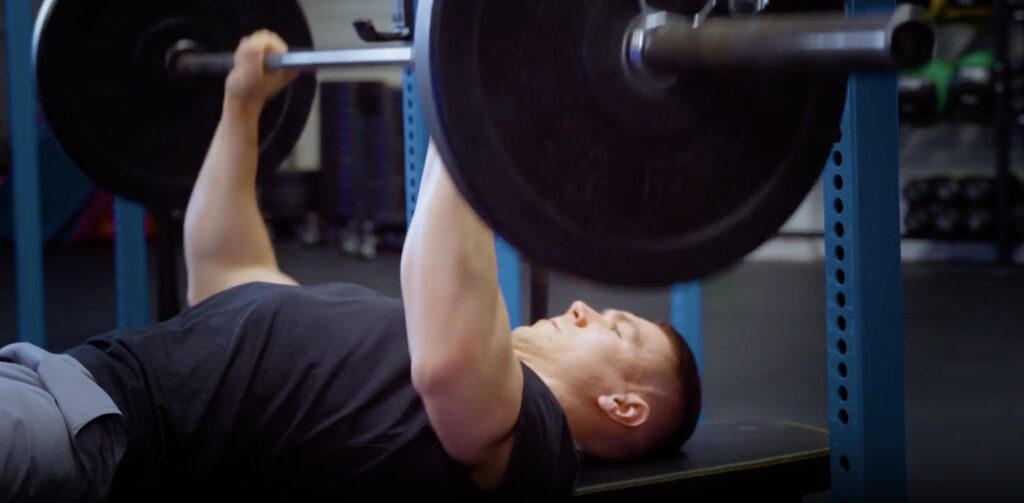
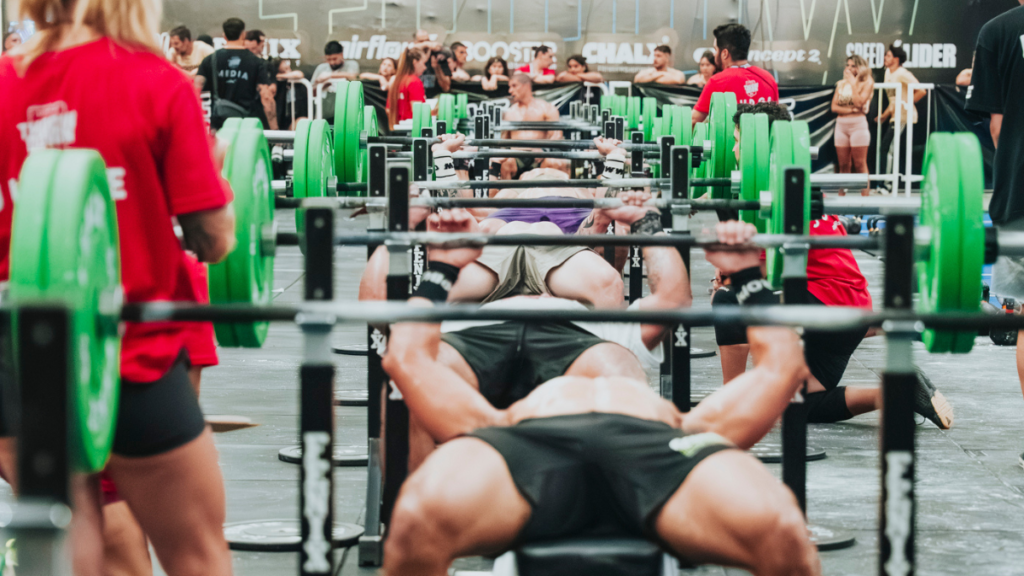
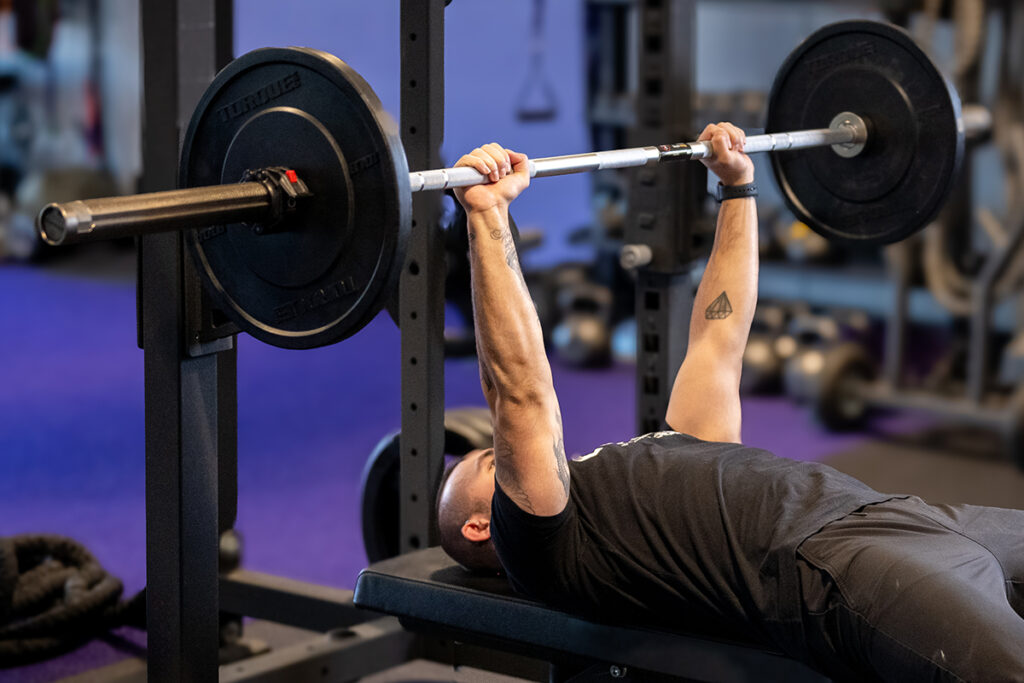
The barbell bench press is one of the most practical exercises for building chest mass because it is stable, measurable, and easy to progressively overload. You can add small amounts of weight over time, use a predictable range of motion, and safely work close to failure with a spotter or safety arms.
The Chest Focused Movement Pattern
During a bench press, the pectoralis major works alongside the triceps and anterior deltoids to press the bar away from the chest. A moderate grip width and controlled bar path can help most lifters train the chest effectively while maintaining a strong and stable position.
The chest contributes substantially when the upper arm moves from a position out to the side and below the torso toward the midline. Lowering the bar under control also creates a loaded stretch across the chest. Training at longer muscle lengths can be useful for hypertrophy, although the total quality of the exercise, training volume, and individual comfort still matter more than chasing any single sensation.
A flat bench press is especially useful for developing overall chest thickness. It does not isolate the chest, and it does not need to. Compound pressing allows lifters to use meaningful loads, creating high levels of mechanical tension across the pecs, shoulders, and triceps.
Why It Is Easy to Progress
Progressive overload is one of the bench press’s greatest advantages. If you can complete three sets of eight repetitions with a certain load, you can aim for more repetitions before increasing the weight. You can also make smaller load jumps than with bodyweight exercises, which is valuable once you become stronger.
The exercise is also highly scalable. Beginners can start with a light barbell, dumbbells, a machine chest press, or push ups before progressing to heavier bench press work. Advanced lifters can use pauses, longer ranges of motion, different rep targets, and more demanding variations to keep progressing.
Research comparing resistance training exercises indicates that several movements can produce similar hypertrophy when volume and effort are appropriately matched. This supports using the bench press as a dependable chest builder rather than assuming a more complex exercise is automatically better.
Bench Press Limitations
The bench press can become too triceps or shoulder dominant if technique is poor. An excessively narrow grip, very tucked elbows, a short range of motion, or bouncing the bar off the chest can reduce the quality of chest stimulus.
Some lifters also experience shoulder discomfort, particularly when they use a grip that is too wide, allow the shoulders to roll forward at the bottom, or increase training loads faster than their tissues can tolerate. Good setup matters. Keep the upper back tight, maintain contact between the shoulders and bench, use a controlled descent, and choose a grip width that feels strong and comfortable.
The bench press also does not train the chest in the same way as an exercise involving a deep shoulder extension position. That is where weighted dips may offer a useful complementary challenge.
How Weighted Dips Build the Chest
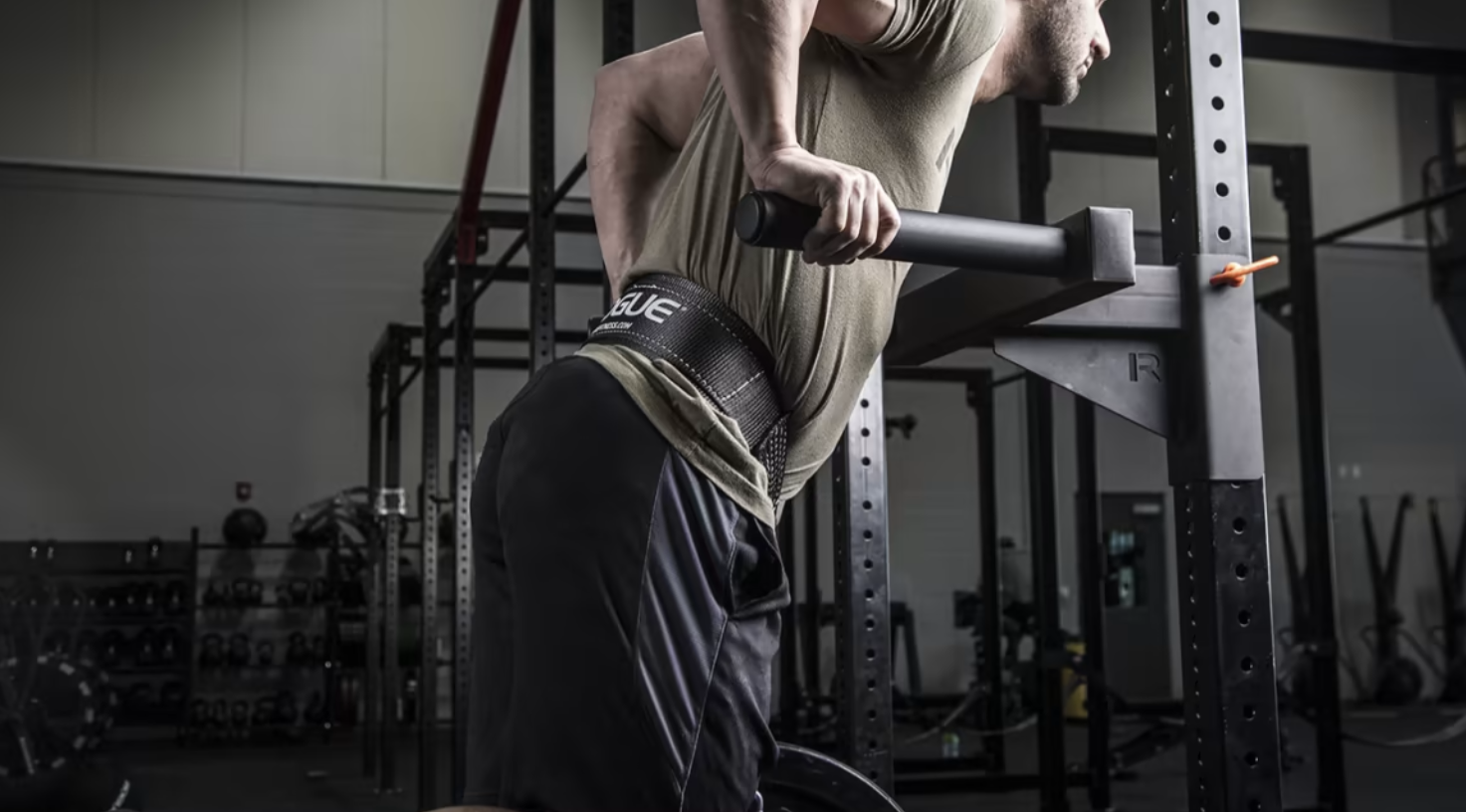
Weighted dips involve supporting and lowering your body between parallel bars before pressing back to the starting position. Adding weight with a belt, vest, or dumbbell can make them a powerful strength and muscle building exercise.
Dips are often described as a triceps movement, but body position changes the emphasis. A more upright torso usually increases the contribution from the triceps. A slight forward lean, with the elbows moving out naturally and the chest staying open, generally makes the movement feel more chest focused.
The Deep Stretch Advantage
At the bottom of a dip, the shoulder moves into extension behind the body. This can place the chest under a deep stretch, particularly when the torso leans slightly forward. The pectoralis major contributes strongly to shoulder movement and pressing from this position.
For some lifters, this range of motion produces an intense chest stimulus that is difficult to replicate with a standard flat bench press. The exercise can also create a strong sense of loading through the lower and outer region of the chest, although muscles do not develop in perfectly isolated visual sections. How the chest looks is influenced by total pectoral size, body fat levels, skeletal structure, and genetics.
Exercises that train a muscle in a lengthened position can support hypertrophy, but depth must be earned. A deeper range is only useful if you can control it without pain, shoulder instability, or loss of position. Forcing your body into an extreme bottom position is not a requirement for chest growth.
Why Dips Can Be Highly Effective
Once bodyweight dips become easy, adding external load can create an excellent hypertrophy stimulus. The movement requires substantial effort from the chest, triceps, shoulders, and upper body stabilizers. It is also time efficient because it trains several upper body pushing muscles at once.
Weighted dips can be especially valuable for intermediate and advanced lifters who need a demanding compound movement beyond basic pressing. They can also suit home gym training because parallel dip bars and a loading belt take up far less space than a bench press setup.
Research shows that bodyweight pushing movements can build chest muscle when they provide sufficient resistance and are performed with adequate effort. As with any hypertrophy exercise, the key is making the working sets challenging enough and progressing them over time.
Weighted Dip Limitations
Weighted dips are not suitable for everyone. They require enough shoulder mobility, scapular control, and pressing strength to support bodyweight safely. For a heavier beginner, the exercise can be too demanding before any external load is added.
The deep bottom position can also irritate the front of the shoulder or sternum in some people. This does not mean dips are inherently bad. It means they are less forgiving than many bench press variations, especially when lifters descend too far, lose upper back tension, or add weight before mastering bodyweight repetitions.
If you feel sharp pain, pinching, instability, or persistent joint discomfort during dips, do not push through it. Reduce the range of motion, use assisted dips, switch to a chest press variation, or seek advice from a qualified health professional if symptoms persist.
Weighted Dips vs Bench Press for Chest Hypertrophy
There is no strong direct evidence showing that weighted dips consistently build more chest muscle than the bench press, or that the bench press consistently produces better chest aesthetics than weighted dips. Both exercises can be effective because both involve high effort pressing through a meaningful range of motion.
The important difference is practical. The bench press is easier for most men to learn, load, track, and adapt. Weighted dips can provide a very potent chest stimulus, but only when the lifter can perform them with good control and no joint irritation.
Which Exercise Is Better for Beginners?
The bench press is usually the better choice for beginners. It can be loaded lightly, the range of motion is easier to control, and the exercise can be adjusted more gradually. A novice can make progress with a manageable barbell, dumbbells, or a chest press machine.
Dips demand that you can move your full bodyweight before you can even begin adding external resistance. This can make them difficult for larger beginners and impossible for some people who have not yet developed enough pressing strength.
A beginner who wants a better chest should first build consistent pressing technique, train the chest two or more times per week if recovery allows, and gradually add repetitions or load. Bench press variations, push ups, and machine chest presses can all play a useful role.
Which Exercise Is Better for Advanced Lifters?
For advanced lifters, weighted dips can become a highly productive accessory or secondary compound movement. They offer a different loading pattern from the bench press and can help increase weekly chest training volume without relying entirely on more barbell benching.
However, the bench press remains valuable because it allows precise long term progression. Advanced lifters often benefit from using both exercises across the week. For example, one session can prioritize heavier bench press work, while another includes weighted dips in a moderate repetition range.
This approach can provide variety while keeping the main goal clear: accumulate high quality chest focused sets that can be progressed over time.
Technique Tips for More Chest From Each Exercise
Bench Press Technique
Set your upper back firmly against the bench and keep your feet planted on the floor. Grip the bar with a width that allows your forearms to remain close to vertical near the bottom of the repetition. Lower the bar under control toward the lower to middle chest area, then press it upward while keeping your shoulders stable.
Do not chase an exaggerated arch or use a range of motion that does not suit your body. The goal for chest hypertrophy is repeatable, controlled repetitions that challenge the pecs. Use a load you can control, pause briefly if necessary, and avoid turning every set into a test of ego.
Weighted Dip Technique
Begin with bodyweight repetitions. Start at the top with your arms straight but not aggressively locked out. Keep the chest lifted and lean slightly forward if your goal is to emphasize the chest. Lower yourself smoothly while keeping the shoulders controlled and the elbows moving naturally.

Descend only as far as you can without discomfort or loss of control. Then press back to the top by driving through the hands and keeping the torso position stable. Once you can perform several clean sets at bodyweight, add load gradually.
A lifting belt with a plate is usually the most practical loading option. Small increases matter. Adding only a few kilograms can substantially change the difficulty of a dip.
The Best Programming Approach
For chest hypertrophy, aim to build your training around movements you can perform consistently and progressively. Most men will do well with a mixture of compound pressing and chest isolation work across the week.
The bench press works well as the main heavy movement. Weighted dips work well as a secondary compound movement if your shoulders tolerate them. Chest fly variations, push ups, or machine presses can then add volume without requiring maximal loading.
Hammer Curls vs Preacher Curls: Which Builds Wider Biceps?
A practical chest focused session could begin with three to five hard sets of bench press in a moderate repetition range. You could then perform two to four sets of weighted dips, followed by a chest fly or cable press variation. The exact amount of work should reflect your experience, recovery, other training, and ability to maintain performance.
Training close to failure can help ensure that lighter and moderate loads provide a strong hypertrophy stimulus. You do not need to fail every set. Leaving roughly one to three repetitions in reserve is often enough to train hard while preserving technique and recovery.
The Verdict
The bench press is the better all around chest builder for most men because it is stable, scalable, and easy to progressively overload. It provides a reliable way to build chest thickness and strength over months and years of training.
Weighted dips can be exceptional for chest development, particularly for experienced lifters who can use a deep but pain free range of motion. They may create a strong chest stimulus through their demanding stretch and ability to handle added load, but they are less beginner friendly and less forgiving when mobility or technique is limited.
If you can only choose one exercise, choose the bench press. If you already bench press well and your shoulders feel good during dips, use weighted dips as an additional tool. The best looking chest will come from years of progressive training, sufficient food and protein, effective recovery, and consistent hard sets rather than loyalty to one movement.
Key Takeaways
| Exercise | Best Use | Main Advantage | Main Consideration |
|---|---|---|---|
| Barbell bench press | Primary chest strength and size exercise | Easy to load, measure, and progressively overload | Requires sound setup and shoulder control |
| Weighted dips | Secondary chest and triceps compound exercise | Deep chest stretch and high loading potential | Not ideal for everyone’s shoulders or mobility |
| Beginner choice | Bench press and simpler pressing variations | More scalable and easier to learn | Start with loads you can control |
| Advanced choice | Use both movements if tolerated | Adds variety and productive weekly chest volume | Manage fatigue and joint comfort |
| Best hypertrophy strategy | Progressive weekly chest training | Consistent hard sets drive muscle growth | Exercise selection should remain pain free |
References
- American College of Sports Medicine (2009) ‘American College of Sports Medicine position stand: Progression models in resistance training for healthy adults’, Medicine and Science in Sports and Exercise, 41(3), pp. 687–708.
- Barbalho, M., Coswig, V.S., Steele, J., Fisher, J.P., Giessing, J. and Gentil, P. (2019) ‘Evidence for an upper threshold for resistance training volume in trained women’, Medicine and Science in Sports and Exercise, 51(3), pp. 515–522.
- Grgic, J., Schoenfeld, B.J., Davies, T.B., Lazinica, B., Krieger, J.W. and Pedisic, Z. (2018) ‘Effect of resistance training frequency on gains in muscular strength: A systematic review and meta analysis’, Sports Medicine, 48(5), pp. 1207–1220.
- Krieger, J.W. (2010) ‘Single versus multiple sets of resistance exercise for muscle hypertrophy: A meta analysis’, Journal of Strength and Conditioning Research, 24(4), pp. 1150–1159.
- Lasevicius, T., Schoenfeld, B.J., Silva Batista, C., Barros, T.S., Aihara, A.Y., Cardoso, F.N., Tricoli, V. and Teixeira, E.L. (2018) ‘Muscle failure promotes greater muscle hypertrophy in low load but not in high load resistance training’, Journal of Strength and Conditioning Research, 36(2), pp. 346–351.
- Morton, R.W., Oikawa, S.Y., Wavell, C.G., Mazara, N., McGlory, C., Quadrilatero, J., Baechler, B.L., Baker, S.K. and Phillips, S.M. (2016) ‘Neither load nor systemic hormones determine resistance training mediated hypertrophy or strength gains in resistance trained young men’, Journal of Applied Physiology, 121(1), pp. 129–138.
- Schoenfeld, B.J., Grgic, J., Ogborn, D. and Krieger, J.W. (2017) ‘Strength and hypertrophy adaptations between low versus high load resistance training: A systematic review and meta analysis’, Journal of Strength and Conditioning Research, 31(12), pp. 3508–3523.
- Schoenfeld, B.J., Ogborn, D. and Krieger, J.W. (2017) ‘Dose response relationship between weekly resistance training volume and increases in muscle mass: A systematic review and meta analysis’, Journal of Sports Sciences, 35(11), pp. 1073–1082.
- Schoenfeld, B.J., Grgic, J., Van Every, D.W. and Plotkin, D.L. (2021) ‘Loading recommendations for muscle strength, hypertrophy, and local endurance: A re examination of the repetition continuum’, Sports, 9(2), 32.
- Wolf, M., Kornecki, S., Rimaud, D. and Schmid, S. (2023) ‘The effects of resistance training performed at different muscle lengths on muscle hypertrophy: A systematic review and meta analysis’, Sports Medicine, 53(6), pp. 1263–1281.