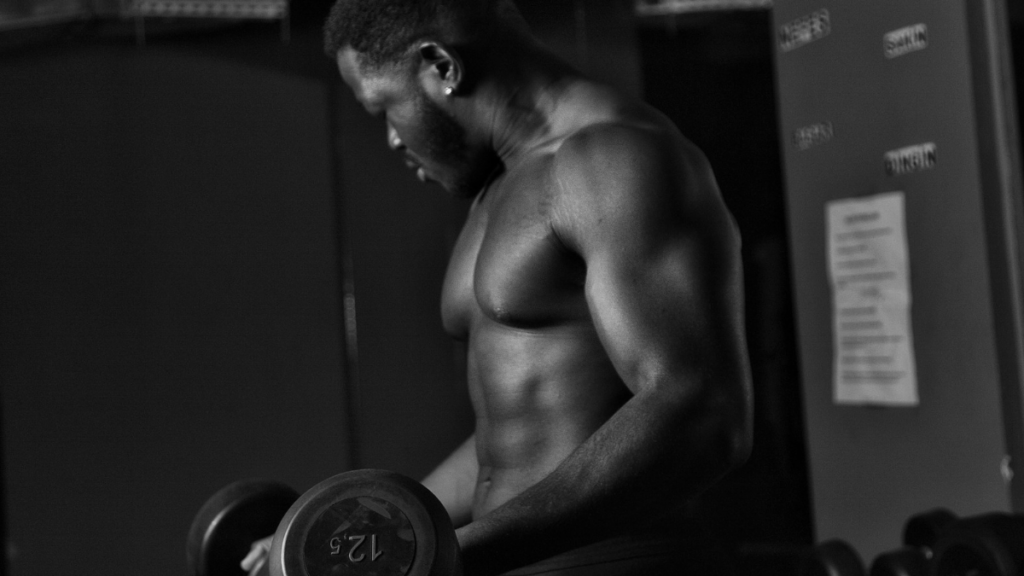


A muscular V shaped torso is built through proportion. Broad shoulders, a developed upper chest, a strong back, and a relatively narrow waist create the visual effect most people are chasing. The bench press cannot build every part of that shape by itself, but choosing the right variation can make a meaningful difference to the size and balance of your chest, shoulders, and triceps.
The short answer is that the flat barbell bench press is the best all around choice for building chest mass, while a low incline bench press is the most useful variation for emphasizing the upper chest. For the most complete result, use both. A well programmed flat bench press gives you a strong foundation of pressing strength and chest development, while a low incline press helps fill out the area below the collarbones and makes the torso look more powerful from the front.


The key is not to chase one magical angle or copy the setup of a competitive powerlifter. The best bench press is the one you can perform through a controlled range of motion, progress over time, and recover from while also training your back, shoulders, and legs.
What Actually Creates a V Shaped Torso?
Your chest matters, but it is only one piece of the picture. A V shaped torso is largely created by the relationship between the width of your upper body and the width of your waist. Building the latissimus dorsi, lateral deltoids, upper chest, and upper back can all make the shoulders and torso appear wider. Keeping body fat at a level that allows your waistline to remain visible can make that contrast stronger.
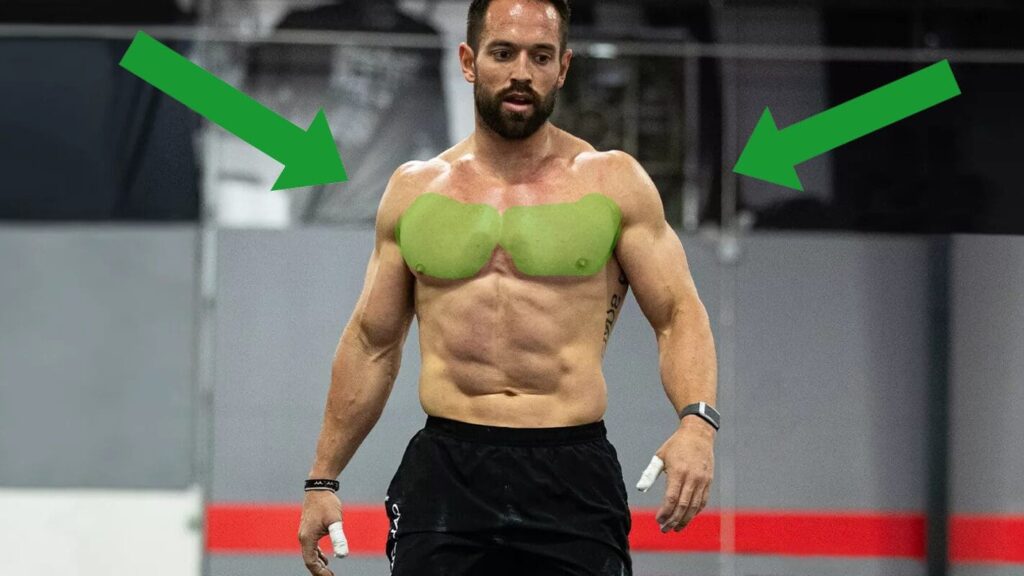
Bench pressing directly trains the pectoralis major, triceps brachii, and anterior deltoids. The pectoralis major is the large chest muscle responsible for bringing the upper arm toward the center of the body. Its upper fibers attach near the collarbone, while its larger lower and middle portions attach across the sternum and ribs. Different pressing angles can alter how hard these areas work, although no variation can completely isolate one tiny section of the chest.
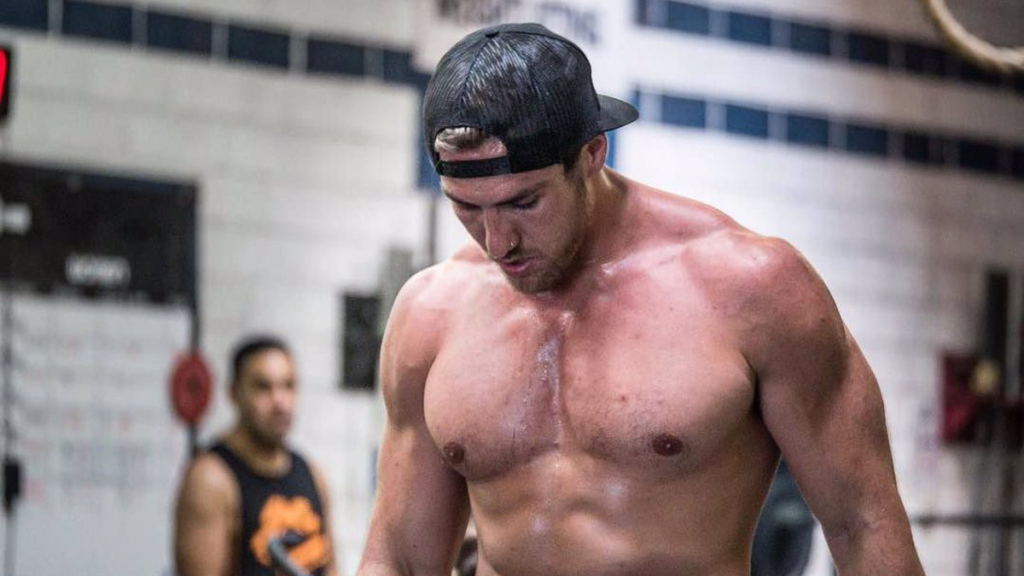
For appearance, a chest that is developed from the lower sternum to the collarbone usually looks fuller and more athletic than a chest trained with only one pressing pattern. This is why the flat bench and incline bench are better viewed as complementary tools rather than competitors.
The Best Overall Choice: Flat Barbell Bench Press
The flat barbell bench press is the best single bench press variation for overall chest size. It allows most lifters to use relatively heavy loads, train both the middle and lower portions of the chest effectively, and build pressing strength that carries over to other upper body exercises.
Research comparing bench angles has found that a horizontal bench press produces strong activation of both the upper and lower portions of the pectoralis major. It also trains the triceps and front deltoids hard. That makes it an efficient exercise for anyone who wants to add substantial muscle to the torso without turning every session into a long list of isolation exercises.
The main advantage of a barbell is stability. Because both hands are connected to one bar, you can usually handle more load than with dumbbells. More load is not automatically better, but it can make progressive overload easier. Progressive overload means gradually increasing the training challenge through more weight, more repetitions, more sets, or better control with the same load. This is one of the central principles behind muscle growth.
Use a grip that allows your forearms to stay close to vertical near the bottom of the repetition. For many lifters, this means a grip that is slightly wider than shoulder width. A very wide grip can shorten the range of motion and place more stress on the shoulder in some people. A very narrow grip usually shifts more of the work toward the triceps. There is no need to chase an extreme position when a moderate grip gives you a stable, comfortable press.
Best 3 Upper Body Barbell Exercises for Beginners to Get Jacked
Lower the bar under control to the lower chest or mid chest, depending on your arm length and shoulder comfort. Keep your shoulder blades pulled back and down against the bench, keep your feet firmly planted, and press the bar up with a consistent path. The goal is not to turn every set into a maximal powerlifting lift. The goal is to make the chest do hard, repeatable work.
Why Flat Bench Press Builds Useful Mass
A flat bench press gives the pectoralis major a large range of motion and lets you train it with meaningful loading. Full range resistance training generally produces better strength results than partial range training, and it is a sensible default for lifters focused on balanced muscle development.
This does not mean every repetition must be forced painfully deep. Your individual shoulder structure, mobility, grip, and training history matter. The bar should reach a depth that allows a stretch in the chest while keeping the movement controlled and pain free. If your shoulders consistently hurt, adjust your grip, reduce the load, improve your setup, or choose dumbbells or a machine temporarily.
The Best Variation for Upper Chest: Low Incline Bench Press
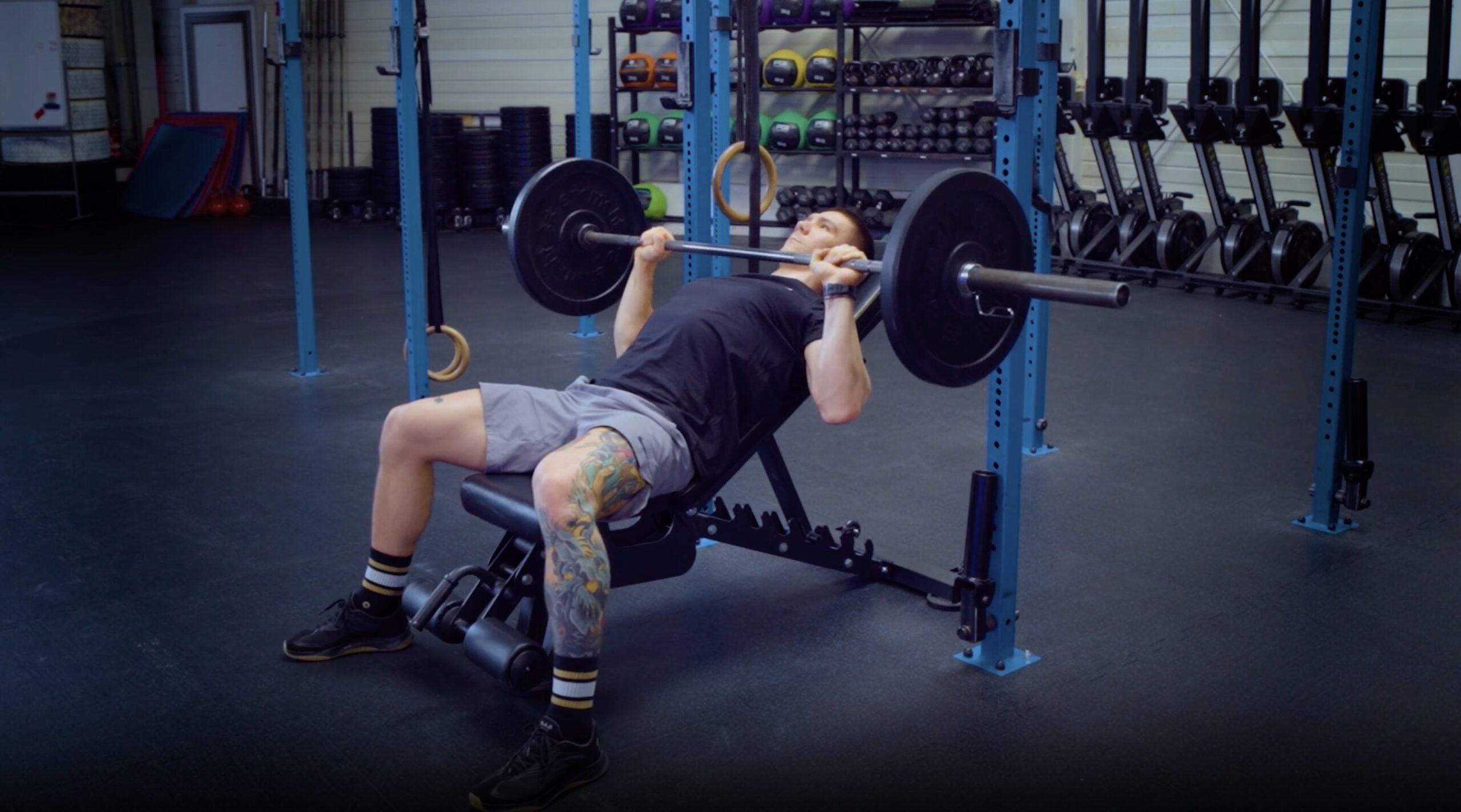
If your aim is a more impressive V shaped torso, add a low incline bench press. A bench angle of roughly 15 to 30 degrees is usually the sweet spot. It changes the pressing line so that the upper fibers of the pectoralis major work more directly while still allowing the chest to do most of the work.
An incline that is too steep can turn the movement into more of a shoulder press. The front deltoids become increasingly involved as the bench rises. That can be useful if your shoulders need more size, but it is not ideal when the aim is to prioritize chest development. A low incline tends to provide a better balance between upper chest emphasis and manageable shoulder involvement.
Studies using muscle activity measurements suggest that both flat and incline pressing can train the chest effectively. The flat bench remains an excellent choice for broad chest development, while moderate incline angles can create higher upper chest activity during parts of the press. Muscle activity is not a perfect measure of long term hypertrophy, but it helps explain why many successful physique athletes use both movements.
A developed upper chest helps connect the chest visually to the shoulders and collarbones. This can make the torso look more filled out when wearing a shirt and more balanced when lean. It is particularly valuable for lifters whose chest looks flat near the collarbone despite regular pressing.
Barbell or Dumbbell Incline Bench Press?
Both are effective. Choose the barbell incline bench press if you want a simple lift that is easy to load progressively. Choose dumbbells if they feel better on your shoulders, allow a deeper comfortable stretch, or help you keep both sides of the body working evenly.
Dumbbells demand more stability and can expose differences between your left and right side. They also allow the hands to follow a more natural path. However, they are harder to set up with heavy loads and can become awkward when pushing close to muscular failure. The best option is usually the one you can perform consistently with good technique.
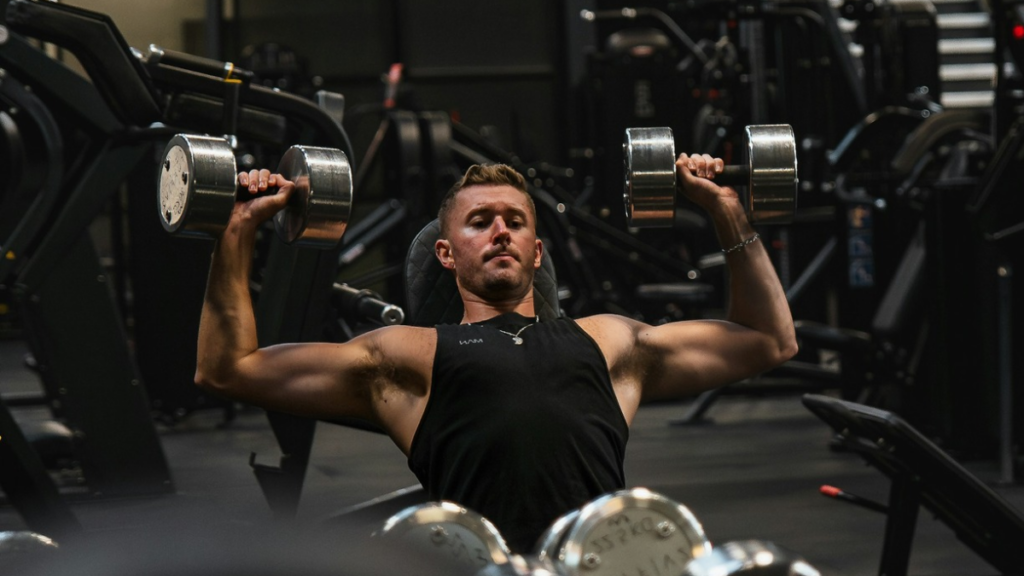
For many lifters, flat barbell bench press followed by incline dumbbell bench press is an excellent combination. The barbell provides a strong, measurable foundation, while the dumbbells add a second angle and a different feel without requiring another maximal loading exercise.
What About Decline Bench Press?
The decline bench press can train the chest effectively, and it may feel more comfortable than flat pressing for some lifters. The decline angle can reduce the shoulder demand and allow substantial loading. However, it is not the best primary choice for most people building a V shaped torso.
The decline position tends to emphasize the lower chest more than the upper chest. The lower chest is important, but it contributes less to the broad, high chest appearance that supports the V shaped look. If you already have a strong chest foundation and enjoy decline pressing, it can be included as an occasional variation. It is simply less essential than flat and low incline work.
Dips can play a similar role. They can be productive for chest and triceps growth when performed with a slight forward torso lean and a comfortable depth. They are not required, though, and they may irritate the shoulders of some lifters. Never treat discomfort as proof that an exercise is working.
How to Program Bench Press for Muscle Growth
The best bench press variation will not deliver much if it is performed inconsistently or with poor effort. Muscle growth is supported by sufficient weekly training volume, hard sets performed with good technique, and steady progression over time.
For most lifters, begin with two chest focused sessions each week. On one day, make the flat barbell bench press your main lift. On the other day, make the low incline bench press your main chest movement. This gives the chest repeated high quality work without cramming all pressing into one exhausting workout.
Use a mix of moderate and higher repetitions. Sets of approximately six to 10 repetitions work well for a primary barbell bench press because they allow challenging loading while leaving room for consistent technique. Sets of eight to 15 repetitions often work well for incline dumbbell pressing or machine pressing. Research indicates that a broad range of loads can build muscle when sets are performed with sufficient effort.
You do not need to take every set to complete failure. Stop with roughly one to three repetitions left before failure on most working sets. This is hard enough to create a meaningful training stimulus while helping you maintain clean form and manage fatigue. On safer exercises, such as a chest press machine or cable fly, you can occasionally train closer to failure.
A practical chest focused session could start with three or four challenging sets of flat barbell bench press. Follow that with three sets of low incline dumbbell bench press, then use a chest fly or machine press for two or three controlled sets. The exact number of sets should fit your recovery, training experience, and the rest of your program.
Bench Press Alone Will Not Build the Full Look
A bench press focused program can make your chest larger, but it will not create the full V shaped silhouette on its own. You need direct pulling work for the lats and upper back, overhead or lateral raise work for shoulder width, and training that develops the whole body.
Include vertical pulling movements such as pull ups or pulldowns to build lat width. Add rows to develop the upper back and help balance pressing volume. Train the lateral deltoids with lateral raises because they contribute substantially to visible shoulder width. These muscles frame the chest and make a well developed upper body appear broader.
Keep your pressing and pulling volume balanced. Heavy pressing without enough rowing and pulling can leave the shoulders feeling beat up and can limit posture and performance. A stronger upper back also gives you a more stable base from which to bench press.
The Verdict
The flat barbell bench press is the best all around bench press for building overall chest mass. It should be the foundation for most lifters who want a bigger, more muscular torso. The low incline bench press is the best addition for emphasizing the upper chest and improving the broad, filled out look that supports a V shaped physique.
Use the flat bench to build strength and overall size. Use a low incline press to give the upper chest focused attention. Perform both through a controlled, comfortable range of motion, progress patiently, and pair your pressing with hard back and shoulder training. That combination is far more effective than searching for one perfect bench angle.
Key Takeaways
| Bench press type | Best use | Practical recommendation |
|---|---|---|
| Flat barbell bench press | Overall chest mass and pressing strength | Make this your main chest press for three or four hard sets |
| Low incline bench press | Upper chest development and a fuller upper torso | Use a bench angle of roughly 15 to 30 degrees after flat pressing or on a second upper body day |
| Incline dumbbell bench press | Upper chest work with a natural arm path | Use controlled sets of eight to 15 repetitions |
| Decline bench press | Additional lower chest and triceps emphasis | Treat it as an optional variation rather than your main chest builder |
| Very steep incline press | Front shoulder development | Use sparingly if upper chest size is the priority |
| Any bench press variation | Long term muscle growth | Choose a pain free setup, use a full comfortable range of motion, and progress gradually |
References
- Lauver, J.D., Cayot, T.E. and Scheuermann, B.W. (2016) ‘Influence of bench angle on upper extremity muscular activation during bench press exercise’, European Journal of Sport Science, 16(3), pp. 309–316.
- Pallarés, J.G., Hernández Belmonte, A., Martínez Cava, A., Vetrovský, T., Steffl, M. and Courel Ibáñez, J. (2021) ‘Effects of range of motion on resistance training adaptations: A systematic review and meta analysis’, Scandinavian Journal of Medicine and Science in Sports, 31(10), pp. 1866–1881.
- Saeterbakken, A.H., Mo, D.A. and Scott, S. (2017) ‘The effects of bench press variations in competitive athletes on muscle activity and performance’, Journal of Strength and Conditioning Research, 31(11), pp. 2980–2986.
- Schoenfeld, B.J., Ogborn, D. and Krieger, J.W. (2017) ‘Dose response relationship between weekly resistance training volume and increases in muscle mass: A systematic review and meta analysis’, Journal of Sports Sciences, 35(11), pp. 1073–1082.
- Schoenfeld, B.J., Grgic, J., Ogborn, D. and Krieger, J.W. (2017) ‘Strength and hypertrophy adaptations between low versus high load resistance training: A systematic review and meta analysis’, Journal of Strength and Conditioning Research, 31(12), pp. 3508–3523.
- Trebs, A.A., Brandenburg, J.P. and Pitney, W.A. (2010) ‘An electromyography analysis of three muscles surrounding the shoulder joint during the performance of a chest press exercise at several angles’, Journal of Strength and Conditioning Research, 24(7), pp. 1925–1930.
- Martínez Cava, A., Morán Navarro, R., Hernández Belmonte, A., Courel Ibáñez, J., Conesa Ros, E., González Badillo, J.J. and Pallarés, J.G. (2019) ‘Range of motion and sticking region effects on the bench press load velocity relationship’, Journal of Sports Science and Medicine, 18(4), pp. 645–652.