

A wider looking chest is not built by finding a magical exercise that targets the outside of the pecs. The pectoralis major is one large muscle with fibers that run from the collarbone and sternum toward the upper arm. You can emphasize different regions through exercise angle and arm path, but you cannot isolate an outer chest in the way many gym myths suggest.
What you can do is build more total pectoral muscle, develop the upper chest, and train through a controlled range of motion. Those changes can make the torso look broader from the front, particularly when paired with good posture and balanced shoulder development. Dumbbells are useful because each arm works independently and because they allow a natural movement path that many lifters find comfortable.


The three exercises below give you a practical dumbbell chest routine with a flat press for overall mass, an incline press for upper chest development, and a fly for a challenging lengthened position. They work best when you train them consistently, progressively add repetitions or load, and keep your technique honest.
What Actually Makes a Chest Look Wider?
The visual width of your chest comes mostly from the size of the pectoralis major and how it sits between your shoulders. Your bone structure sets the absolute width of your clavicles and rib cage, so no exercise can physically widen your skeleton after maturity. Training can still improve the appearance of width by adding muscle across the chest and by improving the balance between the chest, shoulders, back, and waist.
The pectoralis major has a clavicular portion near the collarbone and a larger sternocostal portion that originates across the breastbone and ribs. Its main actions include bringing the upper arm across the body and helping move the arm in relation to the torso. Presses and fly variations train these functions, although their loading patterns differ.
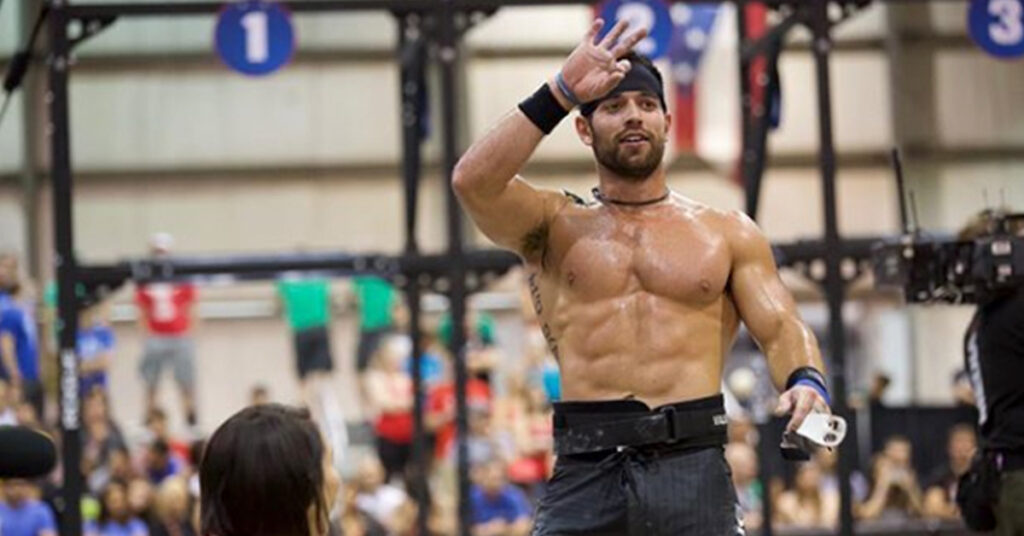
A chest that looks broad is usually not just a chest that is large. Upper chest development can create a fuller line from the collarbone into the shoulder, while well developed lateral deltoids make the whole upper body appear wider. Keeping body fat at a level that lets you see your muscle development can also change how much width is visible. None of that means you need extreme dieting. It means that muscle size, proportions, and posture all affect what you see in the mirror.
Dumbbell training is valuable because it lets each arm contribute independently. This can make it easier to spot major side to side differences and may feel more natural at the shoulders than a fixed bar path. The tradeoff is that dumbbells demand more control, especially as the weights get heavier. For chest growth, the best choice is usually the exercise you can load gradually, perform with a stable technique, and recover from consistently.
1. Flat Dumbbell Bench Press
The flat dumbbell bench press should be the foundation of a wider looking chest program. It is a compound movement that trains the pectoralis major while also involving the triceps and front deltoids. Because it uses multiple joints and can be progressively loaded, it gives you a reliable way to accumulate challenging chest focused training over time.
Research comparing chest exercises shows that pressing movements produce substantial pectoralis major activity. This does not mean muscle activity readings can predict hypertrophy perfectly, but it supports the practical idea that a well performed pressing exercise is a sensible mainstay for chest training. The flat position also provides a useful base for the middle and lower portions of the chest.
How to Perform It
Set an adjustable bench to flat and place your feet firmly on the floor. Begin with the dumbbells above your chest, with your palms facing forward or turned slightly inward. Draw your shoulder blades gently back and down against the bench. This creates a stable surface instead of allowing your shoulders to roll forward.
Lower the dumbbells with control toward the sides of your chest. Keep your elbows at a comfortable angle rather than forcing them directly out to the sides. Let the dumbbells descend as far as your shoulders can tolerate without losing position or feeling sharp discomfort. Press them back up by driving your upper arms toward the midline, while keeping the dumbbells under control.
At the top, do not forcefully smash the dumbbells together. Finish each repetition with control, keep tension on the chest, and begin the next repetition without relaxing completely.
Why It Works for Width
The flat dumbbell bench press lets you use meaningful loads and progress for months or years. That matters more than constantly changing exercises. A larger overall pectoralis major provides more visible muscle across the front of the torso, which contributes to a broader chest appearance.
The dumbbells can also allow a slightly deeper bottom position than many barbell presses, provided your shoulders remain comfortable and stable. Training through an appropriate full range of motion is generally supported for muscle development, although full range does not mean forcing a painful stretch. Your individual shoulder mobility and control should set the depth.
For most lifters, start with three to four hard sets of six to twelve repetitions. Rest long enough to maintain performance, usually around two minutes or more for challenging sets. Choose a load that leaves roughly one to three repetitions in reserve on most sets. You do not need to reach complete failure every time to build muscle, and stopping just short of failure is often easier to recover from while still providing a strong stimulus.
2. Incline Dumbbell Bench Press
The incline dumbbell bench press is the best second exercise when your goal is a wider looking chest. It does not make the chest wider in a literal anatomical sense, but it can develop the upper chest near the collarbone. That added fullness can create a more powerful transition from the chest into the shoulders, making the upper torso appear broader.
Bench angle matters. Research examining several bench angles found that a horizontal bench produced greater activity in the middle and lower regions of the pectoralis major, while more inclined positions increased the involvement of the anterior deltoid. This is why a modest incline is usually more useful than turning the bench nearly upright. You want to train the upper chest without making the movement feel like a shoulder press.
How to Perform It
Set the bench to a low incline, commonly around 15 to 30 degrees. Sit with the dumbbells on your thighs, lean back carefully, and use your legs to guide the weights into the starting position. Begin with the dumbbells above the upper chest, not directly over your face.
Keep your shoulder blades supported against the bench and lower the dumbbells slowly. Your elbows should travel slightly below the level of your shoulders only if that position is comfortable and controlled. Press upward and slightly inward, finishing with the weights above your upper chest.
Avoid turning the movement into a high incline press with your elbows flared aggressively. If you feel the front of your shoulders doing most of the work, lower the bench angle, reduce the weight, and focus on controlling the lowering phase.
Why It Works for Width
The upper chest is often underdeveloped because many lifters only perform flat pressing. Adding incline dumbbell work gives the clavicular portion of the pectoralis major a different training angle and can improve the fullness of the upper torso.
This is also a useful exercise for people who find flat pressing uncomfortable. A low incline can change the shoulder position enough to make pressing feel better, although discomfort is always a reason to adjust your technique, range of motion, or exercise selection. Pain is not a signal to push harder.
Perform two to four sets of eight to fifteen repetitions after your flat dumbbell pressing. The slightly higher repetition range often works well because it encourages controlled technique without requiring excessively heavy dumbbells. Progress by adding repetitions until you reach the upper end of your target range, then increase the load by the smallest practical amount.
3. Dumbbell Fly
The dumbbell fly is not the exercise to choose for your heaviest chest training. It is an accessory movement that challenges the pectoralis major through horizontal adduction with relatively little elbow movement. Its value is that it can train the chest in a long muscle length, especially near the bottom position, while using lighter weights than a press.
A study comparing barbell bench pressing and dumbbell flyes found higher pectoralis major activity in the bench press when the exercises were tested with six repetition maximum loads. That finding reinforces the need to prioritize pressing for heavy progressive training. It does not make the fly useless. Instead, it tells you to treat it as a controlled complement to your presses, not as a replacement for them.
How to Perform It
Lie on a flat bench with the dumbbells above your chest and your palms facing each other. Keep a small, fixed bend in your elbows. This bend should remain nearly the same throughout the repetition, because repeatedly bending and straightening the elbows turns the fly into a press.
Lower the dumbbells in a wide arc until you feel a substantial stretch across your chest while your shoulders remain comfortable. Move slowly and do not chase the deepest possible stretch. Then bring the dumbbells back together in the same arc by imagining that you are wrapping your upper arms around a large barrel.
Keep your shoulder blades stable against the bench and avoid letting your shoulders drift far forward at the bottom. Use less weight than your ego wants. A fly performed with control will challenge the chest far more effectively than a heavy, unstable repetition that places unnecessary stress on the shoulder joint.
Why It Works for Width
The dumbbell fly gives the chest direct work in a position that differs from a press. It can be especially useful after pressing, when lighter loads are enough to make the chest work hard. The wide arm path also makes it easier for lifters to feel the pectoralis major bringing the arms together, although feeling a muscle work is not the same as proving greater growth.
Use two to three sets of ten to fifteen repetitions, stopping when you can no longer maintain your elbow position and shoulder control. A slow lowering phase is helpful because it reduces momentum and makes the bottom position easier to manage. You should feel a muscular stretch across the chest, not pain in the front of the shoulder.
How to Program These Exercises
Perform this routine one or two times per week, depending on your total training schedule and recovery. If you train chest twice weekly, you can repeat the same three exercises or make small changes in order. Keep the flat press first when maximizing overall chest strength and loading is the priority. Put the incline press first on one day if upper chest development is your main focus.
Research indicates that greater weekly resistance training volume is generally associated with greater hypertrophy, although the best amount varies between individuals. Start with a manageable number of hard sets and add volume only when you can recover well and continue progressing. For many people, six to ten challenging weekly chest sets is an effective starting point, with more added gradually if needed.
An example session could include three sets of flat dumbbell bench press, three sets of incline dumbbell bench press, and two sets of dumbbell flyes. Record the load and repetitions for each exercise. When you can perform the top end of your target repetition range with clean technique, increase the dumbbell weight next time.
Nutrition also matters. Building muscle requires enough energy, regular protein intake, and time. Training cannot create meaningful chest growth if recovery is consistently poor. Aim for a steady approach rather than rushing to add weight every workout.
The Bottom Line
The best dumbbell exercises for a wider looking chest are the flat dumbbell bench press, incline dumbbell bench press, and dumbbell fly. The flat press provides the heavy foundation for overall chest size. The incline press helps build upper chest fullness that can improve the appearance of upper body width. The fly adds controlled chest focused work in a different arm path.
Close Grip Bench Press vs Dips: Which Builds Bigger Triceps for Beginners?
Do not chase the myth of an isolated outer chest. Build your pecs consistently, use a full and comfortable range of motion, train close enough to failure for your sets to be challenging, and progress patiently. That is how dumbbell training turns into visible chest development.
Key Takeaways
| Exercise | Main role | Practical prescription |
|---|---|---|
| Flat dumbbell bench press | Builds overall chest mass with a progressively loadable compound movement | Perform three to four sets of six to twelve repetitions |
| Incline dumbbell bench press | Emphasizes upper chest development and upper torso fullness | Perform two to four sets of eight to fifteen repetitions on a low incline |
| Dumbbell fly | Adds controlled chest focused work with lighter loads | Perform two to three sets of ten to fifteen repetitions |
| Weekly progression | Drives long term hypertrophy more effectively than random exercise changes | Add repetitions first, then add load when technique stays strong |
| Exercise technique | Keeps chest training productive and shoulders comfortable | Use a controlled lowering phase and a pain free range of motion |
References
- López Vivancos, A., González Gálvez, N., Orquín Castrillón, F.J., Vale, R.G.D.S. and Marcos Pardo, P.J. (2023) ‘Electromyographic activity of the pectoralis major muscle during traditional bench press and other variants of pectoral exercises: A systematic review and meta analysis’, Applied Sciences, 13(8), 5203.
- Pallarés, J.G., Martínez Cava, A., Courel Ibáñez, J., González Badillo, J.J., Morán Navarro, R. and Mora Rodríguez, R. (2021) ‘Effects of range of motion on resistance training adaptations: A systematic review and meta analysis’, Scandinavian Journal of Medicine and Science in Sports, 31(10), pp. 1866–1880.
- Refalo, M.C., Helms, E.R., Hamilton, D.L., Fyfe, J.J. and Pinkoski, C. (2023) ‘Influence of resistance training proximity to failure on skeletal muscle hypertrophy: A systematic review with meta analysis’, Sports Medicine, 53(3), pp. 649–665.
- Schoenfeld, B.J., Ogborn, D. and Krieger, J.W. (2017) ‘Dose response relationship between weekly resistance training volume and increases in muscle mass: A systematic review and meta analysis’, Journal of Sports Sciences, 35(11), pp. 1073–1082.
- Solstad, T.E.J., Andersen, V., Shaw, M., Hoel, E.M., Vonheim, A. and Saeterbakken, A.H. (2020) ‘A comparison of muscle activation between barbell bench press and dumbbell flyes in resistance trained males’, Journal of Sports Science and Medicine, 19(4), pp. 645–651.
- Trebs, A.A., Brandenburg, J.P. and Pitney, W.A. (2010) ‘An electromyography analysis of three muscles surrounding the shoulder joint during the performance of a chest press exercise at several angles’, Journal of Strength and Conditioning Research, 24(7), pp. 1925–1930.