

Being naturally skinny does not mean you are destined to stay that way. It usually means you need to be more deliberate with your training, food, and recovery than someone who gains weight easily. Muscle growth is not a mystery, but it is a slow biological process that depends on giving your body a strong reason to adapt and enough resources to do it.
Many skinny beginners make the same mistake. They train hard but do not train with a clear progression plan. Or they say they eat a lot, but their body weight has not changed for months. Others spend too much time doing extra cardio, training every day, or changing exercises before they have had time to improve at them.


The fastest way to build muscle is not to chase a secret workout or copy an advanced bodybuilder’s routine. It is to master a few fundamentals consistently. Build strength in productive exercises, eat enough calories and protein to support growth, and recover well enough to repeat that process week after week.
Why Skinny Guys Often Struggle to Gain Muscle
Some people have a naturally lean build, a smaller appetite, a high level of daily activity, or a combination of all three. Research also shows that people respond differently to resistance training, with some gaining more muscle than others from the same program. This does not mean that low responders cannot build muscle. It means they may need to pay closer attention to training quality, total food intake, and consistency.
Chin-Ups vs Pull-Ups – Which Is Better for Wider and Bigger Arms?
If your body weight is not increasing over time, you are not in a meaningful calorie surplus. You may feel as though you are eating plenty because you have large meals on some days, but muscle gain is supported by your average intake across the whole week. Missing breakfast, eating light during busy workdays, or training hard without adding food afterward can quickly cancel out the extra calories you eat at dinner.
Muscle also needs a reason to grow. Your body will not add much new muscle tissue if you keep lifting the same weights for the same number of repetitions forever. Resistance training creates a stimulus, but progressive overload tells your body that becoming stronger and more muscular is useful.
The following three methods work together. You do not need to be perfect, but you do need to be consistent enough to let the results accumulate.
1. Train for Progressive Overload, Not Just Exhaustion
The most important job of your workout is to create enough muscular tension to encourage adaptation. Lifting weights close enough to your current capacity challenges the muscle fibers that have the greatest potential to grow. You do not need to destroy yourself in every session, but your sets should feel purposeful and demanding.
Use Big Exercises to Build a Strong Foundation
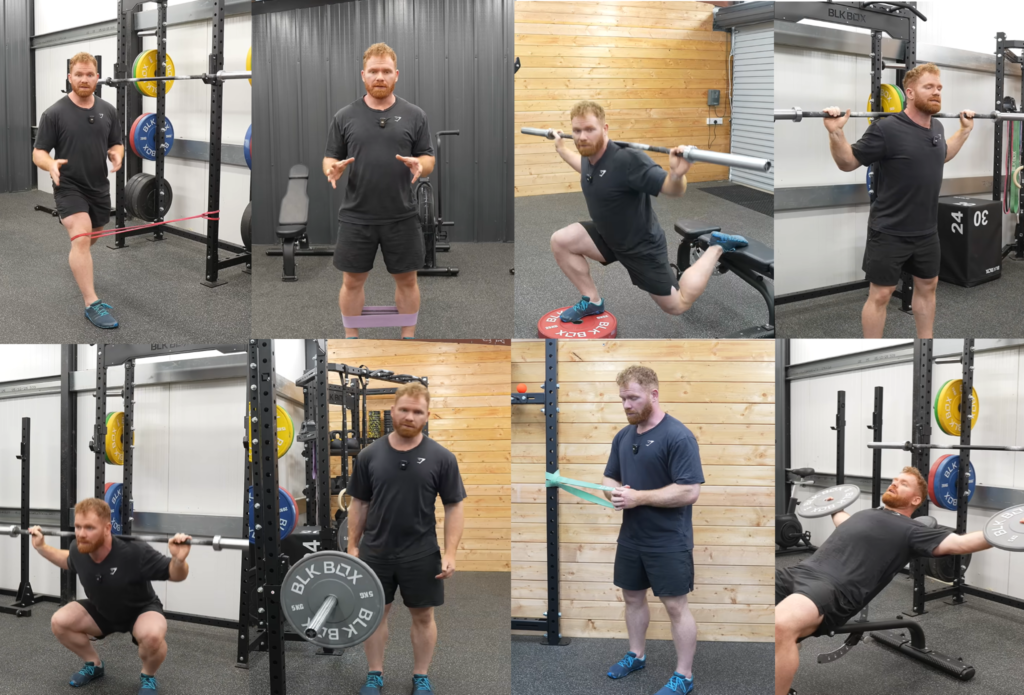
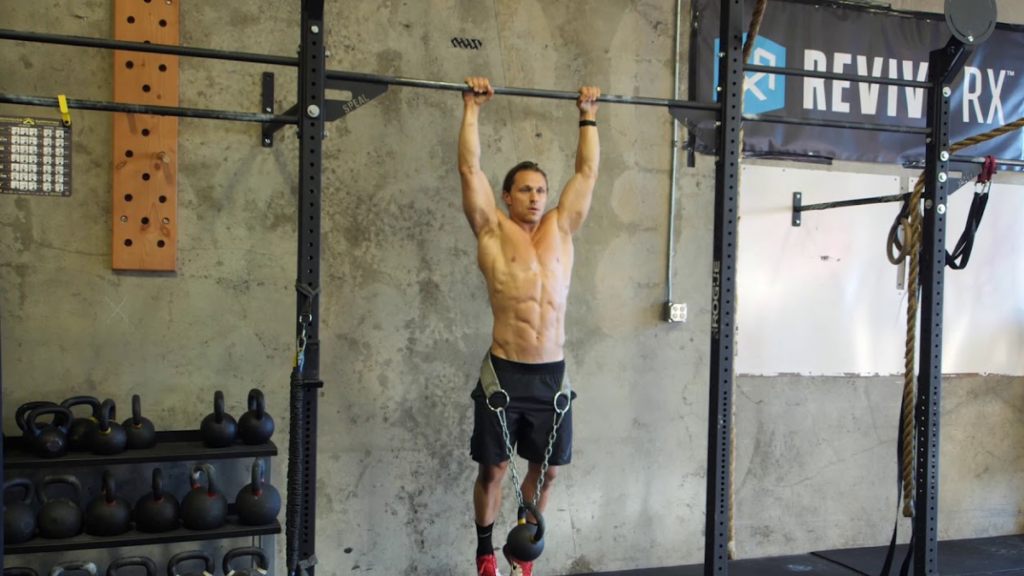
Compound exercises are especially valuable for skinny guys because they train large amounts of muscle at once and make it easier to add weight over time. Squats, leg presses, Romanian deadlifts, bench presses, overhead presses, rows, pull ups, pulldowns, and split squats should form the center of your program.
These movements allow you to train the chest, back, shoulders, legs, glutes, and arms efficiently. They also provide simple ways to measure progress. If you can perform more repetitions with the same weight, or the same repetitions with more weight, you are becoming stronger. Over time, that improvement is closely connected to muscle growth when nutrition and recovery are adequate.
You do not need to use only barbell exercises. Dumbbells, machines, cables, and bodyweight movements can all build muscle effectively. The best choice is usually an exercise that feels comfortable on your joints, lets you work through a controlled range of motion, and can be progressed steadily.
Do Enough Hard Sets Each Week
Training volume matters because a single hard set is rarely enough to maximize muscle growth. Research consistently shows that performing multiple weekly sets for a muscle group produces greater hypertrophy than very low training volumes. For most beginners, a useful starting point is roughly eight to twelve challenging sets per major muscle group each week.
This does not mean you need to spend two hours in the gym every day. A full body routine performed three times per week can work very well. You could train a squat or leg press, a pressing movement, a pulling movement, a hip hinge, and a small amount of direct arm work in each session. This gives every major muscle group repeated practice and enough weekly work to grow.
As you gain experience, you may benefit from adding a few more sets. However, more is not always better. If your performance is dropping, your joints are constantly sore, or you are unable to gain body weight, adding more training volume may make the problem worse. Start with an amount you can recover from and make gradual adjustments.
Leave a Small Amount in the Tank
You do not need to take every set to complete failure to gain muscle. Training very close to failure is often enough, especially when you maintain good technique. For most working sets, finishing with around one to three repetitions still possible is a practical target.
This approach lets you work hard without turning every exercise into a form breakdown contest. It also makes your training more repeatable. A beginner who trains productively three times per week for a year will usually make far more progress than someone who trains with maximum intensity for three weeks and then loses motivation or develops aches and pains.
Keep a record of your exercises, weights, and repetitions. When you reach the top of a chosen repetition range with good form, increase the load slightly next time. For example, if you can bench press 135 pounds for three sets of ten repetitions, adding a small amount of weight and working back up through the range gives you a clear progression path.
2. Eat Enough Calories and Protein Every Day
Training tells your body to grow, but food provides the energy and raw materials needed to make that growth possible. This is where many skinny guys fall short. They may eat healthy foods and train consistently, but their energy intake is still too low to support meaningful gains.
Create a Small, Consistent Calorie Surplus
A calorie surplus means consuming more energy than your body uses. For someone who wants to gain mostly muscle while limiting unnecessary fat gain, a modest surplus is generally more sensible than an aggressive bulk. A practical starting point is to add roughly 250 to 350 calories per day above your usual intake.

Monitor your body weight several times per week under similar conditions, such as in the morning after using the bathroom. Look at the average rather than reacting to daily fluctuations. A sensible target for many skinny beginners is gaining around 0.25 to 0.5 percent of body weight per week. This rate is slow enough to keep the process controlled but fast enough to show that you are supplying extra energy.
If your average body weight has not increased after two or three weeks, add more food. Do not assume your metabolism is broken. Your intake simply needs to rise. Small additions can make a major difference, such as an extra bowl of oatmeal with milk, a bagel with peanut butter, a smoothie with yogurt and fruit, or a larger serving of rice or potatoes with dinner.
Prioritize Protein, but Do Not Ignore Carbohydrates
Protein provides amino acids that support muscle protein synthesis, which is the process involved in repairing and building muscle tissue. Research suggests that daily protein intakes around 1.6 grams per kilogram of body weight are enough to maximize gains for many people who lift weights. Some individuals may benefit from slightly more, particularly during periods of hard training.
For a 160 pound lifter, this works out to roughly 115 to 130 grams of protein per day. Spread this across three to five meals rather than trying to consume most of it in one huge dinner. Foods such as meat, fish, eggs, Greek yogurt, cottage cheese, milk, tofu, beans, lentils, and protein powder can all help you reach the target.

Carbohydrates are equally useful for skinny guys who struggle to eat enough. They provide training fuel, support hard sessions, and make it easier to maintain a calorie surplus. Rice, pasta, oats, cereal, potatoes, bread, fruit, beans, and dairy are all useful options. There is no need to fear carbs when your goal is to gain muscle and improve gym performance.
Dietary fats also matter because they add calories without requiring a huge volume of food. Nuts, nut butter, olive oil, avocado, cheese, whole eggs, and fatty fish are easy ways to increase your intake. Choose mostly nutrient dense foods, but do not make your diet so restrictive that you cannot eat enough to grow.
Make Eating Easier, Not More Complicated
If you have a small appetite, relying only on huge meals can be difficult. More frequent meals and calorie dense foods can make the process easier. Liquid calories are also useful because smoothies are often easier to consume than another large plate of food.
A simple muscle gain smoothie could include milk, Greek yogurt, oats, banana, peanut butter, and protein powder. It provides protein, carbohydrates, fats, and a meaningful amount of calories without requiring much preparation. You do not need expensive supplements to gain muscle, but protein powder can be convenient if whole food protein is difficult to fit into your day.
Consistency matters more than perfection. One high calorie meal at the weekend will not overcome five days of under eating. Treat your food intake as part of your training plan, just like showing up for your workouts.
3. Recover Well Enough to Grow Between Workouts
Muscle does not grow while you are lifting. Training provides the stimulus, but recovery is when your body repairs and adapts. If you sleep poorly, train hard every day, or spend large amounts of energy on extra activity without increasing food intake, your progress can slow down.
Sleep Is a Muscle Building Tool
Sleep supports performance, recovery, appetite regulation, and hormonal function. Research has found that restricting sleep during a calorie deficit can reduce the proportion of weight lost from fat and increase the proportion lost from lean tissue. While this research was not conducted specifically in muscle gaining beginners, it shows why sleep should be taken seriously when body composition is the goal.
Aim for seven to nine hours of sleep each night. This range gives most adults a solid foundation for physical and mental recovery. The exact number will vary, but if you are regularly sleeping five or six hours and wondering why your workouts feel weak, improving sleep may be one of the most effective changes you can make.
Create a routine that makes good sleep easier. Keep your wake time relatively consistent, reduce bright screens before bed where possible, make your room cool and dark, and avoid relying on late caffeine to survive poor sleep. These habits may sound basic, but they can make a noticeable difference when repeated every day.
Keep Cardio in Its Proper Place
Cardio is good for heart health and overall fitness, and you do not need to avoid it completely when trying to gain muscle. However, excessive endurance work can interfere with strength and muscle gains when it is poorly programmed alongside resistance training.
This does not mean a few easy runs, bike rides, or sports sessions will ruin your progress. The concern is doing large volumes of intense endurance training while also trying to maximize leg growth without eating enough to cover the energy cost. If gaining muscle is your main priority, keep cardio moderate and make sure it does not reduce the quality of your lifting sessions.
Low intensity walking is a great choice for general health and recovery. It is easier to recover from than repeated high intensity conditioning sessions, and it can help you stay active without interfering heavily with strength training.
Give Your Program Time to Work
Changing your workout every week makes it difficult to develop strength and see what is actually working. Stick with a simple plan for at least eight to twelve weeks. You can change smaller details if an exercise causes pain or does not suit your body, but do not abandon productive movements just because they have become challenging.
Take progress photos, track your body weight, and record gym performance. These three measures give you a clearer picture than looking in the mirror after every workout. Muscle gain is gradual, and visual changes can be difficult to notice from day to day.
Skinny guys can build impressive muscle mass, but they need to stop treating growth as something that should happen by accident. Train with progression, eat enough to gain weight, and protect your recovery. Repeat those habits for months, not days, and your body will have the conditions it needs to change.
References
- Cermak, N.M., Res, P.T., de Groot, L.C.P.G.M., Saris, W.H.M. and van Loon, L.J.C. (2012) ‘Protein supplementation augments the adaptive response of skeletal muscle to resistance type exercise training: A meta analysis’, American Journal of Clinical Nutrition, 96(6), pp. 1454–1464.
- Figueiredo, V.C., de Salles, B.F. and Trajano, G.S. (2018) ‘Volume for muscle hypertrophy and health outcomes: The most effective variable in resistance training’, Sports Medicine, 48(3), pp. 499–505.
- Fullagar, H.H.K., Skorski, S., Duffield, R., Hammes, D., Coutts, A.J. and Meyer, T. (2015) ‘Sleep and athletic performance: The effects of sleep loss on exercise performance, and physiological and cognitive responses to exercise’, Sports Medicine, 45(2), pp. 161–186.
- Grgic, J., Schoenfeld, B.J., Orazem, J. and Sabol, F. (2022) ‘Effects of resistance training performed to repetition failure or non failure on muscular strength and hypertrophy: A systematic review and meta analysis’, Journal of Sport and Health Science, 11(2), pp. 202–211.
- Helms, E.R., Aragon, A.A. and Fitschen, P.J. (2014) ‘Evidence based recommendations for natural bodybuilding contest preparation: Nutrition and supplementation’, Journal of the International Society of Sports Nutrition, 11, p. 20.
- Iraki, J., Fitschen, P., Espinar, S. and Helms, E. (2019) ‘Nutrition recommendations for bodybuilders in the off season: A narrative review’, Sports, 7(7), p. 154.
- Isenmann, E., Dissemond, J., Geisler, S., Flenker, U. and Tegtbur, U. (2023) ‘Muscle hypertrophy in response to resistance training is influenced by interindividual variability’, Sports Medicine Open, 9, p. 19.
Key Takeaways
| Focus | What to do | Why it matters |
|---|---|---|
| Resistance training | Build your program around compound lifts and progressively improve weights or repetitions. | Progressive overload gives muscles a reason to adapt and grow. |
| Weekly training volume | Perform enough challenging weekly sets for each major muscle group, then increase volume only when you can recover from it. | Multiple hard sets provide a stronger muscle building stimulus than minimal training. |
| Calorie intake | Maintain a modest calorie surplus and monitor average weekly body weight. | Your body needs extra energy to support consistent weight and muscle gain. |
| Protein | Consume roughly 1.6 grams of protein per kilogram of body weight daily. | Protein supplies amino acids that support muscle repair and growth. |
| Recovery | Sleep seven to nine hours, manage hard cardio, and follow one program long enough to measure progress. | Recovery helps you train effectively and adapt between sessions. |