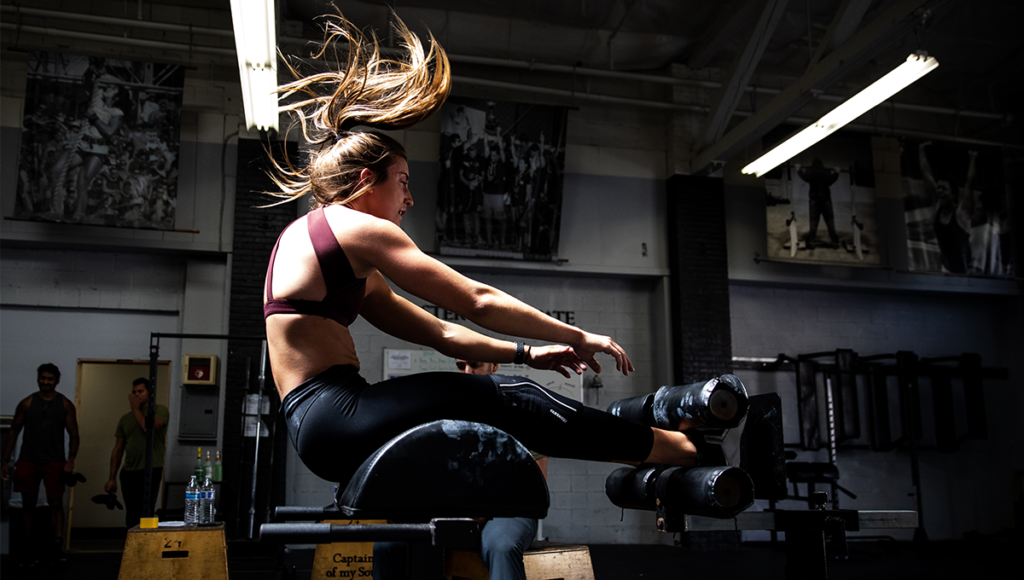
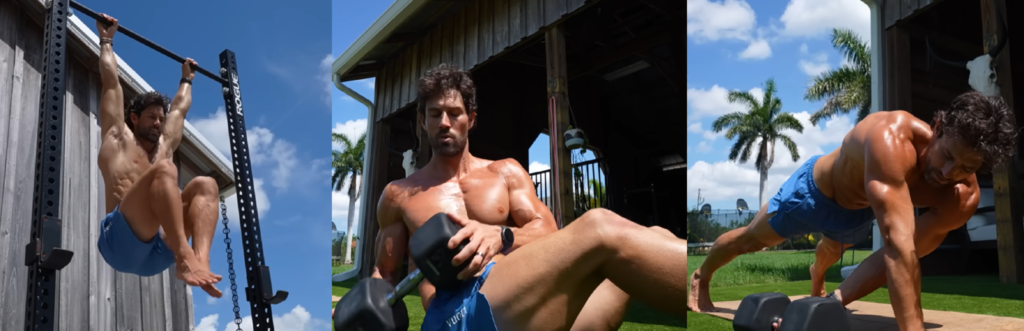
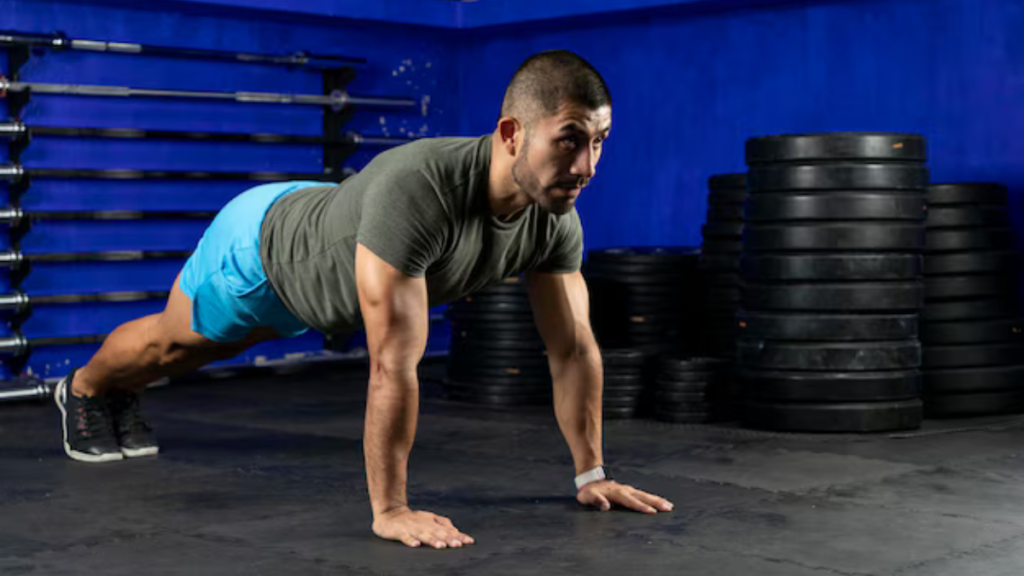
Sit ups have been a staple in fitness for decades. Many people still associate them with building strong abs and achieving a lean midsection. However, modern exercise science has shifted how we understand core training. Research shows that sit ups are not the most effective or safest way to train your core, especially when compared to more functional and spine friendly alternatives.
If your goal is to build a stronger core that supports performance, protects your spine, and improves overall movement, it is time to rethink your approach. This article explains why sit ups fall short and introduces three science backed exercises that deliver better results.


Why Sit Ups Are No Longer the Gold Standard
Limited Muscle Activation
Sit ups primarily target the rectus abdominis, which is the superficial muscle responsible for the “six pack” look. However, your core is much more than one muscle. It includes deeper stabilizers like the transverse abdominis, internal and external obliques, and spinal stabilizers.
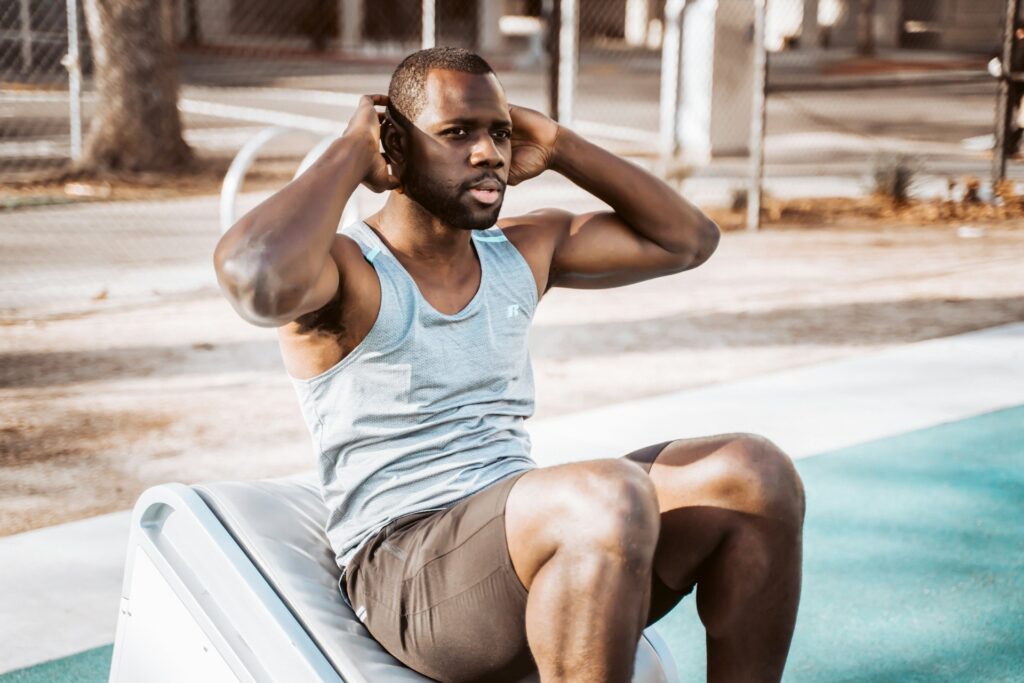
Electromyography studies show that sit ups do not effectively activate these deeper stabilizing muscles. This matters because true core strength is about stability and force transfer, not just flexion of the spine.
Excessive Spinal Stress
One of the biggest concerns with sit ups is the stress they place on the lumbar spine. During a sit up, the hip flexors pull on the lower spine, increasing compressive forces. Over time, repeated spinal flexion under load can contribute to disc issues and lower back pain.
Research in spine biomechanics has shown that repeated flexion movements can lead to microtrauma in spinal discs. This is especially problematic when combined with poor technique or high training volume.
Poor Transfer to Real World Movement
Most athletic movements do not involve repeated spinal flexion like sit ups. Instead, the core’s main function is to resist movement and stabilize the spine during dynamic actions. This includes resisting extension, rotation, and lateral flexion.
Sit ups train the core in a way that does not translate well to sports or daily activities. A more effective approach is to train the core to stabilize the body under load.
What Makes a Core Exercise Effective?
Before diving into the alternatives, it is important to understand what defines a high quality core exercise.
Focus on Stability
Effective core training emphasizes resisting unwanted movement. This means maintaining a neutral spine while the limbs move or external forces are applied.
Engage the Entire Core System
The best exercises recruit not just the rectus abdominis, but also the obliques, transverse abdominis, and deeper stabilizers.
Minimize Spinal Stress
Exercises should challenge the core without placing excessive load on the spine, especially in vulnerable positions.
Transfer to Performance
Core exercises should improve your ability to move, lift, and perform better in sports and everyday tasks. With these principles in mind, let’s explore three exercises that outperform sit ups.
1. The Plank
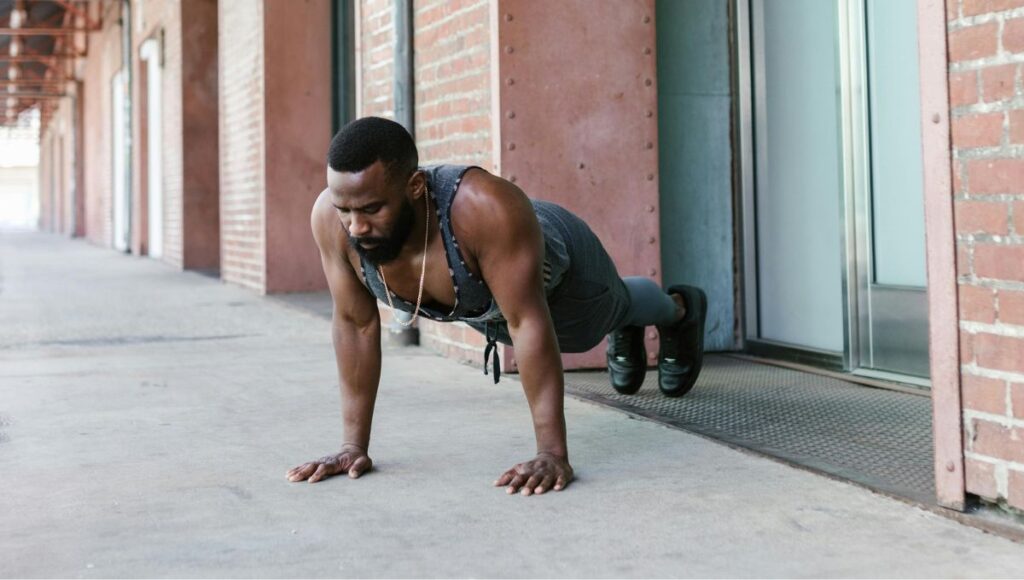
Why the Plank Works
The plank is one of the most researched and widely recommended core exercises. It trains the core to resist extension of the spine, which is a key function during many athletic movements.
Unlike sit ups, the plank activates multiple core muscles simultaneously, including the rectus abdominis, transverse abdominis, and obliques. It also engages the shoulders, glutes, and legs, making it a full body stabilization exercise.
Studies using electromyography have shown that plank variations produce higher activation of the core stabilizers compared to traditional abdominal exercises.
How to Perform the Plank
Start in a forearm position with your elbows directly under your shoulders. Extend your legs behind you and lift your body so that it forms a straight line from head to heels. Focus on the following cues:
- Keep your core braced as if preparing for a punch
- Squeeze your glutes to maintain a neutral pelvis
- Avoid letting your hips sag or rise too high
- Keep your neck in a neutral position
Hold the position for a set amount of time while maintaining perfect form.
Progressions and Variations
Once you master the basic plank, you can increase the challenge:
- Side plank for lateral stability
- Plank with shoulder taps for anti rotation
- Weighted plank for increased load
Each variation adds a new dimension of core stability that sit ups cannot provide.
2. Dead Bug
Why the Dead Bug Works
The dead bug is a highly effective exercise for teaching core control and coordination. It trains the ability to maintain a stable spine while moving the arms and legs, which is essential for athletic performance.
This exercise specifically targets the deep stabilizers, including the transverse abdominis. It also reinforces proper breathing patterns, which are crucial for core function.

Research shows that exercises like the dead bug improve motor control and reduce the risk of lower back pain by enhancing spinal stability.
How to Perform the Dead Bug
Lie on your back with your arms extended toward the ceiling and your hips and knees bent at ninety degrees.
Follow these steps:
- Press your lower back gently into the floor
- Extend one arm and the opposite leg toward the ground
- Keep your core engaged and avoid arching your lower back
- Return to the starting position and repeat on the other side
Move slowly and with control. The goal is to maintain stability, not speed.
Common Mistakes to Avoid
- Allowing the lower back to lift off the floor
- Moving too quickly and losing control
- Not coordinating breathing with movement
Progressions
To make the dead bug more challenging:
- Add resistance bands
- Hold light weights in your hands
- Increase the duration of each repetition
These progressions enhance the demand on the core without increasing spinal stress.
3. Hanging Knee Raises
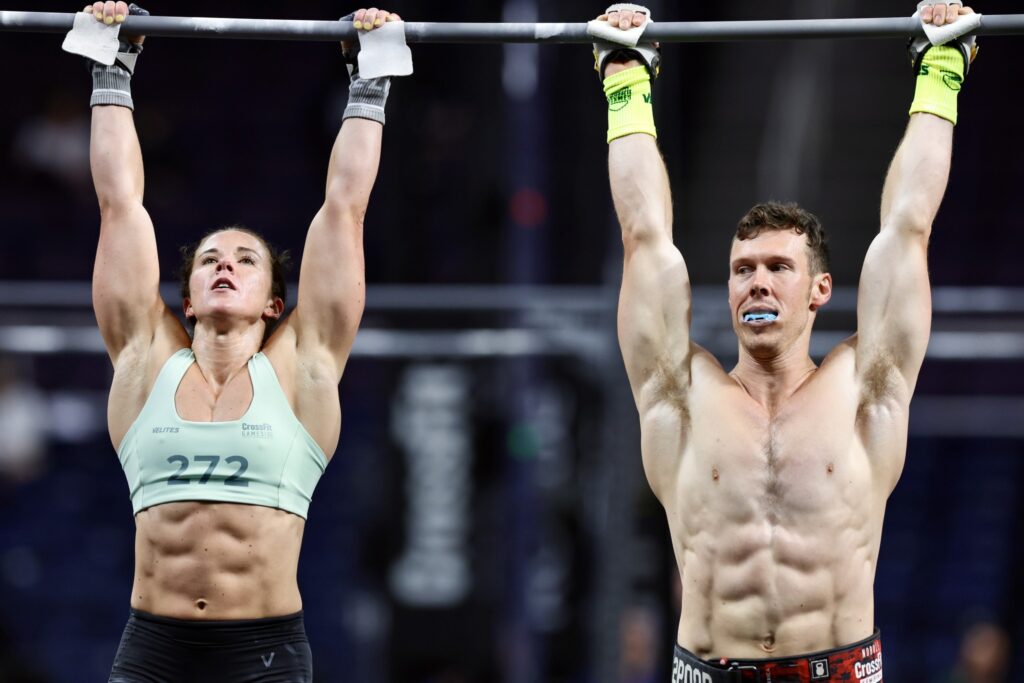
Why Hanging Knee Raises Work
Hanging knee raises are a dynamic core exercise that targets both the lower abdominals and hip flexors while requiring significant stabilization. Unlike sit ups, this movement involves controlling the pelvis and resisting swinging, which engages the entire core. It also improves grip strength and shoulder stability.
Electromyography studies have shown that hanging leg raise variations produce high activation of the abdominal muscles, often exceeding that of traditional crunches and sit ups.
How to Perform Hanging Knee Raises
Hang from a pull up bar with your arms fully extended.
Follow these steps:
- Engage your core and avoid swinging
- Lift your knees toward your chest in a controlled manner
- Pause briefly at the top
- Lower your legs slowly back to the starting position
Focus on using your core rather than momentum.
Progressions
Once you develop strength and control:
- Straight leg raises for increased difficulty
- Toes to bar for advanced athletes
- Add ankle weights for additional resistance
Key Benefits
- High abdominal activation
- Improved core stability
- Enhanced grip and upper body strength
Comparing the Three Exercises to Sit Ups
Each of these exercises offers distinct advantages over sit ups:
- They emphasize stability rather than spinal flexion
- They engage a wider range of core muscles
- They reduce stress on the lower back
- They transfer better to real world movement and athletic performance
Sit ups may still have a place in certain contexts, but they should not be the foundation of your core training.
Programming These Exercises Into Your Training
Frequency
Train your core two to four times per week, depending on your overall program.
Sets and Repetitions
- Plank: 3 to 4 sets of 20 to 60 seconds
- Dead bug: 3 sets of 8 to 12 repetitions per side
- Hanging knee raises: 3 sets of 10 to 15 repetitions
Integration With Strength Training
You can include these exercises:
- As part of your warm up
- Between strength sets
- At the end of your workout
Focus on Quality
Always prioritize form over quantity. Poor technique reduces effectiveness and increases injury risk.
The Role of Core Training in Performance and Injury Prevention
A strong core is essential for efficient movement and injury prevention. It acts as a bridge between the upper and lower body, allowing for effective force transfer.
Research has shown that improved core stability is associated with better athletic performance and reduced incidence of lower back pain. By replacing sit ups with more effective exercises, you can build a core that supports your goals rather than limiting them.
Final Thoughts
Sit ups are not inherently bad, but they are outdated as a primary core exercise. Modern training emphasizes stability, control, and function. The plank, dead bug, and hanging knee raise align with these principles and offer superior benefits.
If you want a stronger, more resilient core, it is time to move beyond sit ups and adopt a smarter approach to training.
References
- Axler, C.T. and McGill, S.M. (1997). Low back loads over a variety of abdominal exercises. Medicine and Science in Sports and Exercise, 29(6), pp.804 to 811.
- Ekstrom, R.A., Donatelli, R.A. and Carp, K.C. (2007). Electromyographic analysis of core trunk, hip, and thigh muscles during nine rehabilitation exercises. Journal of Orthopaedic and Sports Physical Therapy, 37(12), pp.754 to 762.
- Kavcic, N., Grenier, S. and McGill, S.M. (2004). Quantifying tissue loads and spine stability while performing commonly prescribed low back stabilization exercises. Spine, 29(20), pp.2319 to 2329.
- McGill, S.M. (2001). Low back stability: from formal description to issues for performance and rehabilitation. Exercise and Sport Sciences Reviews, 29(1), pp.26 to 31.