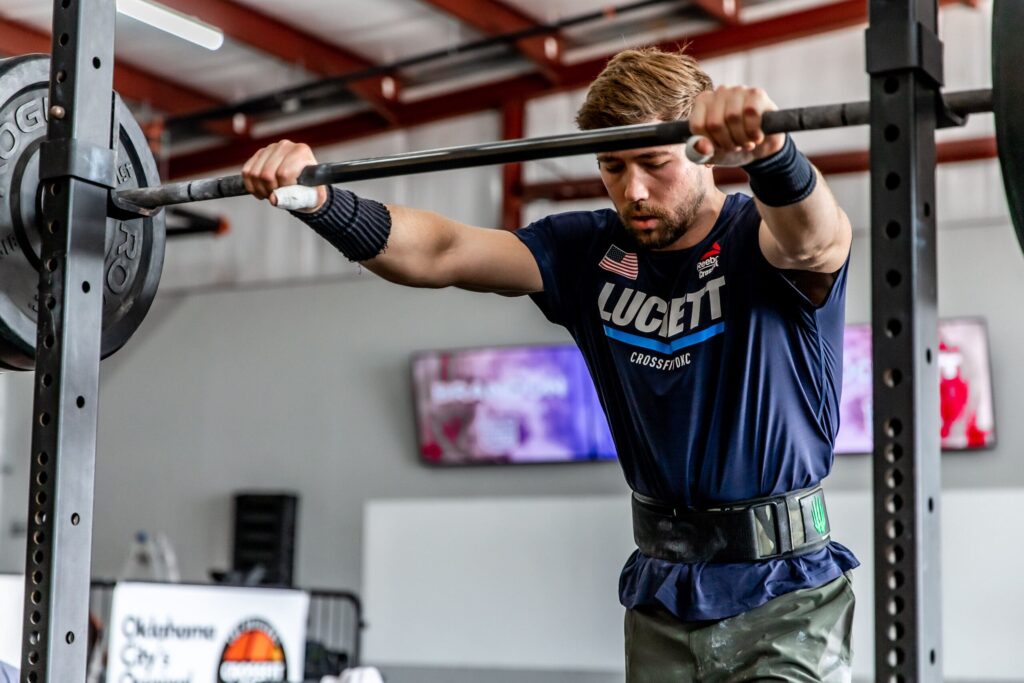


Training harder isn’t always the answer. You’ve added more sessions and dialed in your nutrition, but progress has stalled. The numbers stop moving, recovery feels heavier than it should, and motivation slips even though you’re doing everything “right.”
More volume rarely fixes a stall, because most athletes overlook what happens before the gym floor. Mental reviews of training rarely make it onto the spreadsheet, when they are one of the most powerful tools to keep you motivated and boost progress. So, let’s figure out why psychologically-based templates like the structured year review workbook deserve their place alongside your training journal.



Why Athletes Hit Plateaus Even When Training Hard
Plateaus rarely come from one bad week, but build slowly through habits you no longer question. For example, when you run the same warm-up on autopilot and approach heavy days with a mental script you’ve never updated. Without regular check-ins, those patterns compound, leaving you training hard but progressing slowly.
Reflection as a Performance Tool
The sound mind lives in a sound body, but a sound body depends on the mind as well. One of the crucial elements of progress is mentality. Modern coaches know about it and pay extra attention to reflection. It shapes how athletes adjust training and stay composed when results stall. Improvement depends on reviewing what happened and adapting your approach, while volume alone produces diminishing returns once the technique plateaus.
Done well, structured reflection becomes a real performance tool. It reveals weak patterns before they cause injuries or burnout and reinforces the habits behind your strongest sessions. You make sharper decisions when fatigue hits, and mental resilience builds across a full season.
How Reflection Helps You Break Plateaus
Spot What’s Holding You Back
Honest review reveals the leaks costing you progress. Recovery habits that look fine on paper can feel off in your body, while intensity drifts week to week without tracking. Mental burnout often appears as low motivation, and most athletes catch it months too late.
Reinforce What Works
Plateaus also hide your wins. When sessions blur together, you stop noticing the days when everything clicked. Reflection lets you mark those moments and study why they worked so you can rebuild the conditions later.
What a Structured Reflection System Looks Like
You don’t need a 40-page template. The basics suffice:
- Quick performance notes after each session
- A longer review at the end of every training cycle
- Energy tracking alongside output, since RPE matters as much as load
- Goal adjustments tied to real data instead of wishful planning

Tools That Make It Easier
Structure helps, especially when motivation runs low. A physical journal beats apps for many athletes because it removes screens from the recovery window. Building the habit is easier when you use a reflection kit with prompts that pull out the thinking you’d skip after a tough session.
Headway Shop stocks a range of mindset and self-improvement tools that athletes have started folding into their training week. Pick one that fits your schedule and matches how you already think about progress.
Off-Season Is Where Real Progress Happens
The off-season fits this work well. Volume drops and pressure eases, giving you space to look at the full picture. Adjustments made during a deload tend to stick because you have time to test them before the next competitive block.
Use this period for an honest look at the past season, including the parts that frustrated you. Reset your goals based on what your body and schedule can realistically support, and address recurring mistakes you’ve already paid for before they cost you again next cycle.