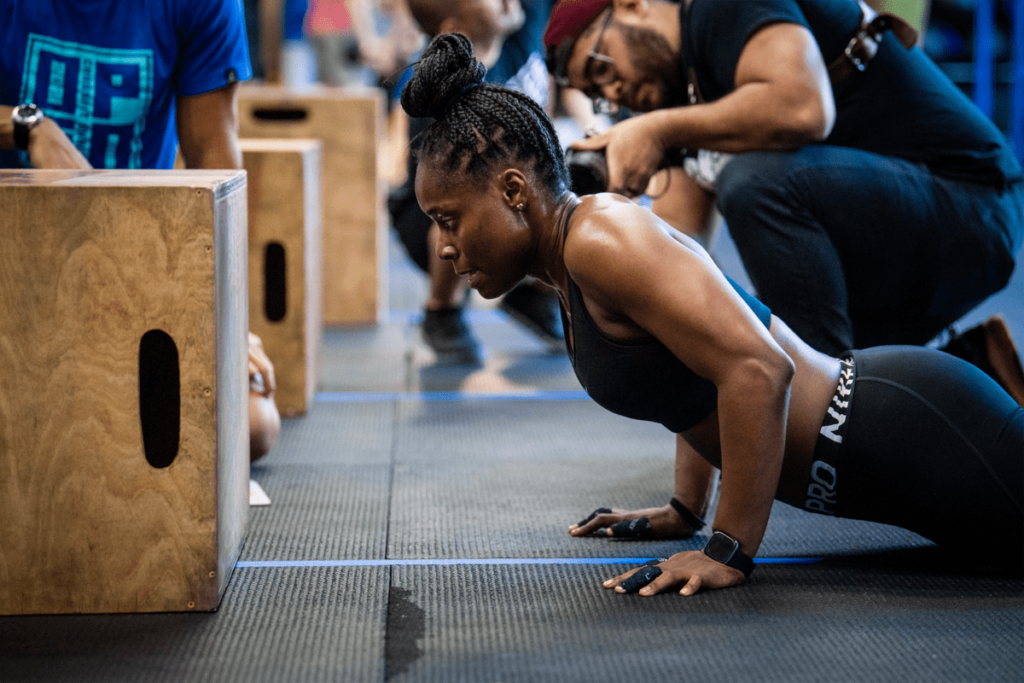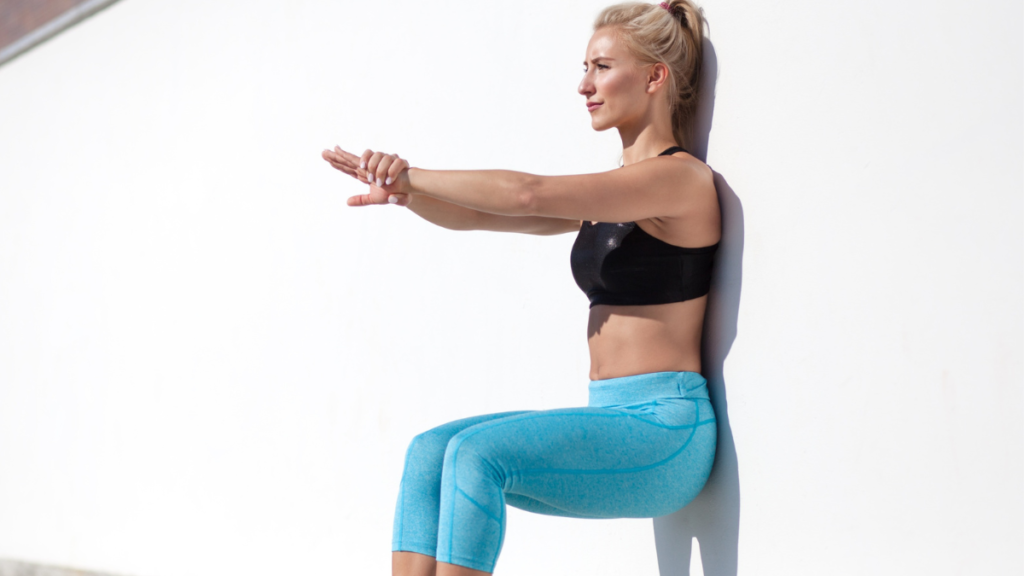


The five options below train different parts of the bigger picture, controlling your trunk, resisting movement, strengthening your hips, and practicing a lifting pattern.
Time to strengthen your back for training and life.
What “bulletproofing” your back can realistically mean
Your trunk muscles work with your hips and legs to help you move, lift, carry, and stay steady. Training those muscles can improve strength and endurance. It can also give you more practice handling physical tasks with control. That is a sensible way to prepare your body, even though it cannot promise protection from every injury or episode of pain.
A review of controlled trials found that exercise programs reduced the risk of low back pain in the groups studied. The programs varied, and the result does not mean a specific exercise prevents pain for every person. A clinical practice guideline also recommends exercise approaches that can include trunk strengthening and endurance, general exercise, aerobic activity, and movement control for people with low back pain. Together, that evidence supports regular, progressive activity rather than searching for one magic drill.
The exercises below are practical choices, not a ranked list of treatments. If you already have significant or recurring back pain, a physical therapist or other qualified clinician can help you choose movements and starting levels that fit your situation.
1. Bird dog
The bird dog trains you to move an arm and the opposite leg while keeping your trunk steady. This makes it a useful way to practice coordination and control without needing heavy weights. It is often included in trunk training, but that does not make it a guaranteed back pain prevention exercise.
Start on your hands and knees, with your hands under your shoulders and knees under your hips. Gently brace your abdomen as if preparing for a light nudge. Reach one arm forward and extend the opposite leg behind you. Keep your hips facing the floor and avoid arching your lower back to lift the leg higher. Pause briefly, return to the starting position, and switch sides.
Begin with six to eight controlled repetitions per side. If the full version feels awkward, lift only an arm or only a leg. Make the movement smaller if your hips twist or your lower back arches. The goal is a steady trunk and smooth movement, not a high leg lift or a long hold.
2. Side plank
A side plank challenges the muscles along the side of your trunk while you resist letting your hips drop or your body rotate. That makes it a useful option for building trunk endurance in a position different from a standard front plank.
Lie on your side with your elbow beneath your shoulder. Bend your knees for an easier version, or keep your legs straight and stack your feet for more of a challenge. Lift your hips until your shoulders, hips, and knees or ankles form a straight line. Keep breathing normally and hold only as long as you can maintain that position.
Try two or three holds of 10 to 20 seconds per side. Short, controlled holds are a sensible starting point. If your shoulder is uncomfortable, your hips sag, or you feel sharp pain, stop and adjust the exercise. You can also use a wall or bench to make the plank easier.
3. Glute bridge
A glute bridge strengthens the muscles around your hips, especially the glutes, while asking you to keep your trunk steady. It gives you a way to practice hip extension without loading a barbell. This can be a useful building block before progressing to more demanding hip hinge exercises.
Lie on your back with your knees bent and feet flat on the floor, about hip width apart. Gently brace your midsection, then press through your feet and lift your hips. Stop when your body forms a line from your shoulders to your knees. Avoid pushing so high that you arch your lower back. Lower with control.
Start with two or three sets of 8 to 12 repetitions. If that becomes easy and comfortable, pause briefly at the top or progress to a single-leg version. Keep the movement controlled and use a range that feels manageable. The point is to train the hips, not to force your back into an exaggerated arch.
4. Hip hinge with a light weight
A hip hinge teaches you to bend at the hips while keeping the weight close to your body. It is a movement pattern used in exercises such as Romanian deadlifts, and it can help you practice picking up and lowering a load with control. The goal is not to keep your spine rigid in every situation, but to develop a comfortable, repeatable lifting pattern.
Stand with a light dumbbell or kettlebell held in front of your thighs. Soften your knees, send your hips backward, and let your torso tip forward as the weight slides close to your legs. Stop when you feel a stretch in the back of your thighs or when your back begins to round. Push the floor away and bring your hips forward to stand.
Practice two or three sets of 8 to 10 repetitions with a load you can control. You can first rehearse the movement without weight, reaching your hips toward a wall behind you. Add load gradually when the pattern feels smooth. If a particular range or load causes symptoms, reduce it and seek professional guidance if the problem persists.
5. Suitcase carry
A suitcase carry is a simple way to practice walking while holding weight on one side. Your trunk has to resist leaning toward the load as you take each step. This makes the exercise a practical combination of carrying, bracing, and movement.
Hold a light dumbbell or kettlebell in one hand at your side. Stand tall, keep your shoulders relaxed, and walk at a steady pace without leaning toward or away from the weight. Take short trips of 20 to 30 seconds, then switch hands. Start with two or three trips per side.
Choose a weight that lets you walk normally and breathe throughout the set. If you have to lean, shuffle, or hold your breath, the load is probably too heavy. Increase the distance or weight gradually, changing one thing at a time.
How to put the exercises into a routine
You do not need to perform all five exercises every day. Choose two or three and train them two or three times per week, alongside regular walking or other activity you enjoy. Begin with a level that feels manageable, then add repetitions, time, range, or load gradually. A prevention review found benefits in programs combining strengthening with stretching or aerobic exercise, but the studies did not establish one perfect routine for everyone.
Standing Abs vs Floor Abs Exercises: Which Is Better for Beginners?
Pay attention to how you feel during and after training. Muscle effort or mild, familiar discomfort is different from sharp, worsening, or spreading pain. If symptoms are severe, keep returning, or interfere with daily life, consult a qualified health professional. Seek urgent medical care for new back pain accompanied by symptoms such as loss of bladder or bowel control, numbness around the groin, or rapidly worsening leg weakness.
Key Takeaways
| Focus | Practical takeaway |
|---|---|
| Realistic goal | Build strength, endurance, and confidence. No exercise can guarantee a pain-free back. |
| Exercise choices | Bird dogs, side planks, glute bridges, hip hinges, and suitcase carries train different useful capacities. |
| Progression | Start with a manageable version and increase repetitions, time, or load gradually. |
| Consistency | Combine strength work with regular physical activity that you can sustain. |
| Persistent symptoms | Seek guidance from a qualified health professional if pain is severe, recurring, or limiting. |
References
- George, S.Z., Fritz, J.M., Silfies, S.P., Schneider, M.J., Beneciuk, J.M., Lentz, T.A., Gilliam, J.R., Hendren, S. and Norman, K.S. (2021) ‘Interventions for the Management of Acute and Chronic Low Back Pain: Revision 2021’, Journal of Orthopaedic & Sports Physical Therapy, 51(11), pp. CPG1–CPG60.
- Shiri, R., Coggon, D. and Falah-Hassani, K. (2018) ‘Exercise for the Prevention of Low Back Pain: Systematic Review and Meta-Analysis of Controlled Trials’, American Journal of Epidemiology, 187(5), pp. 1093–1101.
- World Health Organization (2023) WHO guideline for non-surgical management of chronic primary low back pain in adults in primary and community care settings. Geneva: World Health Organization.