

Everyday fitness is not just about the number on a barbell, your fastest 5K time, or how hard you can train for one hour. It is the physical capacity that makes ordinary life feel easier. It shows up when you climb stairs without stopping, carry shopping bags comfortably, get up from the floor without assistance, and recover quickly after a busy day.
Being fitter than average does not require looking like a competitive athlete. It means your heart, lungs, muscles, joints, and balance systems can cope well with the regular physical demands of life. This matters because higher cardiorespiratory fitness, muscular strength, walking ability, and physical function are consistently associated with better health outcomes and a lower risk of premature death.


The seven signs below are useful everyday indicators, not medical diagnoses. Age, body size, injury history, sex, and health conditions affect performance. The point is not to obsess over one test. It is to notice whether daily movement feels capable, controlled, and sustainable.
Why Everyday Fitness Matters
A person can train regularly yet struggle with tasks outside the gym if their program is too narrow. Equally, someone who never calls themselves athletic may have excellent practical fitness because they walk often, use stairs, lift and carry things, play sport, or have an active job.
Research consistently shows that fitness is an important marker of health. Cardiorespiratory fitness has a strong association with lower all cause and cardiovascular mortality. Muscular strength is also independently linked with lower mortality risk and better physical function. Regular physical activity helps preserve mobility, reduce the risk of chronic disease, and support mental health across adulthood.
The best part is that everyday fitness is highly trainable. Walking more briskly, climbing stairs, lifting weights, carrying awkward objects, practicing balance, and moving through a full range of motion can all improve the capacities that make life easier.
1. You Can Climb Several Flights of Stairs Without Needing a Long Break
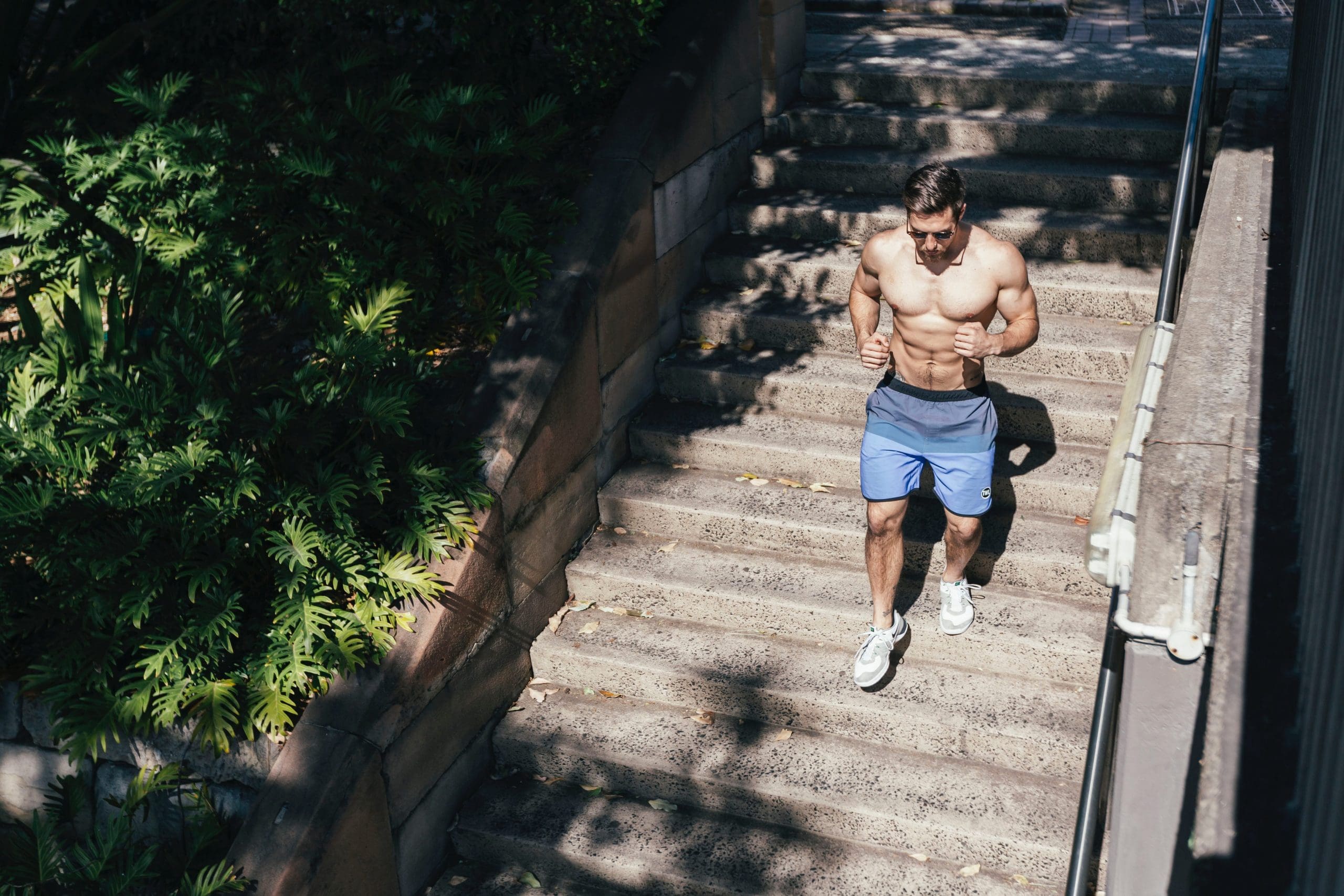
Stair climbing is one of the clearest real world tests of lower body strength and cardiovascular fitness. It requires your glutes, quadriceps, calves, core, and heart to work together. Unlike a gentle walk on flat ground, stairs quickly raise energy demand because you must repeatedly lift your body upward against gravity.
If you can walk up several flights at a steady pace, hold a conversation in short sentences, and recover within a minute or two, you likely have a useful level of everyday fitness. You do not need to sprint. The important sign is that stairs feel like a manageable challenge rather than a task that leaves you severely breathless.
3 Best Dumbbell Exercises for Ripped and Powerful Lower Abs
Large observational research has linked habitual stair climbing with lower cardiovascular and all cause mortality. This does not mean stairs alone guarantee better health. People who regularly use stairs may also have other healthy habits. Still, stair climbing is a practical example of how brief, demanding movement can add meaningful activity to normal life.
Use stairs as a personal marker rather than a competition. If you notice that your breathing settles quickly after climbing them, that is a positive sign. If stairs feel increasingly difficult, it may be a useful prompt to build your aerobic fitness and lower body strength gradually.
2. You Can Walk Briskly Without Your Pace Falling Apart
Walking is simple, but a genuinely brisk walking pace requires coordination, leg strength, balance, and cardiovascular capacity. In research settings, habitual gait speed is often used as a powerful measure of physical function, particularly as people get older.
A comfortable but purposeful walking pace usually means you can move through your community with confidence. You can cross a road without panic, keep up with friends, manage a large airport, and cover ground without every outing becoming exhausting. Faster habitual walking speed has been associated with lower mortality risk in adults and older adults.

A useful practical check is whether you can walk for 30 minutes at a pace that feels purposeful while still being able to speak in full sentences. You should be breathing harder than at rest, but not gasping. This is often called moderate intensity activity.
Walking becomes even more valuable when it is consistent. Regular walking is associated with better cardiovascular health and lower risk of several chronic conditions. It also provides an accessible way to accumulate the weekly activity recommended for health.
If your walking pace naturally remains strong toward the end of a longer walk, rather than slowing sharply because of breathlessness or aching legs, that is a very good sign that your everyday engine is working well.
3. You Can Stand Up From a Chair Repeatedly Without Using Your Hands
Standing up from a chair seems ordinary until it becomes difficult. The movement demands leg strength, hip control, balance, ankle mobility, and coordination. It also appears repeatedly in real life, whether you are getting off a sofa, leaving a restaurant, using public transportation, or rising after tying your shoes.
The five times sit to stand test is widely used in clinical and research settings to assess lower body function. It involves standing up and sitting down five times from a standard chair as quickly as possible while keeping the movement controlled. Needing to push heavily through your hands, losing balance, or becoming very breathless can suggest that lower body strength or function needs work.
For healthy adults, being able to complete repeated chair stands smoothly is more useful than chasing one universal time target. Performance changes substantially with age, body size, injury status, and chair height. Still, a fast, controlled effort is a strong sign that your legs can produce force for daily life.
Lower body strength is valuable far beyond the chair test. Stronger legs make stairs easier, improve the ability to carry loads, support athletic performance, and help maintain independence as people age. Resistance training can significantly improve lower body strength and physical function, including in older adults.
Practice can be simple. Squats to a chair, step ups, split squats, deadlifts, and loaded carries all build the muscles and coordination needed to stand up with confidence.
4. You Can Carry Heavy Shopping Bags Without Losing Your Posture
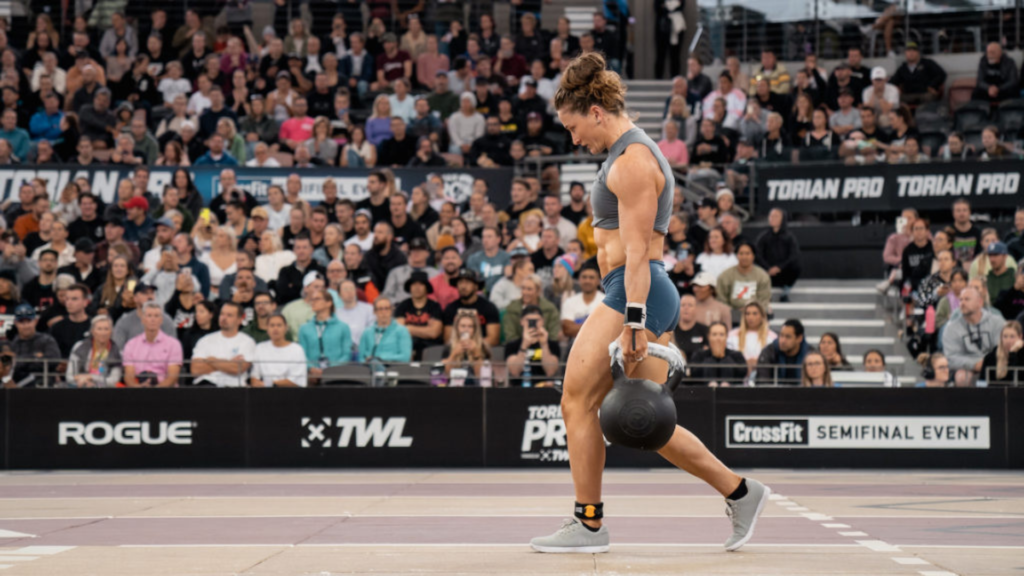
Carrying groceries, luggage, laundry, a child, or a loaded backpack is a real life strength test. These tasks challenge grip strength, upper back strength, trunk stability, and the ability of the hips and legs to maintain good posture while moving.
If you can carry two reasonably heavy shopping bags for several minutes without your hands giving up, your shoulders shrugging toward your ears, or your torso folding sideways, you likely have solid functional strength. You do not need perfect posture or exceptionally large muscles. You need enough strength and control to manage everyday loads safely.
Grip strength is particularly interesting because it is widely used in research as a marker of overall strength and health. Lower grip strength has been associated with higher risk of cardiovascular disease, disability, and mortality. Grip strength does not explain everything about a person’s fitness, but it provides useful information because it reflects the ability to create and sustain force through the hands.
Loaded carries are one of the simplest ways to improve this quality. Farmer carries, suitcase carries, and front rack carries can strengthen the hands, arms, shoulders, trunk, and legs at the same time. They also teach you to breathe and walk well while under load.
The everyday test is simple. When you carry something heavy, do you feel stable and capable, or do you immediately need to switch hands, stop, or compensate with awkward posture? Greater comfort with carrying is a strong sign of practical fitness.
5. You Can Get Down to the Floor and Back Up With Control
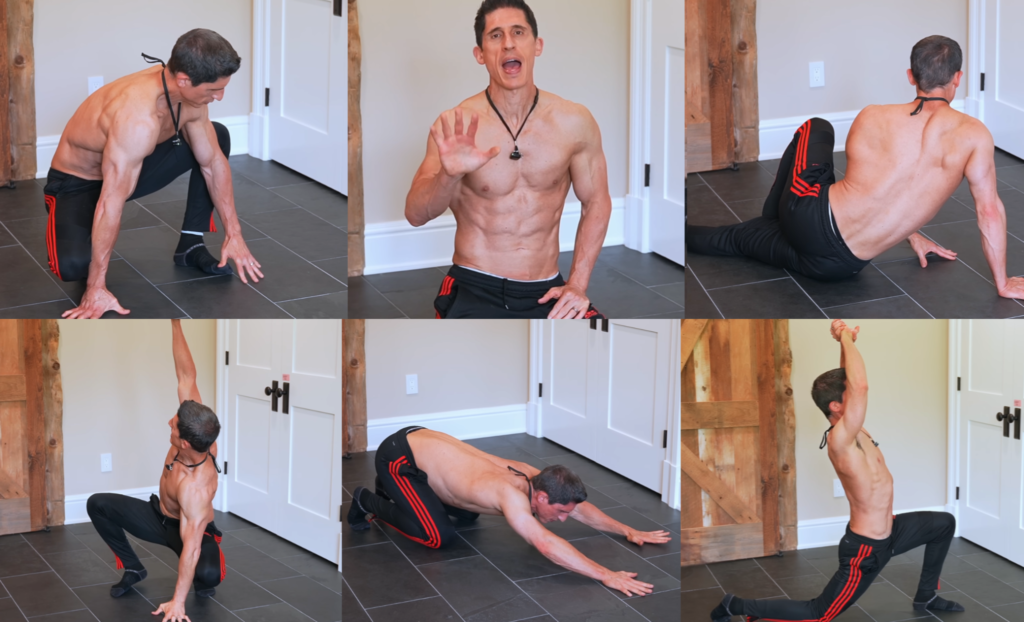
Getting down to the floor is easy for many people. Getting back up smoothly is more demanding. It requires usable mobility at the ankles, knees, hips, and upper body, combined with leg strength, balance, and coordination.
This is a neglected marker of fitness because it is rarely tested in standard gym programs. Yet it is deeply practical. You may need to sit on the floor with children, pick something up from under furniture, garden, do home repairs, play with a pet, or recover from a fall.
A capable movement does not need to look elegant. You might use one hand for light support or move through a kneeling position. The important point is that you can lower yourself and rise again without pain, panic, or needing to pull yourself up with furniture.
Research on physical function shows that lower body performance, balance, and mobility are strongly related to independence and health outcomes. The ability to move through different positions on the floor is not a single validated test in the same way as walking speed or chair stands, but it combines many of the qualities measured by those established assessments.
Training this skill can be surprisingly effective. Controlled bodyweight squats, split squats, lunges, step ups, kneeling drills, and basic mobility work can all make floor transitions easier. Start slowly if you have joint pain, dizziness, or a history of falls.
6. You Can Balance on One Leg Without Wobbling Everywhere
Balance is often underestimated because it seems separate from strength or cardiovascular fitness. In reality, good balance requires your brain, eyes, inner ear, feet, ankles, hips, and trunk to work together. It is a practical quality that helps you navigate uneven ground, step off curbs, climb stairs, and change direction safely.
A useful everyday check is whether you can stand on one leg near a wall or counter for support if needed. You should be able to stay reasonably still without immediately grabbing for support or placing the other foot down. Performance varies with age, but being able to control this position is a positive sign of lower limb stability and body awareness.
Balance ability becomes increasingly important with age because poor balance contributes to falls. Exercise programs that challenge balance, strength, and functional movement can reduce fall rates in older adults. This does not mean balance training only matters later in life. Building it earlier makes movement more confident and may help you maintain athletic options for longer.
You can improve balance without making your training complicated. Single leg Romanian deadlifts, split squats, step ups, lunges, controlled single leg stands, and walking on uneven but safe surfaces are all useful options. The goal is not to balance on unstable equipment. It is to become stable and strong on the ground where life actually happens.
7. You Recover Quickly After Normal Physical Effort
Fitness is not only about what you can do at your hardest effort. It is also about how quickly you recover once the effort ends. If you carry bags upstairs, walk quickly to catch a train, play a fast game with friends, or complete a demanding set in the gym, your breathing and heart rate should gradually return toward normal.
People with better cardiorespiratory fitness generally recover more efficiently after exercise because their heart and blood vessels are better able to deliver oxygen and remove metabolic byproducts. Heart rate recovery after exercise has also been studied as a marker associated with cardiovascular health and mortality risk.
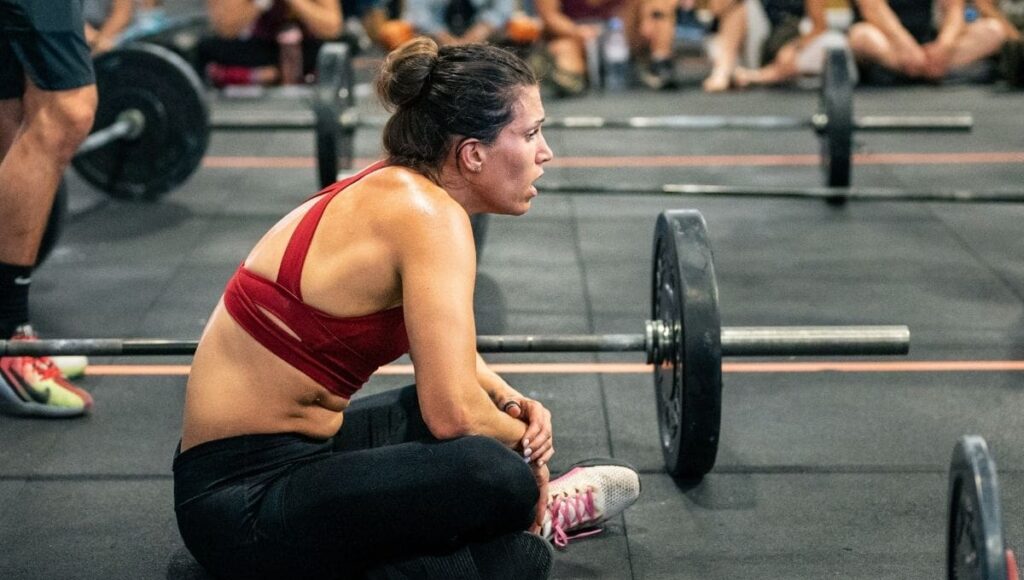
In daily life, you do not need to measure your pulse after every staircase. Pay attention to the pattern instead. If you can take a minute to breathe, then continue your day normally, that suggests a stronger aerobic base than if a brief burst of activity leaves you exhausted for a long time.
Recovery also depends on sleep, stress, hydration, illness, medications, and the intensity of the activity. A poor recovery day does not mean you are unfit. What matters is the trend over weeks and months.
To improve this capacity, combine regular moderate intensity cardio with occasional harder efforts that are appropriate for your fitness level. Brisk walking, cycling, rowing, swimming, jogging, and circuits can all help. Strength training matters too, because stronger muscles make daily tasks less demanding relative to your maximum capacity.
How to Use These Signs Without Overthinking Them
These seven signs work best as a broad self check. You do not need to excel at every one. Someone may have excellent grip strength but poor balance, or great walking fitness but limited floor mobility after an old injury. Everyday fitness is made up of several qualities.
Look for the areas that feel least capable, then train them consistently. If stairs leave you breathless, build your walking volume and add a few controlled hill or stair sessions. If carrying feels difficult, include loaded carries and basic strength work. If getting off the floor feels awkward, practice the movement slowly and strengthen your legs through a comfortable range of motion.
The goal is not simply to be above average. The goal is to build a body that makes your life easier, gives you more freedom, and remains capable as the years pass.
References
- American College of Sports Medicine (2021) ‘ACSM’s guidelines for exercise testing and prescription’, Wolters Kluwer, 11th edn.
- Bohannon, R.W. (2008) ‘Comfortable and maximum walking speed of adults aged 20 to 79 years: Reference values and determinants’, Age and Ageing, 37(4), pp. 422-430.
- Cooper, R., Kuh, D., Hardy, R. and Mortality Review Group (2010) ‘Objectively measured physical capability levels and mortality: Systematic review and meta analysis’, BMJ, 341, c4467.
- Guralnik, J.M., Simonsick, E.M., Ferrucci, L. et al. (1994) ‘A short physical performance battery assessing lower extremity function: Association with self reported disability and prediction of mortality and nursing home admission’, The Journals of Gerontology, 49(2), pp. M85-M94.
- Lee, I.M., Shiroma, E.J., Lobelo, F. et al. (2012) ‘Effect of physical inactivity on major non communicable diseases worldwide: An analysis of burden of disease and life expectancy’, The Lancet, 380(9838), pp. 219-229.
- Liu, C.J. and Latham, N.K. (2009) ‘Progressive resistance strength training for improving physical function in older adults’, Cochrane Database of Systematic Reviews, 3, CD002759.
- Paddock, S., Veerni, R., Bhalraam, U. et al. (2026) ‘Evaluating the impact of stair climbing on cardiovascular risk reduction: A systematic review and meta analysis’, American Journal of Cardiovascular Drugs, online ahead of print.
- Rikli, R.E. and Jones, C.J. (2013) Senior fitness test manual. 2nd edn. Champaign, IL: Human Kinetics.
- Ruggiero, C., Metter, E.J., Melenovsky, V. et al. (2003) ‘High basal metabolic rate is a risk factor for mortality: The Baltimore longitudinal study of aging’, The Journals of Gerontology Series A: Biological Sciences and Medical Sciences, 58(8), pp. M745-M751.
- Sui, X., LaMonte, M.J., Laditka, J.N. et al. (2007) ‘Cardiorespiratory fitness and adiposity as mortality predictors in older adults’, JAMA, 298(21), pp. 2507-2516.
- World Health Organization (2020) ‘WHO guidelines on physical activity and sedentary behaviour’, British Journal of Sports Medicine, 54(24), pp. 1451-1462.
- Yang, J., Christophi, C.A., Farioli, A. et al. (2019) ‘Association between push up exercise capacity and future cardiovascular events among active adult men’, JAMA Network Open, 2(2), e188341.
- Zhao, R., Feng, F., Wang, X. and Zhang, Y. (2017) ‘Exercise interventions and prevention of fall related fractures in older people: A meta analysis of randomized controlled trials’, International Journal of Epidemiology, 46(1), pp. 149-161.
Key Takeaways
| Everyday fitness sign | What it usually reflects | A practical way to improve it |
|---|---|---|
| Stairs feel manageable | Lower body strength and cardiovascular fitness | Brisk walking, step ups, and stair climbing |
| You maintain a purposeful walking pace | Aerobic capacity, coordination, and leg endurance | Regular brisk walks and gentle hills |
| Repeated chair stands are controlled | Leg strength, balance, and mobility | Squats, split squats, and step ups |
| Carrying bags does not wreck your posture | Grip, trunk, and upper body strength | Farmer carries and suitcase carries |
| You can get off the floor confidently | Mobility, coordination, and functional strength | Lunges, kneeling drills, and bodyweight strength work |
| One leg balance feels stable | Foot, ankle, hip, and trunk control | Single leg stands and single leg strength exercises |
| You recover quickly after effort | Cardiorespiratory fitness and general work capacity | Consistent cardio and full body strength training |