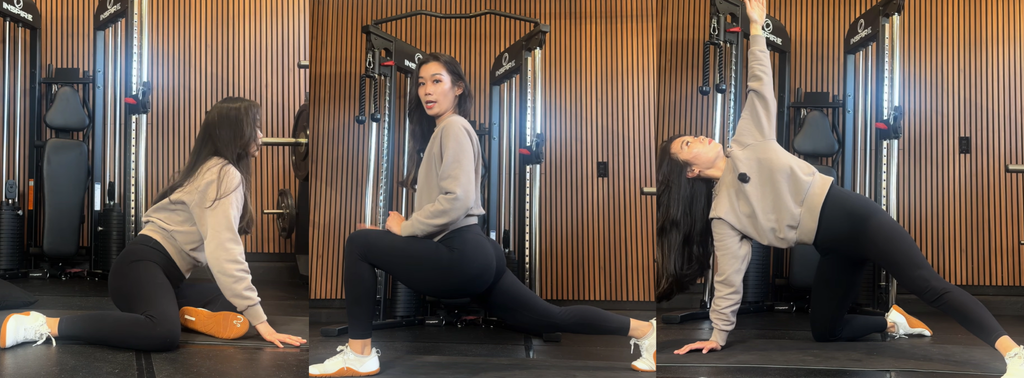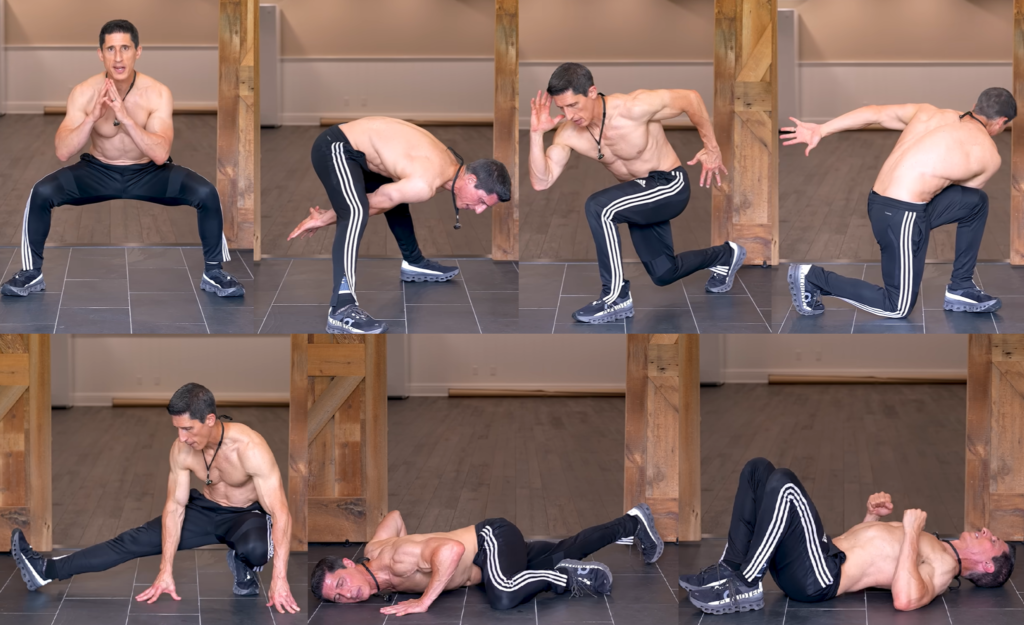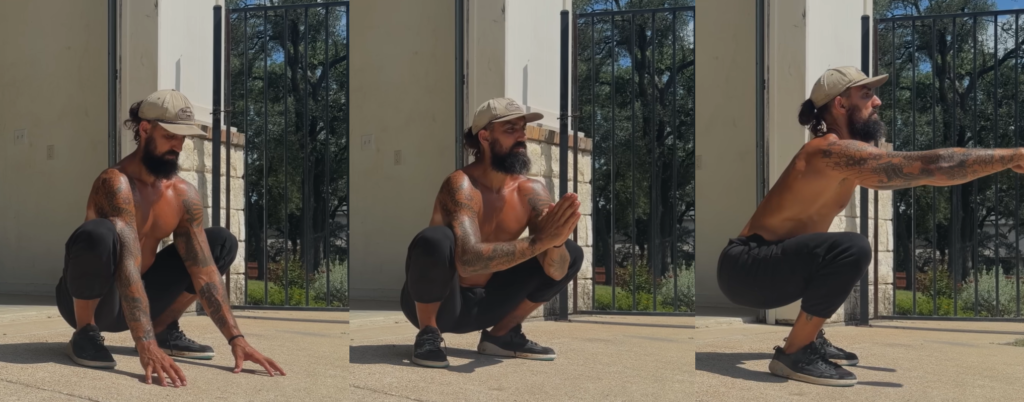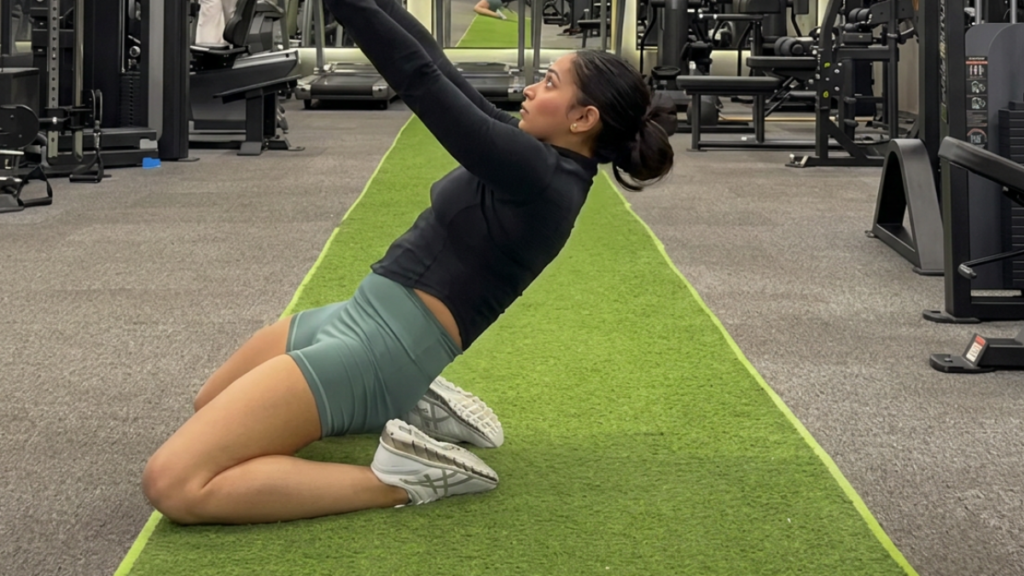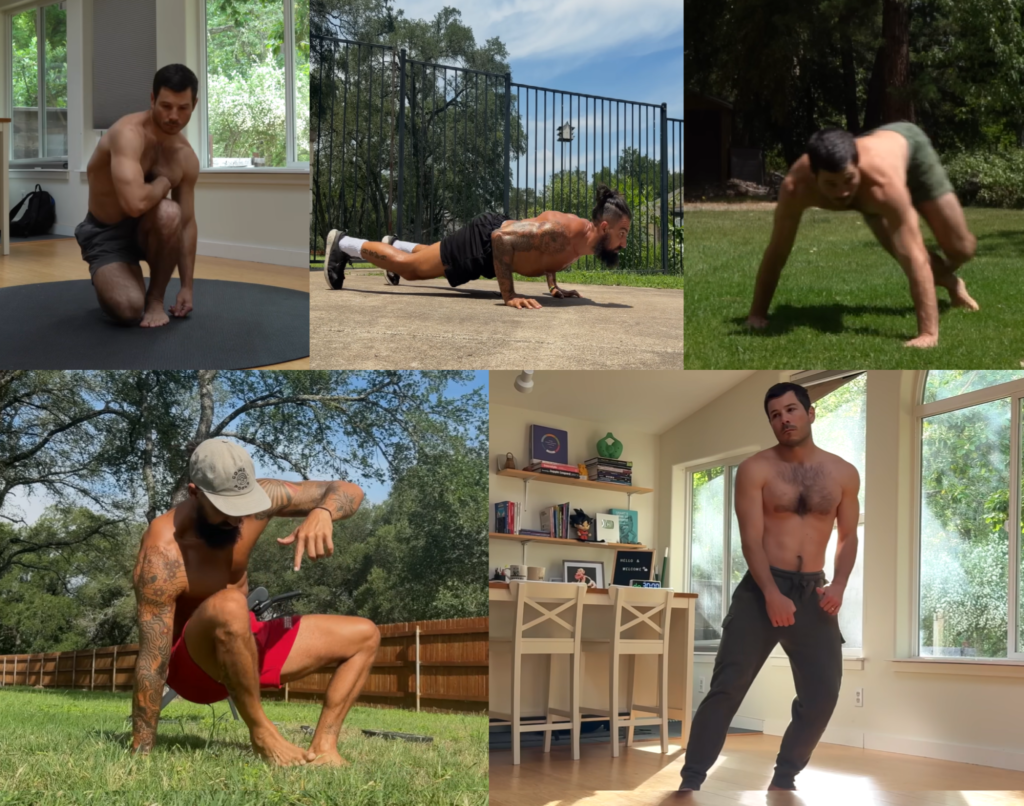


Mobility training has moved from the fringes of elite sport into the mainstream of fitness, rehabilitation, and longevity. Once dismissed as optional or reserved for warm-ups, mobility is now recognized as a core physical quality that underpins strength, speed, endurance, and injury resilience across the lifespan.
Importantly, mobility is not the same as flexibility. Flexibility refers to the passive range of motion available at a joint, while mobility describes the ability to actively control that range of motion under load and at speed.


From childhood through older adulthood, mobility determines how well we squat, reach, run, rotate, and absorb force. Losses in mobility are associated with chronic pain, reduced athletic performance, higher injury risk, and declining independence with age. The good news is that mobility is highly trainable at any stage of life when approached correctly.
This article outlines five evidence-based mobility training essentials that support lifelong performance. Each section explains what matters, why it matters, and how to apply it in real-world training, drawing on current research in biomechanics, neuroscience, and exercise physiology.
Essential 1: Maintain and Train Full Joint Range of Motion

Why Joint Range of Motion Matters
Joint range of motion is foundational to movement quality and physical capacity. Adequate range of motion allows joints to distribute stress across tissues rather than concentrating load in vulnerable structures. Restrictions in joint range of motion are linked to compensatory movement patterns, reduced force production, and increased injury risk.
Research consistently shows that limited range of motion at key joints such as the hips, ankles, shoulders, and thoracic spine alters movement mechanics during tasks like squatting, running, and overhead lifting. These compensations increase strain on adjacent joints and soft tissues, contributing to overuse injuries and chronic pain syndromes.
Age-related declines in joint range of motion are well documented. Studies show progressive reductions in shoulder, hip, and spinal mobility beginning as early as the third decade of life, with accelerated losses in sedentary individuals. These changes are driven by alterations in connective tissue stiffness, joint capsule properties, and neuromuscular control.
Active Versus Passive Range of Motion
While passive flexibility is often emphasized in stretching routines, active range of motion is more relevant for performance and injury prevention. Active range of motion reflects the nervous system’s ability to control joint positions using muscular force. This distinction matters because most injuries and performance demands occur during active movement, not passive stretching.
Research comparing static stretching to active mobility training suggests that improving active range of motion leads to better carryover into functional tasks. Active control within end ranges enhances joint stability and reduces reliance on passive structures such as ligaments and joint capsules.
Practical Application
To maintain and improve joint range of motion for lifelong performance, training should include:
• Controlled movements that explore end ranges under muscular tension
• Slow eccentrics and isometric holds at joint limits
• Loaded movements that reinforce strength through full ranges
Examples include deep split squats for hip extension, controlled ankle dorsiflexion drills under load, and shoulder controlled articular rotations performed with strict form.
Essential 2: Train Mobility Under Load

Load as a Signal for Adaptation
One of the most important principles in mobility training is that tissues adapt to the loads placed upon them. While low-load stretching can temporarily increase range of motion, long-term structural and neurological changes require progressive loading.
Tendons, ligaments, and joint capsules respond to mechanical stress by remodeling their collagen structure. This remodeling improves tissue resilience and load tolerance. Research in mechanobiology shows that appropriately dosed loading improves connective tissue stiffness in ways that support joint integrity rather than compromise it.
Training mobility under load also improves motor unit recruitment at longer muscle lengths. This increases force production capacity in extended positions, which is critical for athletic movements and daily tasks alike.
Mobility Versus Stretching
Static stretching alone does not adequately prepare tissues for high-force or high-speed demands. In some contexts, prolonged static stretching may even temporarily reduce strength and power output. In contrast, mobility training that incorporates load preserves or enhances neuromuscular performance.
Studies comparing loaded mobility exercises with passive stretching demonstrate greater improvements in active range of motion, strength at end ranges, and movement efficiency when load is included.
Practical Application
Loaded mobility does not require heavy weights. The key is progressive, controlled exposure. Examples include:
• Goblet squats emphasizing depth and control
• Jefferson curls with light loads for spinal mobility
• Weighted shoulder rotations through full ranges
The goal is not maximal loading but sufficient resistance to challenge tissues while maintaining precise movement quality.
Essential 3: Integrate Mobility With Strength Training
The False Divide Between Strength and Mobility
A persistent myth in fitness culture is that strength training and mobility training exist in opposition. In reality, strength and mobility are deeply interconnected. Strength is expressed through range of motion, and mobility without strength is unstable.
Research shows that strength training performed through full ranges of motion improves flexibility and joint health. Resistance training increases muscle fascicle length, enhances neuromuscular coordination, and promotes favorable adaptations in connective tissue.
Furthermore, athletes with greater strength at end ranges demonstrate lower injury rates and superior performance metrics compared to those who rely on passive flexibility alone.
Strength at End Ranges

Strength at end ranges is critical for deceleration, direction changes, and joint protection. Many injuries occur when a joint is forced toward the limits of its range under load. If the muscles surrounding the joint cannot generate sufficient force in these positions, passive tissues bear the load.
Training strength in lengthened positions increases tolerance to these stresses. For example, Nordic hamstring exercises improve eccentric strength at long muscle lengths and are strongly associated with reduced hamstring injury rates.
Practical Application
To integrate mobility and strength:
• Perform compound lifts through the deepest safe ranges available
• Use tempo variations to increase time under tension at end ranges
• Include isometric holds in stretched positions
Examples include paused squats, Romanian deadlifts emphasizing hip hinge depth, and overhead pressing with strict thoracic extension control.
Essential 4: Respect the Role of the Nervous System
Mobility Is Not Just Mechanical
Mobility limitations are not always caused by short or stiff tissues. The nervous system plays a central role in determining available range of motion. Protective muscle tone, pain perception, and motor control strategies all influence how freely a joint can move.
Research in neurophysiology shows that perceived threat, fatigue, and previous injury can reduce range of motion by increasing muscle guarding. In these cases, aggressive stretching may be counterproductive, as it reinforces threat responses rather than resolving them.
Motor Control and Proprioception
Improving mobility often requires improving the brain’s map of joint positions and movement options. Proprioceptive training enhances the nervous system’s confidence in controlling end ranges, allowing greater freedom of movement.
Slow, deliberate mobility drills improve cortical representation of joints and muscles. This leads to smoother movement patterns and reduced unnecessary muscle co-contraction.
Breathing and Autonomic Regulation
Breathing patterns influence mobility through their effects on muscle tone and autonomic nervous system balance. Research shows that slow, diaphragmatic breathing reduces sympathetic nervous system activity and decreases resting muscle tension.
Integrating controlled breathing into mobility work can improve outcomes, particularly for individuals with chronic pain or stress-related movement restrictions.
Practical Application
To address the nervous system’s role in mobility:
• Use slow, controlled movements rather than forceful stretching
• Incorporate breathing techniques that promote relaxation
• Emphasize movement quality over intensity
Examples include slow joint circles synchronized with breathing and isometric holds performed below pain thresholds.
Essential 5: Train Mobility Consistently Across the Lifespan
Mobility Declines Are Not Inevitable
While age-related changes in mobility are common, they are not unavoidable. Longitudinal studies show that physically active older adults maintain significantly greater range of motion, strength, and functional capacity than sedentary peers.
Regular mobility training preserves connective tissue elasticity, joint nutrition, and neuromuscular coordination. It also supports balance, reaction time, and confidence in movement, all of which are essential for injury prevention and independence.
Dose and Frequency Matter
Mobility adaptations respond best to frequent, low-to-moderate doses rather than infrequent, high-intensity sessions. Daily or near-daily exposure reinforces motor patterns and tissue adaptations without excessive fatigue.
Research suggests that short mobility sessions integrated into warm-ups or cooldowns are more sustainable and effective than isolated flexibility programs performed sporadically.
Mobility for Performance and Longevity
For athletes, mobility supports performance by enabling efficient force transfer and reducing energy leaks. For non-athletes, mobility supports quality of life by making everyday tasks easier and safer.
In both cases, mobility training should evolve with age and training history. Younger individuals may emphasize range expansion and control under load, while older adults may prioritize joint health, balance, and pain-free movement.
Practical Application
Lifelong mobility training should include:
• Daily joint movement through comfortable ranges
• Progressive challenges appropriate to age and training status
• Integration with strength, endurance, and skill training
Consistency, not intensity, is the defining factor.
Bringing It All Together
Mobility training is not a separate discipline reserved for warm-ups or recovery days. It is a fundamental component of physical performance and long-term health. By maintaining joint range of motion, training mobility under load, integrating strength and mobility, respecting the nervous system, and committing to consistent practice, individuals can preserve movement capacity across decades.
The evidence is clear: mobility is trainable, adaptable, and essential. When approached with intention and supported by science, mobility training becomes one of the most powerful tools for lifelong performance.
References
• Behm, D.G. and Chaouachi, A., 2011. A review of the acute effects of static and dynamic stretching on performance. European Journal of Applied Physiology, 111(11), pp.2633–2651.
• Björklund, M., Hamberg, J. and Crenshaw, A.G., 2001. Sensory adaptation after a 2-week stretching regimen of the rectus femoris muscle. Archives of Physical Medicine and Rehabilitation, 82(9), pp.1245–1250.
• Clark, N.C., Röijezon, U. and Treleaven, J., 2015. Proprioception in musculoskeletal rehabilitation. Part 2: clinical assessment and intervention. Manual Therapy, 20(3), pp.378–387.
• Freitas, S.R. and Mil-Homens, P., 2015. Effect of 8-week high-intensity stretching training on biceps femoris architecture. Journal of Strength and Conditioning Research, 29(6), pp.1737–1746.
• Kay, A.D. and Blazevich, A.J., 2012. Effect of acute static stretch on maximal muscle performance. Medicine & Science in Sports & Exercise, 44(1), pp.154–164.
• Magnusson, S.P., Simonsen, E.B., Aagaard, P., Sørensen, H. and Kjaer, M., 1996. A mechanism for altered flexibility in human skeletal muscle. Journal of Physiology, 497(1), pp.291–298.