

Fat loss is often framed as a battle of willpower, discipline, and extreme effort. In reality, the process is far more biological and behavioral than motivational. The human body is designed to resist weight loss through complex hormonal and neurological mechanisms. This is why many people struggle to lose fat and keep it off, even when they feel like they are doing everything right.
The good news is that research has consistently shown that certain habits can make fat loss significantly easier by working with your biology rather than against it. These habits do not rely on extreme restriction or unsustainable routines. Instead, they improve appetite control, energy balance, and metabolic health in a way that reduces friction in the fat loss process.


Habit 1: Prioritize Protein at Every Meal
Protein is the most powerful macronutrient for fat loss. It influences appetite, metabolism, and body composition in ways that carbohydrates and fats do not.
Why Protein Matters for Fat Loss
Protein has a higher thermic effect than other macronutrients. This means your body burns more calories digesting and processing it. Studies show that protein can increase thermogenesis by up to 20 to 30 percent of its energy content, compared to 5 to 10 percent for carbohydrates and 0 to 3 percent for fats.

Protein also directly impacts appetite. It increases levels of satiety hormones such as peptide YY and GLP 1, while reducing levels of the hunger hormone ghrelin. This leads to lower overall calorie intake without conscious restriction.
In addition, protein helps preserve lean muscle mass during weight loss. Losing muscle slows metabolism, which makes fat loss harder over time. Higher protein intake helps maintain muscle, keeping your metabolism more stable.
Evidence Supporting High Protein Diets
Clinical trials consistently show that higher protein diets lead to greater fat loss and better weight maintenance. One well controlled study found that increasing protein intake to around 30 percent of daily calories resulted in a spontaneous reduction in calorie intake of about 400 calories per day. Participants lost significant body fat without intentionally dieting.
Another study compared high protein diets to standard protein diets during weight loss. The high protein group lost more fat and retained more lean mass, even when calorie intake was the same. Long term research also shows that higher protein intake improves adherence to diets. People feel fuller, experience fewer cravings, and are less likely to overeat.
How Much Protein Do You Need
For fat loss, most evidence supports a protein intake of:
- 1.6 to 2.2 grams per kilogram of body weight per day
- Spread evenly across meals
For example, a 80 kilogram person would aim for 128 to 176 grams of protein daily.

Practical Tips for Increasing Protein Intake
- Include a protein source in every meal
- Aim for at least 25 to 40 grams of protein per meal
- Choose lean protein sources such as chicken, fish, eggs, Greek yogurt, and legumes
- Use protein shakes if needed for convenience
This habit alone can significantly reduce hunger and make calorie control easier without relying on willpower.
Habit 2: Structure Your Eating Around Whole Foods
The quality of your food matters just as much as the quantity. Whole foods naturally regulate appetite and energy intake, making fat loss more manageable.
What Are Whole Foods
Whole foods are minimally processed foods that retain their natural structure and nutrient content. Examples include:
- Fruits and vegetables
- Whole grains
- Lean meats and fish
- Eggs
- Nuts and seeds
- Legumes
Highly processed foods, on the other hand, are engineered to be hyper palatable. They often combine high levels of sugar, fat, and salt, which can override normal hunger signals.
How Whole Foods Support Fat Loss
Whole foods tend to be lower in energy density. This means they provide fewer calories per gram of food. You can eat larger portions while consuming fewer calories.
They are also richer in fiber and water, both of which increase fullness. Fiber slows digestion and promotes satiety, while water adds volume without calories. In contrast, ultra processed foods are easy to overeat because they require less chewing, are quickly digested, and do not trigger strong satiety signals.
Evidence Comparing Whole Foods and Processed Foods
A landmark randomized controlled trial compared diets made up of ultra processed foods versus unprocessed foods. Participants were allowed to eat as much as they wanted.
The results were striking. When eating ultra processed foods, participants consumed about 500 more calories per day and gained weight. When eating whole foods, they naturally reduced calorie intake and lost weight, without being told to restrict calories. This demonstrates that food quality alone can drive fat loss by influencing appetite and energy intake.
The Role of Fiber
Fiber plays a key role in the effectiveness of whole foods. High fiber diets are associated with lower body weight and improved metabolic health. Fiber slows gastric emptying, stabilizes blood sugar levels, and promotes the release of satiety hormones. It also supports gut health, which may influence weight regulation.
Practical Tips for Eating More Whole Foods
- Base your meals around whole ingredients rather than packaged products
- Fill half your plate with vegetables
- Choose whole grains instead of refined grains
- Limit foods with long ingredient lists
- Prepare meals at home when possible
You do not need to eliminate all processed foods, but shifting the majority of your diet toward whole foods can dramatically reduce calorie intake without effort.
Habit 3: Improve Sleep and Manage Stress

Fat loss is not just about diet and exercise. Sleep and stress play a major role in regulating hormones that control hunger, metabolism, and fat storage.
The Impact of Sleep on Fat Loss
Sleep deprivation disrupts key hormones involved in appetite regulation. Short sleep duration increases ghrelin, the hormone that stimulates hunger, and decreases leptin, the hormone that signals fullness. This leads to increased appetite and cravings, particularly for high calorie foods.
Sleep loss also impairs glucose metabolism and insulin sensitivity, which can promote fat storage. In addition, lack of sleep reduces energy levels, making it harder to stay active and maintain healthy habits.
Evidence on Sleep and Weight Regulation
Research shows that people who sleep less than six hours per night are more likely to gain weight over time.
In controlled studies, sleep restricted participants consumed significantly more calories than those who were well rested. They also showed a preference for energy dense foods. Another study found that when people diet while sleep deprived, a greater proportion of weight loss comes from muscle rather than fat. This is not ideal, as it slows metabolism.
The Role of Stress in Fat Gain
Chronic stress elevates cortisol levels. Cortisol is a hormone that increases appetite and promotes fat storage, especially in the abdominal area. Stress can also lead to emotional eating and poor food choices. Many people turn to high calorie comfort foods during stressful periods. Over time, this creates a cycle of overeating and weight gain.
Evidence Linking Stress to Obesity
Studies show that individuals with higher perceived stress levels tend to have higher body weight and greater abdominal fat. Experimental research also demonstrates that stress can increase calorie intake, particularly from sugary and fatty foods.
Practical Strategies to Improve Sleep and Reduce Stress
Improving sleep and managing stress does not require drastic changes. Small consistent habits can have a large impact.
For sleep:
- Aim for 7 to 9 hours per night
- Maintain a consistent sleep schedule
- Limit screen exposure before bed
- Keep your bedroom dark and cool
For stress:
- Practice mindfulness or meditation
- Engage in regular physical activity
- Spend time outdoors
- Build strong social connections
These strategies help regulate hormones, reduce cravings, and support sustainable fat loss.
Why These Habits Work Together
Each of these habits targets a different aspect of fat loss, but they are most effective when combined.
- Protein improves satiety and preserves muscle
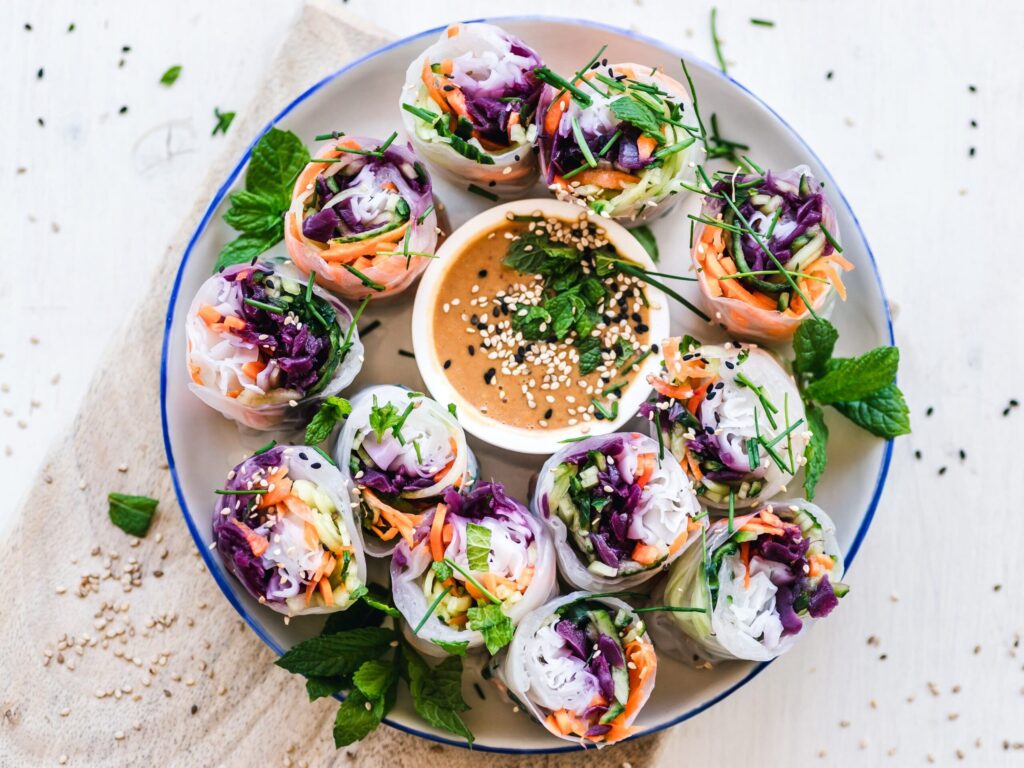
- Whole foods reduce calorie intake naturally
- Sleep and stress regulate hormones and behavior
Together, they create an environment where fat loss happens with less resistance. Instead of constantly fighting hunger and fatigue, your body begins to support your goals.
Common Mistakes to Avoid
Even with the right habits, certain mistakes can slow progress.
Over Restricting Calories
Extreme calorie restriction can backfire by increasing hunger and reducing metabolic rate. Sustainable fat loss requires a moderate calorie deficit.
Ignoring Protein Intake
Many people focus on calories alone and neglect protein. This often leads to muscle loss and increased hunger.
Relying on Processed Diet Foods
Low calorie processed foods can still be highly palatable and easy to overeat. Whole foods are generally more effective.
Neglecting Recovery
Poor sleep and high stress can undermine even the best diet. Recovery is a critical component of fat loss.
Conclusion
Fat loss does not need to be complicated or miserable. By focusing on a few key habits, you can make the process significantly easier and more sustainable.
Prioritizing protein helps control appetite and maintain muscle. Eating mostly whole foods reduces calorie intake without effort. Improving sleep and managing stress keeps your hormones working in your favor.
These habits are simple, but they are not always easy. Consistency is what matters most. Over time, small changes compound into meaningful results. If you want fat loss to feel less like a constant struggle, start by implementing these three habits. They are grounded in science and proven to work in real world settings.
References
- Astrup, A., Raben, A. and Geiker, N. (2015). The role of higher protein diets in weight control and obesity related comorbidities. International Journal of Obesity, 39(5), pp.721–726.
- Hall, K.D., Ayuketah, A., Brychta, R., Cai, H., Cassimatis, T., Chen, K.Y., Chung, S.T., Costa, E., Courville, A., Darcey, V. and Fletcher, L.A. (2019). Ultra processed diets cause excess calorie intake and weight gain. Cell Metabolism, 30(1), pp.67–77.
- Leidy, H.J., Clifton, P.M., Astrup, A., Wycherley, T.P., Westerterp Plantenga, M.S., Luscombe Marsh, N.D., Woods, S.C., Mattes, R.D. and Westerterp, K.R. (2015). The role of protein in weight loss and maintenance. American Journal of Clinical Nutrition, 101(6), pp.1320S–1329S.
- Spiegel, K., Tasali, E., Penev, P. and Van Cauter, E. (2004). Sleep curtailment in healthy young men is associated with decreased leptin levels and increased hunger. Annals of Internal Medicine, 141(11), pp.846–850.
- Nedeltcheva, A.V., Kilkus, J.M., Imperial, J., Schoeller, D.A. and Penev, P.D. (2010). Insufficient sleep undermines dietary efforts to reduce adiposity. Annals of Internal Medicine, 153(7), pp.435–441.