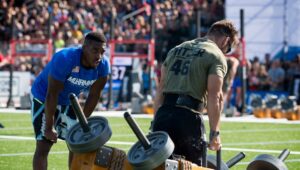
HYROX is brutally simple on paper and brutally hard in reality. You run. You lift. You push. You pull. You repeat. Over and over, at high intensity, for around 60 to 90 minutes depending on your level. That combination of sustained running and heavy functional work places unique demands on the body that sit somewhere between endurance sport and high-intensity functional training.
Nutrition is not a “nice to have” for HYROX athletes. It directly influences how fast you can run, how strong you feel under fatigue, how well you recover between sessions, and how reliably you perform on race day. Unlike fad diets or generic fitness advice, eating for HYROX requires an understanding of energy systems, muscle damage, hydration, and gastrointestinal tolerance under stress.


This article breaks down seven evidence-based nutrition strategies that directly support HYROX performance. Every recommendation is grounded in peer-reviewed research, explained in plain English, and focused on real-world application for competitive and everyday HYROX athletes alike.
Tip 1: Eat Enough Carbohydrates to Fuel High-Intensity Work

Why Carbohydrates Matter for HYROX
HYROX events rely heavily on glycolysis, the metabolic pathway that uses carbohydrate stored as muscle glycogen to produce energy quickly. While fat oxidation plays a role at lower intensities, repeated bouts of running, sled pushes, wall balls, and lunges push athletes above the intensity where fat alone can meet energy demands.
Multiple studies show that high-intensity exercise performance declines sharply when muscle glycogen is depleted. Low carbohydrate availability has been consistently linked to reduced power output, slower time-to-exhaustion, and impaired sprint and repeated-effort performance.
In practical terms, if you under-eat carbohydrates, you will feel flat during runs, heavy during sleds, and mentally fatigued earlier than expected.
How Much Carbohydrate Do HYROX Athletes Need?
Research on endurance and hybrid athletes suggests carbohydrate requirements scale with training volume and intensity. For athletes training most days of the week with a mix of running and strength work, recommended intakes typically fall between 5–7 g of carbohydrate per kilogram of body weight per day. During periods of high volume or race preparation, this can increase to 7–10 g/kg/day.
These ranges are supported by studies showing improved performance, better glycogen replenishment, and enhanced training quality when carbohydrate intake matches workload.
For a 75 kg athlete, this could mean anywhere from 375 to 750 g of carbohydrates per day depending on training demands.
Best Carbohydrate Sources for Performance
Carbohydrates do not need to be exotic or complicated. Research shows no inherent performance advantage of “special” carb sources over traditional starches and fruits, provided overall intake is sufficient.
Effective carbohydrate sources include:
- Rice, potatoes, oats, and pasta
- Fruit and fruit juices
- Bread, bagels, and cereals
- Legumes and beans
- Dairy products with lactose
The key factor is digestibility and tolerance. Athletes should prioritize foods they digest well, especially in the 24–48 hours before intense sessions or competitions.
Tip 2: Time Your Carbohydrate Intake Around Training
The Science of Nutrient Timing
While total daily intake matters most, timing carbohydrates around training has been shown to improve performance and recovery. Consuming carbohydrates before exercise increases blood glucose availability and preserves muscle glycogen, delaying fatigue. Post-exercise carbohydrate intake accelerates glycogen resynthesis, particularly when training sessions are close together.
Studies demonstrate that consuming carbohydrates within the first few hours after training can double glycogen restoration rates compared to delayed intake, especially when combined with protein.
Pre-Training Nutrition for HYROX Sessions
Research suggests that consuming 1–4 g of carbohydrate per kilogram of body weight in the 1–4 hours before exercise improves endurance and high-intensity performance. For HYROX-style sessions, most athletes perform best with a moderate pre-session meal 2–3 hours before training.
Examples include:
- Oats with fruit
- Rice with lean protein
- Toast with jam and yogurt
- Smoothies with fruit and milk
Very large meals immediately before training can impair performance due to gastrointestinal distress, so portion size and timing should be individualized.
Post-Training Carbohydrates for Recovery

After training, consuming 1.0–1.2 g/kg/hour of carbohydrates for the first 3–4 hours has been shown to maximize glycogen resynthesis. This is particularly important during high-volume weeks or double-session days.
Pairing carbohydrates with protein enhances recovery further, which leads directly into the next tip.
Tip 3: Prioritize Protein for Strength, Power, and Recovery
Protein and Muscle Adaptation
HYROX places significant stress on skeletal muscle through loaded movements, eccentric contractions, and repeated impacts from running. Protein provides the amino acids required for muscle repair, remodeling, and adaptation.
Decades of research confirm that adequate protein intake supports increases in lean mass, strength, and recovery in resistance-trained and mixed-modality athletes. Insufficient protein intake is associated with impaired recovery, increased soreness, and reduced training adaptations.
How Much Protein Is Optimal?
Meta-analyses indicate that protein intakes of 1.6–2.2 g/kg/day maximize muscle protein synthesis in trained individuals. Athletes performing concurrent endurance and strength training may benefit from intakes at the upper end of this range due to higher muscle damage and amino acid oxidation.
For most HYROX athletes, 1.8–2.2 g/kg/day is a practical target.
Protein Distribution Across the Day
Research shows that distributing protein evenly across meals improves muscle protein synthesis compared to skewing intake toward a single large meal. Doses of 0.25–0.40 g/kg per meal appear to maximize the anabolic response.
For a 75 kg athlete, this equates to roughly 20–30 g of protein per meal, spread across 4–5 meals or snacks.
High-Quality Protein Sources
Protein quality matters. Animal-based proteins generally provide a complete amino acid profile with high leucine content, which is critical for stimulating muscle protein synthesis.
Effective protein sources include:
- Lean meats and poultry
- Fish and seafood
- Eggs
- Dairy products such as milk, yogurt, and whey protein
- Soy and mixed plant protein sources for plant-based athletes

Tip 4: Do Not Fear Dietary Fat, but Use It Strategically
The Role of Fat in Performance Nutrition
Dietary fat is essential for hormone production, cell membrane integrity, vitamin absorption, and overall health. However, fat is not a primary fuel source during high-intensity efforts like sled pushes or fast running intervals.
Studies show that very low-fat diets can negatively impact testosterone levels and overall energy intake, while excessively high-fat diets may displace carbohydrates and impair high-intensity performance.
Optimal Fat Intake for HYROX Athletes
Most research supports fat intakes of 20–35 percent of total daily energy intake for athletes. This range allows adequate carbohydrate and protein intake while supporting health and recovery.
Fat intake should be higher on lower-intensity or rest days and slightly reduced on high-intensity training or competition days to prioritize carbohydrate availability.
Choosing Performance-Supportive Fats
The type of fat consumed matters. Diets high in unsaturated fats are associated with better cardiovascular health and reduced inflammation.
Good fat sources include:
- Olive oil and avocado
- Nuts and seeds
- Fatty fish
- Whole eggs
Highly processed trans fats should be minimized due to their negative health effects.
Tip 5: Hydration and Electrolytes Are Performance Multipliers
Dehydration and Performance Decline
Even mild dehydration of 2 percent body weight has been shown to impair endurance performance, cognitive function, and high-intensity exercise capacity. HYROX events involve significant sweating, particularly in indoor arenas with limited airflow.
Fluid losses vary widely between athletes, but dehydration consistently increases perceived exertion and reduces power output.
Sodium and Electrolyte Balance
Sweat contains sodium, potassium, and other electrolytes critical for nerve conduction and muscle contraction. Sodium losses are particularly important, as low sodium levels can impair performance and increase the risk of cramping.
Studies show that replacing sodium during prolonged or high-sweat exercise improves fluid retention and performance compared to water alone.
Practical Hydration Guidelines
Athletes should aim to:
- Begin sessions well hydrated
- Consume fluids during longer or intense workouts
- Replace sodium through food or electrolyte drinks, especially in hot conditions
Individual sweat rate testing is ideal, but a practical approach is to monitor body weight changes across sessions and adjust fluid intake accordingly.
Tip 6: Fuel During Long or High-Intensity Sessions
Intra-Workout Nutrition Science
Consuming carbohydrates during exercise lasting longer than 60 minutes has been shown to improve endurance, maintain blood glucose, and reduce perceived effort. While HYROX races are relatively short compared to marathons, the intensity is high and glycogen depletion can still be significant.
Research indicates that consuming 30–60 g of carbohydrate per hour during prolonged high-intensity exercise improves performance, even in events under two hours.
When Intra-Workout Fuel Makes Sense
Intra-workout nutrition is most useful for:
- Long training sessions over 75 minutes
- Race simulations
- Competition day
Easily digestible carbohydrates such as glucose, maltodextrin, or blended carbohydrate sources reduce gastrointestinal distress and improve absorption.
Training the Gut
Studies highlight that gastrointestinal tolerance can be trained. Athletes who practice fueling during training experience fewer stomach issues on race day and can tolerate higher carbohydrate intakes.
Tip 7: Support Recovery and Immune Function With Micronutrients

Micronutrients and Athletic Performance
While macronutrients provide energy and structural components, micronutrients support energy metabolism, oxygen transport, and immune function. Deficiencies in iron, vitamin D, calcium, and magnesium are common in active populations and can impair performance and recovery.
Iron and Endurance Capacity
Iron is critical for oxygen transport and mitochondrial function. Iron deficiency, even without anemia, has been linked to reduced endurance performance and increased fatigue.
Female athletes and high-volume endurance athletes are at particular risk and should monitor iron status regularly.
Vitamin D and Muscle Function
Vitamin D plays a role in muscle strength, immune health, and bone integrity. Low vitamin D levels are common, particularly in indoor athletes or those training in winter months.
Supplementation in deficient individuals has been shown to improve muscle function and reduce injury risk.
Food-First Micronutrient Strategy
A varied diet rich in whole foods typically covers micronutrient needs. Emphasis should be placed on:
- Fruits and vegetables
- Lean proteins
- Dairy or fortified alternatives
- Whole grains
Supplementation should be individualized and guided by blood testing where possible.
References
- Burke, L.M., Hawley, J.A., Wong, S.H.S. and Jeukendrup, A.E., 2011. Carbohydrates for training and competition. Journal of Sports Sciences, 29(S1), pp.S17–S27.
- Cermak, N.M. and van Loon, L.J.C., 2013. The use of carbohydrates during exercise as an ergogenic aid. Sports Medicine, 43(11), pp.1139–1155.
- Jäger, R., Kerksick, C.M., Campbell, B.I., et al., 2017. International Society of Sports Nutrition position stand: protein and exercise. Journal of the International Society of Sports Nutrition, 14(1), pp.1–25.
- Morton, R.W., Murphy, K.T., McKellar, S.R., et al., 2018. A systematic review, meta-analysis and meta-regression of the effect of protein supplementation on resistance training–induced gains in muscle mass and strength. British Journal of Sports Medicine, 52(6), pp.376–384.