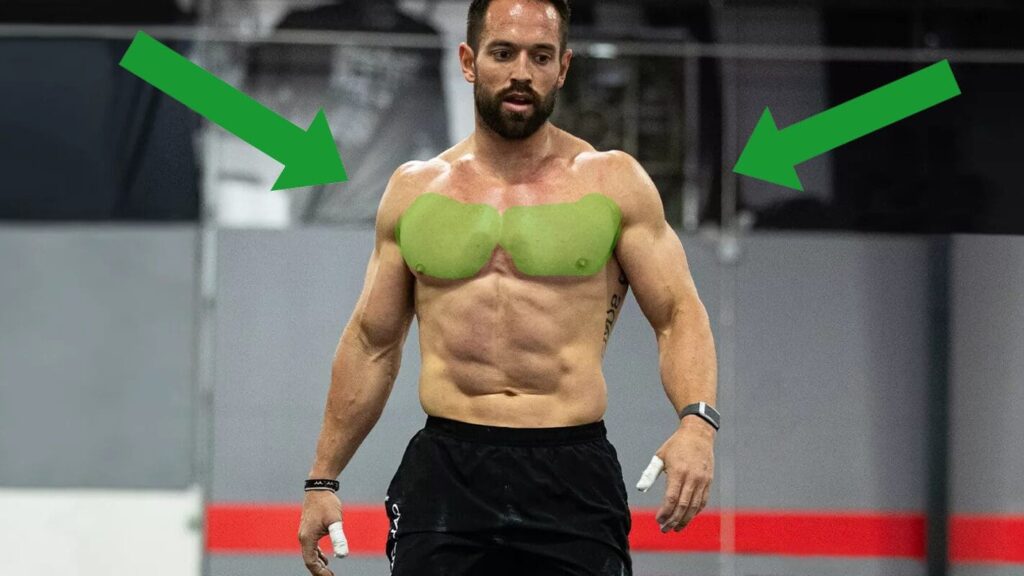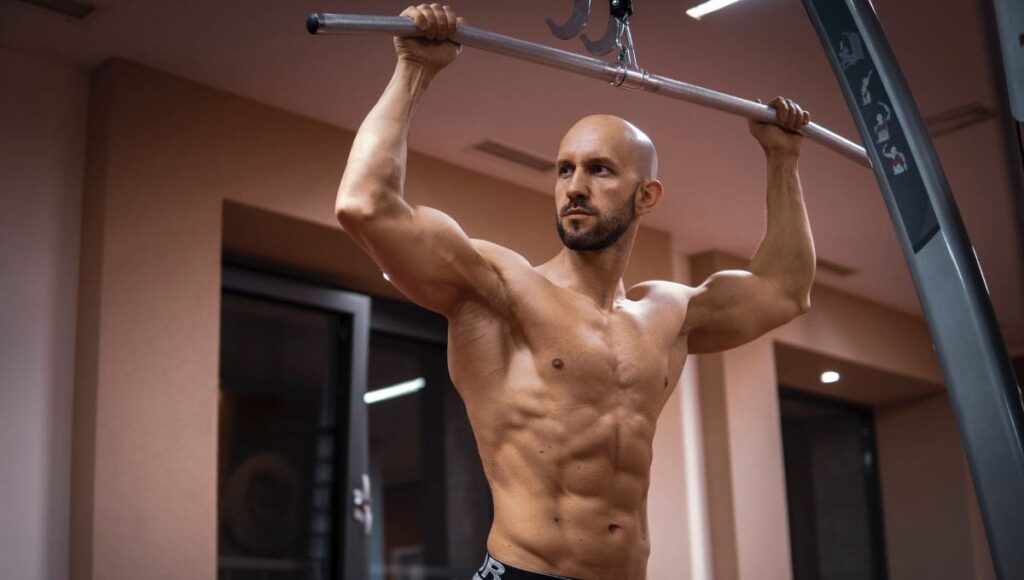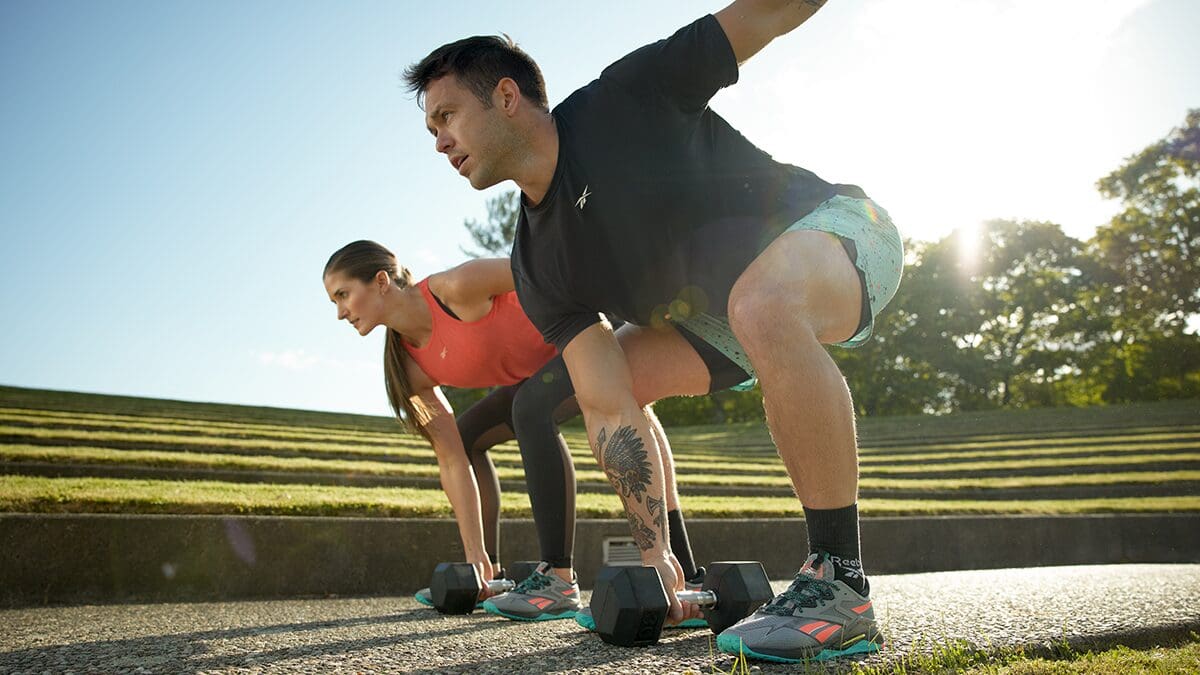


Strong arms are about more than aesthetics. In functional fitness, arm strength supports pulling, pushing, carrying, climbing, pressing overhead, and stabilizing the shoulder under load. Whether you are doing muscle-ups, lifting awkward objects, or simply carrying groceries, strong arms improve performance and reduce injury risk.
But not all arm training is created equal. Research consistently shows that compound, multi-joint movements produce greater overall strength gains, higher neuromuscular activation, and better functional carryover than isolation work alone. Functional fitness training, which emphasizes multi-planar movements, free weights, bodyweight control, and stability demands, builds arm strength in a way that transfers to real-world tasks.


This article breaks down three science-backed functional fitness workouts designed to build stronger arms. Each workout targets the biceps, triceps, forearms, and supporting musculature of the shoulders and upper back using evidence-based principles such as progressive overload, mechanical tension, metabolic stress, and neuromuscular coordination.
The Science of Building Stronger Arms
Before diving into the workouts, it helps to understand how arm strength develops.
Mechanical Tension Drives Strength and Hypertrophy
Mechanical tension is the primary stimulus for muscle growth and strength development. When muscles are loaded under resistance, they generate tension that triggers signaling pathways involved in muscle protein synthesis. Research has shown that higher-load resistance training increases strength effectively, particularly when performed close to muscular failure.

Multi-joint exercises such as pull-ups, rows, presses, and carries allow for higher absolute loads than isolation exercises. This increases overall mechanical tension across the elbow flexors (biceps brachii, brachialis), elbow extensors (triceps brachii), and forearm musculature.
Multi-Joint Movements Recruit More Muscle Mass
Electromyography (EMG) studies show that compound exercises like pull-ups and push-ups significantly activate the biceps and triceps alongside the larger muscle groups of the back and chest. For example, the triceps brachii demonstrates high activation during push-ups and bench presses, particularly in the lockout phase.
Greater muscle recruitment means a stronger neural stimulus. Increased motor unit recruitment and improved intermuscular coordination are key drivers of strength gains.
Training Volume and Frequency Matter
Strength gains depend on appropriate volume and frequency. Evidence suggests that training each muscle group at least twice per week may produce superior hypertrophy compared to once-weekly training, assuming total weekly volume is equated. Total weekly sets per muscle group in the range of 10–20 sets appears effective for trained individuals.
These workouts are designed to fit into a weekly schedule that supports adequate volume for arm development without overtraining.
Grip Strength Is a Foundation
Grip strength strongly correlates with overall upper body strength and functional capacity. Loaded carries, hangs, and pulling movements improve forearm strength and neuromuscular control. Stronger grip strength has also been associated with improved functional performance and reduced injury risk in various populations.
Workout 1: Pull and Carry Power
This workout focuses on pulling strength, elbow flexion, and grip endurance. It builds strong biceps, forearms, and upper back muscles, which are critical for functional arm strength.
Structure
Perform 4 rounds of:
- 8–12 Pull-Ups (strict)
- 10 Dumbbell Renegade Rows (5 per side)
- 30–40 meters Heavy Farmer’s Carry
- Rest 90–120 seconds
Choose loads that bring you close to technical failure within the prescribed rep range.
Exercise 1: Strict Pull-Ups
Pull-ups are one of the most effective bodyweight exercises for building arm strength. EMG research shows high activation of the biceps brachii and brachialis during pull-ups, particularly in supinated and neutral grips.
Benefits:
- High biceps activation
- Significant grip demand
- Scapular stabilization
- Core engagement
If needed, use resistance bands or an assisted machine. If advanced, add weight using a belt.
Progression:
Increase reps within the range first. Once you exceed 12 reps per set, begin adding external load.
Exercise 2: Dumbbell Renegade Rows
Renegade rows combine horizontal pulling with anti-rotation core stability. They heavily recruit the elbow flexors and scapular retractors while requiring isometric triceps stabilization in the supporting arm.
Research indicates that unstable or anti-rotation demands increase core activation without significantly reducing prime mover recruitment when load is appropriate.
Coaching cues:
- Keep hips square
- Avoid excessive torso rotation
- Row the elbow toward the hip
Exercise 3: Heavy Farmer’s Carry
The farmer’s carry is a cornerstone of functional training. It builds grip strength, forearm endurance, and shoulder stability.

Loaded carries increase muscle activation in the forearms and trapezius while improving core stiffness and posture. Research shows that loaded carries improve overall work capacity and grip endurance.
Coaching cues:
- Stand tall
- Squeeze the handles
- Walk under control
Why This Workout Works
This session combines:
- Vertical pulling (pull-ups)
- Horizontal pulling with anti-rotation (renegade rows)
- Loaded grip endurance (farmer’s carries)
Together, these create high mechanical tension, significant metabolic stress, and strong neural adaptations in the arm musculature.
Workout 2: Pressing Strength and Triceps Development
Strong triceps are essential for pushing power. The triceps contribute significantly to elbow extension during pressing movements, especially near lockout.
Structure
Perform 4–5 rounds of:
- 8–10 Dumbbell Push Press
- 10–15 Close-Grip Push-Ups
- 8–12 Ring Dips or Parallel Bar Dips
- Rest 2 minutes
Exercise 1: Dumbbell Push Press
The push press uses leg drive to move heavier loads overhead than a strict press. Although it involves the lower body, the triceps play a critical role in locking out the weight overhead.
Studies on overhead pressing show significant activation of the triceps brachii, particularly during the final phase of elbow extension.
Coaching cues:
- Dip and drive vertically
- Keep core braced
- Lock out fully overhead
Exercise 2: Close-Grip Push-Ups
Narrow hand placement increases triceps activation compared to wider hand positions. EMG analysis demonstrates higher triceps involvement in close-grip variations compared to standard push-ups.
To progress:
- Elevate feet
- Add a weighted vest
- Slow the tempo
Exercise 3: Ring Dips or Parallel Bar Dips
Dips are one of the most effective bodyweight exercises for triceps hypertrophy. Ring variations increase instability, which can enhance shoulder stabilizer activation.
Deep dips load the triceps under stretch, which research suggests may enhance hypertrophy due to increased mechanical tension at longer muscle lengths.
Safety note:
Maintain shoulder control. Avoid excessive depth if shoulder discomfort occurs.
Why This Workout Works
This session emphasizes:
- High-load pressing
- Triceps-focused bodyweight work
- Lockout strength
The combination of compound pressing and high-rep triceps work maximizes both strength and hypertrophy adaptations.
Workout 3: Arm Endurance and Functional Capacity
Strength is not just about maximal load. Functional fitness demands repeated contractions under fatigue. This workout builds muscular endurance and work capacity.
Structure
Complete 5 rounds for time:
- 10 Toes-to-Bar
- 15 Kettlebell Swings
- 20 Alternating Dumbbell Snatches (10 per arm)
- 30-second Dead Hang
Rest as needed between rounds.
Exercise 1: Toes-to-Bar
Although primarily a core movement, toes-to-bar heavily recruits grip and elbow flexors due to sustained hanging.
Research on hanging exercises shows high activation of forearm flexors and significant grip demand.
Exercise 2: Kettlebell Swings
Swings are hip-dominant but require strong grip and shoulder stabilization. Sustained gripping under dynamic load enhances forearm endurance.

Studies show kettlebell training improves grip strength and overall muscular endurance.
Exercise 3: Alternating Dumbbell Snatches
Snatches require rapid force production and shoulder stability. The pulling phase engages the biceps and forearms dynamically, while the overhead position demands triceps stabilization.
High-velocity resistance training improves power and neuromuscular efficiency.
Exercise 4: Dead Hang
Dead hangs directly train grip endurance and shoulder stability. Research shows that hanging improves scapular control and grip strength.
Progression:
Increase hang duration or add weight.
Why This Workout Works
This conditioning-focused session:
- Challenges grip under fatigue
- Trains repeated elbow flexion and stabilization
- Builds work capacity
Improved muscular endurance supports better performance in high-repetition functional fitness settings.
Programming Guidelines for Stronger Arms
Frequency
Train arms indirectly 2–3 times per week through compound movements. Direct arm work can be added as needed.
Load Selection
For strength:
3–6 reps with heavier loads.
For hypertrophy:
6–15 reps near failure.
For endurance:
15+ reps or timed sets.
Progressive Overload
Increase:
- Load
- Repetitions
- Total sets
- Time under tension
Track performance weekly.
Recovery
Allow 48 hours between heavy sessions targeting the same movement pattern. Adequate protein intake supports muscle protein synthesis.
Final Thoughts
Stronger arms are built through compound, functional movements that challenge pulling, pressing, gripping, and stabilizing patterns. These three workouts integrate mechanical tension, metabolic stress, and neuromuscular coordination to develop arms that are not just bigger, but capable.
Consistency, progressive overload, and balanced programming are key. When you focus on movements that transfer to real-world performance, arm strength becomes more than cosmetic. It becomes functional.
Key Takeaways
| Category | Key Point |
|---|---|
| Pull Strength | Pull-ups and rows maximize biceps and grip activation |
| Grip Development | Farmer’s carries and hangs improve forearm strength and endurance |
| Triceps Growth | Close-grip push-ups and dips strongly activate the triceps |
| Power | Dumbbell snatches and push presses enhance neuromuscular efficiency |
| Frequency | Train arms indirectly 2–3 times per week |
| Progression | Gradually increase load, reps, or time under tension |
References
- Andersen, V., Fimland, M.S., Brennset, Ø., Haslestad, L.R., Lundteigen, M.S., Skalleberg, K., Saeterbakken, A.H. (2014). Muscle activation and strength in bench press and push-up at different intensities. Journal of Strength and Conditioning Research, 28(5), 1355–1362.
- Calatayud, J., Borreani, S., Colado, J.C., Martín, F., Rogers, M.E., Behm, D.G. (2015). Muscle activation during push-ups with different suspension training systems. Journal of Sports Science & Medicine, 14(3), 502–510.
- Gentil, P., Soares, S., Bottaro, M. (2015). Single vs. multi-joint resistance exercises: Effects on muscle strength and hypertrophy. Asian Journal of Sports Medicine, 6(2), e24057.
- Schoenfeld, B.J. (2010). The mechanisms of muscle hypertrophy and their application to resistance training. Journal of Strength and Conditioning Research, 24(10), 2857–2872.
- Schoenfeld, B.J., Ogborn, D., Krieger, J.W. (2016). Effects of resistance training frequency on measures of muscle hypertrophy. Sports Medicine, 46(11), 1689–1697.
- Signorile, J.F., Zink, A.J., Szwed, S.P. (2002). A comparative electromyographical investigation of muscle utilization patterns using various hand positions during the lat pull-down. Journal of Strength and Conditioning Research, 16(4), 539–546.