

Protein is one of the most important nutrients for human health. It plays a central role in building and repairing tissues, supporting immune function, producing enzymes and hormones, and maintaining muscle mass. High protein diets have also been shown to support weight management by increasing satiety and preserving lean body mass during calorie restriction.
Scientific research consistently shows that adequate protein intake improves body composition, metabolic health, and long term wellness. While many people associate protein primarily with meat, there are a wide variety of nutrient dense foods that provide high quality protein along with vitamins, minerals, and beneficial compounds.


This article explores 20 healthy foods that are packed with protein, backed by scientific evidence, and easy to incorporate into a balanced diet.
Why Protein Matters for Health
Protein is made up of amino acids, which are the building blocks of the body. Nine of these amino acids are essential, meaning they must be obtained through food.
A higher protein intake has been shown to:
- Increase satiety and reduce hunger
- Support muscle growth and maintenance
- Improve metabolic rate
- Aid fat loss while preserving lean tissue
- Support bone health and reduce age related muscle loss
Research has demonstrated that protein intake above the standard recommended daily allowance can be beneficial, especially for active individuals and those trying to lose weight or maintain muscle mass.
Animal Based Protein Sources
1. Chicken Breast
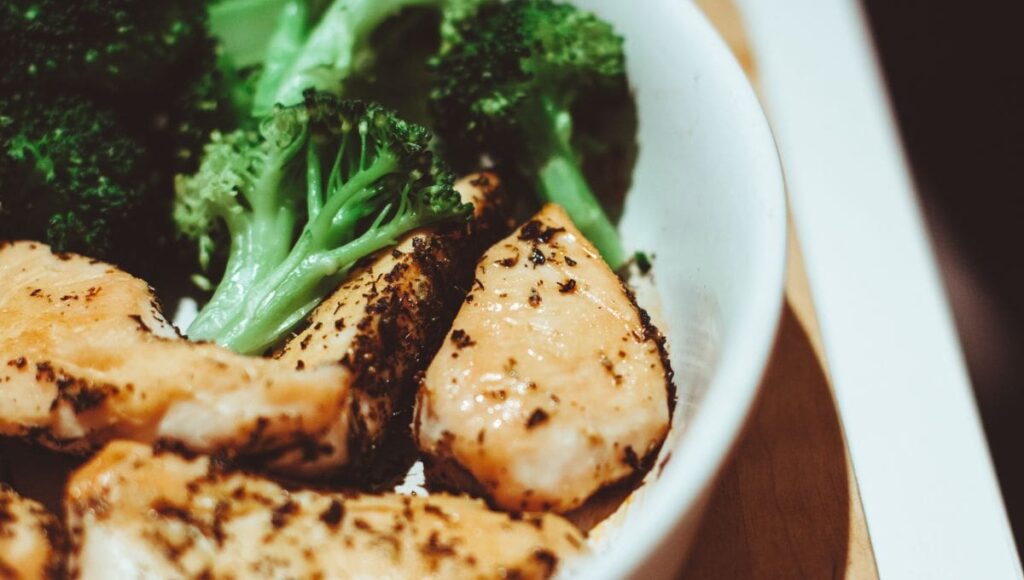
Chicken breast is one of the most popular lean protein sources. It provides about 31 grams of protein per 100 grams and is low in fat. It is rich in B vitamins, especially niacin and vitamin B6, which are essential for energy metabolism. Studies show that lean poultry consumption supports muscle maintenance and overall protein intake without excessive calorie intake.
2. Eggs
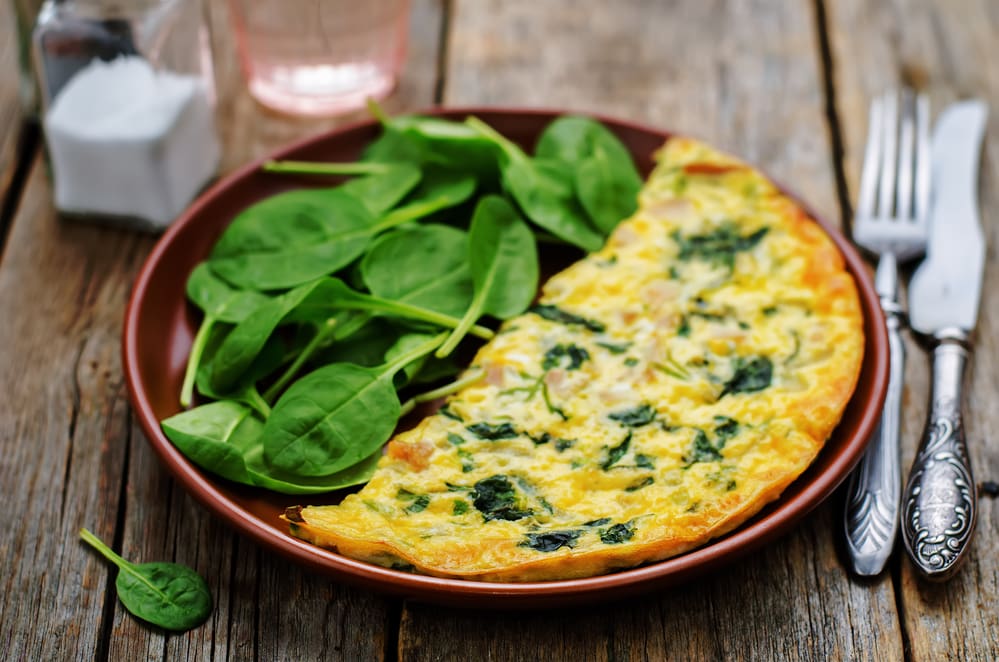
Eggs are considered one of the most complete protein sources available. They contain all essential amino acids in optimal proportions.
One large egg provides around 6 grams of protein along with choline, vitamin D, and antioxidants such as lutein. Research has shown that eggs improve satiety and support weight management.
3. Greek Yogurt
Greek yogurt is higher in protein than regular yogurt due to its straining process. It contains around 10 grams of protein per 100 grams.

It also provides probiotics that support gut health, along with calcium for bone strength. Studies have linked yogurt consumption to improved metabolic health and reduced risk of obesity
4. Cottage Cheese
Cottage cheese is rich in casein protein, which digests slowly and provides a steady release of amino acids. It contains approximately 11 grams of protein per 100 grams and is also a good source of calcium and phosphorus. Research suggests that casein supports muscle recovery and overnight protein synthesis.
5. Salmon
Salmon is not only rich in protein but also provides omega 3 fatty acids, which are beneficial for heart and brain health.
A 100 gram serving contains about 20 grams of protein. Studies have shown that omega 3 fatty acids reduce inflammation and support muscle protein synthesis.

6. Lean Beef
Lean cuts of beef provide high quality protein along with iron, zinc, and vitamin B12. Protein content is around 26 grams per 100 grams. Research indicates that lean red meat can support muscle growth and strength when included as part of a balanced diet.
7. Turkey
Turkey is another lean poultry option that is high in protein and low in fat.
It provides about 29 grams of protein per 100 grams and contains selenium and B vitamins. Studies suggest that turkey consumption supports muscle maintenance and immune function.
8. Tuna
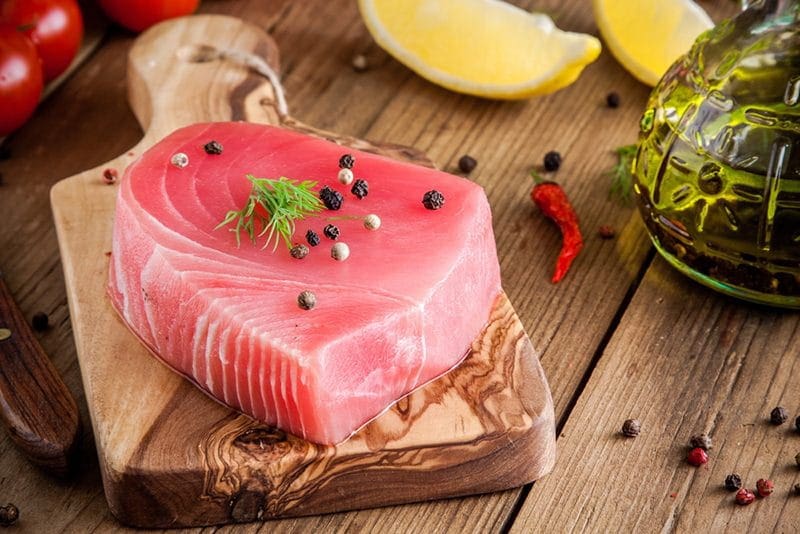
Tuna is a convenient and affordable source of protein. It contains about 25 grams of protein per 100 grams. It is also rich in omega 3 fatty acids and vitamin D. Research has shown that fish consumption is associated with reduced cardiovascular risk.
9. Milk
Milk provides both whey and casein protein, making it a complete protein source. A cup of milk contains around 8 grams of protein along with calcium and vitamin D. Studies have shown that dairy protein supports muscle growth and recovery.
10. Shrimp
Shrimp is a low calorie, high protein seafood option. It provides about 24 grams of protein per 100 grams. It also contains selenium and iodine, which support thyroid function. Research suggests that seafood intake contributes to improved metabolic health.
Plant Based Protein Sources
11. Lentils
Lentils are one of the best plant based protein sources, offering about 9 grams of protein per 100 grams when cooked. They are also rich in fiber, iron, and folate. Studies have shown that legume consumption improves blood sugar control and reduces cardiovascular risk.
12. Chickpeas
Chickpeas provide around 8 grams of protein per 100 grams and are also high in fiber. They support digestive health and help regulate blood sugar levels. Research indicates that chickpea consumption improves satiety and reduces calorie intake.
13. Black Beans
Black beans contain about 9 grams of protein per 100 grams and are rich in antioxidants. They have been linked to improved heart health and reduced inflammation. Studies show that regular consumption of beans supports metabolic health.
14. Quinoa
Quinoa is a complete plant protein, meaning it contains all essential amino acids. It provides about 8 grams of protein per cup cooked and is also rich in magnesium and fiber. Research has shown that quinoa supports blood sugar regulation and overall nutrition.
15. Tofu
Tofu is made from soybeans and is a versatile plant based protein source.

It contains about 10 grams of protein per 100 grams and is rich in calcium and iron. Studies suggest that soy protein supports heart health and reduces cholesterol levels.
16. Tempeh
Tempeh is a fermented soy product that is higher in protein than tofu. It provides around 19 grams of protein per 100 grams and contains probiotics that support gut health. Research indicates that fermented foods improve digestion and immune function.
17. Edamame
Edamame are young soybeans that are rich in protein and fiber.
They provide about 11 grams of protein per 100 grams and are also a good source of folate and vitamin K. Studies show that soy foods support cardiovascular health.
18. Chia Seeds
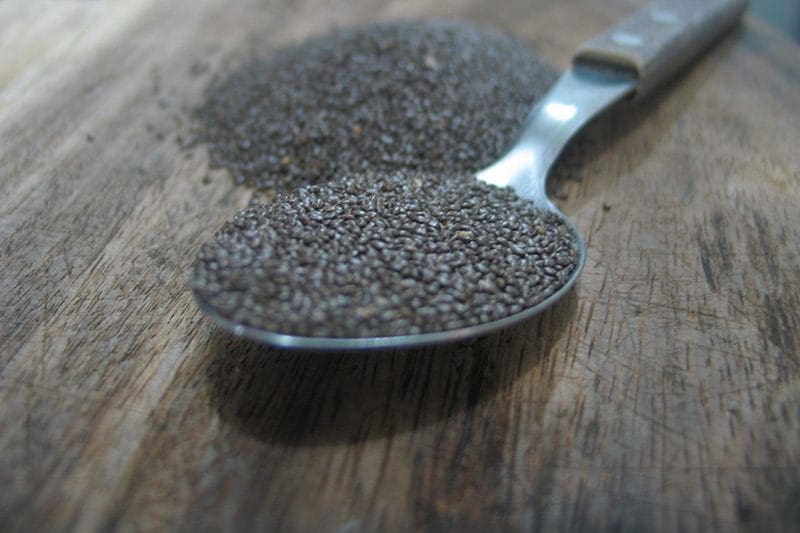
Chia seeds are small but nutrient dense. They provide about 17 grams of protein per 100 grams. They are also rich in omega 3 fatty acids and fiber. Research has shown that chia seeds improve satiety and support heart health.
19. Almonds
Almonds contain about 21 grams of protein per 100 grams and are rich in healthy fats and vitamin E. They have been linked to improved heart health and weight management. Studies show that nut consumption reduces the risk of chronic disease.
20. Peanut Butter
Peanut butter provides around 25 grams of protein per 100 grams and is a convenient protein source. It also contains healthy fats and magnesium. Research suggests that peanut consumption supports energy balance and metabolic health.
Protein Quality and Bioavailability
Not all protein sources are equal in terms of quality and digestibility. Animal proteins generally have higher bioavailability and contain all essential amino acids. However, combining plant based protein sources can also provide complete nutrition.
The concept of protein quality is often measured using the digestible indispensable amino acid score, which evaluates how well a protein meets human amino acid requirements.
Studies show that both animal and plant proteins can support muscle growth and overall health when consumed in adequate amounts.
How Much Protein Do You Need?
The recommended dietary allowance for protein is 0.8 grams per kilogram of body weight per day. However, research suggests that higher intakes may be beneficial.
General guidelines include:
- Sedentary individuals: 0.8 to 1.0 grams per kilogram
- Active individuals: 1.2 to 2.0 grams per kilogram
- Older adults: 1.0 to 1.5 grams per kilogram
Higher protein intake has been shown to support muscle preservation, especially during aging and weight loss.
Practical Tips to Increase Protein Intake
Increasing protein intake does not require drastic dietary changes. Simple strategies include:
- Add a protein source to every meal
- Choose Greek yogurt instead of regular yogurt
- Snack on nuts or seeds
- Include legumes in meals
- Use eggs or tofu in breakfast dishes
- Incorporate protein rich foods into salads and bowls
Consistency is key. Spreading protein intake throughout the day may also improve muscle protein synthesis.
Final Thoughts
Protein is a fundamental nutrient that supports nearly every function in the body. Including a variety of high protein foods in your diet ensures that you get all essential amino acids along with important micronutrients.
Both animal and plant based sources can contribute to a balanced and healthy diet. The key is variety, quality, and consistency.
By choosing nutrient dense protein foods and aligning intake with your activity level and goals, you can improve your health, performance, and overall well being.
Key Takeaways
| Category | Key Insight | Practical Application |
|---|---|---|
| Protein Importance | Supports muscle, metabolism, and satiety | Include protein in every meal |
| Animal Sources | High quality complete proteins | Use chicken, eggs, fish, dairy |
| Plant Sources | Nutrient rich and fiber dense | Add lentils, beans, tofu |
| Muscle Health | Higher intake preserves lean mass | Aim for 1.2 to 2.0 g per kg if active |
| Weight Management | Protein reduces hunger | Choose high protein snacks |
| Variety | Different sources provide different nutrients | Mix animal and plant proteins |
References
- Bauer, J. et al. (2013). Evidence based recommendations for optimal dietary protein intake in older people. Journal of the American Medical Directors Association, 14(8), pp. 542–559.
- Clifton, P. (2012). Protein and weight management. American Journal of Clinical Nutrition, 96(5), pp. 1325–1329.
- Dehghan, M. et al. (2017). Associations of fats and carbohydrate intake with cardiovascular disease. The Lancet, 390(10107), pp. 2050–2062.
- Douglas, S. et al. (2015). Protein intake and muscle mass. Applied Physiology, Nutrition, and Metabolism, 40(10), pp. 1009–1014.
- Hu, F. (2003). Plant based foods and prevention of cardiovascular disease. American Journal of Clinical Nutrition, 78(3), pp. 544S–551S.
- Leidy, H. et al. (2015). The role of protein in weight loss and maintenance. American Journal of Clinical Nutrition, 101(6), pp. 1320S–1329S.
- Phillips, S. (2014). A brief review of higher dietary protein diets. Applied Physiology, Nutrition, and Metabolism, 39(9), pp. 1048–1053.
- Richter, C. et al. (2015). Protein intake and bone health. Nutrients, 7(6), pp. 4936–4951.
- Satija, A. and Hu, F. (2018). Plant based diets and cardiovascular health. Journal of the American College of Cardiology, 72(8), pp. 914–926.
- Tang, J. et al. (2009). Ingestion of whey hydrolysate improves muscle protein synthesis. Journal of Applied Physiology, 107(3), pp. 987–992.