

Creatine is one of the most researched and effective supplements in sports nutrition. It has stood the test of time, consistently showing benefits for strength, muscle growth, performance, and even cognitive function. Yet despite its popularity, many people still misunderstand how to use it properly.
Some take too little. Others cycle it unnecessarily. Many worry about safety without understanding the evidence. And a surprising number never experience its full benefits simply because they are not using it correctly.


This article breaks down what creatine actually does, how to use it properly, and where most people go wrong. Every claim here is grounded in scientific research, but the goal is simple. Help you get the most out of one of the most powerful and affordable supplements available.
What is Creatine and How Does it Work?
Creatine is a naturally occurring compound found in small amounts in foods like red meat and fish. Your body also produces it from amino acids in the liver, kidneys, and pancreas. Around 95 percent of your body’s creatine is stored in skeletal muscle.
The Phosphocreatine System
To understand creatine’s benefits, you need to understand how your body produces energy during intense exercise. When you perform high intensity efforts such as sprinting, lifting weights, or jumping, your body relies on adenosine triphosphate, or ATP. ATP is the primary energy currency of the cell. The problem is that ATP stores are very limited and can only fuel maximal effort for a few seconds.
Creatine helps solve this problem. In muscle cells, creatine is stored as phosphocreatine. During intense exercise, phosphocreatine donates a phosphate group to regenerate ATP. This allows you to maintain high power output for longer periods.
This mechanism has been consistently demonstrated in human studies, showing increased phosphocreatine availability leads to improved performance in short duration, high intensity activities.
Why This Matters for Training
More available ATP means:
- More reps before fatigue
- Higher training volume
- Better performance in repeated efforts
- Greater long term muscle growth
This is the foundation of creatine’s effectiveness.
Proven Benefits of Creatine
Creatine is not hype driven. It is one of the most validated supplements in the scientific literature. Its benefits extend beyond just strength and muscle.
Increased Strength and Power
Numerous controlled trials show that creatine supplementation significantly increases strength and power output during resistance training. This is largely due to improved ATP regeneration and the ability to sustain higher training intensity. Over time, this translates into greater strength gains compared to training without creatine.
Enhanced Muscle Growth
Creatine supports hypertrophy through multiple mechanisms:
- Increased training volume
- Improved recovery between sets
- Cell volumization, which increases muscle cell hydration
- Upregulation of anabolic signaling pathways
Research consistently shows greater increases in lean body mass when creatine is combined with resistance training.
Improved High Intensity Performance
Creatine is particularly effective for activities that involve repeated bursts of effort such as:
- Weightlifting
- Sprinting
- Team sports
- CrossFit style training
Studies show improvements in sprint performance, repeated bout ability, and fatigue resistance.
Cognitive and Brain Health Benefits
Creatine is not just for muscles. The brain also uses ATP for energy, and creatine can support cognitive performance. Research suggests benefits in:
- Memory and intelligence tasks
- Mental fatigue resistance
- Sleep deprivation scenarios
Some studies also explore its role in neuroprotection and mood regulation.
Recovery and Injury Reduction
Emerging evidence suggests creatine may:
- Reduce muscle damage markers
- Improve glycogen storage
- Support faster recovery between sessions
While this area is still developing, the findings are promising.
Are You Using Creatine Correctly?
This is where most people go wrong. Creatine is simple to use, but small mistakes can limit its effectiveness.
Correct Dosage
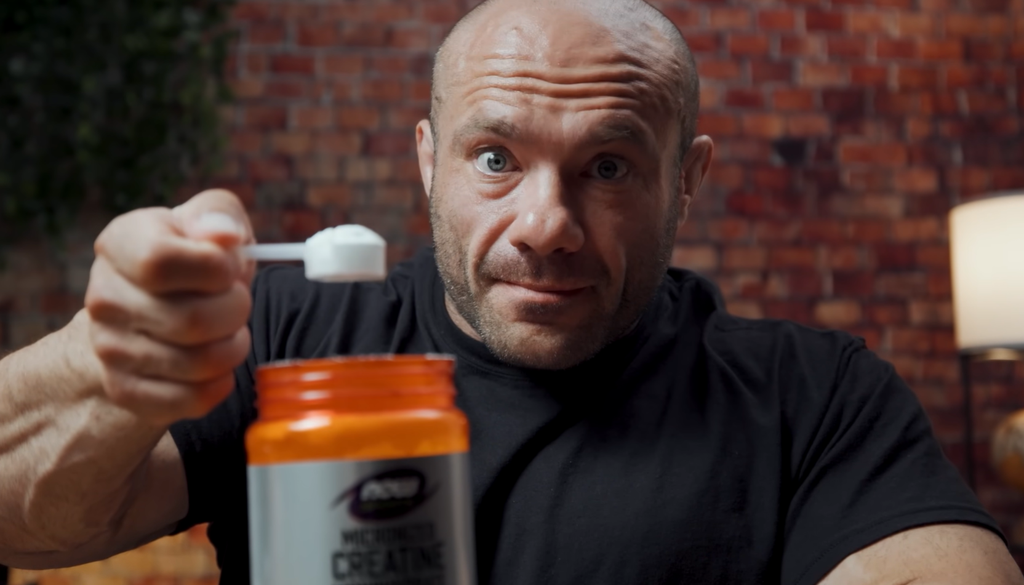
The standard and most effective dose is:
- 3 to 5 grams per day
This is enough to saturate muscle creatine stores over time. Higher doses are not necessary once saturation is reached.
Should You Load Creatine?
Loading involves taking:
- 20 grams per day for 5 to 7 days
This speeds up saturation.
However, loading is not required. Taking 3 to 5 grams daily will achieve the same result in about 3 to 4 weeks. Loading may cause mild gastrointestinal discomfort in some people.
Timing Does Not Matter Much
Creatine timing is often debated, but the evidence suggests:
- Consistency matters more than timing
Some studies suggest a slight advantage to taking creatine after training, possibly due to increased muscle uptake, but the difference is small. The most important factor is taking it every day.
Take It With Food
Taking creatine with carbohydrates or a mixed meal may improve absorption due to insulin mediated uptake. This is not essential, but it can be a small optimization.
Stay Hydrated
Creatine increases intracellular water retention in muscle cells. This is not harmful, but it means you should maintain proper hydration, especially during intense training.

Common Mistakes People Make
Even experienced athletes often misuse creatine.
Not Taking It Daily
Creatine works by saturating muscle stores. Missing doses reduces its effectiveness over time. Consistency is key.
Cycling Creatine
There is no scientific reason to cycle creatine. Long term studies show it is safe for continuous use in healthy individuals. Cycling only reduces its benefits.
Using Too Little
Some people take less than 3 grams per day, which may not fully saturate muscle stores. Stick to evidence based dosing.
Expecting Immediate Results Without Loading
If you do not load creatine, it takes a few weeks to feel the full effects. Patience is required.
Confusing Water Retention With Fat Gain
Creatine increases water content inside muscle cells. This may lead to slight weight gain. This is not fat gain. It is part of how creatine works.
Which Type of Creatine is Best?
The supplement market is full of different creatine forms, but the evidence is very clear.
Creatine Monohydrate is the Gold Standard
Creatine monohydrate is:
- The most researched form
- The most effective form
- The most affordable form
No other form has consistently shown superior benefits.
Other Forms Are Mostly Marketing
Forms like creatine ethyl ester, buffered creatine, and liquid creatine are often marketed as superior. Research does not support these claims. Some may even be less effective or less stable.
Safety and Side Effects
Creatine has been extensively studied for safety.
Is Creatine Safe?
In healthy individuals, creatine supplementation is considered safe for long term use. Studies lasting several years show no harmful effects on:
- Kidney function
- Liver function
- General health markers
Kidney Concerns
One of the most common myths is that creatine damages the kidneys. This concern is based on misunderstanding. Creatine can increase creatinine levels, which are often used as a marker of kidney function. However, this does not mean kidney damage. In people with healthy kidneys, creatine does not impair kidney function.
Who Should Be Careful?
People with pre existing kidney disease or other medical conditions should consult a healthcare professional before use.
Possible Side Effects
Most people tolerate creatine well. Possible mild side effects include:
- Stomach discomfort if taken in large doses
- Water retention
- Temporary weight gain
These effects are generally minor and manageable.
Creatine for Different Goals
Creatine is versatile and can benefit many types of athletes.

For Strength and Muscle Gain
Creatine is highly effective for:
- Powerlifters
- Bodybuilders
- CrossFit athletes
It supports higher training volume and greater muscle growth.
For Endurance Athletes
Creatine is less directly beneficial for endurance performance, but it can still help:
- Improve sprint finishes
- Support high intensity intervals
- Enhance recovery
Some endurance athletes may avoid creatine due to water weight, but this is context dependent.
For Fat Loss
Creatine does not directly burn fat, but it helps preserve muscle mass during calorie deficits. Maintaining muscle supports metabolic rate and performance.
For Older Adults
Creatine can help counter age related muscle loss and support strength and function. Research shows benefits for sarcopenia and physical performance in older populations.
How Long Does It Take to Work?
This depends on whether you load creatine.
- With loading: benefits may appear within one week
- Without loading: benefits appear after about three to four weeks
Once muscle stores are saturated, effects are maintained as long as you continue supplementation.
Does Everyone Respond to Creatine?
Not everyone responds equally.
Responders vs Non Responders
Some individuals experience greater increases in muscle creatine stores. Factors that influence response include:
- Baseline creatine levels
- Muscle fiber composition
- Diet, especially meat intake
Vegetarians often see greater benefits because they start with lower creatine stores.
Final Thoughts
Creatine is one of the simplest and most effective tools you can add to your training. It works. It is safe. It is affordable. But to get the full benefit, you need to use it correctly. Take it consistently. Use the right dose. Do not overcomplicate it. If you do that, creatine will support your strength, performance, and long term progress in a way few supplements can match.
References
- Buford, T.W., Kreider, R.B., Stout, J.R., Greenwood, M., Campbell, B., Spano, M., Ziegenfuss, T., Lopez, H., Landis, J., Antonio, J. and International Society of Sports Nutrition (2007) ‘International Society of Sports Nutrition position stand: creatine supplementation and exercise’, Journal of the International Society of Sports Nutrition, 4(1), pp. 6.
- Chilibeck, P.D., Kaviani, M., Candow, D.G. and Zello, G.A. (2017) ‘Effect of creatine supplementation during resistance training on lean tissue mass and muscular strength in older adults: a meta analysis’, Open Access Journal of Sports Medicine, 8, pp. 213–226.
- Cooper, R., Naclerio, F., Allgrove, J. and Jimenez, A. (2012) ‘Creatine supplementation with specific view to exercise sports performance: an update’, Journal of the International Society of Sports Nutrition, 9(1), pp. 33.
- Kreider, R.B., Kalman, D.S., Antonio, J., Ziegenfuss, T.N., Wildman, R., Collins, R., Candow, D.G., Kleiner, S.M., Almada, A.L. and Lopez, H.L. (2017) ‘International Society of Sports Nutrition position stand: safety and efficacy of creatine supplementation in exercise, sport, and medicine’, Journal of the International Society of Sports Nutrition, 14(1), pp. 18.