Building a strong and muscular lower body is one of the most effective ways to improve overall athletic performance, body composition, and long term health. Well developed legs are not just about aesthetics. They support movement, posture, and metabolic function. Training the lower body also stimulates large amounts of muscle mass, which can increase calorie expenditure and promote lean tissue growth across the entire body.
If your goal is to develop powerful, well defined legs in time for summer, you do not need a complicated routine filled with dozens of exercises. Science consistently shows that a small number of well chosen compound movements can deliver exceptional results when performed with proper technique and progressive overload.


Why Lower Body Training Matters
Lower body training has a unique impact on both muscular development and overall physiology. The muscles of the legs and hips include the quadriceps, hamstrings, glutes, and calves. These are among the largest muscle groups in the body.
Training large muscle groups leads to greater hormonal responses compared to smaller muscle training. Research shows that compound lower body exercises can significantly increase acute levels of anabolic hormones such as testosterone and growth hormone, which are linked to muscle growth and recovery.

Lower body strength is also strongly associated with improved athletic performance. Sprinting, jumping, and change of direction all depend heavily on lower body power. Even for non athletes, stronger legs improve daily function and reduce injury risk.
From a body composition perspective, increasing muscle mass in the lower body can raise resting metabolic rate. Muscle tissue requires more energy to maintain than fat tissue, which supports fat loss over time.
The Science of Muscle Growth
To understand why the following exercises are so effective, it is important to understand how muscle growth works. Muscle hypertrophy is driven by three primary mechanisms:
Mechanical Tension
Mechanical tension occurs when muscles produce force under load. High levels of tension are achieved through heavy resistance and full range of motion. Studies consistently show that mechanical tension is a key driver of muscle protein synthesis.
Muscle Damage
Resistance training causes micro damage to muscle fibers. This damage triggers repair processes that lead to stronger and larger muscles. While muscle soreness is not required for growth, controlled damage contributes to adaptation.
Metabolic Stress
Metabolic stress results from the accumulation of metabolites during training, such as lactate. This creates a cellular environment that promotes muscle growth. The best exercises combine all three mechanisms. Compound movements that allow heavy loading and full range of motion are particularly effective.
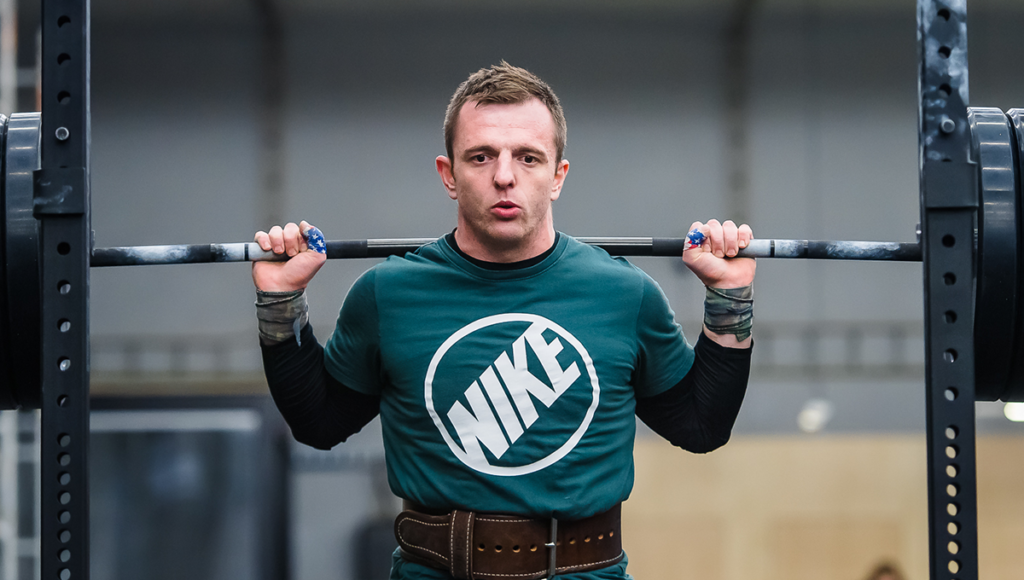
Exercise 1: Back Squat
The back squat is widely regarded as the king of lower body exercises. It targets the quadriceps, glutes, and hamstrings while also engaging the core and stabilizing muscles.
Why the Back Squat Works
The back squat allows for high levels of mechanical tension due to the heavy loads that can be used. Research shows that multi joint exercises like the squat produce greater muscle activation compared to isolation movements.

Electromyography studies have demonstrated high activation of the quadriceps and gluteus maximus during squatting. Deep squats in particular have been shown to increase glute activation and lead to greater hypertrophy over time.
Squatting through a full range of motion is also associated with superior muscle growth compared to partial squats. Full depth increases time under tension and recruits more muscle fibers.
How to Perform the Back Squat
- Position a barbell across your upper back.
- Stand with feet shoulder width apart.
- Brace your core and keep your chest upright.
- Lower yourself by bending at the hips and knees.
- Descend until your thighs are at least parallel to the floor.
- Drive through your heels to return to standing.
Key Technique Tips
- Keep your knees tracking over your toes.
- Maintain a neutral spine throughout the movement.
- Control the descent and avoid bouncing at the bottom.
- Use a full range of motion whenever mobility allows.
Programming for Muscle Growth
For hypertrophy, aim for:
- 3 to 5 sets per session
- 6 to 12 repetitions per set
- Moderate to heavy loads
- 1 to 2 minutes of rest between sets
Progressively increase the weight over time to maintain overload.
Exercise 2: Romanian Deadlift
The Romanian deadlift is one of the most effective exercises for developing the posterior chain, particularly the hamstrings and glutes.
Why the Romanian Deadlift Works
Unlike traditional deadlifts, the Romanian deadlift emphasizes the eccentric phase and stretch of the hamstrings. This creates high levels of mechanical tension and muscle damage.

Research shows that exercises that load muscles in a stretched position can lead to greater hypertrophy. The Romanian deadlift places the hamstrings under tension at longer muscle lengths, which enhances growth. It also trains the hip hinge pattern, which is essential for athletic performance and injury prevention.
How to Perform the Romanian Deadlift
- Hold a barbell in front of your thighs.
- Stand with feet hip width apart.
- Slightly bend your knees.
- Push your hips back while lowering the bar.
- Keep the bar close to your legs.
- Lower until you feel a strong stretch in your hamstrings.
- Return to standing by driving your hips forward.
Key Technique Tips
- Keep your back flat throughout the movement.
- Avoid excessive knee bending.
- Focus on pushing your hips back rather than bending forward.
- Maintain control during the lowering phase.
Programming for Muscle Growth
For hypertrophy, aim for:
- 3 to 4 sets per session
- 8 to 12 repetitions per set
- Controlled tempo with emphasis on the lowering phase
- 1 to 2 minutes of rest
Slower eccentric repetitions can increase muscle damage and growth stimulus.
Exercise 3: Bulgarian Split Squat
The Bulgarian split squat is a unilateral exercise that targets the quadriceps and glutes while improving balance and coordination.
Why the Bulgarian Split Squat Works
Unilateral training has been shown to improve muscle imbalances and increase muscle activation. The Bulgarian split squat creates high levels of tension in each leg individually.

Research indicates that single leg exercises can produce similar or even greater muscle activation compared to bilateral movements when relative load is matched. The elevated rear foot increases range of motion and places greater emphasis on the front leg, leading to enhanced hypertrophy.
How to Perform the Bulgarian Split Squat
- Stand a few feet in front of a bench.
- Place one foot behind you on the bench.
- Keep your front foot flat on the ground.
- Lower your body by bending your front knee.
- Descend until your front thigh is parallel to the floor.
- Push through your front heel to return to standing.
Key Technique Tips
- Keep your torso upright.
- Avoid leaning excessively forward.
- Ensure your front knee tracks over your toes.
- Maintain balance and control throughout the movement.
Programming for Muscle Growth
For hypertrophy, aim for:
- 3 to 4 sets per leg
- 8 to 12 repetitions per set
- Moderate weights
- 60 to 90 seconds of rest between sets
Because this exercise is demanding, start with lighter weights and focus on technique.
Putting It All Together
To build a muscular lower body efficiently, combine these three exercises into a structured training plan.
Sample Lower Body Workout
- Back Squat: 4 sets of 6 to 10 reps
- Romanian Deadlift: 4 sets of 8 to 12 reps
- Bulgarian Split Squat: 3 sets of 10 reps per leg
Train this routine 2 to 3 times per week with at least one rest day between sessions.
Progressive Overload and Consistency
Progressive overload is essential for continued muscle growth. This means gradually increasing the demands placed on your muscles. You can achieve this by:
- Increasing weight
- Increasing repetitions
- Improving technique
- Reducing rest time slightly
Consistency is equally important. Research shows that regular resistance training over several weeks leads to significant increases in muscle size and strength.
Nutrition for Lower Body Growth
Training alone is not enough. Nutrition plays a critical role in muscle development.
Protein Intake
Adequate protein intake is essential for muscle repair and growth. Research suggests that consuming around 1.6 to 2.2 grams of protein per kilogram of body weight per day supports hypertrophy.
Caloric Intake
To build muscle, you need a slight caloric surplus. This provides the energy required for growth.
Nutrient Timing
Consuming protein before and after training can enhance muscle protein synthesis.
Recovery and Sleep

Muscle growth occurs during recovery, not during training. Sleep is particularly important. Studies show that insufficient sleep can impair muscle recovery and reduce performance. Aim for 7 to 9 hours of sleep per night. Active recovery, stretching, and proper hydration also support recovery.
Common Mistakes to Avoid
Even the best exercises can fail if performed incorrectly.
Skipping Full Range of Motion
Partial repetitions reduce muscle activation and growth potential.
Using Too Much Weight
Lifting too heavy can compromise technique and increase injury risk.
Neglecting Recovery
Overtraining without adequate rest can hinder progress.
Inconsistent Training
Irregular workouts limit long term gains.
Final Thoughts
You do not need a long list of exercises to build an impressive lower body. The back squat, Romanian deadlift, and Bulgarian split squat provide a powerful combination that targets all major lower body muscles.
When performed with proper technique, progressive overload, and supported by good nutrition and recovery, these exercises can deliver significant muscle growth in time for summer.
Focus on consistency, track your progress, and commit to the process. Results come from disciplined effort over time.
References
- Schoenfeld, B.J. (2010). The mechanisms of muscle hypertrophy and their application to resistance training. Journal of Strength and Conditioning Research, 24(10), 2857 to 2872.
- Schoenfeld, B.J. (2013). Potential mechanisms for a role of metabolic stress in hypertrophic adaptations to resistance training. Sports Medicine, 43(3), 179 to 194.
- McMahon, G.E., Morse, C.I., Burden, A., Winwood, K. and Onambélé, G.L. (2014). Impact of range of motion during ecologically valid resistance training protocols on muscle size, subcutaneous fat, and strength. Journal of Strength and Conditioning Research, 28(1), 245 to 255.
- Bloomquist, K., Langberg, H., Karlsen, S., Madsgaard, S., Boesen, M. and Raastad, T. (2013). Effect of range of motion in heavy load squatting on muscle and tendon adaptations. European Journal of Applied Physiology, 113(8), 2133 to 2142.
- Contreras, B., Vigotsky, A., Schoenfeld, B., Beardsley, C. and Cronin, J. (2015). A comparison of gluteus maximus, biceps femoris, and vastus lateralis electromyography amplitude during different resistance exercises. Journal of Applied Biomechanics, 31(6), 452 to 458.