


Lower belly fat is one of the most frustrating problems in fitness. You train hard, clean up your diet, and still that stubborn area refuses to change. It can feel like your body is working against you. The truth is that lower belly fat is not random or purely genetic. There are clear biological reasons why it is difficult to lose, and understanding them can help you make better decisions.
This article breaks down three science backed reasons why lower belly fat sticks around. You will also learn what actually works, based on physiology rather than myths.


Why Lower Belly Fat Is Different
Before diving into the reasons, it is important to understand that not all body fat behaves the same way. Fat stored around the lower abdomen tends to be more resistant to breakdown than fat stored in other areas such as the arms or upper body.
Fat cells in different regions have different receptor profiles. These receptors determine how easily fat is mobilized and used for energy. Lower belly fat tends to have more alpha-2 adrenergic receptors, which slow down fat release, and fewer beta receptors, which promote fat breakdown.

This means that even if you are losing weight overall, your lower belly may lag behind. It is not because your workouts are ineffective. It is because the biology of that area is different. Now let’s break down the three real reasons.
Reason 1: Hormonal Environment Works Against You
Hormones control how your body stores and releases fat. When it comes to lower belly fat, two hormones play a major role: cortisol and insulin.
Cortisol and Stress
Cortisol is often called the stress hormone. It is released in response to physical or psychological stress. While it is essential for survival, chronically elevated cortisol levels can lead to increased fat storage, particularly in the abdominal region.
Research shows that people with higher cortisol levels tend to accumulate more visceral and abdominal fat. Cortisol promotes fat storage by increasing appetite, especially for calorie dense foods, and by influencing where fat is stored in the body. Chronic stress also reduces your ability to lose fat by interfering with recovery, sleep quality, and metabolic efficiency.

Common sources of elevated cortisol include:
- Poor sleep
- Excessive training without recovery
- Psychological stress
- Severe calorie restriction
If your lifestyle keeps cortisol high, your body will hold onto lower belly fat as a protective mechanism.
Insulin Resistance
Insulin is a hormone that regulates blood sugar. When you eat carbohydrates, insulin helps move glucose into your cells. However, when cells become less responsive to insulin, a condition called insulin resistance develops.
Insulin resistance is strongly linked to increased abdominal fat storage. When insulin levels remain elevated, fat breakdown is inhibited and fat storage is promoted.
Lower belly fat is particularly sensitive to insulin. This means that poor blood sugar control can make it very difficult to lose fat in that area.
Signs of insulin resistance can include:
- Difficulty losing weight despite calorie control
- Increased hunger and cravings
- Fat accumulation around the abdomen
Improving insulin sensitivity through diet and exercise is one of the most effective ways to target stubborn belly fat.
Sex Hormones
Sex hormones such as estrogen and testosterone also influence fat distribution. In men, low testosterone is associated with increased abdominal fat. In women, changes in estrogen levels can shift fat storage toward the lower abdomen, especially during and after menopause.
These hormonal shifts do not make fat loss impossible, but they do make it slower and require more strategic planning.
Reason 2: You Cannot Spot Reduce Fat

One of the biggest myths in fitness is that you can target fat loss in a specific area through exercises. Many people focus on endless core workouts in an attempt to burn lower belly fat.
Science shows that this approach does not work.
How Fat Loss Actually Works
Fat loss happens at the whole body level. When you create a calorie deficit, your body mobilizes fat from different areas based on genetic and hormonal factors. You cannot control exactly where the fat comes from.
Studies have shown that performing exercises for a specific body part does not lead to localized fat loss in that area. For example, training the abdominal muscles does not significantly reduce belly fat.
This does not mean core training is useless. It strengthens the muscles underneath the fat, improves posture, and enhances performance. However, it does not directly burn the fat covering those muscles.
Blood Flow and Fat Mobilization
Another reason spot reduction fails is related to blood flow. Areas with higher blood flow tend to release fat more easily. The lower belly typically has lower blood flow compared to other regions. This reduced circulation limits the delivery of hormones that stimulate fat breakdown and slows the removal of fatty acids. Even during exercise, the body prioritizes energy from more accessible fat stores.
What This Means for You
If your goal is to lose lower belly fat, focusing only on abdominal exercises will not solve the problem. You need a full body approach that creates a sustained calorie deficit and improves overall metabolic health.
Effective strategies include:
- Resistance training for the entire body
- Cardiovascular exercise
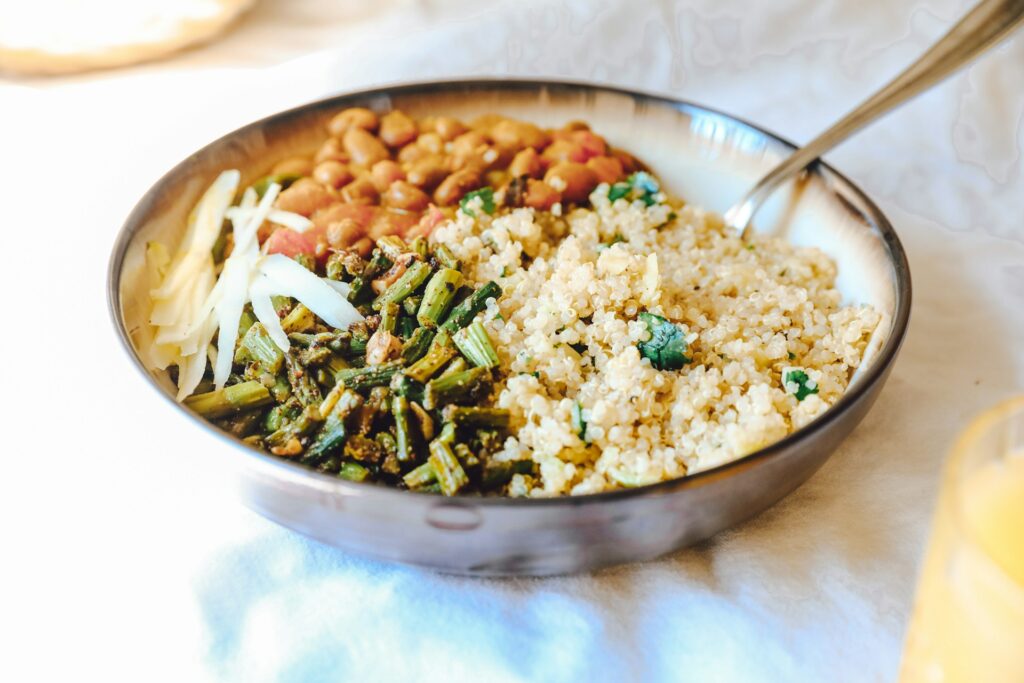
- Proper nutrition
- Adequate recovery
Consistency across these factors is what leads to fat loss over time.
Reason 3: Your Energy Balance Is Not What You Think
Many people believe they are in a calorie deficit when they are not. This is one of the most common reasons why fat loss stalls, especially in stubborn areas like the lower belly.
Calorie Intake Is Often Underestimated
Research consistently shows that people underestimate their calorie intake. Even small errors can eliminate a deficit. Common sources of hidden calories include:
- Cooking oils
- Snacks and small bites
- Sugary drinks
- Alcohol
These calories add up quickly and can prevent fat loss without you realizing it.
Calorie Burn Is Often Overestimated
At the same time, people tend to overestimate how many calories they burn during exercise. Fitness trackers and gym machines often provide inflated numbers. This can lead to a false sense of progress and result in overeating.
Exercise is important for health and fat loss, but it is not a free pass to eat more.
Adaptive Metabolism
When you diet for a long time, your body adapts by reducing energy expenditure. This is known as adaptive thermogenesis. Your body becomes more efficient, burning fewer calories at rest and during activity. This makes continued fat loss more difficult. The lower belly is often the last place where fat is lost because your body prioritizes preserving energy reserves in that region.
The Role of Protein and Muscle Mass
Maintaining muscle mass is crucial for sustaining a higher metabolic rate. Protein intake and resistance training help preserve lean tissue during weight loss.
Without enough protein, you risk losing muscle along with fat, which slows your metabolism and makes fat loss harder.
What Actually Works to Lose Lower Belly Fat
Now that you understand the reasons, here is how to address them effectively.
Create a Real Calorie Deficit
Track your food intake accurately for a period of time to understand your true calorie consumption. Focus on whole foods that are easier to measure and less calorie dense.

Prioritize:
- Lean protein sources
- Vegetables and fruits
- Whole grains
- Healthy fats in controlled amounts
Improve Hormonal Balance
You can support better hormonal function through lifestyle changes.
Focus on:
- Getting 7 to 9 hours of quality sleep
- Managing stress through techniques such as walking, breathing exercises, or mindfulness
- Avoiding extreme diets that increase cortisol
Train Smart
Combine resistance training and cardio.
Resistance training helps maintain muscle mass and improves insulin sensitivity. Cardio increases calorie expenditure and supports heart health.
A balanced program might include:
- 3 to 4 strength sessions per week
- 2 to 3 cardio sessions
- Daily movement such as walking
Be Patient With Fat Loss Order
Your body will lose fat in a specific order determined by genetics and hormones. The lower belly is often the last area to change. This does not mean your plan is not working. It means you need to stay consistent long enough to reach that stage.
Improve Insulin Sensitivity
Simple habits can make a big difference:
- Regular exercise
- Balanced meals with protein, fats, and carbohydrates
- Limiting highly processed foods
- Maintaining a healthy body weight
These changes help your body use nutrients more effectively and reduce fat storage.
Common Mistakes That Keep Lower Belly Fat Stuck
Doing Too Much Cardio
Excessive cardio can increase stress and cortisol levels, especially if not balanced with recovery and proper nutrition.
Eating Too Little
Severe calorie restriction can backfire by increasing hunger, reducing metabolism, and raising cortisol.
Ignoring Sleep
Sleep deprivation is strongly linked to increased fat storage and reduced fat loss.
Chasing Quick Fixes
Detoxes, fat burners, and extreme diets do not address the underlying causes of stubborn fat.
Final Thoughts
Lower belly fat is not a mystery. It is the result of hormonal influences, fat distribution patterns, and energy balance. You cannot target it directly, but you can influence the factors that control it. By improving your overall health, creating a sustainable calorie deficit, and staying consistent, you will eventually lose fat in that area.
The key is to focus on what you can control and avoid being misled by myths.
Key Takeaways
| Topic | Key Point |
|---|---|
| Hormones | Cortisol and insulin strongly influence lower belly fat storage |
| Spot Reduction | You cannot target fat loss in a specific area with exercise |
| Energy Balance | Most people misjudge calories in and calories out |
| Training | Full body strength and cardio are essential |
| Patience | Lower belly fat is often the last to go |
| Lifestyle | Sleep, stress, and diet quality all matter |
References
- Bjorntorp, P. (1997). Body fat distribution, insulin resistance, and metabolic diseases. Nutrition, 13(9), 795 to 803.
- Fried, S.K., Lee, M.J. and Karastergiou, K. (2015). Shaping fat distribution. Trends in Endocrinology and Metabolism, 26(12), 676 to 683.
- Katch, F.I., McArdle, W.D. and Katch, V.L. (1984). Effects of sit up exercise training on adipose cell size and adiposity. Research Quarterly for Exercise and Sport, 55(3), 242 to 247.
- Loucks, A.B. (2006). The response of luteinizing hormone to exercise stress and energy availability. Journal of Clinical Endocrinology and Metabolism, 91(8), 3173 to 3179.
- Manolopoulos, K.N., Karpe, F. and Frayn, K.N. (2010). Gluteofemoral body fat as a determinant of metabolic health. International Journal of Obesity, 34(6), 949 to 959.
- McEwen, B.S. (2000). Allostasis and allostatic load. Neuropsychopharmacology, 22(2), 108 to 124.
- Rosenbaum, M. and Leibel, R.L. (2010). Adaptive thermogenesis in humans. International Journal of Obesity, 34(S1), S47 to S55.