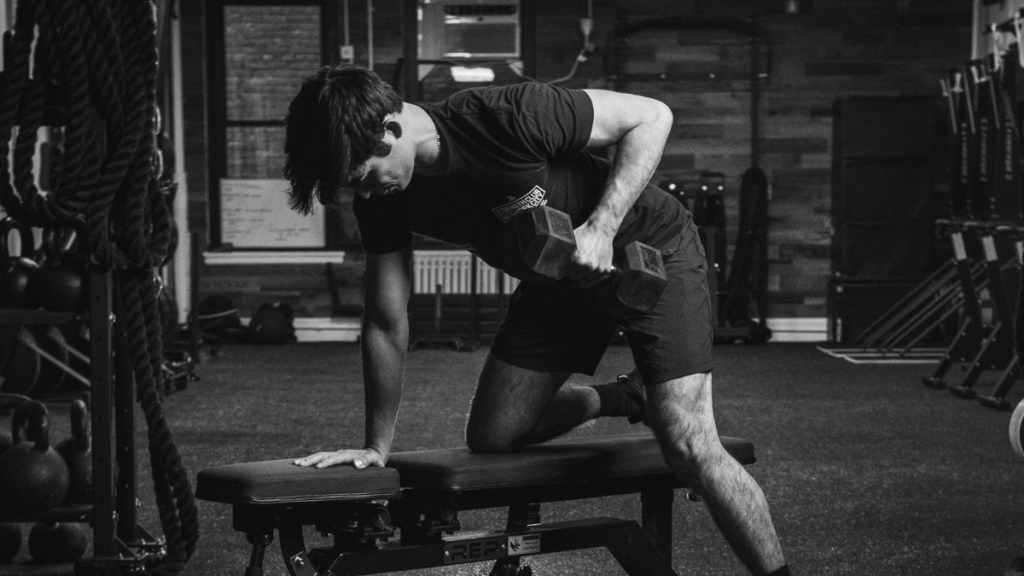


Building an attractive and muscular upper body does not require complicated workouts, expensive equipment, or years of experience. Beginners often make the mistake of chasing advanced training methods before mastering the fundamentals. In reality, the biggest improvements come from consistently following a handful of evidence based principles that maximize muscle growth, improve strength, and reduce the risk of injury.
If You Can Bench Press This Much You Are STRONG!


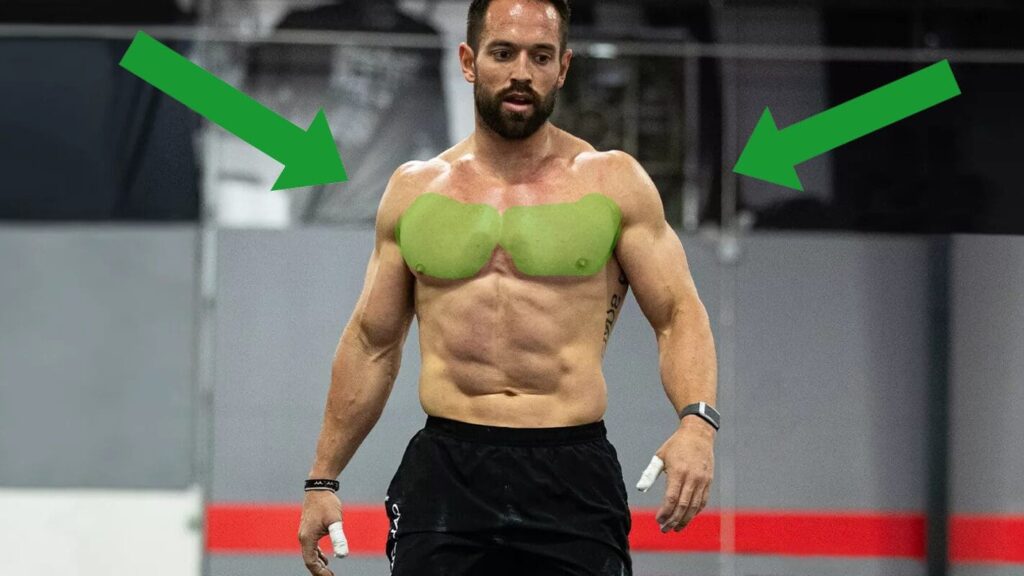
A well developed upper body is about much more than a big chest or large arms. Strong shoulders, a wide back, balanced chest development, powerful arms, and a stable core all contribute to an athletic appearance and better physical performance. Improving upper body strength also makes everyday activities easier, enhances posture, and supports long term joint health.

Scientific research has consistently shown that beginners respond extremely well to resistance training. During the first year of consistent lifting, new trainees can gain significant amounts of lean muscle while becoming dramatically stronger.
Here are ten quick tips that will help you build a stronger, more muscular, and more attractive upper body from the very beginning.
Why Beginners Build Muscle Faster
One of the biggest advantages beginners have is something researchers often call the “newbie gains” effect. When someone starts resistance training, nearly every workout creates a powerful stimulus for muscle growth and neurological adaptation.
The nervous system rapidly becomes more efficient at recruiting muscle fibers, while the muscles themselves begin increasing protein synthesis after each workout. Studies show that beginners can improve strength substantially during the first few months even before large increases in muscle size occur.
This means that following simple, proven strategies consistently often produces better results than constantly changing workouts.
Tip 1: Focus on Compound Exercises
Compound exercises should form the foundation of every beginner’s program. These movements involve multiple joints and several muscle groups working together. They allow you to lift heavier weights, stimulate more muscle fibers, and develop balanced strength across the upper body.

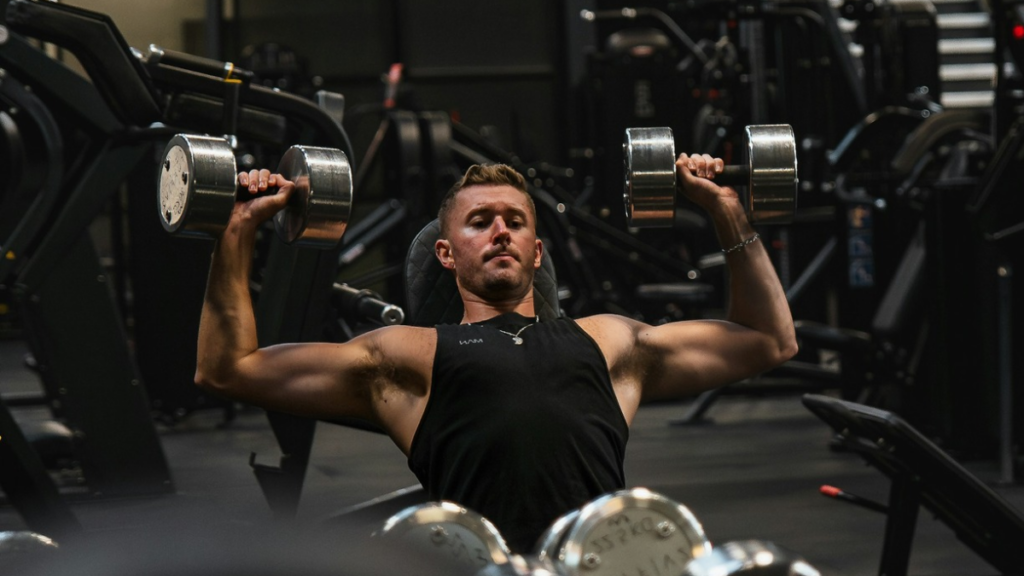
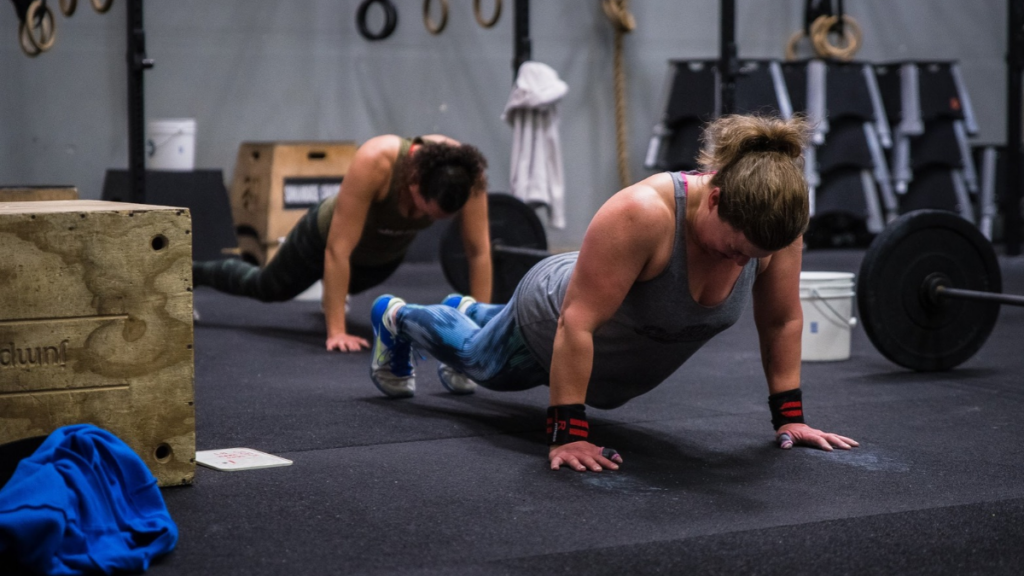
Excellent compound exercises include the bench press, push up, overhead press, pull up, chin up, barbell row, dumbbell row, and incline dumbbell press.
Research consistently demonstrates that compound movements produce high levels of muscle activation across the chest, shoulders, back, and arms while allowing greater overall training volume compared to isolation exercises alone. Once the major lifts are complete, smaller isolation exercises such as curls or triceps extensions can be added to target specific muscles.
Tip 2: Train Every Major Upper Body Muscle
Many beginners spend far too much time training mirror muscles like the chest and biceps while neglecting the back and rear shoulders.
An attractive physique depends on symmetry. Your upper body program should include exercises for the chest, upper back, lats, shoulders, biceps, triceps, forearms, and core. Strong back muscles improve posture, create the appearance of a smaller waist, and contribute significantly to the classic V shaped torso that many people want. Research has repeatedly shown that balanced strength development also lowers injury risk by improving shoulder stability and movement mechanics.
Tip 3: Prioritize Progressive Overload
Muscles only grow when they are challenged beyond what they are accustomed to. This principle is known as progressive overload.
Progressive overload does not necessarily mean adding weight every workout. It can also involve performing extra repetitions, improving exercise technique, increasing training volume, or shortening rest periods while maintaining performance. Scientific reviews consistently identify progressive overload as one of the essential drivers of long term muscle growth.
Keep a training log so you can gradually improve your performance over time. Small improvements each week eventually become major changes over several months.
Tip 4: Train Close to Muscle Failure
Many beginners stop their sets far too early because the exercise starts becoming uncomfortable. Research over the past decade has shown that muscle growth is maximized when sets are performed relatively close to muscular failure. This means finishing a set when only one to three good repetitions remain before you could no longer complete another repetition with proper form.
You do not need to reach complete failure on every set. Training close to failure allows greater recruitment of high threshold motor units, which are responsible for stimulating muscle growth. Maintaining good technique remains far more important than squeezing out one final sloppy repetition.
Tip 5: Eat Enough Protein
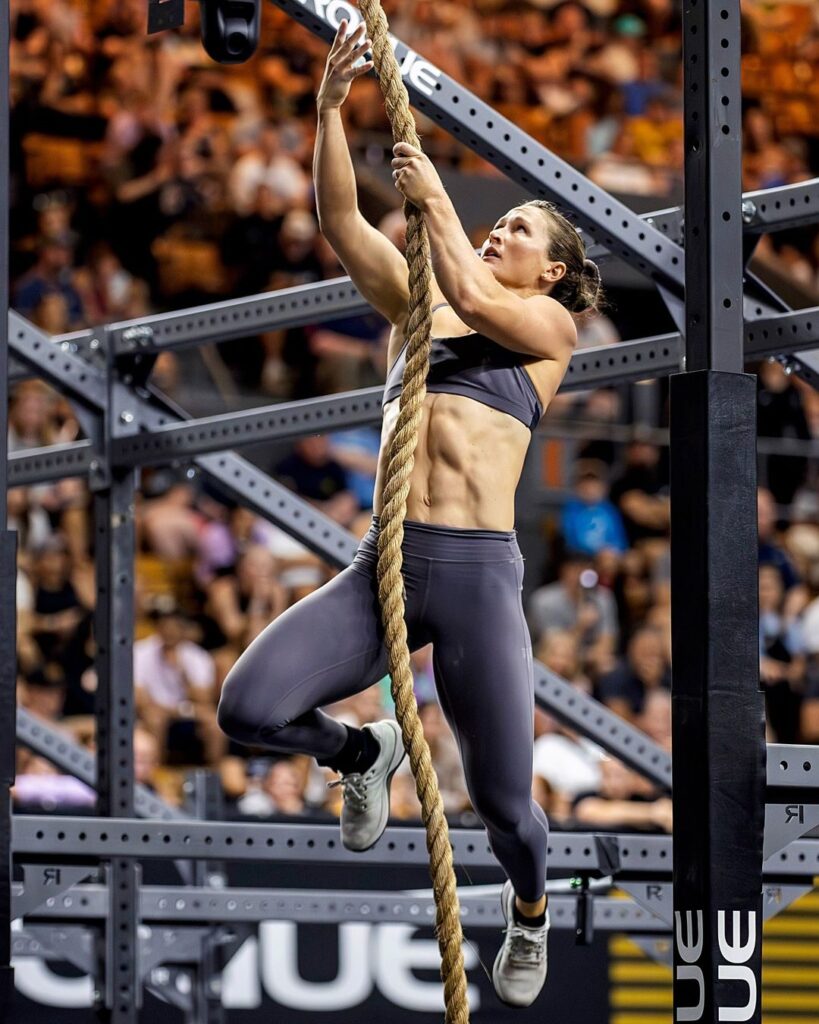
Resistance training provides the stimulus for muscle growth, but protein supplies the building blocks. Protein provides amino acids that repair damaged muscle tissue and support muscle protein synthesis after training. Large scientific reviews suggest that individuals trying to maximize muscle growth benefit from consuming approximately 1.6 to 2.2 grams of protein per kilogram of body weight each day.
High quality protein sources include lean meat, poultry, fish, eggs, dairy products, soy foods, beans, lentils, and protein supplements when necessary. Distributing protein across several meals throughout the day may further optimize muscle protein synthesis.

Tip 6: Recover as Hard as You Train
Muscle growth occurs during recovery rather than during the workout itself. Sleep is particularly important because growth hormone secretion, tissue repair, and muscle protein synthesis all increase during high quality sleep. Research consistently associates sleeping fewer than seven hours per night with poorer recovery, slower muscle growth, reduced strength gains, and impaired athletic performance.
Aim for seven to nine hours of sleep every night. Recovery also includes proper nutrition, hydration, stress management, and allowing enough time between workouts for muscles to repair.
Training harder without recovering properly rarely produces better results.
Tip 7: Use Proper Technique Before Adding Weight
Lifting heavier weights always feels rewarding, but increasing weight too quickly often leads to poor movement quality and higher injury risk. Beginners should spend their first few months mastering exercise technique. Controlled repetitions performed through a full range of motion generally produce greater muscle activation than partial repetitions.
Research also suggests that training through longer muscle lengths may provide superior hypertrophy for several muscle groups. Learning proper technique early allows continuous progress while protecting the shoulders, elbows, and wrists from unnecessary stress.
If your form breaks down significantly, reduce the weight and rebuild with better movement quality.
Tip 8: Train Your Shoulders From Multiple Angles
Broad shoulders are one of the biggest contributors to an athletic upper body appearance. The shoulder consists of three major heads.
- The anterior deltoid works heavily during pressing exercises.
- The lateral deltoid contributes most to shoulder width.
- The posterior deltoid plays an important role in posture, shoulder health, and upper back development.
Many beginners accidentally overtrain the front shoulders while ignoring the side and rear portions. Include exercises such as overhead presses, lateral raises, and face pulls or reverse flyes to develop complete shoulder musculature.
Electromyography studies consistently show that different shoulder exercises emphasize different portions of the deltoid, making exercise variety beneficial.
Tip 9: Be Consistent Instead of Perfect
The best workout is the one you actually complete. Many beginners jump from one program to another after only a few weeks because they expect immediate transformation. Muscle growth is relatively slow, but consistent.
Research examining long term resistance training shows that regular adherence matters far more than finding the perfect exercise selection. Missing an occasional workout will not ruin progress. What matters is showing up week after week, month after month. Even three well planned sessions per week can produce impressive upper body development when performed consistently.
Tip 10: Track Your Progress Beyond the Mirror
The mirror can be misleading because muscle growth happens gradually. Instead of relying only on appearance, monitor objective indicators. Track body weight, strength improvements, training volume, body measurements, and progress photos taken under similar lighting conditions.
These measurements provide motivation because they reveal progress that may not be immediately visible. Research consistently shows that self monitoring improves adherence to exercise programs by increasing motivation and accountability. When you see your bench press increasing, your pull ups improving, and your shoulders becoming broader over several months, it becomes much easier to stay committed.
Common Beginner Mistakes to Avoid
Many beginners unknowingly slow their progress by making predictable mistakes. One common problem is changing workouts every week. Muscles need repeated exposure to exercises before meaningful progression can occur. Another mistake is spending excessive time on arm exercises while neglecting the back. A large, muscular back creates much of the visual impact associated with an impressive upper body.
Poor nutrition also limits muscle growth. Training hard without eating enough calories or protein significantly reduces your ability to recover and build new muscle tissue.
Finally, many beginners underestimate the importance of patience. Building an attractive upper body takes months of consistent effort rather than a few weeks of intense training.
Putting Everything Together
An attractive and muscular upper body is built through consistency rather than shortcuts. Prioritize compound exercises, train every major muscle group, gradually increase the challenge, consume enough protein, and recover properly. Focus on mastering technique before chasing heavier weights, and remember that balanced development always looks better than emphasizing one body part at the expense of another.
The encouraging news is that beginners often experience the fastest progress they will ever make. By following evidence based principles from the start, you can build strength, increase muscle size, improve posture, and develop an athletic physique that continues improving for years.
Small improvements made consistently eventually lead to dramatic physical changes. Stay patient, train intelligently, and allow the science to work in your favor.
Key Takeaways
| Tip | Why It Matters | Practical Action |
|---|---|---|
| Focus on compound exercises | Builds the most muscle efficiently | Base workouts around presses, rows, pull ups, and overhead presses |
| Train every major muscle | Creates balanced development | Include chest, back, shoulders, arms, and core every week |
| Use progressive overload | Drives continuous muscle growth | Gradually increase weight, reps, or training volume |
| Train close to failure | Maximizes muscle fiber recruitment | Finish most sets with one to three reps left in reserve |
| Eat enough protein | Supports muscle repair and growth | Consume 1.6 to 2.2 grams of protein per kilogram daily |
| Prioritize recovery | Allows muscles to grow stronger | Sleep seven to nine hours and recover between sessions |
| Perfect your technique | Improves safety and muscle activation | Master movement quality before adding weight |
| Train shoulders completely | Builds width and stability | Include presses, lateral raises, and rear shoulder work |
| Stay consistent | Long term adherence drives results | Follow the same program for several months |
| Track objective progress | Increases motivation | Record strength, measurements, and progress photos |
References
- American College of Sports Medicine. (2009). Progression models in resistance training for healthy adults. Medicine and Science in Sports and Exercise, 41(3), 687 to 708.
- Grgic, J., Schoenfeld, B.J., Orazem, J. and Sabol, F. (2022). Effects of resistance training performed to repetition failure or non failure on muscular strength and hypertrophy. Journal of Sport and Health Science, 11(2), 202 to 211.
- Krieger, J.W. (2010). Single versus multiple sets of resistance exercise for muscle hypertrophy. Journal of Strength and Conditioning Research, 24(4), 1150 to 1159.
- Morton, R.W., Murphy, K.T., McKellar, S.R. et al. (2018). A systematic review, meta analysis and meta regression of protein supplementation on resistance training induced gains in muscle mass and strength. British Journal of Sports Medicine, 52(6), 376 to 384.
- Peterson, M.D., Rhea, M.R. and Alvar, B.A. (2004). Maximizing strength development in athletes. Journal of Strength and Conditioning Research, 18(2), 377 to 382.
- Schoenfeld, B.J. (2010). The mechanisms of muscle hypertrophy and their application to resistance training. Journal of Strength and Conditioning Research, 24(10), 2857 to 2872.
- Schoenfeld, B.J., Ogborn, D. and Krieger, J.W. (2017). Dose response relationship between weekly resistance training volume and increases in muscle mass. Journal of Sports Sciences, 35(11), 1073 to 1082.