

Press ups are one of the simplest and most effective ways to measure upper body strength and muscular endurance. They require no equipment, take only a few minutes to perform, and provide valuable insight into your overall fitness. Whether you are a beginner or an experienced athlete, knowing how many quality press ups you should be able to complete for your age can help you assess your current fitness and identify areas for improvement.
Unlike exercises that require expensive gym equipment, the press up tests multiple muscle groups at once while also demanding stability, coordination, and core strength. Research has consistently shown that muscular endurance is closely linked with better physical function, improved metabolic health, and lower risk of chronic disease.



So, how many press ups should you be able to do? The answer depends on your age, sex, training history, and overall health. Fortunately, several large studies have established benchmarks that allow you to compare your performance against others in your age group.
Why Press Ups Matter
The standard press up primarily trains the pectoralis major, anterior deltoids, and triceps. However, the movement also heavily recruits the rectus abdominis, obliques, serratus anterior, spinal stabilizers, and glutes to maintain a rigid body position.
Because so many muscles work together during each repetition, the press up is considered an excellent indicator of functional upper body fitness rather than simply isolated strength.
Research has shown that muscular endurance contributes to healthy aging, better mobility, improved insulin sensitivity, and lower cardiovascular disease risk. People who maintain higher levels of muscular fitness throughout life generally experience fewer limitations in daily activities as they age.

Perhaps even more surprisingly, one large study of male firefighters found that individuals capable of completing more than 40 consecutive press ups had a dramatically lower risk of cardiovascular disease during the following decade compared with those who could complete fewer than 10 repetitions.
3 Best Beginner Exercises for Ripped and Attractive Abs
Although this study involved occupationally active men rather than the general population, it highlighted the strong relationship between muscular endurance and long term health.
What Makes a Good Press Up?
Quality always matters more than quantity.
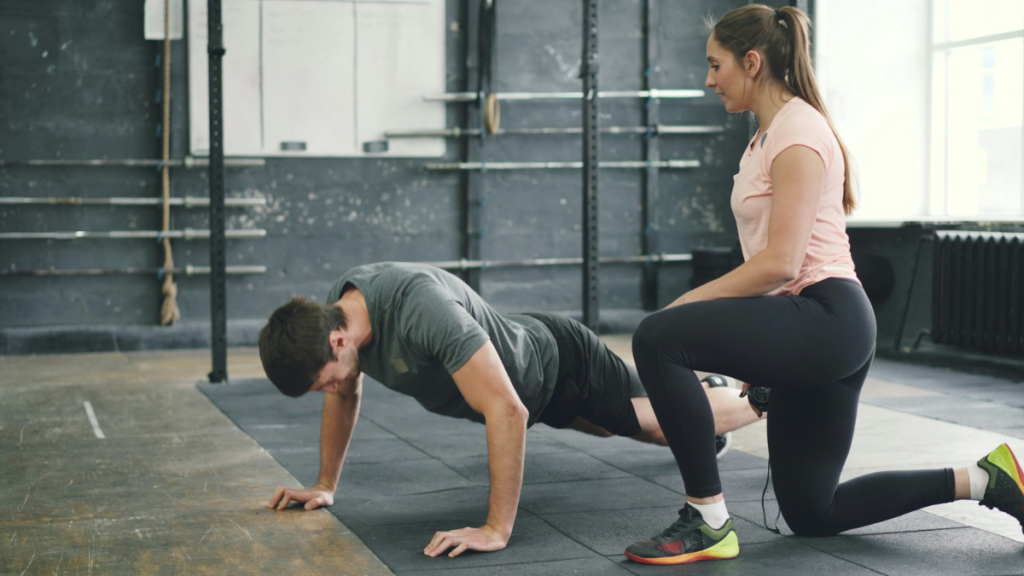
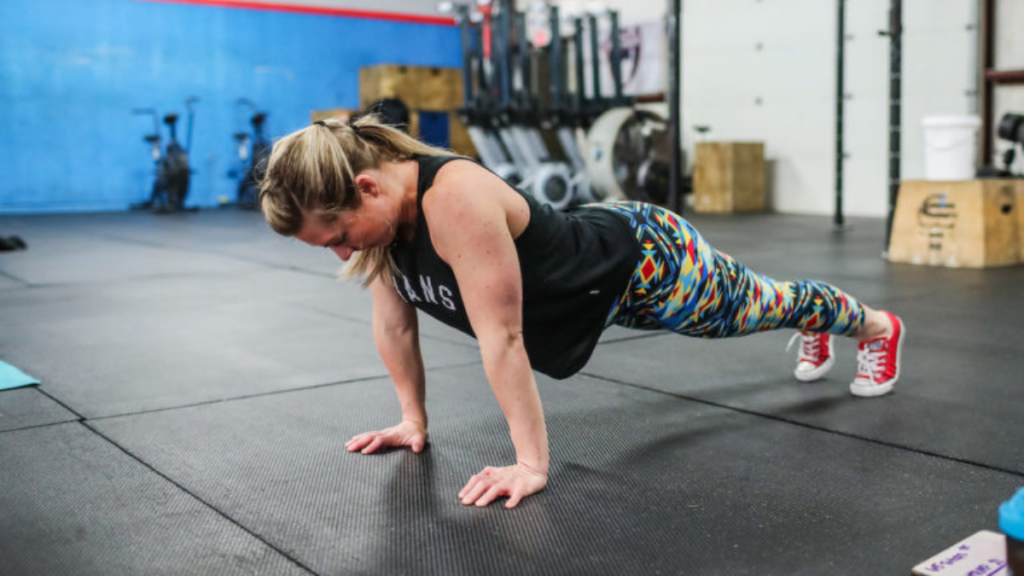
A proper press up begins in a straight plank position with the hands slightly wider than shoulder width. The body should remain rigid from shoulders to ankles throughout the movement. Lower your chest until your elbows reach roughly 90 degrees or your chest lightly touches the floor before pressing back to full elbow extension. Half repetitions, sagging hips, flared elbows, or incomplete lockout should not count toward your total.
Maintaining proper technique ensures the test accurately reflects muscular endurance instead of poor movement quality.
Average Press Up Standards by Age
Several organizations have collected normative fitness data over decades. One of the most widely used comes from the American College of Sports Medicine, alongside large population fitness databases.
The numbers below represent approximate averages for healthy adults performing standard press ups with proper form.
Table: Average Press Up Performance for Men
| Age | Average Number of Press Ups |
|---|---|
| 20 to 29 | 22 to 28 |
| 30 to 39 | 17 to 21 |
| 40 to 49 | 13 to 16 |
| 50 to 59 | 10 to 12 |
| 60 and over | 8 to 10 |
Table: Average Press Up Performance for Women
| Age | Average Number of Press Ups |
|---|---|
| 20 to 29 | 15 to 20 |
| 30 to 39 | 13 to 19 |
| 40 to 49 | 11 to 14 |
| 50 to 59 | 7 to 10 |
| 60 and over | 5 to 8 |
These values represent general averages rather than elite performance. Many recreational exercisers can exceed these numbers with consistent training.
What Counts as Excellent?
If you are aiming higher than average, these targets represent excellent muscular endurance for healthy adults.
Table: Excellent Press Up Standards
| Age | Men | Women |
|---|---|---|
| 20 to 29 | 45 or more | 35 or more |
| 30 to 39 | 40 or more | 30 or more |
| 40 to 49 | 35 or more | 25 or more |
| 50 to 59 | 30 or more | 20 or more |
| 60 and over | 25 or more | 15 or more |
Reaching these numbers typically requires consistent resistance training and good body composition.
Why Performance Declines With Age
Most people notice that press up performance gradually decreases over time. This happens for several reasons.
Loss of Muscle Mass
Beginning around age 30, adults naturally lose muscle mass through a process known as sarcopenia. Unless resistance training is maintained, this gradual decline accelerates after age 60.
Reduced muscle mass directly decreases strength and muscular endurance.
Lower Power Production
Fast twitch muscle fibers become smaller and less efficient with age. This reduces the ability to repeatedly generate force during movements like press ups.
Reduced Recovery
Older adults generally recover more slowly after intense exercise. This makes maintaining high training volumes more challenging without careful programming.
Increased Body Weight
Press ups require lifting approximately 60 to 70 percent of total body weight. If body fat increases while muscle mass decreases, the exercise becomes considerably harder.
What Your Press Up Score Says About Your Health
Press ups are much more than an upper body exercise. Because they combine strength, endurance, stability, coordination, and body weight control, they reflect overall physical fitness remarkably well.
Individuals with higher muscular fitness generally experience lower rates of cardiovascular disease, type 2 diabetes, metabolic syndrome, and premature mortality. Several long term studies have shown muscular strength independently predicts health outcomes even after accounting for aerobic fitness.
This means your ability to perform repeated body weight exercises provides meaningful information about long term health. Of course, press ups should never replace medical assessments, but they offer a practical snapshot of physical capability.
How to Improve Your Press Up Score
The good news is that nearly everyone can improve regardless of age.
Practice Frequently
One of the fastest ways to improve is simply performing press ups regularly. Two to four sessions each week allow the nervous system to become more efficient while gradually improving muscular endurance.

Avoid training to complete failure every session. Instead, stop with one or two repetitions left in reserve.
Strengthen Supporting Muscles
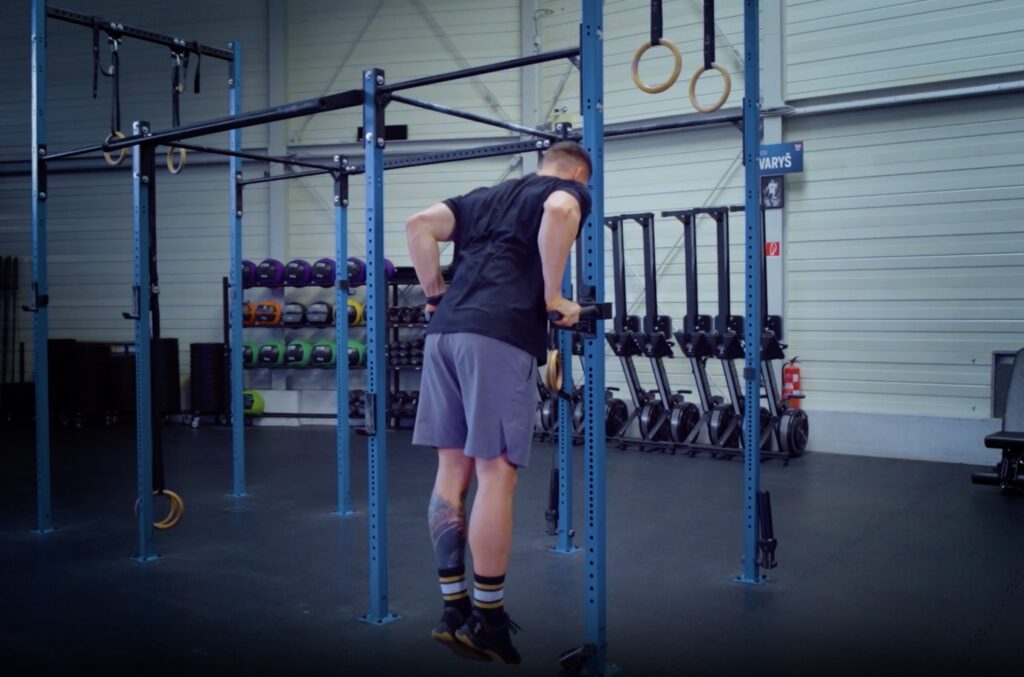
Bench presses, dumbbell presses, overhead presses, dips, rows, and triceps exercises all improve the muscles involved in press ups. A stronger upper body allows each individual repetition to require a smaller percentage of your maximum strength.
Improve Core Stability
A weak core often causes technique to break down before the chest or arms fatigue. Exercises such as planks, side planks, dead bugs, and hollow body holds improve body position throughout the movement.
Manage Body Weight
Since every repetition requires moving your own body, reducing excess body fat can dramatically increase press up performance without increasing muscle strength.
Combining resistance training with sensible nutrition often produces noticeable improvements.
Progress Gradually
If standard press ups are currently too difficult, begin with incline press ups using a bench or sturdy table. As strength improves, gradually lower the incline until floor press ups become achievable.
Should Older Adults Still Train Press Ups?
Absolutely. Resistance training is one of the most effective interventions for slowing age related muscle loss. Research consistently demonstrates that adults in their sixties, seventies, and even eighties can significantly increase strength and muscle mass through regular resistance exercise.
Modified press ups performed against a wall, countertop, or bench provide an excellent starting point. As strength improves, progression toward floor press ups becomes possible for many healthy adults. Maintaining upper body strength helps preserve independence, reduces fall risk, and improves quality of life.
The Bigger Picture
It is important not to obsess over one fitness test. Someone who performs fewer press ups than average may still have excellent cardiovascular fitness, mobility, flexibility, or athletic ability. Likewise, someone capable of 50 press ups may still neglect aerobic exercise or lower body strength.
The press up should be viewed as one useful piece of the overall fitness puzzle rather than the complete picture. Still, because it requires strength, muscular endurance, coordination, and body control simultaneously, it remains one of the most valuable body weight assessments available.
Final Thoughts
Your press up score offers a simple yet surprisingly powerful snapshot of your overall fitness. While age naturally influences performance, regular strength training can dramatically slow the decline and often reverse it.
Rather than comparing yourself with elite athletes or younger individuals, compare yourself with where you were six months ago. If your numbers continue moving upward while your technique remains solid, you are becoming stronger, healthier, and more resilient.
Whether your goal is completing your first proper press up or reaching 40 consecutive repetitions, consistent training, proper recovery, and good nutrition will steadily move you closer. The best press up score is not necessarily the highest one. It is the one that reflects a body becoming stronger year after year.
Key Takeaways
| Topic | Key Takeaway |
|---|---|
| Why press ups matter | They measure upper body strength, muscular endurance, core stability, and functional fitness. |
| Average performance | Expected repetitions gradually decrease with age because of natural changes in muscle mass and recovery. |
| Excellent performance | Men performing over 45 and women over 35 press ups in their twenties demonstrate exceptional muscular endurance. |
| Health connection | Better press up performance is associated with improved cardiovascular and metabolic health. |
| Improvement strategy | Practice regularly, strengthen supporting muscles, improve core stability, manage body weight, and progress gradually. |
| Technique | Full range of motion and proper body alignment matter more than total repetitions. |
| Aging | Resistance training can significantly reduce age related declines in strength and muscular endurance. |
| Overall message | Compare your progress over time rather than only against population averages. |
References
- American College of Sports Medicine (2022) ACSM’s Guidelines for Exercise Testing and Prescription. 11th ed. Philadelphia: Wolters Kluwer.
- Church, T.S., Cheng, Y.J., Earnest, C.P., Barlow, C.E., Gibbons, L.W., Priest, E.L. and Blair, S.N. (2004) Exercise capacity and body composition as predictors of mortality among men with diabetes. Diabetes Care, 27(1), pp. 83 to 88.
- García Hermoso, A., Ramírez Vélez, R., Peterson, M.D. and Izquierdo, M. (2018) Handgrip and muscular strength cut points for cardiometabolic risk in children and adults. Sports Medicine, 48(3), pp. 693 to 703.
- Kraschnewski, J.L., Sciamanna, C.N., Poger, J.M., Rovniak, L.S., Lehman, E.B., Cooper, A.B. and Ballentine, N.H. (2016) Is strength training associated with mortality benefits? A 15 year cohort study of US adults. Preventive Medicine, 87, pp. 121 to 127.
- Lee, D.C., Artero, E.G., Sui, X. and Blair, S.N. (2010) Mortality trends in the general population. The importance of muscular strength. Journal of Strength and Conditioning Research, 24(10), pp. 2790 to 2798.
- Saint Maur, G., Wack, M., De La Torre, D., Patel, A. and Franklin, B.A. (2019) Association between push up exercise capacity and future cardiovascular events among active adult men. JAMA Network Open, 2(2), e188341.
- Steib, S., Schoene, D. and Pfeifer, K. (2010) Dose response relationship of resistance training in older adults. Medicine and Science in Sports and Exercise, 42(5), pp. 902 to 914.
- Westcott, W.L. (2012) Resistance training is medicine. Current Sports Medicine Reports, 11(4), pp. 209 to 216.