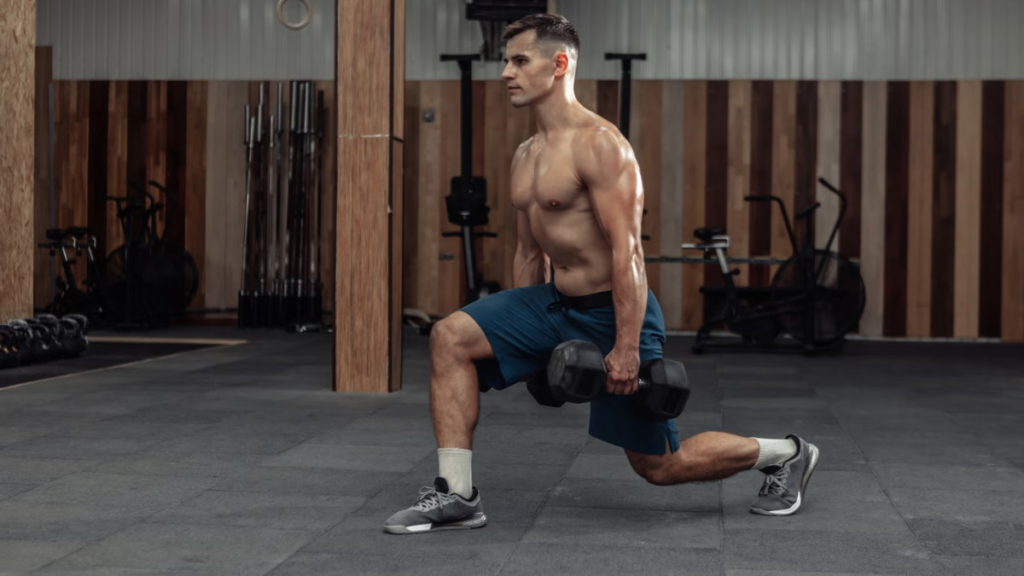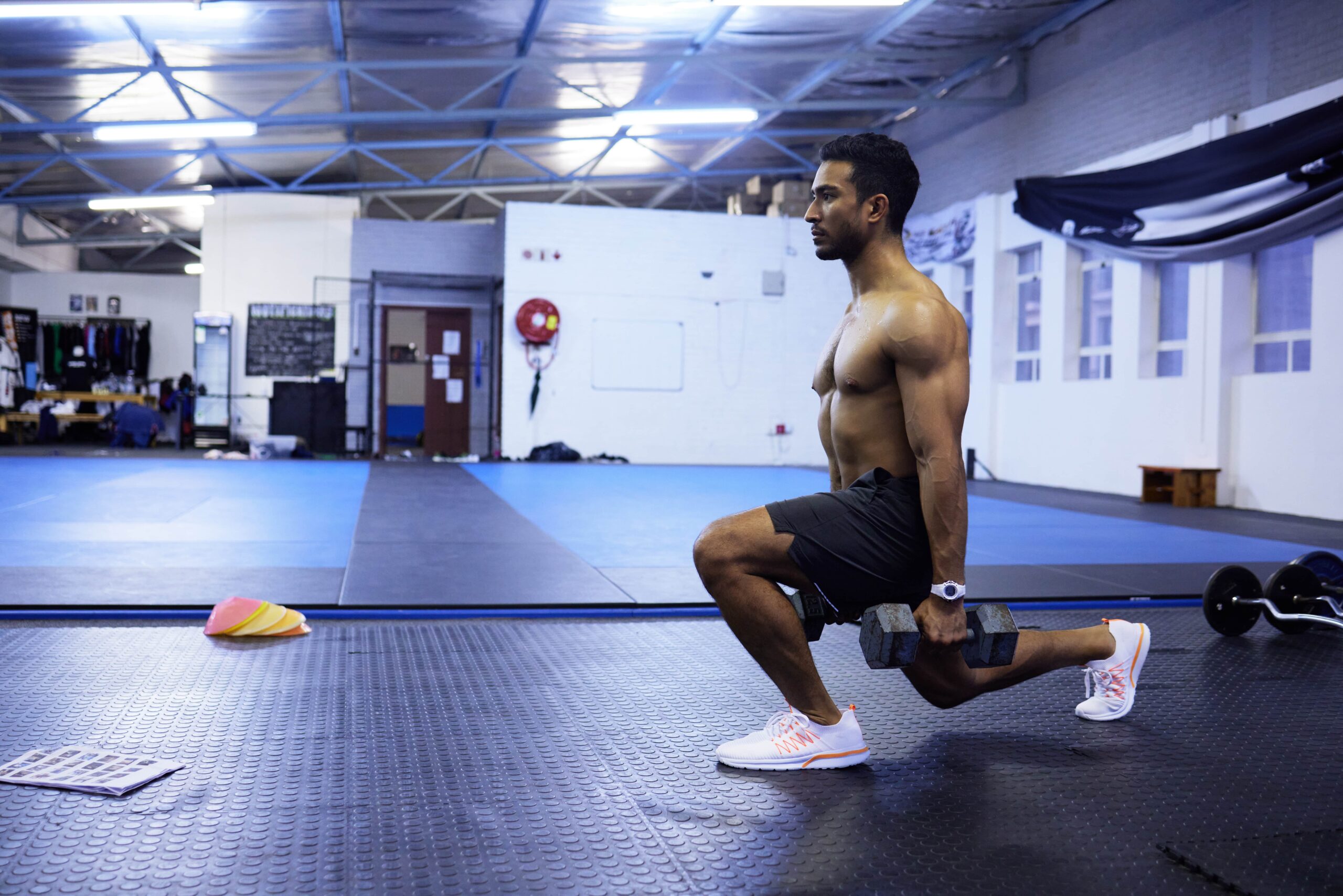


The reverse Nordic curl has quietly become one of the most respected bodyweight exercises for building stronger quadriceps, improving knee resilience, and increasing mobility through the front of the hips and thighs. Unlike the traditional Nordic hamstring curl, which emphasizes the muscles on the back of the leg, the reverse variation shifts the challenge to the quadriceps while placing them under a long stretch.
Athletes in CrossFit, weightlifting, sprinting, martial arts, and field sports have increasingly added reverse Nordic curls to their training because they develop strength in a range of motion that many traditional exercises neglect. Instead of relying on external weights, the exercise creates significant tension simply by using your own bodyweight as resistance.


But is it really the perfect exercise for stronger quads?
The answer depends on what you mean by “perfect.” Scientific evidence suggests the reverse Nordic curl offers several unique advantages, especially for hypertrophy, tendon health, mobility, and knee function. At the same time, it should complement rather than replace traditional compound lifts like squats and split squats.
Let’s examine what the research says.
What Is the Reverse Nordic Curl?
The reverse Nordic curl begins from a tall kneeling position with your knees on a padded surface. Keeping your hips fully extended and your torso straight from shoulders to knees, you slowly lean backward while resisting gravity through your quadriceps. The movement continues until you reach your comfortable range before driving yourself back to the starting position using your quads.
Unlike squats, there is very little movement at the hips. Nearly all of the work comes from controlling knee extension while the quadriceps lengthen under tension. This makes it one of the few bodyweight exercises that effectively trains the quadriceps in a stretched position.
Why the Exercise Is Different From Squats
Most quad exercises involve bending at both the hips and knees. During a squat, your glutes, adductors, calves, and lower back all contribute significantly to completing the lift. Although the quadriceps work hard, they share the load with multiple muscle groups. The reverse Nordic curl isolates the quadriceps far more effectively because the hips remain extended throughout the exercise. This changes the mechanics considerably.
5 Best Beginner Exercises for Wider and More Muscular Shoulders
The rectus femoris, one of the four quadriceps muscles, crosses both the hip and knee joints. Keeping the hips extended while the knees flex places this muscle under substantial stretch, creating mechanical tension across its entire length.
Research consistently shows that exercises placing muscles under high tension while lengthened can produce substantial hypertrophy and strength gains.
Understanding Stretch Mediated Hypertrophy
One of the biggest reasons coaches have become interested in reverse Nordic curls is the concept of stretch mediated hypertrophy. Research over the past decade has demonstrated that muscles trained in lengthened positions often grow more than muscles trained over shorter ranges of motion.
Mechanical tension appears to be highest when muscle fibers generate force while stretched. Studies comparing partial repetitions performed at longer muscle lengths with those performed at shorter lengths have repeatedly shown superior muscle growth in the lengthened position.
The reverse Nordic curl naturally creates this type of loading. As you lean backward, the quadriceps experience increasing tension while simultaneously lengthening. This combination appears highly effective for stimulating muscle growth.
The Quadriceps Work Harder Than Many People Expect
Many people underestimate how demanding the exercise actually is. Electromyography studies examining quadriceps activation during knee extension exercises consistently demonstrate very high activation of all four quadriceps muscles when the knee extensors must control bodyweight eccentrically.
Although fewer EMG studies have specifically investigated reverse Nordic curls, biomechanical analyses show the exercise creates large knee extension moments that require substantial quadriceps force production. Athletes often report that just five controlled repetitions produce an intense burning sensation comparable to heavy leg training. That feeling reflects the high muscular demand rather than simply discomfort.

Eccentric Strength Is a Major Benefit
One of the defining characteristics of the reverse Nordic curl is its emphasis on eccentric loading.
- As you slowly lean backward, your quadriceps contract while lengthening to control your descent.
- Eccentric contractions produce higher force than concentric contractions while requiring less energy expenditure.
- Research has repeatedly shown eccentric training improves muscle size, maximal strength, tendon stiffness, and injury resilience.
- Eccentric loading also produces unique structural adaptations within muscle fibers that may improve force production over time.
For athletes who sprint, jump, or rapidly change direction, eccentric strength is particularly valuable because it improves deceleration ability and helps absorb force safely.
Can Reverse Nordic Curls Help Prevent Knee Pain?
This may be one of the exercise’s greatest strengths. The quadriceps tendon and patellar tendon both experience substantial loading during the movement. Progressive tendon loading is one of the most effective strategies for improving tendon health.
Sports medicine research consistently supports progressive resistance exercise as the first line treatment for many chronic tendon conditions. Although reverse Nordic curls have not been studied as extensively as decline squats for patellar tendinopathy, they provide heavy controlled loading through a large range of knee flexion.
Many physical therapists now include them during later stages of rehabilitation once symptoms have settled. The exercise also strengthens the quadriceps without requiring heavy barbells, making it useful when athletes need to reduce overall joint compression while maintaining muscular stimulus.
Hip Flexor Mobility Improves at the Same Time
Few exercises combine strength and mobility as effectively. Because the hips remain fully extended throughout the movement, the hip flexors, particularly the rectus femoris, experience an active stretch.
Unlike passive stretching, active loading appears more effective for creating lasting mobility improvements because the nervous system learns to tolerate greater ranges while producing force. Research on loaded stretching has demonstrated improvements in flexibility alongside increases in muscle size and strength. For athletes who spend long hours sitting or cycling, this can be particularly valuable.
Stronger Knees Through Full Range Training
Many gym exercises never challenge the quadriceps in deep knee flexion. Leg presses, partial squats, and machine extensions often emphasize mid range positions.
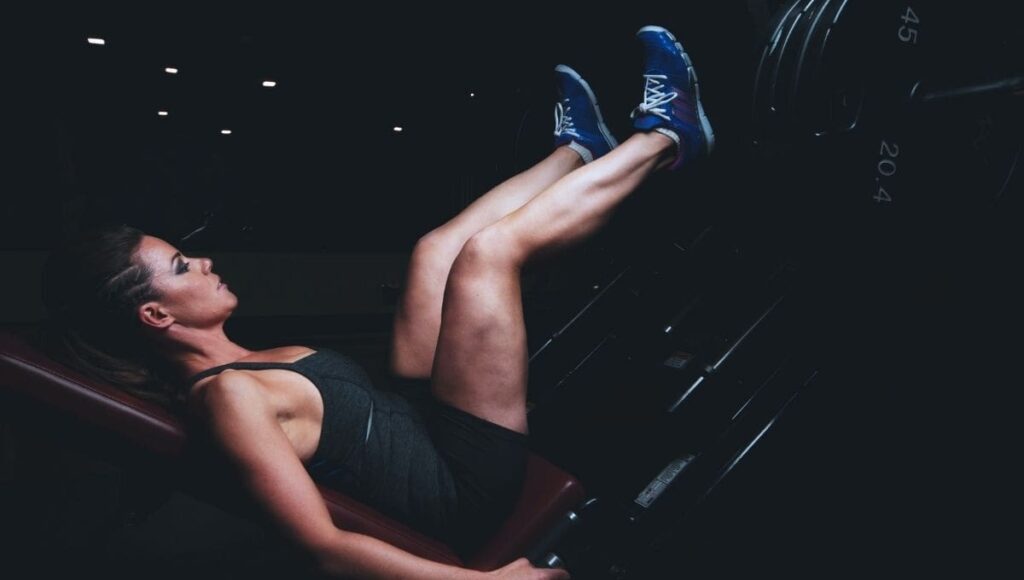
The reverse Nordic curl loads the quadriceps across a much larger range. Training through larger ranges of motion has been associated with greater improvements in flexibility, muscle growth, and functional strength.
Developing strength near the end ranges of knee motion may also improve confidence during sports movements that require deep bending positions.
Is It Better Than Squats?
No. But it also does something squats cannot.
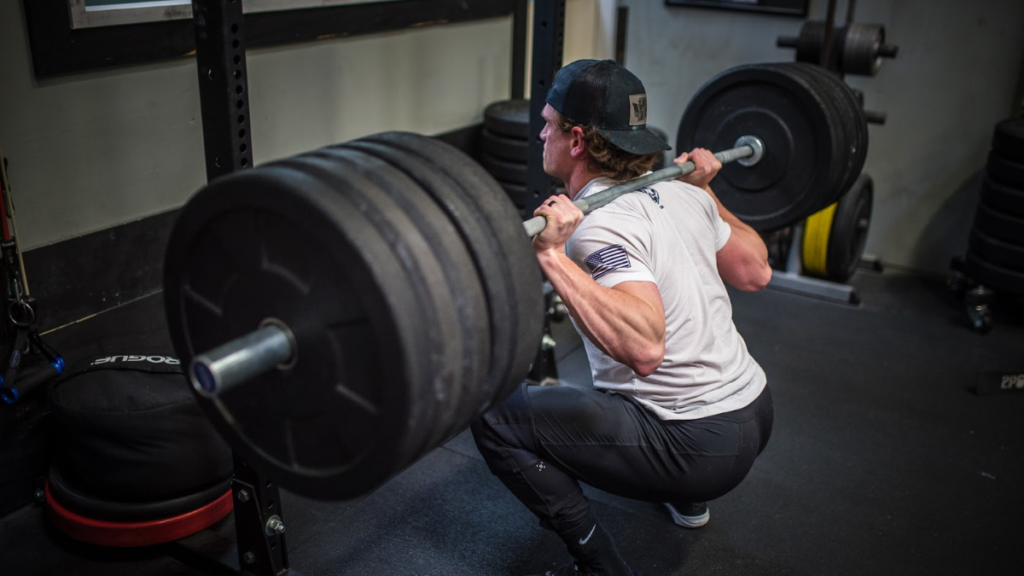
Heavy squats remain superior for developing total lower body strength because they involve much greater external loading and recruit numerous muscle groups simultaneously. Numerous studies have shown back squats improve maximal strength, athletic performance, bone density, and power output.
However, squats do not isolate the quadriceps to the same extent, particularly the rectus femoris. The reverse Nordic curl fills this gap. Think of squats as your primary strength exercise and reverse Nordic curls as a specialized accessory movement. Together they create a more complete lower body program.
Who Benefits Most?
The exercise works well for several groups.
- Strength athletes can use it to improve quadriceps development without additional spinal loading.
- CrossFit athletes benefit because stronger quadriceps improve squatting, wall balls, pistols, and many gymnastics movements.
- Weightlifters often use reverse Nordic curls to increase knee strength while reducing overall fatigue from heavy squats.
- Field sport athletes gain eccentric control that supports sprinting and rapid changes of direction.
Older adults may also benefit when the exercise is appropriately modified since quadriceps strength strongly predicts mobility, balance, and independence.
Is It Safe?
For healthy individuals, yes. The exercise places considerable stress on the quadriceps and knees, but that stress is exactly what drives adaptation when introduced gradually. Anyone recovering from recent knee surgery or experiencing acute knee pain should first consult a qualified healthcare professional.
Beginners should also expect delayed onset muscle soreness after their first few sessions. This is normal because eccentric training typically produces greater muscle damage than concentric exercise. With regular practice, soreness decreases as the muscles adapt.
The Verdict
Calling the reverse Nordic curl the perfect exercise would probably be an exaggeration because no single movement can develop every quality needed for complete lower body strength. However, it may be one of the most underrated quadriceps exercises available.
It combines high quadriceps activation, eccentric strength development, loaded mobility, tendon conditioning, and minimal equipment requirements in a single movement. Very few exercises offer all of these benefits simultaneously. When paired with heavy compound lifts such as squats, lunges, and split squats, reverse Nordic curls provide a unique training stimulus that many athletes are missing.
If your goal is stronger, more resilient quadriceps that perform well both inside and outside the gym, this exercise deserves a regular place in your training program.
Key Takeaways
| Topic | Summary |
|---|---|
| Primary muscles | Quadriceps, especially the rectus femoris |
| Main benefit | Builds strength through a lengthened range of motion |
| Type of loading | Bodyweight eccentric focused resistance |
| Mobility benefit | Improves hip flexor and quadriceps flexibility while strengthening |
| Best for | Athletes, lifters, runners, CrossFit participants, and anyone seeking stronger knees |
| Replacement for squats? | No. It works best as an accessory exercise alongside compound lifts |
| Recommended volume | 2 to 4 sets of 6 to 12 controlled repetitions |
| Equipment needed | Soft pad or mat for the knees |
References
- Aagaard, P., Simonsen, E.B., Andersen, J.L., Magnusson, P. and Dyhre Poulsen, P. (2000). Increased rate of force development and neural drive of human skeletal muscle following resistance training. Journal of Applied Physiology, 93(4), 1318 to 1326.
- Franchi, M.V., Reeves, N.D. and Narici, M.V. (2017). Skeletal muscle remodeling in response to eccentric versus concentric loading. Frontiers in Physiology, 8, 447.
- Kubo, K., Ikebukuro, T., Yata, H., Tomita, M. and Okada, M. (2021). Effects of resistance training with different range of motion on muscle function and morphology. European Journal of Applied Physiology, 121(2), 457 to 468.
- LaStayo, P.C., Woolf, J.M., Lewek, M.D., Snyder Mackler, L., Reich, T. and Lindstedt, S.L. (2003). Eccentric muscle contractions. Their contribution to injury, prevention, rehabilitation, and sport. Journal of Orthopaedic and Sports Physical Therapy, 33(10), 557 to 571.
- Maeo, S., Ando, Y., Takahashi, T., Kanehisa, H. and Nosaka, K. (2021). Effect of lengthened partial range of motion resistance training on muscle hypertrophy. Scandinavian Journal of Medicine and Science in Sports, 31(9), 1778 to 1788.
- Pedersen, S., Winding, K.M., Olesen, J.L., Overgaard, K. and Schjerling, P. (2022). Evidence for training at longer muscle lengths promoting greater hypertrophy. Sports Medicine, 52(5), 957 to 977.
- Rio, E., Kidgell, D., Purdam, C., Gaida, J., Moseley, G.L., Pearce, A.J. and Cook, J. (2015). Isometric exercise induces analgesia and reduces inhibition in patellar tendinopathy. British Journal of Sports Medicine, 49(19), 1277 to 1283.
- Schoenfeld, B.J., Grgic, J., Ogborn, D. and Krieger, J.W. (2017). Strength and hypertrophy adaptations between low load and high load resistance training. Journal of Strength and Conditioning Research, 31(12), 3508 to 3523.