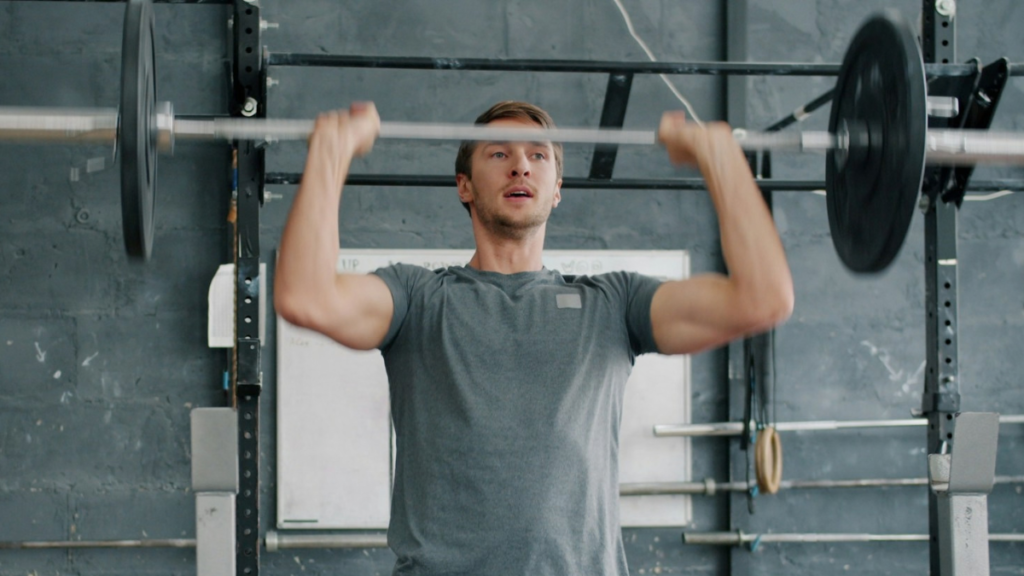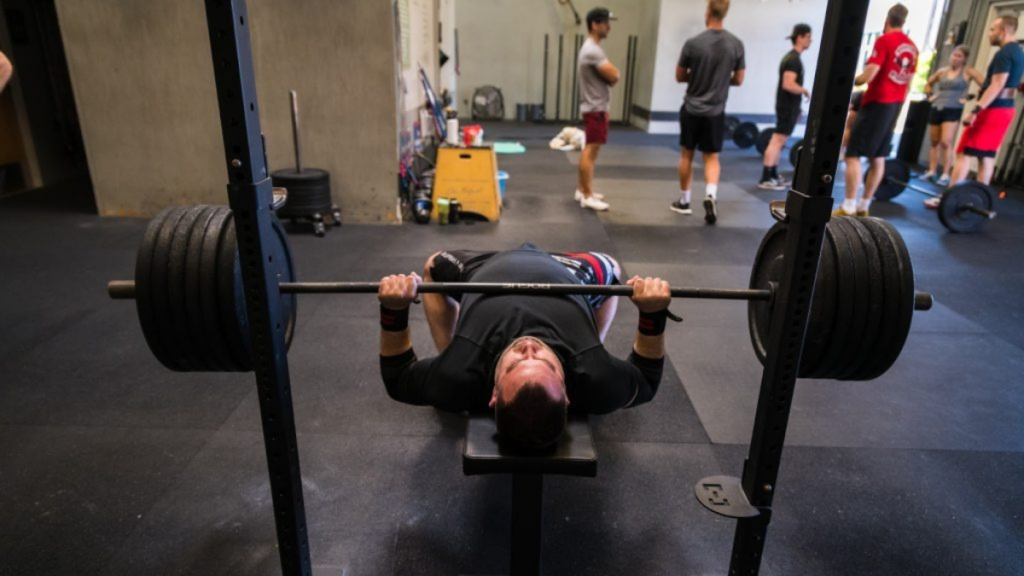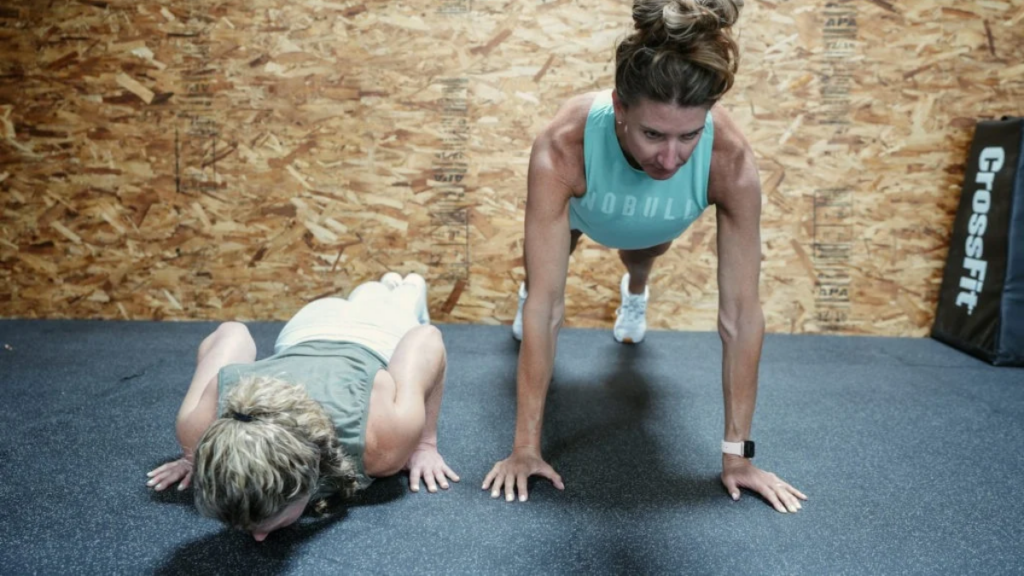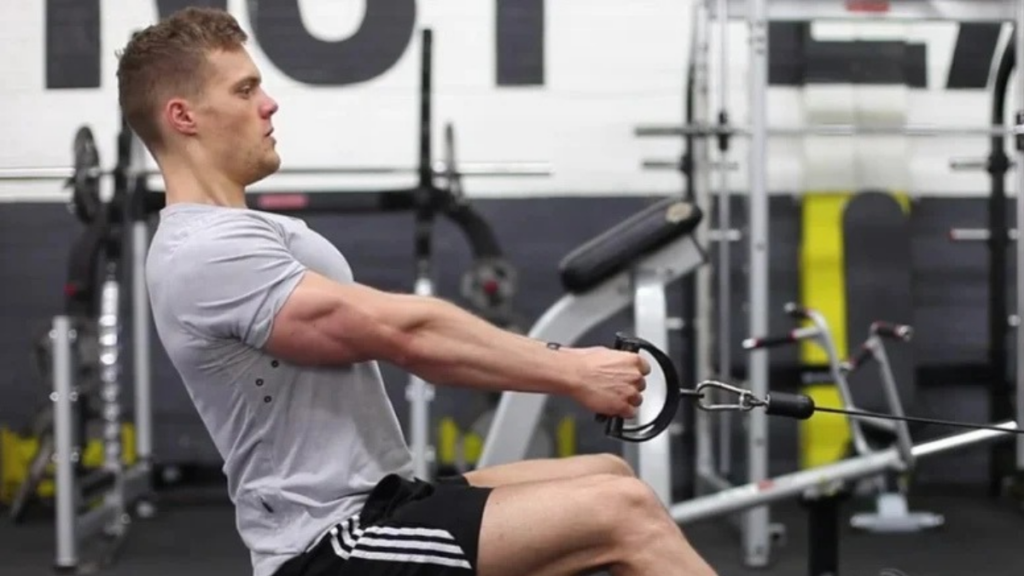


Well developed shoulders do far more than improve your appearance. Strong deltoids help stabilize the shoulder joint, improve pressing strength, enhance posture, and reduce the risk of injury during training and everyday activities. They also create the broad upper body look that many people associate with an athletic physique.
For beginners, however, shoulder training often becomes unnecessarily complicated. Social media is full of advanced variations, exotic cable setups, and high volume routines that provide little extra benefit for someone who is still building a foundation.


How Many Bodyweight Squats Should You Be Able to Do?
Scientific research consistently shows that beginners make excellent progress by mastering a few fundamental movements, applying progressive overload, and training with proper technique. Rather than chasing variety, focusing on exercises that effectively stimulate all three heads of the deltoid muscle is the fastest route toward bigger and more defined shoulders.
This article examines three of the best beginner shoulder exercises based on biomechanics, muscle activation studies, and strength training research.
Understanding Shoulder Anatomy
The shoulder is primarily made up of the deltoid muscle, which consists of three distinct sections. The anterior deltoid sits at the front of the shoulder and is heavily involved in pressing movements and raising the arm forward. The lateral deltoid forms the outside of the shoulder. This muscle contributes most to shoulder width and creates the broad appearance many lifters want.
The posterior deltoid sits at the back of the shoulder. It assists with pulling movements, shoulder stability, and maintaining healthy posture. Beneath the deltoids lies the rotator cuff, a group of four smaller muscles that stabilize the shoulder joint during movement. While these muscles are not the primary focus for hypertrophy, strong rotator cuff function allows the larger muscles to perform safely.
How Many Push Ups Should You Be Able to Do as a Beginner?
A balanced shoulder program should challenge all three heads of the deltoid rather than emphasizing only pressing movements.
What Makes a Great Beginner Shoulder Exercise?
Not every exercise deserves a place in a beginner program. The best choices share several important characteristics.
- They are easy to learn without requiring years of coordination.
- They allow progressive overload by gradually increasing resistance over time.
- They effectively recruit the target muscles through a large range of motion.
- They are safe when performed with good technique.
Most importantly, they encourage consistent practice. Research consistently shows that adherence is one of the strongest predictors of long term muscle growth and strength gains.
Exercise 1: Standing Dumbbell Overhead Press
The standing dumbbell overhead press is arguably the best all around shoulder builder for beginners. Unlike the barbell version, dumbbells allow each arm to move independently, reducing asymmetries while allowing a more natural shoulder path. Beginners often find this variation more comfortable because each shoulder can rotate freely during the movement.
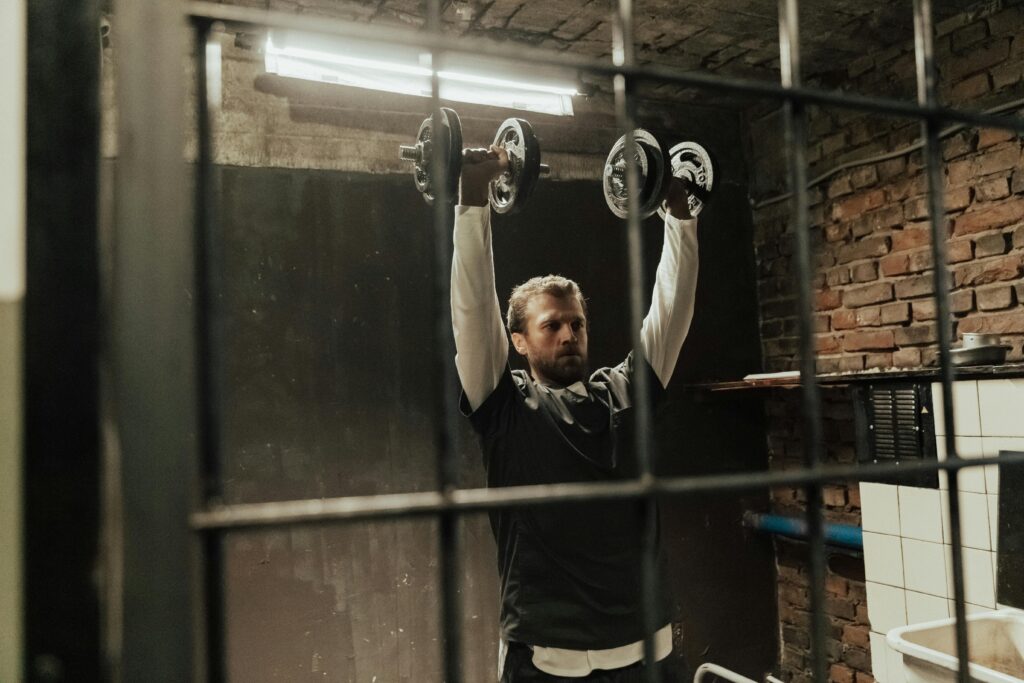
The exercise primarily targets the anterior and lateral deltoids while also recruiting the triceps, upper chest, trapezius, serratus anterior, and core muscles to stabilize the body.
Because the movement involves multiple joints, it allows relatively heavy loading, making it highly effective for increasing both muscle mass and strength.
How to Perform It
- Stand with feet about shoulder width apart.
- Hold a dumbbell in each hand at shoulder height with palms facing forward or slightly inward.
- Brace your core and squeeze your glutes.
- Press both dumbbells overhead until your arms are fully extended without aggressively arching your lower back.
- Lower the weights under control until they return to shoulder level.
- Repeat for the desired number of repetitions.
Common Beginner Mistakes
Many beginners lean backward excessively, turning the movement into an incline press. Keeping the ribs down and core tight prevents unnecessary stress on the lower back.
Using momentum instead of muscular control also reduces effectiveness. Every repetition should be smooth and deliberate.
Scientific Evidence
Compound pressing exercises generate high levels of muscle activation throughout the anterior deltoid while also stimulating surrounding muscles that contribute to upper body development. Research examining resistance training consistently demonstrates that multi joint exercises produce significant improvements in muscle size and strength, particularly in novice lifters who respond exceptionally well to progressive overload.
Exercise 2: Dumbbell Lateral Raise
If shoulder width is the goal, few exercises rival the dumbbell lateral raise. The lateral deltoid contributes more than any other muscle to creating broader looking shoulders. Since pressing exercises naturally emphasize the front deltoid, direct work for the middle portion becomes especially important.

Unlike the overhead press, the lateral raise isolates the lateral head with relatively little assistance from larger muscle groups. Although lighter weights are used, the exercise produces substantial mechanical tension when performed correctly.
How to Perform It
- Stand tall with a dumbbell in each hand at your sides.
- Maintain a slight bend in the elbows.
- Raise the dumbbells outward until they reach approximately shoulder height.
- Pause briefly.
- Lower the weights slowly back to the starting position.
- Avoid shrugging the shoulders toward the ears throughout the movement.
Why Lighter Weights Work Better
Many beginners mistakenly believe heavier weights automatically produce greater muscle growth. In reality, swinging heavy dumbbells often transfers the workload to the traps and lower back while reducing tension on the lateral deltoids.
Using lighter weights with strict technique keeps continuous tension on the target muscle and produces better hypertrophy. Research comparing resistance loads has shown that muscle growth can occur across a wide range of loads provided the sets are performed close to muscular fatigue.
Scientific Evidence
Electromyography studies consistently report high activation of the middle deltoid during lateral raise variations, making them one of the most effective isolation exercises available for shoulder hypertrophy.
Exercise 3: Reverse Dumbbell Fly
Many beginners unintentionally neglect the posterior deltoids because they cannot easily see them in the mirror. This creates muscular imbalances that may contribute to poor posture, shoulder discomfort, and reduced overall shoulder development.
The reverse dumbbell fly directly targets the rear deltoids while strengthening the upper back muscles responsible for pulling the shoulders into healthier alignment. Balanced shoulder development is not only aesthetically pleasing but also improves overall joint function.
How to Perform It
- Hold a pair of light dumbbells.
- Hinge forward at the hips until your torso is nearly parallel to the floor.
- Maintain a neutral spine.
- Allow the dumbbells to hang beneath your shoulders.
- Raise the arms outward until they align with your shoulders.
- Pause briefly before lowering under control.
- Focus on moving through the shoulders rather than pulling with the hands.
Common Mistakes
Beginners often use excessive weight and turn the movement into a rowing exercise. Keeping the elbows slightly bent while lifting in a wide arc places the emphasis on the posterior deltoids instead of the larger back muscles.
Scientific Evidence
The posterior deltoid contributes substantially during horizontal shoulder abduction movements such as reverse flies. Strengthening the rear shoulder muscles also supports scapular control, which plays an important role in maintaining healthy shoulder mechanics during pressing exercises.
Why Progressive Overload Matters
The specific exercises matter, but progression matters even more. Muscles grow because they are repeatedly challenged beyond their current capacity. This process is known as progressive overload.
For beginners, progression can come from adding slightly more weight, performing additional repetitions, improving technique, increasing total training volume, or reducing rest periods while maintaining performance. Research consistently identifies progressive overload as one of the central drivers of long term muscular development. Small improvements performed consistently over months produce dramatically better results than constantly changing exercises.
How Often Should Beginners Train Shoulders?
Current evidence suggests training each muscle group approximately twice per week produces excellent hypertrophy results for most people. This frequency provides enough stimulus to encourage muscle growth while allowing adequate recovery.
Beginners recover relatively quickly from moderate training sessions, making two weekly shoulder workouts a practical starting point. Each workout might include the overhead press followed by lateral raises and reverse flies. Keeping weekly volume between about ten and twenty challenging sets for the shoulders aligns well with current hypertrophy recommendations for most recreational lifters.
Technique Always Comes Before Weight
Many beginners become impatient and increase resistance before mastering movement quality. This often limits long term progress. Perfect technique improves muscle activation, reduces injury risk, and allows consistent progression over many years.
If an exercise becomes difficult enough that momentum replaces muscular control, the weight is probably too heavy. Slowing the movement and focusing on controlled repetitions usually produces greater muscular tension than simply lifting heavier loads.
Putting It All Together
Building bigger and more defined shoulders does not require dozens of exercises or complicated programming. A beginner can make outstanding progress with only three well chosen movements.
- The standing dumbbell overhead press develops overall shoulder size and strength while training multiple supporting muscles.
- The dumbbell lateral raise specifically targets the lateral deltoids responsible for shoulder width.
- The reverse dumbbell fly ensures balanced development by strengthening the posterior deltoids and upper back.
Combined with progressive overload, sufficient protein intake, quality sleep, and consistent training, these exercises provide an evidence based foundation for long term shoulder growth. Master these movements before searching for more advanced techniques. Most experienced lifters built impressive shoulders by repeatedly performing the fundamentals exceptionally well.
Key Takeaways
| Topic | Key Point |
|---|---|
| Best compound exercise | Standing dumbbell overhead press builds overall shoulder size and strength. |
| Best exercise for width | Dumbbell lateral raises directly target the lateral deltoids that create broader shoulders. |
| Best exercise for balance | Reverse dumbbell flies strengthen the posterior deltoids and improve posture. |
| Training frequency | Train shoulders approximately twice per week for optimal beginner progress. |
| Progressive overload | Gradually increase challenge through weight, repetitions, or training volume. |
| Protein intake | Aim for approximately 1.4 to 2.2 g of protein per kilogram of body weight daily. |
| Recovery | Prioritize sleep and nutrition to maximize muscle growth and performance. |
| Technique | Controlled repetitions with proper form outperform heavy weights lifted with poor technique. |
References
- American College of Sports Medicine (2021). ACSM’s Guidelines for Exercise Testing and Prescription. 11th ed. Philadelphia: Wolters Kluwer.
- Andersen, V., Fimland, M.S., Brennset, O., Haslestad, L.R., Lundteigen, M.S., Skalleberg, K., Saeterbakken, A.H. and Aagaard, P. (2014). Muscle activation and strength in shoulder exercises performed with dumbbells and elastic resistance. Journal of Strength and Conditioning Research, 28(8), pp. 2203 to 2210.
- Bird, S.P., Tarpenning, K.M. and Marino, F.E. (2005). Designing resistance training programmes to enhance muscular fitness. Sports Medicine, 35(10), pp. 841 to 851.
- Brad Schoenfeld, B.J. (2010). The mechanisms of muscle hypertrophy and their application to resistance training. Journal of Strength and Conditioning Research, 24(10), pp. 2857 to 2872.
- Grgic, J., Schoenfeld, B.J., Orazem, J. and Sabol, F. (2022). Effects of resistance training performed to repetition failure or non failure on muscular strength and hypertrophy. Scandinavian Journal of Medicine and Science in Sports, 32(2), pp. 183 to 203.
- Morton, R.W., Murphy, K.T., McKellar, S.R., Schoenfeld, B.J., Henselmans, M., Helms, E., Aragon, A.A., Devries, M.C., Banfield, L., Krieger, J.W. and Phillips, S.M. (2018). A systematic review, meta analysis and meta regression of protein supplementation on resistance training induced gains in muscle mass and strength. British Journal of Sports Medicine, 52(6), pp. 376 to 384.
- Schoenfeld, B.J., Ogborn, D. and Krieger, J.W. (2017). Dose response relationship between weekly resistance training volume and increases in muscle mass. Journal of Sports Sciences, 35(11), pp. 1073 to 1082.