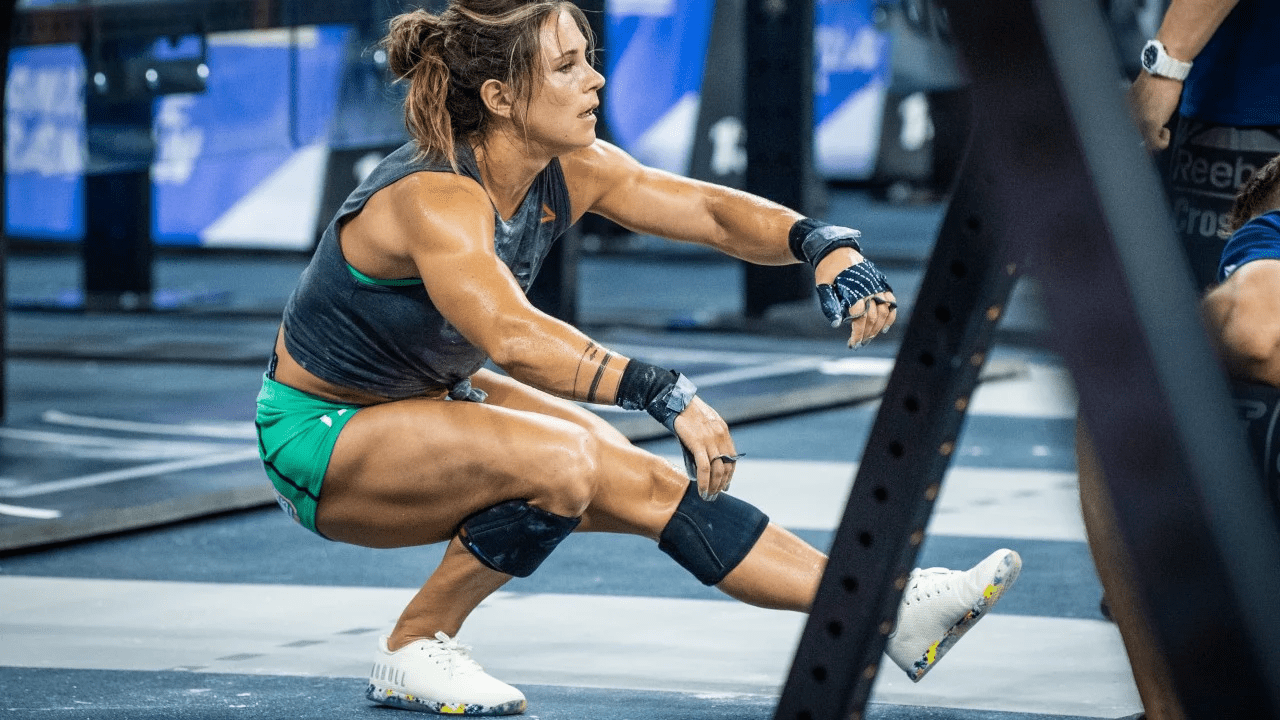


Strong legs are the foundation of better movement, better athletic performance, and long term health. Whether your goal is to lift heavier weights, run faster, improve your balance, or simply make daily life easier, building lower body strength is one of the smartest places to start.
Many beginners assume they need complicated workouts or expensive gym equipment to develop stronger legs. In reality, a small number of well chosen exercises can build muscle, improve coordination, and increase strength safely when performed with good technique and progressive overload.


Research consistently shows that resistance training improves muscle mass, bone health, joint stability, metabolic health, and functional performance across all age groups. Beginners often experience rapid improvements because their muscles and nervous system adapt quickly to consistent training.
This guide covers five of the best beginner friendly leg exercises, why they work, how to perform them correctly, and how to avoid the most common mistakes.
Why Beginners Should Prioritize Leg Strength
The muscles of the lower body are the largest in the human body. The quadriceps, hamstrings, glutes, calves, and hip muscles work together every time you stand up, climb stairs, walk, run, jump, or lift something from the floor.
Strengthening these muscles improves much more than athletic ability. Studies show that resistance training increases muscle strength, preserves lean muscle mass, improves insulin sensitivity, increases bone mineral density, and reduces the risk of falls and injury.
For beginners, compound exercises that train multiple muscle groups at once provide the greatest return on investment. These movements teach the body to coordinate muscles efficiently while allowing progressive increases in resistance over time.
The five exercises below combine simplicity, effectiveness, and safety, making them ideal for anyone beginning a strength training journey.
1. Goblet Squat
The goblet squat is one of the best squat variations for beginners because holding a dumbbell or kettlebell against the chest naturally encourages better posture and balance.
Why It Works
The squat is often called the king of lower body exercises because it trains the quadriceps, glutes, adductors, hamstrings, and core simultaneously. It also teaches proper movement mechanics that transfer directly to everyday activities like sitting, standing, and lifting objects.

Research comparing different lower body exercises consistently demonstrates that squats produce high levels of muscle activation across the major muscles of the legs while improving overall lower body strength.
Holding the weight in front of the body also helps beginners maintain an upright torso, reducing technical errors that often occur during back squats.
How to Perform It
Stand with your feet approximately shoulder width apart while holding a dumbbell or kettlebell close to your chest. Brace your core before beginning the movement.
Push your hips back slightly while bending your knees. Lower yourself until your thighs reach at least parallel to the floor or as far as your mobility comfortably allows. Keep your chest up and your heels firmly planted.
Drive through your feet to return to the starting position while squeezing your glutes at the top.
Common Mistakes
Many beginners allow their knees to collapse inward or lift their heels off the floor. Others round their lower back by descending deeper than their mobility allows. Focusing on controlled movement and maintaining a neutral spine helps prevent these errors.
2. Romanian Deadlift
The Romanian deadlift teaches one of the most important movement patterns in strength training, the hip hinge.
Unlike the conventional deadlift, this variation begins from a standing position and places greater emphasis on the hamstrings and glutes while using lighter loads.
Why It Works
Strong posterior chain muscles improve athletic performance, posture, and lower back health. The Romanian deadlift strengthens the hamstrings, glutes, spinal erectors, and core while teaching proper hip mechanics.
Studies have shown that hip dominant exercises produce substantial activation of the gluteus maximus and hamstrings, making them highly effective for developing strength in muscles that are often neglected by beginners who focus only on squats.
The movement also improves flexibility under load because the hamstrings are trained through a long range of motion.
How to Perform It
Stand tall while holding a pair of dumbbells or a barbell in front of your thighs.
Keep a slight bend in your knees throughout the movement. Push your hips backward while lowering the weights close to your legs. Lower until you feel a strong stretch in your hamstrings without rounding your back.
Drive your hips forward to return to standing while squeezing your glutes.
Common Mistakes
The biggest mistake is turning the movement into a squat by bending the knees too much. Another common error is allowing the lower back to round instead of hinging from the hips. The weight should remain close to the legs throughout the lift.
3. Walking Lunge
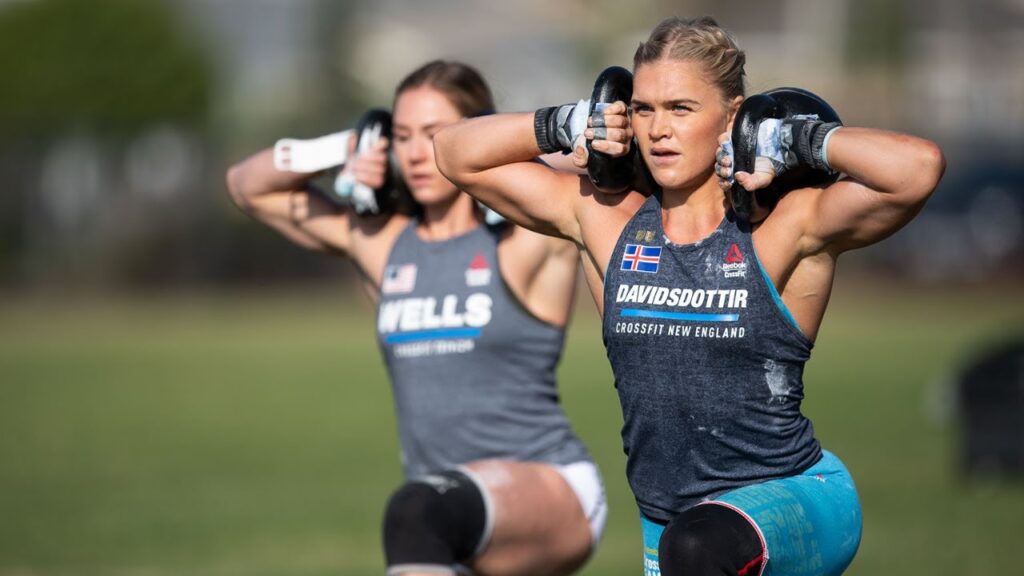
The walking lunge develops unilateral strength, meaning each leg works independently. Since everyday activities such as walking, climbing stairs, and running occur one leg at a time, unilateral exercises play an important role in balanced strength development.
Why It Works
Walking lunges strengthen the quadriceps, glutes, hamstrings, calves, and hip stabilizers while also challenging coordination and balance.
Is The PJR Pullover the Perfect Triceps Exercise for Super Strong and Muscular Arms?
Research has shown that unilateral lower body exercises can reduce strength imbalances between limbs while improving functional movement and stability. They also require significant activation of the muscles surrounding the hips, helping improve movement quality.
Because each repetition involves balance and coordination, walking lunges also train the nervous system more than many machine based exercises.
How to Perform It
Stand upright with your feet together.
Take a comfortable step forward and lower your body until both knees reach roughly ninety degrees. Push through your front foot to stand while bringing the back leg forward into the next step.
Maintain an upright torso throughout the movement.
Start with body weight before progressing to holding dumbbells.
Common Mistakes
Taking steps that are too short often increases stress on the knees, while excessively long steps may reduce stability. Leaning forward too much also shifts unnecessary stress onto the lower back.
4. Step Up
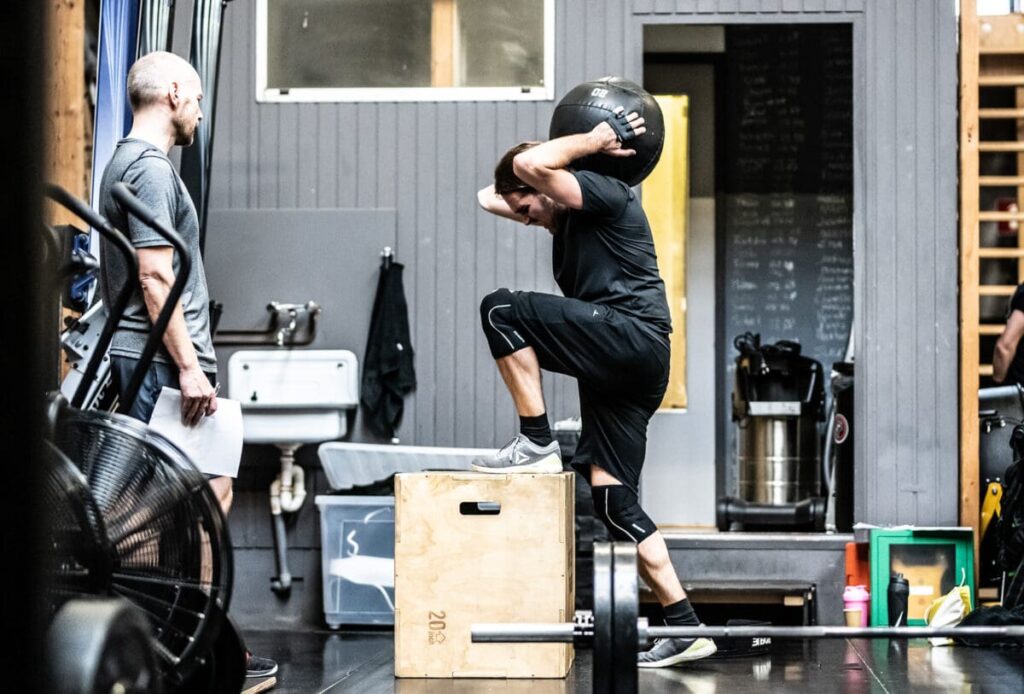
Step ups are one of the most practical lower body exercises because they closely resemble climbing stairs. This simple movement develops strength while improving balance and coordination.
Why It Works
Step ups target the quadriceps and glutes while also engaging the hamstrings and calves. Since the movement requires balance on one leg, the stabilizing muscles around the hips work continuously throughout each repetition.
Research has demonstrated that step ups effectively activate the gluteal muscles and quadriceps while producing movement patterns that transfer well to daily activities.
Because the exercise is easily adjusted by changing bench height or adding dumbbells, beginners can progress gradually without sacrificing technique.
How to Perform It
- Stand facing a sturdy bench or box approximately knee height or slightly lower.
- Place one foot completely on the platform.
- Push through that foot to lift yourself onto the bench without using momentum from the trailing leg.
- Stand fully before lowering under control.
- Complete all repetitions on one side before switching legs or alternate sides depending on your preference.
Common Mistakes
Many beginners push excessively with the trailing leg rather than allowing the working leg to do most of the work. Another mistake is dropping quickly during the lowering phase instead of controlling the descent.
5. Standing Calf Raise
The calf muscles often receive less attention than the larger muscles of the legs, but they play a vital role in walking, running, jumping, and maintaining ankle stability.
Why It Works
The standing calf raise primarily trains the gastrocnemius while also strengthening the soleus and improving ankle function.
Research has shown that stronger calf muscles contribute to improved walking economy, sprint performance, jumping ability, and Achilles tendon function. Resistance training also increases muscle size and strength in the lower leg when performed consistently.
Since the calves experience high workloads during daily life, they often respond well to higher repetition training with controlled movement.
How to Perform It
- Stand on a flat surface or the edge of a step while holding onto a stable object for balance if needed.
- Raise your heels as high as possible while keeping your knees mostly straight.
- Pause briefly at the top before lowering slowly until you feel a stretch in your calves.
- Perform the movement through the fullest comfortable range of motion.
Common Mistakes
Many people bounce through repetitions instead of controlling the movement. Others perform only partial repetitions, limiting muscle development. Slow, deliberate repetitions are generally more effective.
How Often Should Beginners Train Their Legs?
Most beginners achieve excellent results by training their legs two or three times each week while allowing at least one day of recovery between sessions. Research indicates that muscle strength and size improve effectively when muscle groups are trained at least twice weekly, provided that overall training volume is sufficient.
A simple workout might include all five exercises with two or three sets of eight to twelve repetitions for each movement. Beginners should prioritize excellent technique before increasing the weight. As strength improves, gradually increasing resistance, repetitions, or sets creates progressive overload, which is the primary driver of muscle growth and strength gains.
Final Thoughts
Building stronger legs does not require advanced techniques or complicated workout plans. Beginners make the fastest progress by mastering a handful of fundamental exercises and performing them consistently with good technique.
Goblet squats develop overall lower body strength and movement quality. Romanian deadlifts strengthen the posterior chain and teach proper hip mechanics. Walking lunges improve balance while addressing each leg individually. Step ups build practical strength that transfers directly to everyday movement. Standing calf raises strengthen the lower legs and improve ankle function.
Combined with progressive overload, proper recovery, and consistent practice, these five exercises provide an evidence based foundation for stronger, healthier legs that support better performance both inside and outside the gym.
Key Takeaways
| Exercise | Primary Muscles | Main Benefits |
|---|---|---|
| Goblet Squat | Quadriceps, glutes, hamstrings, core | Builds total lower body strength and teaches proper squat mechanics |
| Romanian Deadlift | Hamstrings, glutes, lower back | Strengthens the posterior chain and improves hip hinge technique |
| Walking Lunge | Quadriceps, glutes, hamstrings, calves | Improves balance, coordination, and single leg strength |
| Step Up | Quadriceps, glutes, calves | Develops functional strength and enhances stability |
| Standing Calf Raise | Gastrocnemius, soleus | Improves ankle strength, calf development, and lower leg function |
| Training Frequency | Entire lower body | Aim for two or three sessions per week with progressive overload and adequate recovery |
References
- American College of Sports Medicine. (2009). Progression models in resistance training for healthy adults. Medicine & Science in Sports & Exercise, 41(3), 687 to 708.
- Bird, S.P., Tarpenning, K.M. and Marino, F.E. (2005). Designing resistance training programmes to enhance muscular fitness. Sports Medicine, 35(10), 841 to 851.
- Borde, R., Hortobágyi, T. and Granacher, U. (2015). Dose response relationships of resistance training in healthy old adults. Sports Medicine, 45(12), 1693 to 1720.
- Escamilla, R.F. (2001). Knee biomechanics of the dynamic squat exercise. Medicine & Science in Sports & Exercise, 33(1), 127 to 141.
- Grgic, J., Schoenfeld, B.J., Orazem, J. and Sabol, F. (2018). Effects of resistance training frequency on measures of muscle hypertrophy. Sports Medicine, 48(5), 1207 to 1220.
- Kraemer, W.J. and Ratamess, N.A. (2004). Fundamentals of resistance training. Medicine & Science in Sports & Exercise, 36(4), 674 to 688.