

There is no single breath holding time that every healthy person should be able to achieve. Breath holding duration varies widely based on lung volume, carbon dioxide sensitivity, anxiety, body position, recent activity, practice, and the way the test is performed. It is not a reliable standalone measure of fitness, lung health, or athletic ability.
More importantly, trying to improve a breath holding score can be dangerous in the wrong setting. You should never practice prolonged breath holds in water, while driving, while standing, or when alone. You should also avoid deliberate hyperventilation before holding your breath. Hyperventilation can delay the urge to breathe without providing a meaningful increase in oxygen stores, which can raise the risk of sudden loss of consciousness.



For most people, the useful question is not, “What is my breath holding time?” A better question is, “Can I breathe comfortably during normal activity and exercise?” If you can walk, climb stairs, train, and recover without unusual breathlessness, chest discomfort, dizziness, or fainting, that tells you far more about everyday cardiorespiratory function than a single breath hold attempt.
Breath holding is fascinating physiology, but it should not be treated as a fitness challenge.
What Determines How Long You Can Hold Your Breath
When you hold your breath, your body continues using oxygen and producing carbon dioxide. The urge to breathe is driven largely by rising carbon dioxide levels, although falling oxygen levels also become important as the breath hold continues.
This is why breath holding can feel uncomfortable even before oxygen levels become critically low. The first strong urge to breathe does not always mean you are immediately out of oxygen. It does mean that your body is signaling a growing need to resume normal breathing. The exact point at which you feel that urge varies from person to person. Some people feel uncomfortable quickly because they are sensitive to carbon dioxide changes. Others can tolerate the sensation for longer because of practice, relaxation, or individual physiological differences.
Lung size also plays a role. Larger lungs can hold more air, but lung volume alone does not determine breath holding ability. Someone with average lung capacity may hold their breath longer than someone with larger lungs if they are calmer, more experienced, or more tolerant of carbon dioxide buildup.
Body position matters as well. Holding your breath while lying down may feel different from sitting or standing. Physical activity also changes the experience because working muscles use oxygen and produce carbon dioxide more quickly than resting muscles.
For these reasons, comparing breath holding times between people has limited value.
Why a Longer Breath Hold Does Not Necessarily Mean Better Fitness
It is tempting to assume that a long breath hold is a sign of excellent cardiovascular fitness. In reality, the relationship is more complicated. Endurance training improves many important qualities, including aerobic capacity, heart function, blood vessel function, and the ability of muscles to use oxygen. Yet these adaptations do not automatically produce an exceptional static breath holding time.
Competitive breath hold divers train specific skills that most recreational exercisers do not practice. They learn relaxation techniques, improve tolerance to carbon dioxide, and develop strategies for managing the urge to breathe. Their performance reflects specialized practice as well as physiology.

This is similar to comparing a powerlifter and a marathon runner. Both may be very fit, but their fitness is expressed differently. A long breath hold is more closely related to breath hold practice and tolerance than to broad measures of health.
Research on breath holding physiology shows that the breaking point is influenced by carbon dioxide, oxygen, lung mechanics, and the brain’s control of breathing. This makes it an interesting test of respiratory control, but not a simple scorecard for fitness.
If your goal is better health, focus on regular physical activity, aerobic exercise, strength training, sleep, and nutrition. These habits have much stronger evidence for improving health than trying to extend a breath hold.
The Real Risk of Hyperventilation
Hyperventilation means breathing more rapidly or deeply than your body needs at that moment. It lowers carbon dioxide levels in the blood. Because carbon dioxide is a major trigger for the urge to breathe, hyperventilating can make it feel easier to hold your breath for longer.
That may sound useful, but it creates a serious problem. Lower carbon dioxide can delay the warning signal to breathe while oxygen levels continue to fall. A person may feel relatively comfortable, then lose consciousness with little warning.
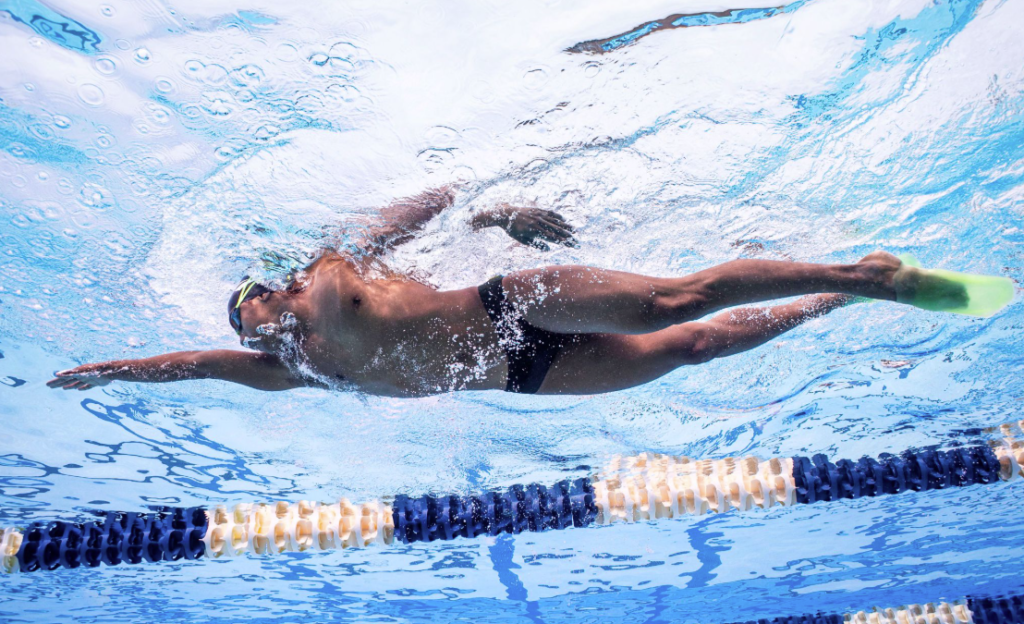
This risk is especially dangerous in water. Breath hold related loss of consciousness can occur during underwater swimming or diving, and it can lead to drowning even in shallow water. The risk is not limited to expert divers. Recreational swimmers may underestimate the danger because they believe a strong urge to breathe will always occur before they lose consciousness.
Do not hyperventilate before a breath hold. Do not turn underwater swimming into a breath holding competition. Do not practice breath holds alone, even in a pool where you believe you could stand up easily.
Why Water Changes the Risk
In water, a brief loss of consciousness can become life threatening because the person may inhale water before recovering. The situation can develop quickly, and another swimmer may not recognize it as an emergency.
Land based breath holds can also cause dizziness or fainting, particularly if they are prolonged or performed after hyperventilation. That is why standing breath hold challenges are a poor idea. A fall after fainting can cause a serious injury even when water is not involved.
Over 30? 5 Barbell Exercises You Should Do to Protect Your Body Against Injury
If breath holding is part of a sport such as freediving, underwater photography, or competitive swimming, seek instruction from a qualified organization and train with proper supervision. This is not an activity to learn through self experimentation.
What Is a More Useful Sign of Breathing Fitness?
A more useful sign of fitness is how your breathing responds to normal activity. During brisk walking, cycling, jogging, stair climbing, or resistance training, it is normal for breathing to become faster and deeper. The key question is whether you can recover appropriately once the effort stops.
For moderate exercise, many people use the talk test. If you can speak in short phrases while moving at a purposeful pace, the exercise is often within a moderate intensity range. If you can only say a few words before needing another breath, the effort is more intense.
The talk test is not perfect, but it is safer and more useful for most people than measuring a breath hold. It reflects breathing during movement, which is what matters in daily life and exercise.
Cardiorespiratory fitness is also assessed in clinical and sports settings using structured exercise tests. These may measure heart rate, oxygen use, walking capacity, cycling performance, or treadmill performance. Such tests provide more relevant information than static breath holding because they assess how your heart, lungs, blood vessels, and muscles work together under exercise conditions.
When Breathing Changes Deserve Medical Attention
New or worsening shortness of breath should not be dismissed as poor fitness, especially if it occurs during ordinary activities. Chest pain, fainting, dizziness, wheezing, blue lips, confusion, or symptoms that interfere with everyday tasks deserve prompt medical assessment.
People with asthma, chronic lung conditions, heart conditions, sleep apnea, anxiety disorders, or a history of fainting may have different responses to breath holding. A generic target time is not appropriate for these situations. If you are concerned about your breathing, speak with a qualified health professional instead of repeatedly testing yourself with breath holds. A proper evaluation can identify whether there is a medical reason for the symptoms.
Can Breath Holding Ever Be Useful?
Short and comfortable breath pauses occur naturally during daily life. People may briefly hold their breath while lifting a heavy object, focusing on a movement, or reacting to a surprise. In strength training, brief breath control can help create trunk stiffness during a demanding lift.
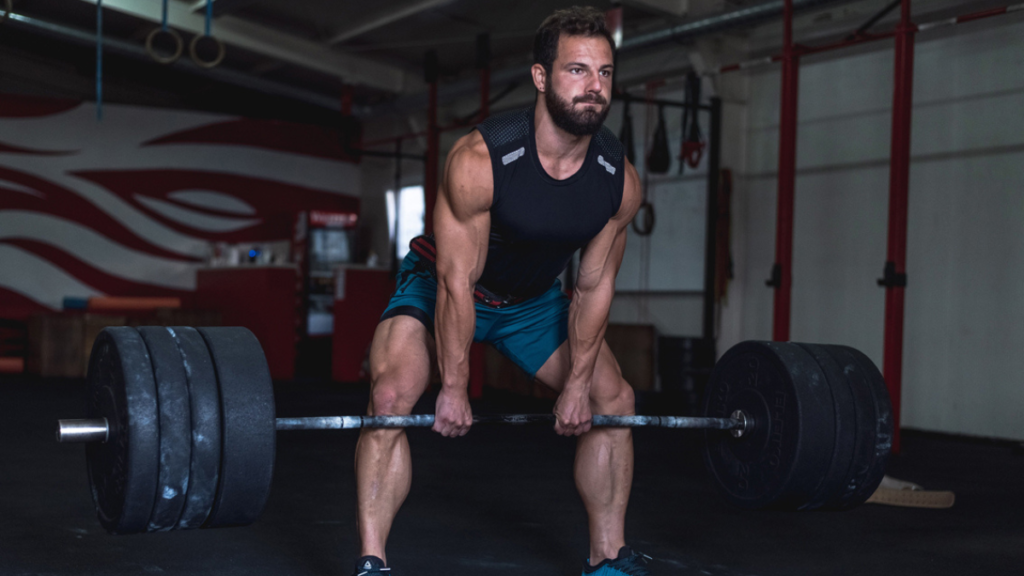
However, strength training breathing should not involve prolonged breath holding. Most exercises benefit from a steady pattern of bracing, controlled exhalation, and normal breathing between repetitions. This helps maintain exercise quality and avoids unnecessary dizziness.
Breath awareness can also be useful for relaxation. Slow, comfortable breathing may help reduce perceived stress and improve the ability to settle after exercise. The goal is not to suppress the urge to breathe. The goal is to breathe more calmly and efficiently.
If you want to improve fitness, use breathing as feedback. Notice whether exercise becomes easier over several weeks. Notice whether you recover faster after climbing stairs or walking uphill. These changes are more meaningful than chasing a longer static breath hold.
A Safer Way to Think About Breath Holding
Treat breath holding as an individual physiological response rather than a target to beat. There is no universal number that separates fit people from unfit people. A longer time does not prove better health, and a shorter time does not automatically indicate a problem. Avoid risky testing conditions. Do not use hyperventilation, water, driving, standing, or isolation as part of a breath hold challenge. If you become lightheaded or uncomfortable, stop and resume normal breathing.
The most useful breathing goal is simple: build the physical capacity to move through life and exercise with confidence. Regular aerobic activity, resistance training, and gradual progression offer a safer and more evidence based path to that outcome.
Final Thoughts
How long you can hold your breath is not an important fitness benchmark for most people. The answer varies too much between individuals, and attempts to extend the time can become unsafe, particularly in water or after hyperventilation.
Use your ability to walk, climb stairs, exercise, and recover comfortably as more meaningful signs of cardiorespiratory fitness. If you experience unusual breathlessness, dizziness, fainting, or chest symptoms, seek medical advice instead of trying to improve your breath holding score.
Key Takeaways
| Topic | Evidence based takeaway | Practical action |
|---|---|---|
| Breath hold duration | There is no universal healthy target time | Do not use a static breath hold as a general fitness test |
| Fitness assessment | Exercise tolerance gives more useful information than a breath hold | Notice how you feel during brisk walking, stair climbing, and training |
| Hyperventilation | It can delay the urge to breathe while oxygen levels continue falling | Never hyperventilate before holding your breath |
| Water safety | Loss of consciousness during underwater breath holding can lead to drowning | Do not practice underwater breath holds or swim alone |
| Concerning symptoms | New breathlessness, chest pain, dizziness, or fainting require assessment | Seek guidance from a qualified health professional |
References
- Ainslie, P.N. and Duffin, J. (2009) ‘Integration of cerebrovascular carbon dioxide reactivity and chemoreflex control of breathing: Mechanisms of regulation, measurement, and interpretation’, American Journal of Physiology Regulatory, Integrative and Comparative Physiology, 296(5), pp. R1473 to R1495.
- Craig, A.B. (1976) ‘Summary of 58 cases of loss of consciousness during underwater swimming and diving’, Medicine and Science in Sports, 8(3), pp. 171 to 175.
- Lindholm, P. and Lundgren, C.E.G. (2009) ‘The physiology and pathophysiology of human breath hold diving’, Journal of Applied Physiology, 106(1), pp. 284 to 292.
- Parkes, M.J. (2006) ‘Breath holding and its breakpoint’, Experimental Physiology, 91(1), pp. 1 to 15.
- Riebe, D., Ehrman, J.K., Liguori, G. and Magal, M. (2018) ACSM’s Guidelines for Exercise Testing and Prescription. 10th edn. Philadelphia: Wolters Kluwer.
- Schagatay, E. (2011) ‘Predicting performance in competitive apnea diving. Part one: Static apnea’, Diving and Hyperbaric Medicine, 41(1), pp. 28 to 33.