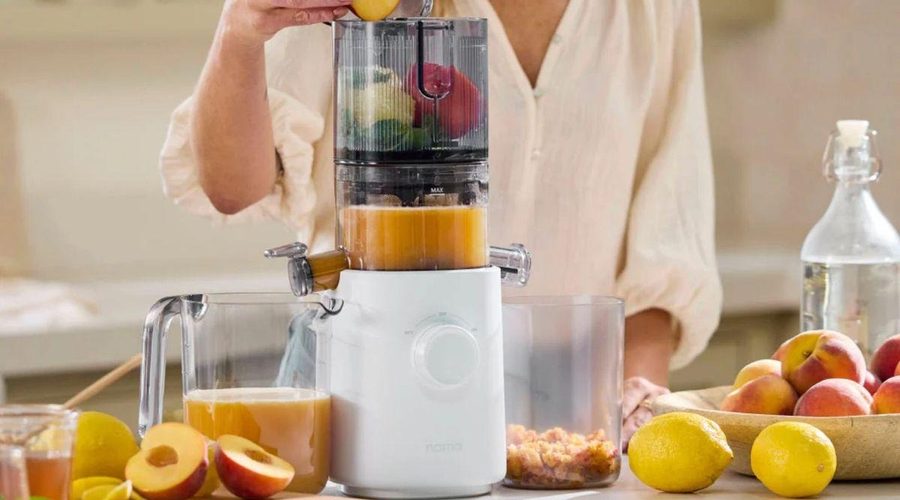


Fresh juice is an easy way to add more fruits and vegetables to your daily routine. However, the quality of the juice can depend greatly on the type of juicer you use. A good juicer can make the process easier, reduce waste, and produce smooth juice with a fresh taste.
The type of juicer you choose can make a difference in your daily routine. Slow juicers are designed to extract juice gradually, which can be useful when working with both soft fruits and fibrous vegetables. Nama juicers follow this style of extraction, making them part of the wider range of slow juicing machines available for home use.


What Is a Slow Juicer?
A slow juicer extracts juice at a lower speed than many traditional centrifugal juicers. Instead of quickly spinning fruits and vegetables, it usually crushes and presses the produce to separate the juice from the pulp.

This process is often called cold-press or masticating juicing. The idea is simple: produce is slowly broken down before the liquid is separated from the remaining fiber.
Why Does Juicing Speed Matter?
Speed can affect how a juicer handles fresh produce. High-speed machines use fast spinning blades, while slow juicers use a gentler process.
Slow extraction may help reduce foam and can produce juice with a smoother texture. It can also be useful when working with leafy greens, soft fruits, and a mixture of different ingredients.
Of course, the final result also depends on the produce, preparation, and juicer design.
What Can You Juice?
One of the useful things about a quality slow juicer is its ability to handle a wide range of ingredients. You can create simple juices with one ingredient or combine several fruits and vegetables.
Fruits
Apples, oranges, pears, grapes, pineapple, and many other fruits can be used for homemade juice. Some fruits may need to be peeled or cut before they are placed into the machine.

Soft fruits can behave differently from firm fruits, so combining different textures can sometimes produce better results.
Vegetables and Leafy Greens
Vegetables such as carrots, cucumbers, celery, and beets are common choices for homemade juice. Leafy greens can also be included, although they may require a little more preparation.
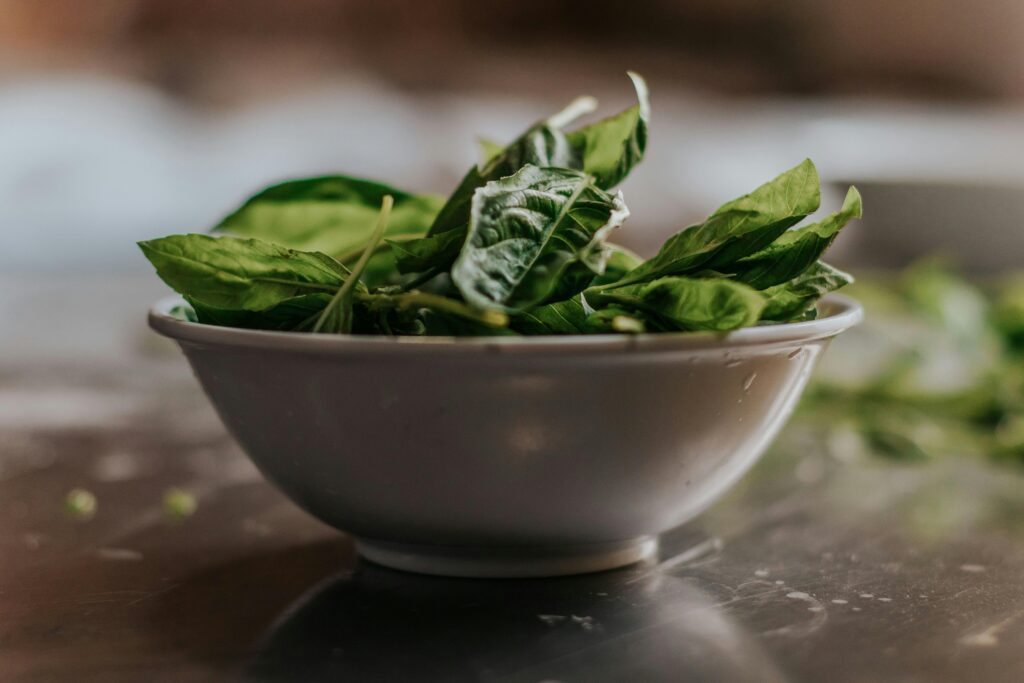
When using leafy vegetables, it can help to alternate them with firmer ingredients. This allows the juicer to process the ingredients more evenly.
Benefits of Using a Slow Juicer
A slow juicer can offer several practical advantages for people who enjoy making fresh juice at home.
First, the slower extraction process can produce juice with less foam and a smooth consistency. Many people also like the control it gives them over ingredients. Instead of buying ready-made drinks, you can choose exactly what goes into your glass.
Another benefit is variety. You can experiment with different combinations based on your taste. For example, you could combine apple and cucumber for a light drink or use carrots, oranges, and ginger for a stronger flavor.
Fresh Ingredients Give You More Control
Making juice at home lets you control the ingredients. You can avoid adding ingredients that you do not want and adjust the flavor to your preference.
It is also easier to experiment with seasonal produce. Local fruits and vegetables can provide different flavors throughout the year.
How to Get Better Results From Your Juicer
Using a juicer properly can make a noticeable difference. Before starting, wash your fruits and vegetables carefully. Remove damaged areas and prepare large ingredients by cutting them into suitable pieces.
Do not rush the process by forcing too much produce into the feeding chute at once. Feeding ingredients gradually can help the machine work more efficiently.
Mix Ingredients Carefully
Different ingredients contain different amounts of water and fiber. A juice made entirely from very soft produce may have a different texture from one made with firm vegetables.
Try combining watery ingredients with firmer produce. You can also add leafy greens in smaller amounts between other ingredients.
If you are new to juicing, start with simple recipes. Once you understand how different ingredients behave, you can begin creating your own combinations.
Cleaning Is an Important Part of Juicing
One of the most important things to consider before buying a juicer is cleaning. Even a machine that produces excellent juice can become frustrating if it takes too long to clean.
After making juice, rinse the removable parts as soon as possible. Dried pulp can become harder to remove if it is left sitting for a long time.
Look at the Design Before Buying
A practical juicer should be easy to assemble, use, and clean. Check how many parts need to be removed after each use and whether the included cleaning tools are useful.
The size of the machine also matters. If you have limited counter space, consider where you will keep it between uses.
Is a Slow Juicer Right for You?
A slow juicer can be a good option for people who enjoy fresh juice regularly and want more control over the ingredients they use.
However, it is important to think about your own routine. If you only make juice occasionally, a simpler machine may be enough. If you juice several times a week, features such as easy cleaning, quiet operation, and convenient assembly may become much more important.
Your choice should also depend on the types of produce you plan to use. Someone who mainly juices leafy greens may have different needs from someone who mostly uses apples and carrots.
Final Thoughts
Choosing a juicer is not only about how much juice a machine can produce. You should also consider the extraction method, ease of use, cleaning, size, and the types of ingredients you normally enjoy.
Slow juicing provides a simple way to turn fresh fruits and vegetables into homemade drinks while giving you control over what goes into each glass. With the right preparation and a little practice, making fresh juice can become a convenient part of your everyday kitchen routine.
The most important thing is to choose a juicer that matches your habits. A machine that is easy to use and clean is more likely to become something you use regularly rather than an appliance that sits unused in a cupboard.