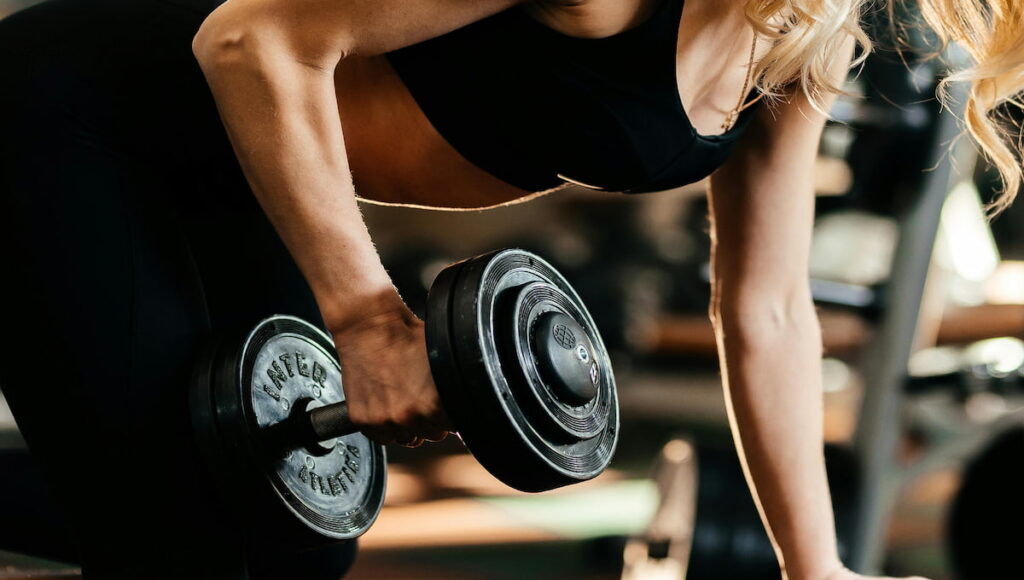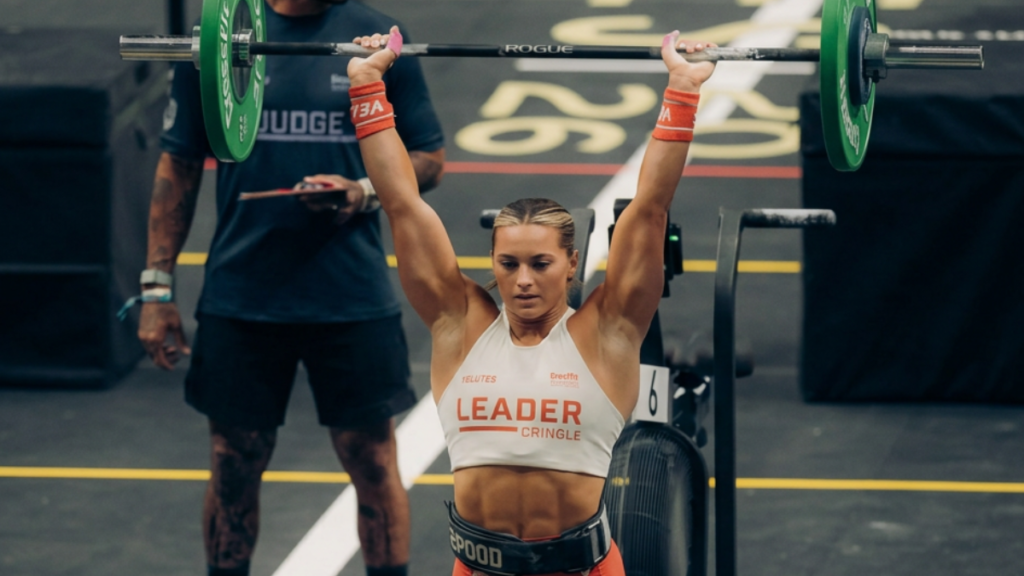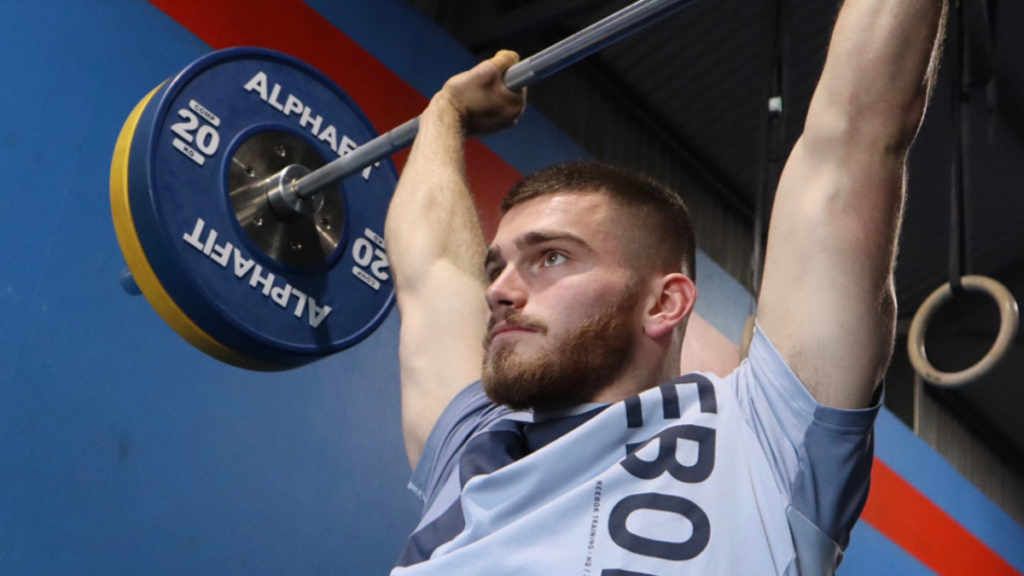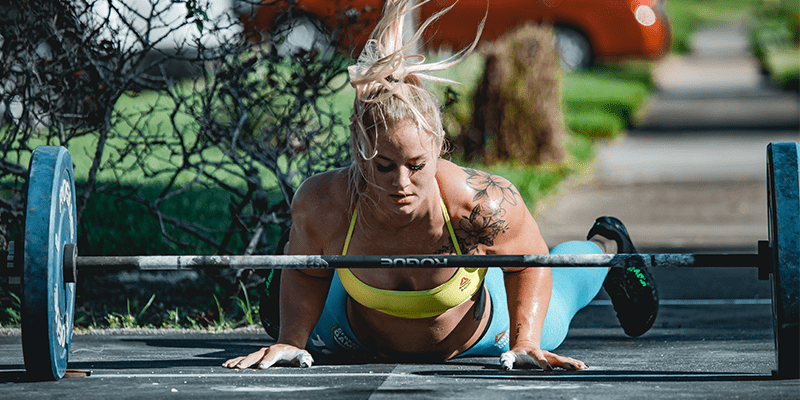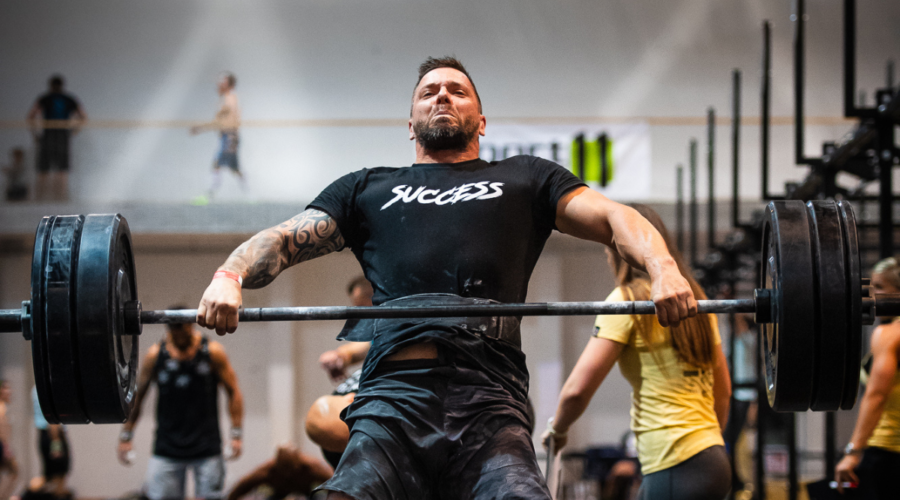


Building a more muscular upper body does not require a barbell. Barbells are useful, but they are only one way to apply the basic training principles that drive muscle growth: sufficient hard sets, progressive overload, controlled technique, a challenging range of motion, and enough recovery between sessions.
Dumbbells, cables, machines, and bodyweight exercises can all build serious size when they are trained with purpose. Research consistently shows that muscle growth can occur across a wide range of loads, provided the sets are performed with enough effort and total training volume. That means you do not need to lift maximal weights to develop your chest, back, shoulders, and arms.


The three exercises below cover the major visual components of a muscular upper body. A pressing movement builds the chest, front shoulders, and triceps. A vertical pulling movement develops the lats and upper back, which helps create a broader torso. A lateral raise targets the side delts, which are crucial for making the shoulders look wider.
Why You Can Build Muscle Without Barbells
Muscle growth is largely driven by mechanical tension, which means your muscles must produce force while working hard through a useful range of motion. The equipment matters less than whether the exercise allows you to load the target muscles safely, train close enough to fatigue, and progress over time.
Studies comparing different resistance training loads have found similar muscle growth when lighter and heavier loads are taken close to muscular failure. Heavy loads are still valuable for strength development, but moderate and lighter loads can be highly effective for hypertrophy when the sets are genuinely challenging.
This is good news if you train at home, use a busy commercial gym, or simply prefer exercises that feel more natural on your joints. Dumbbells allow each arm to move independently, cables provide consistent resistance, and bodyweight movements can become progressively harder through added load, slower repetitions, or more demanding variations.
For the best results, train each major upper body muscle group multiple times per week and include enough high quality sets. A practical starting point for many lifters is around ten challenging weekly sets per muscle group, although individual needs vary according to training experience, recovery, and exercise selection.
Exercise 1: Incline Dumbbell Press
The incline dumbbell press is one of the best barbell free exercises for building a fuller chest and stronger looking upper body. It trains the pectoralis major, anterior deltoids, and triceps, while the incline angle can place extra emphasis on the upper portion of the chest.
A well developed upper chest can make the entire torso look more athletic. It creates a stronger line from the chest to the shoulders and can improve the appearance of the upper body even when you are wearing a shirt. The dumbbell version also gives your shoulders and elbows more freedom to find a comfortable path than a fixed barbell grip.
Why the Incline Dumbbell Press Works
Dumbbells create independent loading for each side of the body. This can help prevent one stronger arm from doing more than its share of the work. You also have the opportunity to use a longer range of motion than you may achieve with a barbell, because the dumbbells can travel slightly lower at the bottom of the repetition when your shoulder mobility allows it.
The incline angle changes the direction of the press. Research on chest pressing variations indicates that pressing at a moderate incline can increase activation of the clavicular portion of the pectoralis major, commonly called the upper chest. However, an excessively steep incline shifts more of the work toward the front deltoids. A bench angle of roughly 30 to 45 degrees is often a useful starting point.
The exercise is also easy to progress. You can add small amounts of weight, perform more repetitions with the same load, improve your control, or increase the number of productive sets. These are all forms of progressive overload.
How to Perform It
Set an adjustable bench to a moderate incline and sit with a dumbbell resting on each thigh. Lie back under control, using your knees to help guide the dumbbells into position over your chest. Start with your arms extended but not aggressively locked out.
Lower the dumbbells with control until your upper arms are slightly below parallel with the floor or until you reach a comfortable depth that does not cause shoulder discomfort. Keep your shoulder blades gently pulled back and down against the bench. Press the dumbbells upward and slightly inward, finishing with them above your upper chest.
Do not turn the movement into a shoulder press by allowing your elbows to flare excessively or by setting the bench too upright. Keep your wrists stacked over your elbows and use a controlled tempo. The goal is to challenge the chest, not rush through repetitions.
Sets and Repetitions
For muscle growth, perform three to four sets of six to twelve repetitions. Choose a weight that leaves you with roughly one to three repetitions in reserve on most sets. As you gain experience, some sets can be taken closer to failure when technique remains solid.
Exercise 2: Pull Ups or Neutral Grip Lat Pulldowns
A muscular upper body needs more than a larger chest. The back gives the torso width, depth, and a stronger overall shape. Pull ups are one of the most effective bodyweight exercises for the lats, upper back, biceps, and forearms. If you cannot yet perform controlled pull ups, the neutral grip lat pulldown is an excellent alternative.
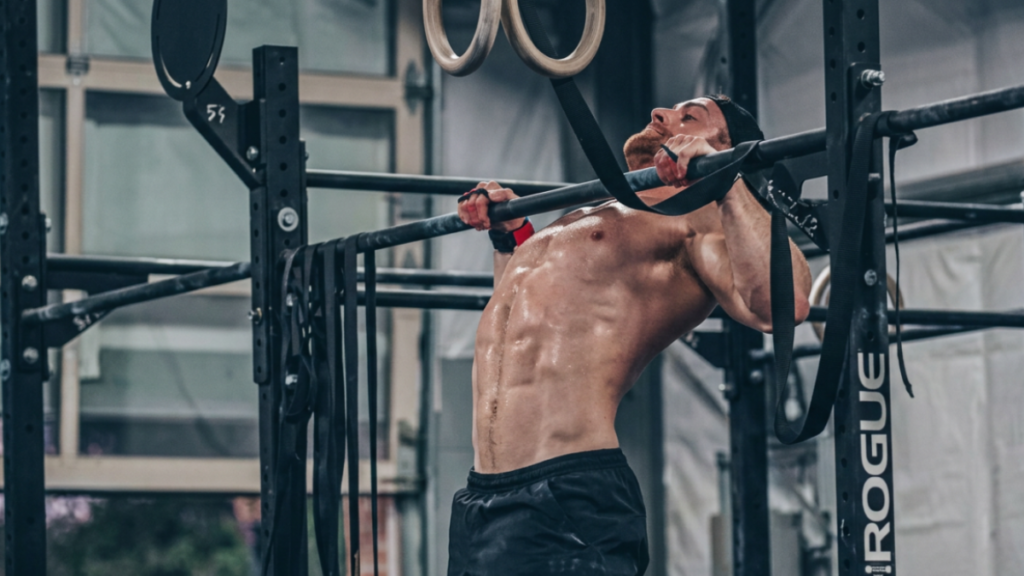
The latissimus dorsi are the large muscles that run along the sides of the back. When they are well developed, they help create a wider upper body and a more pronounced taper from the shoulders toward the waist. This visual effect is one reason vertical pulling movements deserve a permanent place in an upper body program.
Why Vertical Pulling Works
Pull ups and pulldowns train shoulder extension and adduction, which are important functions of the lats. They also require the biceps, brachialis, rear shoulders, and muscles around the shoulder blades to contribute. This makes vertical pulling highly efficient for building upper body size.
A neutral grip, where the palms face each other, is often comfortable for the wrists and shoulders. It can also allow many lifters to use a strong and stable pulling position. Electromyography research shows that different pull up grips recruit the major pulling muscles effectively, although the best grip is ultimately the one you can train hard with good control and without pain.
If pull ups are currently too difficult, do not avoid the movement pattern. Lat pulldowns allow you to adjust the resistance and gradually build the strength needed for full bodyweight repetitions. Assisted pull up machines and resistance band assistance can also be useful transitional tools.
How to Perform a Pull Up
Begin from a dead hang with your hands slightly wider than shoulder width or in a neutral grip if your equipment allows it. Before bending your elbows, gently pull your shoulders away from your ears. This creates a more stable starting position.
Pull your chest toward the bar by driving your elbows down toward your ribs. Keep your torso controlled and avoid swinging your legs to create momentum. Reach a height where your chin clears the bar or your upper chest approaches it, then lower yourself slowly until your elbows are straight again.
A full range of motion is valuable, but never force your shoulders into a position that causes sharp pain. If you need help, use an assisted variation that allows controlled repetitions through a comfortable range.
How to Perform a Lat Pulldown
Sit with your thighs firmly secured under the pad and take a grip that feels stable. Start with your arms extended overhead, then pull the bar or handles toward the upper chest while keeping your torso mostly upright. Think about moving your elbows down rather than simply pulling with your hands.
Avoid leaning far backward and turning the exercise into a row. Also avoid pulling the bar behind your neck, because that position can place unnecessary stress on the shoulders for many people. Control the return phase and allow the lats to lengthen fully at the top.
Sets and Repetitions
Perform three to four sets of six to ten repetitions for pull ups, or eight to fifteen repetitions for lat pulldowns. When you can complete the top end of the repetition range with excellent technique, increase the resistance or make the variation more difficult.
Exercise 3: Cable or Dumbbell Lateral Raises
The lateral raise may not look as impressive as a heavy press or pull up, but it is one of the most important exercises for building broader looking shoulders. It targets the lateral deltoid, the middle portion of the shoulder muscle that contributes strongly to upper body width.
Many lifters already train their front deltoids heavily through pressing exercises. The side delts often need more direct work because their primary action, lifting the arm out to the side, is not fully challenged by most chest presses. Adding lateral raises can make the shoulders look rounder and create a stronger frame around the upper torso.
Why Lateral Raises Work
The deltoid has multiple sections with different functions. The front deltoid assists pressing movements, while the lateral deltoid is especially active when the upper arm is raised out to the side. Direct lateral raise training helps ensure that this region receives enough weekly volume to grow.
Dumbbells are effective, but cables have a useful advantage. A cable can maintain tension throughout more of the movement, including the lower portion where a dumbbell provides relatively little resistance. Both versions can work extremely well, so choose the option that feels best and allows you to train consistently.
The lateral raise is not an exercise for ego lifting. Using a load that is too heavy usually causes the traps, lower back, and momentum to take over. Moderate to high repetitions with strict control tend to work better for keeping tension where it belongs.
How to Perform a Dumbbell Lateral Raise
Stand tall with a dumbbell in each hand and your arms relaxed at your sides. Maintain a slight bend in the elbows and keep your ribs stacked over your pelvis. Raise your arms outward until your upper arms are around shoulder height.
Think about leading with your elbows rather than your hands. Your hands can be slightly lower than your elbows at the top, which often feels more comfortable and helps maintain tension in the side delts. Lower the dumbbells slowly and avoid resting at the bottom.
Do not shrug the shoulders upward as you lift. A small amount of natural movement is normal, but the goal is not to turn the exercise into an upper trap shrug. Keep the motion smooth, controlled, and consistent from rep to rep.
How to Perform a Cable Lateral Raise
Set the cable pulley near the floor and stand side on to the machine. Hold the handle with the outside hand, allowing the cable to cross in front of your body. Step away slightly to create tension at the bottom.
Raise your arm outward using the same controlled path as the dumbbell version. Because the cable is pulling from the side, it provides resistance from the beginning of the repetition. Use a light enough load that you can avoid twisting your torso or leaning away from the machine.
Sets and Repetitions
Perform three to five sets of ten to twenty repetitions. Stop when you are close to technical failure, meaning another repetition would require obvious cheating or a major loss of control. Side delts often respond well to regular practice and slightly higher repetition work.
How to Build These Exercises Into an Upper Body Program
These three exercises can form the foundation of a highly effective upper body workout. The incline dumbbell press covers the chest, front shoulders, and triceps. Pull ups or pulldowns develop the lats and arms. Lateral raises add direct side delt work to create more shoulder width.
Hammer Curls vs Preacher Curls: Which Builds Wider Biceps?
Train this workout two times per week, leaving at least one day between sessions when possible. Keep a record of your weights, repetitions, and sets. Your goal is gradual progress over months, not a dramatic increase every single workout.
For example, you might begin with three sets of eight incline dumbbell presses, three sets of six pull ups or ten pulldowns, and three sets of fifteen lateral raises. Once you can perform all sets at the top of your chosen repetition range with good form, increase the load slightly and build again.
Nutrition and recovery matter too. Resistance training provides the stimulus, but muscle growth depends on adequate protein intake, enough total calories for your goal, and consistent sleep. Most people aiming to build muscle benefit from daily protein intake that is spread across meals and sufficient to support training adaptation.
The Bottom Line
You do not need barbells to build a more muscular upper body. Incline dumbbell presses can add chest, shoulder, and triceps size. Pull ups or lat pulldowns develop the lats and upper back for a wider torso. Lateral raises directly target the side delts, helping the shoulders look broader and more complete.
Train each exercise with controlled technique, work hard enough to make the sets productive, and progress gradually. If you stay consistent, these three movements can build a stronger, more muscular upper body with minimal equipment and no barbell required.
Key Takeaways
| Focus | Key takeaway |
|---|---|
| Chest and pressing strength | The incline dumbbell press trains the chest, front delts, and triceps while allowing each arm to work independently. |
| Back width | Pull ups and lat pulldowns develop the lats and upper back, helping create a wider and more muscular torso. |
| Shoulder appearance | Lateral raises directly train the side delts, which are essential for broader looking shoulders. |
| Training effort | Muscle can grow with different loads when sets are performed close enough to failure with good technique. |
| Progression | Add repetitions, load, sets, or better control gradually over time to continue building muscle. |
| Weekly structure | Training these movements twice per week is an effective and practical starting point for many lifters. |
References
- Brad Schoenfeld, B., Grgic, J., Ogborn, D. and Krieger, J.W. (2017) ‘Strength and hypertrophy adaptations between low versus high load resistance training: A systematic review and meta analysis’, Journal of Strength and Conditioning Research, 31(12), pp. 3508 to 3523.
- Coratella, G., Tornatore, G., Longo, S., Esposito, F. and Cè, E. (2020) ‘An electromyographic comparison of the barbell bench press and dumbbell flyes in experienced bodybuilders’, Journal of Sports Science and Medicine, 19(4), pp. 784 to 790.
- Lasevicius, T., Schoenfeld, B.J., Silva Batatinha, H., Barros, T.S., Aihara, A.Y., Brendon, H., Longobardi, I., Tricoli, V. and Ugrinowitsch, C. (2018) ‘Muscle failure promotes greater muscle hypertrophy in low load but not in high load resistance training’, Journal of Strength and Conditioning Research, 36(2), pp. 346 to 351.
- Maeo, S., Otsuka, S., Yoshikawa, T., Kubota, A., Kurokawa, Y., Shimojoh, K., Kimura, T., Nosaka, K. and Hatta, H. (2021) ‘Effect of two weekly resistance training sessions on muscle hypertrophy and strength in untrained young men’, European Journal of Applied Physiology, 121(11), pp. 3131 to 3140.