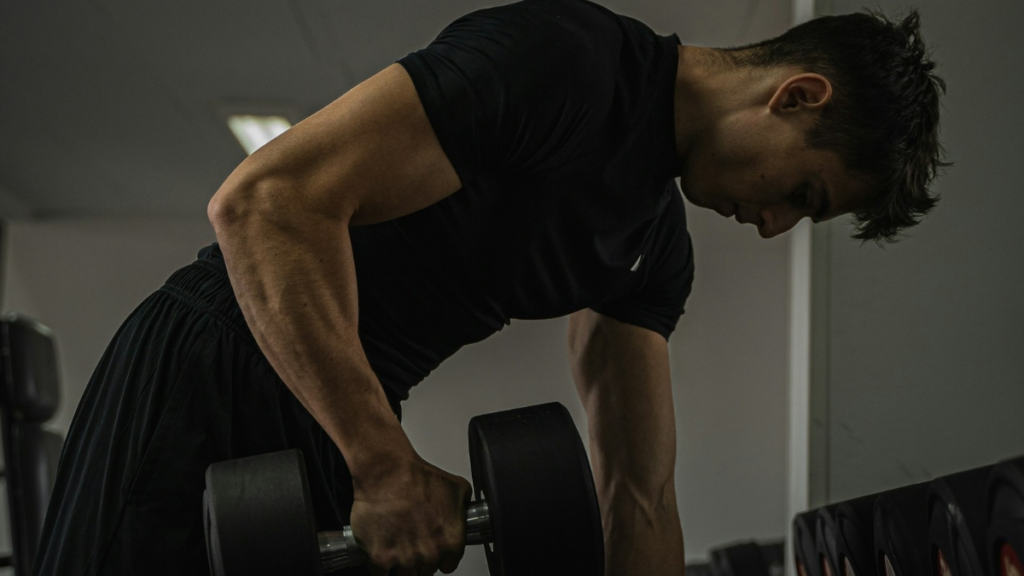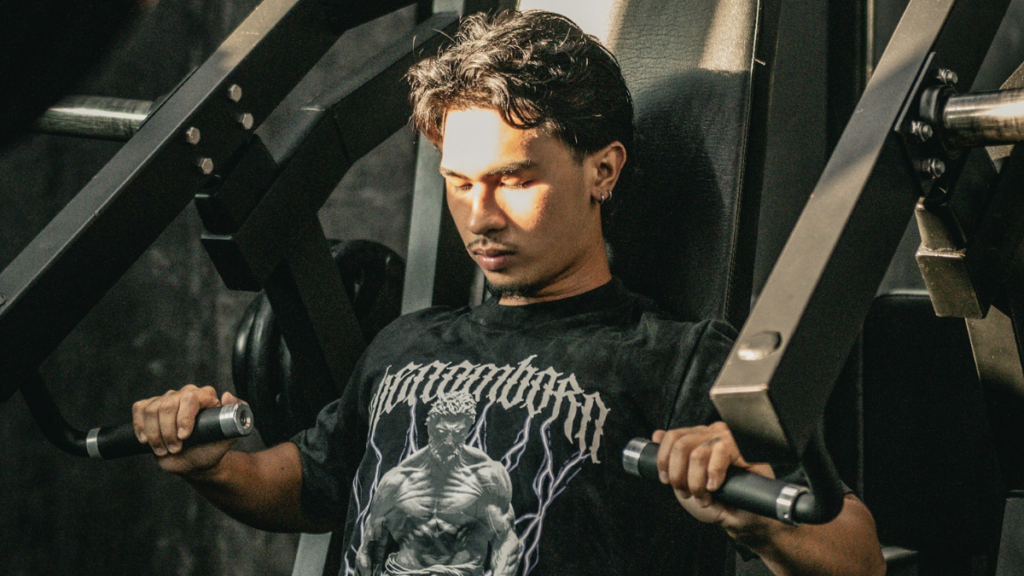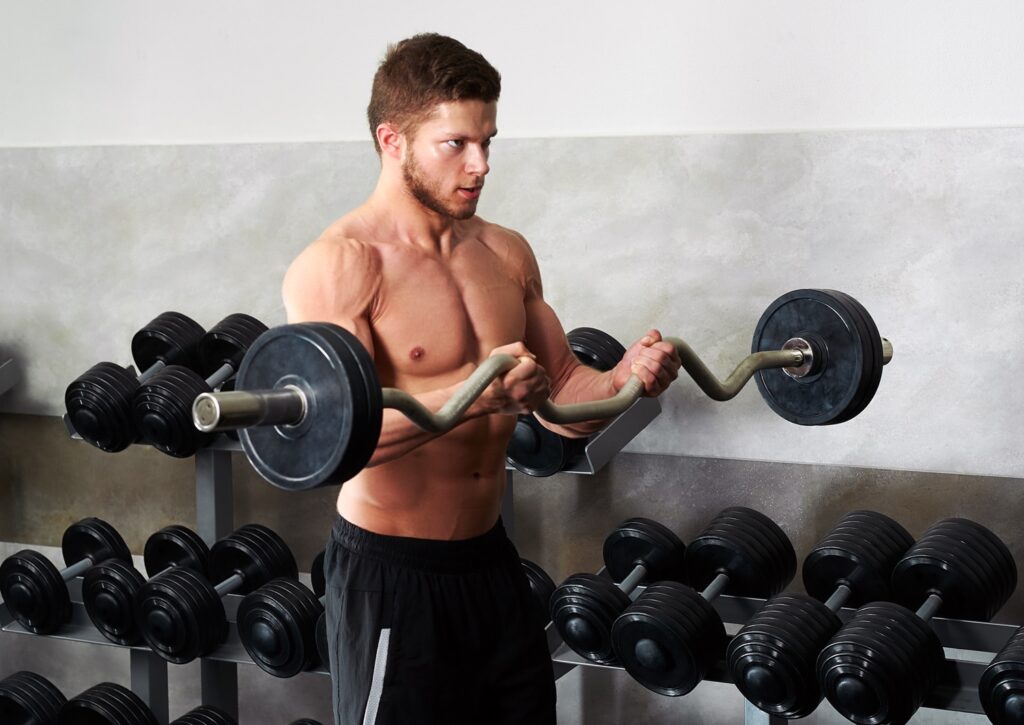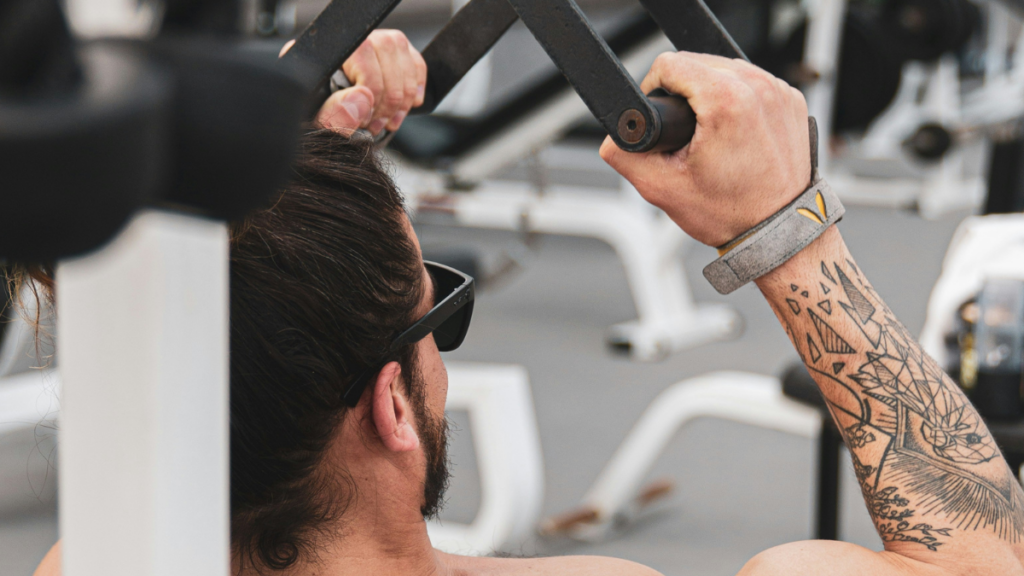


A bigger looking chest is not built by chasing a burn, copying the most complicated workout in the gym, or changing exercises every week. It is built by training the pectoral muscles hard enough, often enough, and consistently enough to make them grow. Your shoulders, triceps, and technique all matter, but the main goal is simple, give your chest quality resistance training through exercises you can perform safely and progressively.
The chest is mainly made up of the pectoralis major, a broad muscle that covers the front of the rib cage, and the smaller pectoralis minor underneath it. The pectoralis major has fibers that run in different directions, which is one reason a chest can look full from several angles when it is well developed. A larger chest is also more than a cosmetic goal. Pectoralis major size is meaningfully related to pressing strength and explosive upper body performance.



There is no single magical movement that transforms every lifter’s chest. Individual structure, limb length, mobility, equipment, and experience all influence which variation feels best. Still, the three exercises below cover the most useful bases for building a thicker, fuller chest: a stable heavy press, an incline press for the upper portion of the chest, and a cable fly for controlled work in a long muscle position.
What Actually Makes Your Chest Look Bigger
Muscle hypertrophy happens when resistance training creates a stimulus that the body adapts to over time. Training volume, progressive overload, exercise technique, effort, recovery, and nutrition all influence the result. More work is not always better, but research consistently shows that adding an appropriate amount of hard resistance training volume can improve muscle growth, particularly when a program is progressed gradually and recovery is managed well.
For chest training, this means that the exercise itself is only the starting point. You need repetitions that challenge the muscle, a range of motion you can control, and enough work across the week to accumulate a useful stimulus. A sloppy rep that turns into a shoulder movement is less productive than a controlled rep that keeps tension on the chest.
The goal is not to make every set feel maximally painful. You should finish most working sets with a small number of repetitions still possible while maintaining solid technique. Training all the way to failure is not required for muscle growth, although occasional hard sets can be useful when the exercise is stable and your form remains safe.
A full range of motion is also a strong default. Controlled resistance training through a large, comfortable range generally produces better outcomes for strength and is a practical way to expose the muscle to meaningful tension in its lengthened position. Do not force your shoulders into a range that causes sharp pain, however. Chest growth is a long term project, and healthy training is always more useful than forcing a single rep.
1. Barbell Bench Press
The barbell bench press earns its place because it allows most lifters to use substantial load, track progress clearly, and build pressing strength alongside chest size. It is not the only chest exercise you need, but it is a highly efficient foundation for many training plans.
Why It Builds a Bigger Looking Chest
The bench press trains the pectoralis major, triceps, and front deltoids together. Because the barbell is stable and easy to load in small increments, it provides a reliable route for progressive overload. As your technique and strength improve over months, the amount of tension your chest can handle can increase too.
Bench pressing is especially useful for creating overall chest thickness. It does not isolate the chest completely, and it should not be judged by chest sensation alone. The triceps and shoulders contribute heavily to the lift. Yet when you use a controlled lowering phase, touch the bar at a comfortable point on the lower chest area, and press without letting the shoulders roll forward, the pectorals receive a major share of the work.
Use a grip that feels natural for your shoulders. A moderate grip is a sensible starting point for most people. Set your upper back by pulling the shoulder blades back and down, keep your feet planted, and lower the bar with control. Pause briefly if you tend to bounce the bar from your chest. Then press the weight up and slightly back toward the rack.
How to Program It
For chest growth, three to four sets of six to ten repetitions work very well for many lifters. Rest long enough to maintain performance, usually around two to three minutes for demanding sets. The final repetitions should be challenging, but you should still be able to control the bar path and keep your shoulders in a strong position.
If your shoulders are uncomfortable with a straight bar, do not assume you must force it. A dumbbell press, machine press, or neutral grip pressing variation can still provide productive chest training. The best exercise is one you can train hard, progress over time, and repeat without persistent pain.
2. Incline Dumbbell Press
The incline dumbbell press is one of the best ways to add upper chest development while also giving each arm more freedom to move. A well built upper chest can make the entire torso look more powerful, particularly when viewed in a T shirt or from the side.
Why It Builds a Bigger Looking Chest
The pectoralis major includes a clavicular portion that contributes to shoulder flexion and horizontal adduction. Using an incline changes the line of press and can increase the contribution of this upper portion of the chest, although the front deltoid also becomes more involved as the bench angle rises.
The important detail is not to turn the movement into a steep shoulder press. A modest incline is generally the sweet spot. Set the bench to a low to moderate angle, then press the dumbbells upward while keeping your chest high and your shoulder blades stable. When the bench is too upright, the shoulders often take over and the chest gets less useful work.
Dumbbells offer a practical advantage because they allow the hands and elbows to follow a path that feels more natural than a fixed barbell path. You can lower the dumbbells under control until your upper arms reach a deep but comfortable position, then press them up while bringing the arms toward each other. You do not need to smash the dumbbells together at the top. The goal is chest tension, not a dramatic finish position.
How to Program It
Three sets of eight to twelve repetitions is a strong starting point. Use a load that allows a controlled descent and avoids excessive shoulder movement at the bottom. Take two minutes of rest between hard sets. If you are new to pressing, start with lighter dumbbells and make every repetition look the same before adding load.
The incline dumbbell press is particularly useful after a heavier flat press because it lets you train the chest through a different angle without relying on maximal weight. It is also an excellent main press for lifters who simply feel their chest working better with dumbbells.
3. Cable Flyes
Cable flyes complete the trio because they give the chest direct work through an arc of motion that closely matches its primary job: bringing the upper arm across the body. They are not a replacement for pressing, but they are an excellent complement to it.
Why They Build a Bigger Looking Chest
Presses are efficient compound exercises, but cable flyes allow you to train the chest with less help from the triceps. The cables also provide resistance throughout the movement, so the chest continues working as you bring the handles together. This can make cable flyes easier to control and load progressively than dumbbell flyes, which become much easier near the top of each rep.
Cable flyes are also useful for training the chest in a stretched position. Start with the handles slightly behind the line of your torso only if your shoulders tolerate that position comfortably. Keep a soft bend in the elbows and think about moving the upper arms inward rather than just pulling with the hands. Stop the stretch before the front of the shoulder feels strained, then squeeze the handles toward the center of your body.
A high cable position can emphasize a downward arm path, while a low cable position encourages an upward arm path. Both can work well. Rather than treating one angle as mandatory, choose the setup that lets you feel your chest work while keeping the shoulders comfortable and the torso stable.
How to Program Them
Cable flyes respond well to moderate and higher repetitions. Try two to four sets of ten to fifteen repetitions after your pressing work. Use a slow lowering phase, pause briefly in the stretched position if it feels comfortable, and avoid swinging your torso to move more weight.
This exercise is not about chasing the heaviest stack in the gym. When the load gets too heavy, the elbows often bend more, the shoulders roll forward, and the movement becomes a loose press. Use a weight that lets you keep the same arm path from the first repetition to the last.
How to Combine the Three Exercises
You do not need to perform all three exercises in every workout, but using them across the week creates a balanced chest routine. The bench press provides a heavy base, the incline dumbbell press gives useful upper chest work, and cable flyes add direct chest volume with a more controlled resistance profile.
A practical approach is to train chest twice per week. On the first day, begin with the barbell bench press, follow it with cable flyes, and include any additional shoulder or triceps work afterward. On the second day, make the incline dumbbell press the main lift and use either a lighter bench press or cable flyes for extra volume.

Aim to progress slowly. Add a repetition when you can, then increase the load by the smallest available amount once you reach the top of your target repetition range with strong form. This approach is less exciting than random exercise changes, but it is far more likely to build a noticeably bigger chest.
Your diet should support the training. Muscle growth requires enough energy, adequate protein, and regular recovery. Resistance training adaptations also take time. Take progress photos in consistent lighting, keep a training log, and judge the program over months rather than days.
Common Mistakes That Limit Chest Growth
The first common mistake is turning every press into a shoulder exercise. If your shoulders roll forward at the bottom, your elbows flare uncontrollably, or the load forces you to cut the range of motion short, reduce the weight and rebuild the rep.
The second mistake is treating soreness as the main measure of success. Soreness can happen after a productive session, but it does not prove that you built more muscle. Better markers are improved technique, gradually increasing repetitions or load, and consistent weekly training.
3 Best Exercises for Building the Shoulders that Beginners Often Ignore
The third mistake is relying only on isolation work or only on heavy pressing. Presses offer efficient overload, while cable flyes provide direct chest work. Using both gives you more ways to accumulate high quality training volume without making every set a maximal effort.
Finally, avoid copying a high volume advanced routine before you have earned the ability to recover from it. Start with a manageable amount of chest work, improve performance, and add volume only when you can recover well and still progress.
Key Takeaways
| Exercise | Main benefit | Useful starting prescription |
|---|---|---|
| Barbell bench press | Builds overall pressing strength and chest thickness | Three to four sets of six to ten repetitions |
| Incline dumbbell press | Adds upper chest focused pressing with a natural arm path | Three sets of eight to twelve repetitions |
| Cable flyes | Adds direct chest volume with continuous resistance | Two to four sets of ten to fifteen repetitions |
| Weekly approach | Spreads quality work across the week and supports recovery | Train the chest about twice per week |
| Progression | Turns repeatable training into long term growth | Add repetitions first, then add small amounts of load |
References
- Barbalho, M., Coswig, V.S., Steele, J., Fisher, J.P., Giessing, J. and Gentil, P. (2020) ‘Evidence for an upper limit to the dose response relationship between training volume and hypertrophic gains: A systematic review’, Journal of Sports Sciences, 38(15), pp. 1728 to 1739.
- Grgic, J., Schoenfeld, B.J., Skrepnik, M. and Davies, T.B. (2021) ‘Effects of resistance training performed to repetition failure or non failure on muscular strength and hypertrophy: A systematic review and meta analysis’, Journal of Sport and Health Science, 10(2), pp. 202 to 214.
- Kassiano, W., Costa, B.D.V., Nunes, J.P., Ribeiro, A.S., Schoenfeld, B.J. and Cyrino, E.S. (2022) ‘Muscle hypertrophy and strength gains after resistance training with different volume matched loads: A systematic review and meta analysis’, Applied Physiology, Nutrition, and Metabolism, 47(4), pp. 357 to 368.
- Krzysztofik, M., Wilk, M., Wojdała, G. and Gołaś, A. (2019) ‘Maximizing muscle hypertrophy: A systematic review of advanced resistance training techniques and methods’, International Journal of Environmental Research and Public Health, 16(24), 4897.
- Schoenfeld, B.J., Grgic, J., Ogborn, D. and Krieger, J.W. (2017) ‘Strength and hypertrophy adaptations between low versus high load resistance training: A systematic review and meta analysis’, Journal of Strength and Conditioning Research, 31(12), pp. 3508 to 3523.