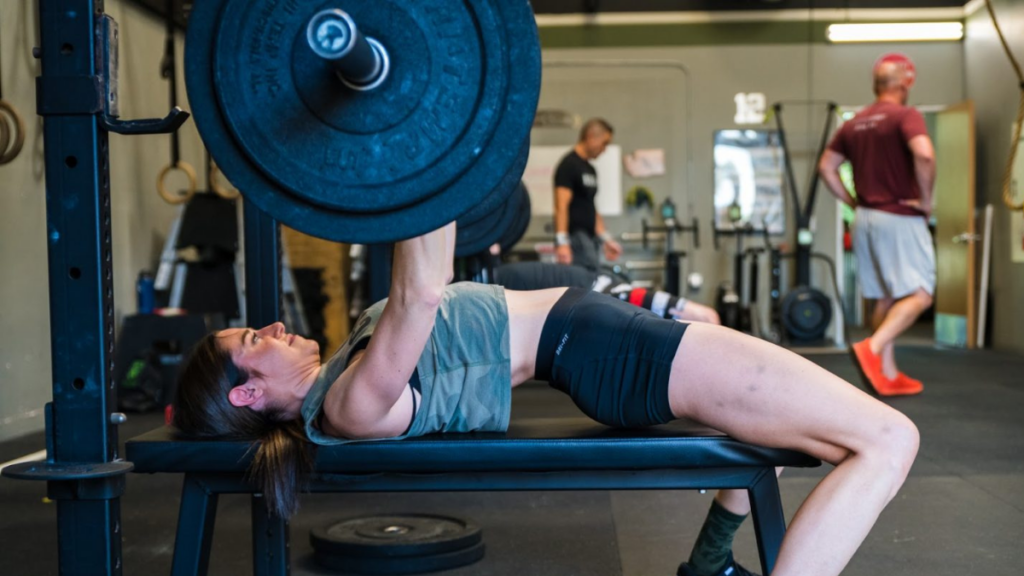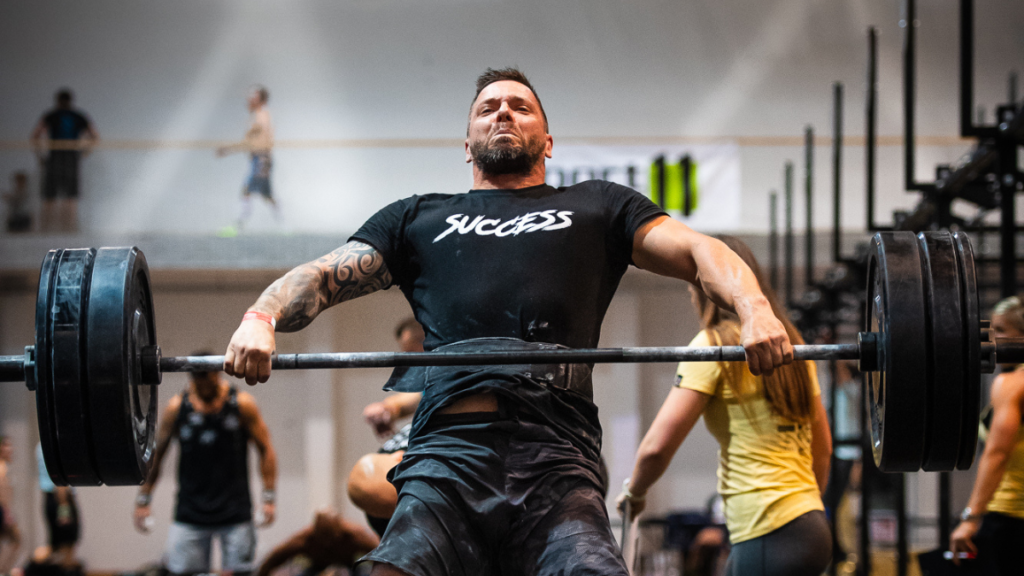


The following three workouts cover strength, conditioning, and a combination of both. The best part? They can all be done with a surprisingly small amount of equipment. Just a barbell, some plates, a rack, and a reasonably flat patch of ground.
Workout 1: The Simple Strength Workout
Getting stronger is hard. Training to get stronger shouldn’t be. Good basic training can accomplish a lot without needing to overcomplicate your program. Start with the lifts that let you move a lot of weight and train most of your body at once.


- Back Squat
- Overhead Press
- Deadlift
- Barbell Row
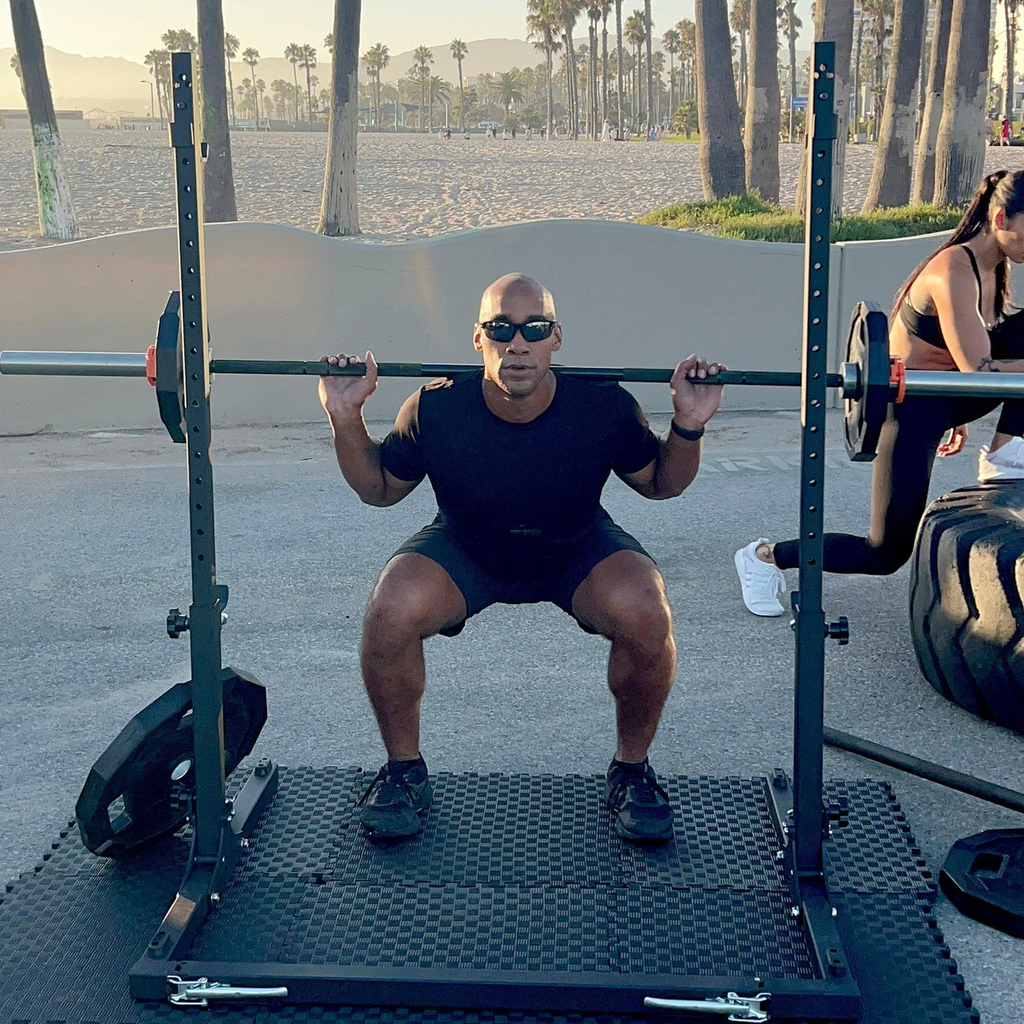
Week 1: work up to the heaviest 5 reps you can. Drop 10% and do 2-3 more sets of 5
Week 2: add a little weight from last week and work up to a 4 rep max. Drop 10% and 2-3 more sets of 4
Week 3: add a little weight from last week and work up to a 3 rep max. Drop 10% and 2-3 more sets of 3
Week 4: add a little weight from last week and work up to a 2 rep max. Drop 10% and 2-3 more sets of 2
Week 5: add a little weight from last week and work up to a 1 rep max
Rest 2–3 minutes between sets.
At this point, you would start the cycle over again, attempting to use a slightly heavier weight for each week than you did previously.
This is a tried and true cycle for building strength. No machines required. No complicated spreadsheet for progression. Just a handful of exercises performed consistently, with lots of effort, and loaded progressively.
Workout 2: The Parking Lot Barbell Complex
By this point, most readers are probably familiar with complexes. In case you aren’t familiar, a complex is a series of exercises performed back to back with the same implement, with no rest between movements.
The biggest advantage of complexes is the condensed amount of work that is completed in a short time. Because each “set” might consist of 4-10 exercises of 3-20 reps, the total amount of work/tonnage completed is enormous. This leads to muscle building, fat burning and cardiovascular improvement. Complexes will leave you gasping for breath while lying in a puddle of your own sweat.
There are many examples of complexes floating around on the internet, but most of them are a little boring and tend to use the same exercises. Feel free to search for those. The following complexes utilize variations of the Snatch and Clean. The explosive nature of these movements makes the complexes extra challenging and the sequencing of exercises means that the easier movements at the end are still hard due to fatigue.
SNATCH COMPLEX
- Snatch Grip Upright Row
- Power Snatch from the hips
- High Hang Power Snatch
- Low Hang Snatch
- Power Snatch from floor
- Snatch High Pull
CLEAN COMPLEX
- Power Upright Row
- High Hang Power Clean
- Low Hang Power Clean
- Power Clean from floor
- Clean High Pull
- Clean Pull
Pick one of the complexes (consider rotating week to week) and do 5 sets of 5 reps of each movement. Remember, with a complex, you complete each movement for the prescribed amount of reps before moving on to the next movement, which you complete without rest. In effect, because there are 6 movements, you have completed a 30 rep set. Rest 60-90 seconds and repeat 4 more times.
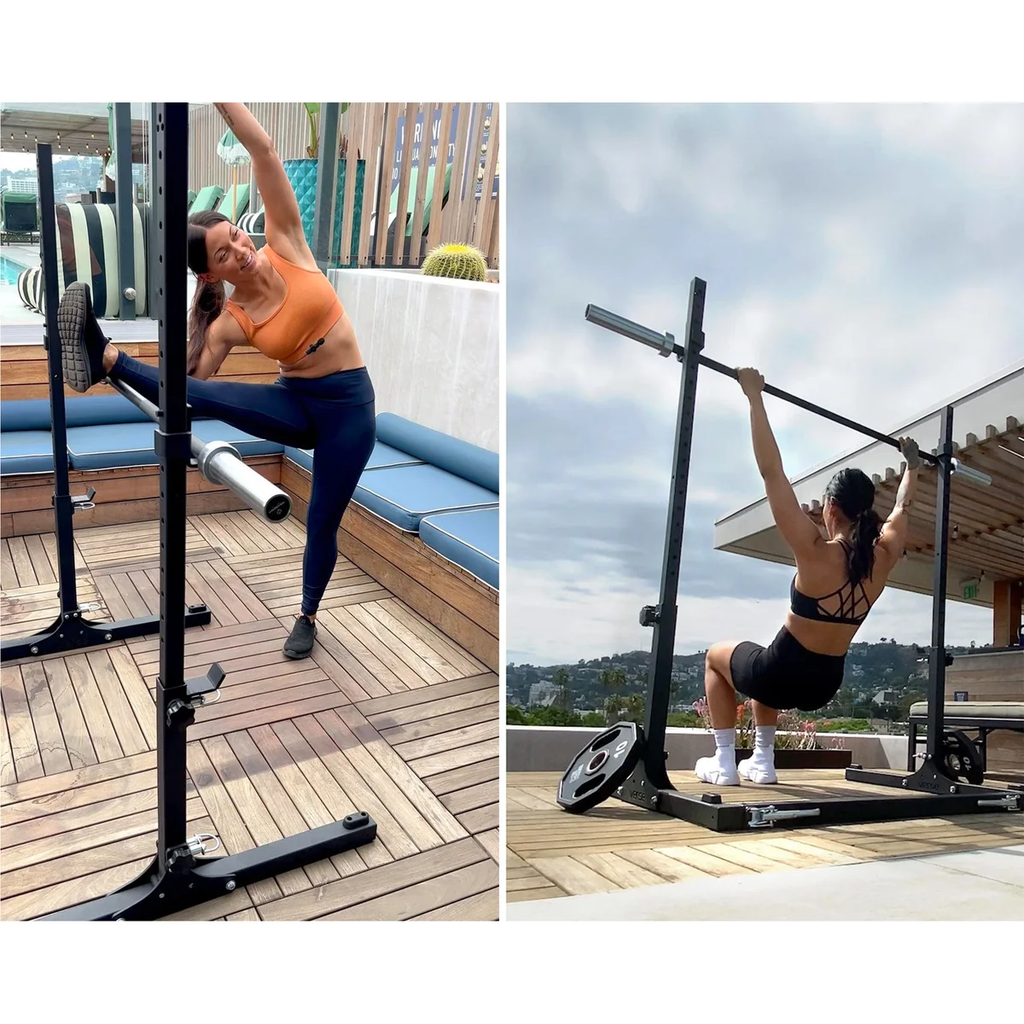
Keep the weight light enough that you can perform every movement safely. The first (weakest) exercise determines the load
If it’s too easy, add another round or another rep to each movement before adding more weight. Your lungs will probably have some opinions about this decision.
Workout 3: The Hybrid Workout
This one sits somewhere between a traditional strength workout and a conditioning session. It uses very similar movements to Day 1, but uses higher reps for a bit more hypertrophic stimulus, and pairs them with bodyweight conditioning movements for a little more cardio.
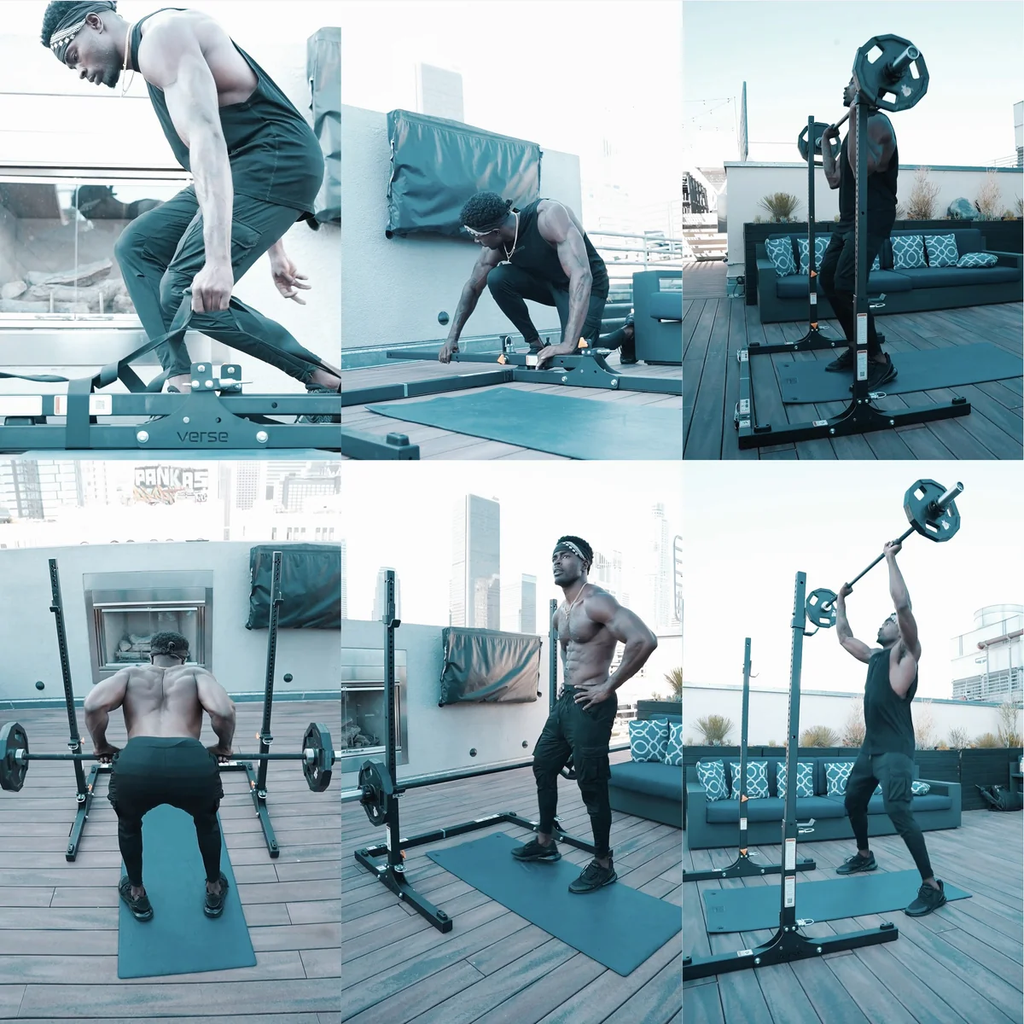
- Front Squat: 3×3-5
- Mountain Climbers x30 seconds
- Hang Power Clean & Press: 3×8-10
- Burpees x30 seconds
- Deadlift: 3×8-10
- Toe Touches on bar x30 seconds
- Barbell Floor Press: 3×8-10
- Lateral Hops over bar x30 seconds
- Barbell Row: 3×8-10
- Squat Jumps x30 seconds
Do 30 seconds of the conditioning movement immediately after each set of the strength work. Rest 1-2 minutes between sets. Use a simple double progression on your strength work – add 1 rep every workout until you are doing the higher number of reps in the rep range. For example:
Week 1: 3×8
Week 2: 3×9
Week 3: 3×10
Add weight week 4. This means you should start with a weight that you can probably get 12 reps with for one all out set.
Then, if time and desire allows, finish with the simple complex for extra upper body hypertrophy.
HONEST BEACH BODY COMPLEX (with a nod to Vince Gironda)
- Reverse Curl
- Upright Row
- Press
- Overhead Triceps Extension
- Curl
The goal is 6×6, 8×8 or 10×10 of each movement with only 15-30 seconds rest between sets
Use a lighter weight for the complex than you think – probably something you can do for 20 reps on your weakest movement.
The result is a little bit of everything: heavy compound lifting for strength, paired with enough work to challenge your conditioning, and, finally, a last blast to get jacked.
You Don’t Need More Equipment. You Need More Options.
One of the biggest misconceptions about home gyms is that you need to replicate a commercial gym before you can get a serious workout. You don’t. With just a rack, a barbell and some weights, you’ve got a home gym that can take you a surprisingly long way.
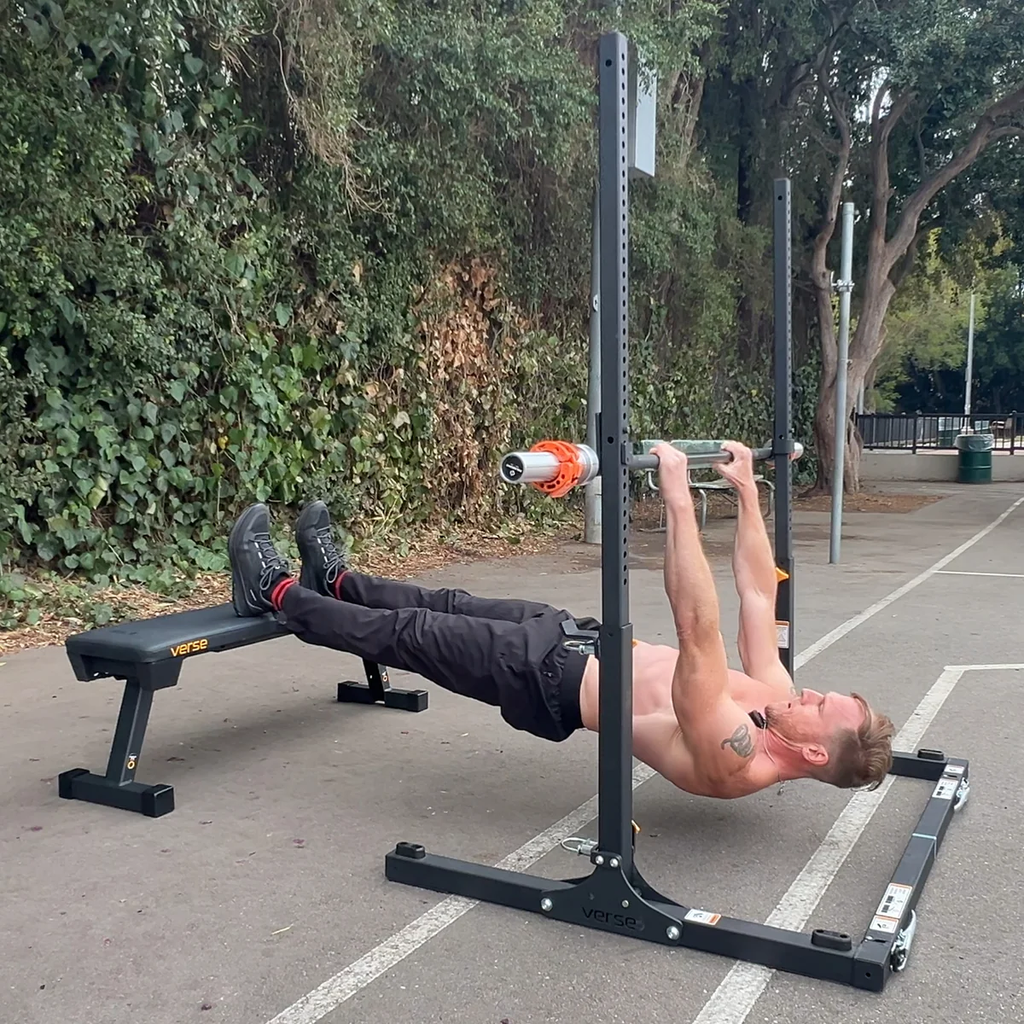
You can train for strength, muscle, conditioning, or some combination of all three, and you can do it without dedicating an entire room to exercise equipment. You’re not limited by the number of machines you own; you’re limited by your imagination.
A good home gym doesn’t have to be complicated. You don’t need a warehouse full of equipment. Sometimes, all you need is a rack, a bar, and a little space.
Shane Robert is a strength coach and the co-developer of the Agile Rack at Verse Fitness. He writes Verse’s training content and hosts its podcast and YouTube channel with over 100k subscribers. More information @verse.fitness.