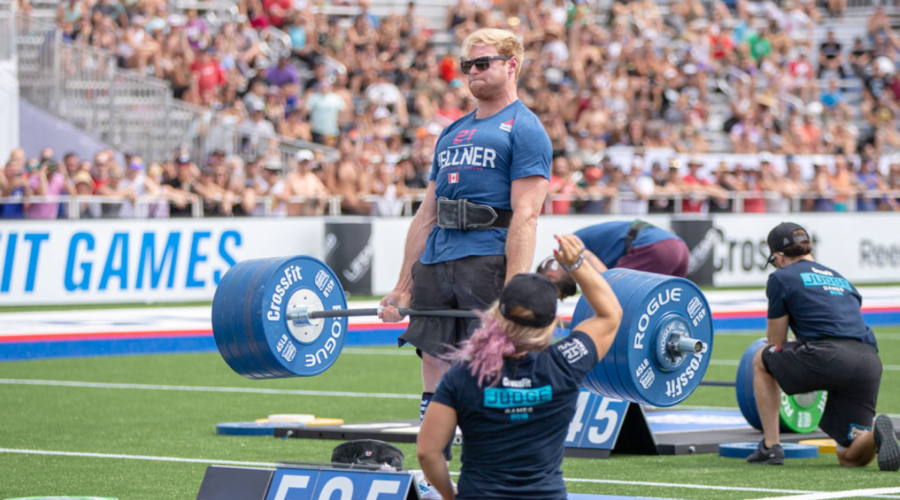


The deadlift is universally regarded as the ultimate test of raw human strength, engaging nearly every muscle in the human body.
Naturally, almost every lifter who puts their hands on a bar eventually wonders where they stand compared to everyone else. Is pulling double your bodyweight impressive for a thirty year old? What about keeping up a strong deadlift into your fifties or sixties?
Read on to find out how your 1RM racks up in comparison with your peers.
While it is easy to scroll through social media and see viral videos of elite athletes pulling unfathomable amounts of weight, those numbers rarely reflect reality for everyday strength enthusiasts. The truth about how your strength changes as the years go by is far more nuanced than simply hitting a single peak number in your twenties.
Age plays a fascinating role in how muscle tissue responds to heavy resistance, how recovery cycles change, and how maximum force production evolves across a lifespan.
To truly understand how your personal one rep maximum compares against other lifters in your age group, you need to look beyond locker room bragging rights. By examining large scale strength database records alongside sports science research on neuromuscular aging, a remarkably clear picture emerges. The numbers might actually surprise you, especially when you discover the exact age range where human strength reaches its absolute physical peak and how gracefully that strength can be preserved over decades.
The Physiology of Heavy Pulling Across the Decades
Understanding deadlift performance across different life stages requires a quick look at what happens inside your nervous system and skeletal muscle as time passes. Peak force output is not merely a matter of muscle size, as it relies heavily on motor unit recruitment, muscle fiber type composition, and connective tissue stiffness. In your early lifting years, your nervous system rapidly improves its ability to recruit high threshold motor units, which are responsible for moving heavy loads explosively.
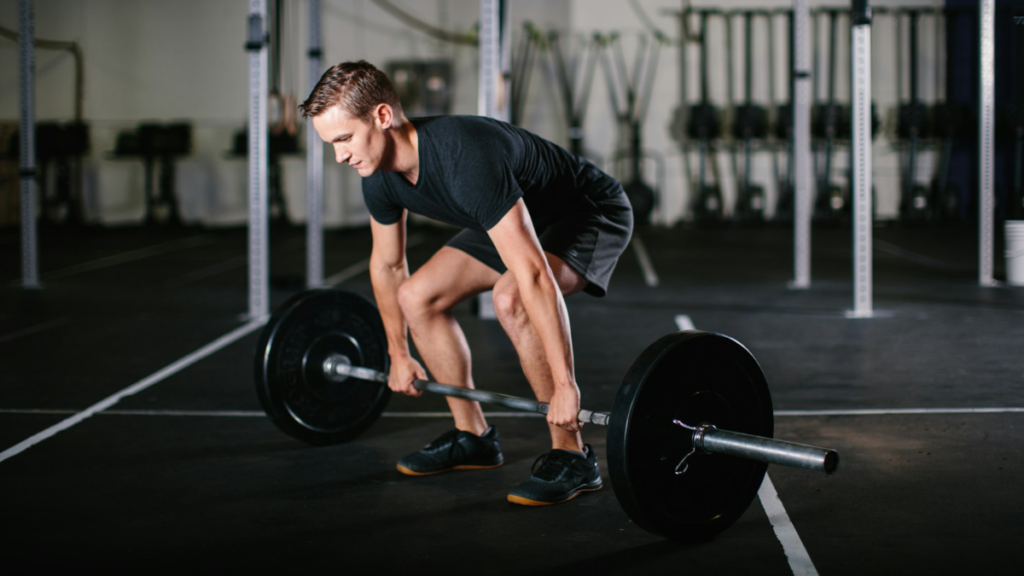
As lifters transition from their twenties into their thirties and forties, natural biological shifts begin to take place. Muscle cross sectional area tends to reach its maximum biological potential when supported by optimal hormonal profiles and recovery capacity. Research examining neuromuscular function demonstrates that type two fast twitch muscle fibers, which generate maximum explosive power during a heavy pull, are more susceptible to age related decline than slow twitch fibers. However, consistent heavy resistance training provides a powerful stimulus that dramatically slows this natural process, allowing trained individuals to maintain exceptional strength levels well past the age where untrained individuals experience noticeable declines.
Beyond raw muscle tissue, structural adaptations in tendons and bones play a critical role in supporting heavy loads. Years of progressive overload increase bone mineral density and strengthen tendon insertion points, creating a robust leverage system capable of handling massive forces. This cumulative structural adaptation explains why many dedicated lifters continue to set personal records well into their thirties and early forties, despite subtle age related changes in total muscle mass.
Quantitative Strength Standards by Age Group
To benchmark your deadlift performance accurately, strength scientists and powerlifting federations categorize lifters by body weight and age. Strength is most accurately measured as a ratio of load lifted relative to total body mass, often expressed as a multiplier of body weight. For male and female lifters who train consistently two to four times per week, strength progression follows a predictable curve across different life decades.
The data presented below represents average relative strength multipliers for intermediate lifters who have been resistance training consistently for at least two years. An intermediate lifter is defined as someone who understands proper hinge mechanics, trains systematically, and competes with themselves or in regional amateur meets rather than at an elite international level.
Male Deadlift Standards Relative to Bodyweight
| Age Bracket | Novice Level | Intermediate Level | Advanced Level | Elite Level |
|---|---|---|---|---|
| 18 to 23 Years | 1.25 x BW | 1.75 x BW | 2.25 x BW | 2.75 x BW |
| 24 to 39 Years | 1.35 x BW | 1.85 x BW | 2.35 x BW | 2.85 x BW |
| 40 to 49 Years | 1.20 x BW | 1.65 x BW | 2.10 x BW | 2.55 x BW |
| 50 to 59 Years | 1.10 x BW | 1.50 x BW | 1.90 x BW | 2.30 x BW |
| 60 Plus Years | 0.95 x BW | 1.30 x BW | 1.65 x BW | 2.00 x BW |
The numbers illustrate a clear trend where physical peak performance hovers between the mid twenties and late thirties. During this golden window, peak muscle density, joint integrity, and hormonal efficiency align to create ideal conditions for maximal force production. As lifters enter their fifties and sixties, absolute weights typically decrease, yet maintaining a pull between one and a half to two times body weight represents an extraordinary level of personal fitness that places a lifter in the top percentiles of their age cohort.
Female Deadlift Standards Relative to Bodyweight
| Age Bracket | Novice Level | Intermediate Level | Advanced Level | Elite Level |
|---|---|---|---|---|
| 18 to 23 Years | 1.00 x BW | 1.40 x BW | 1.80 x BW | 2.20 x BW |
| 24 to 39 Years | 1.10 x BW | 1.50 x BW | 1.90 x BW | 2.30 x BW |
| 40 to 49 Years | 0.95 x BW | 1.35 x BW | 1.70 x BW | 2.05 x BW |
| 50 to 59 Years | 0.85 x BW | 1.20 x BW | 1.50 x BW | 1.85 x BW |
| 60 Plus Years | 0.70 x BW | 1.00 x BW | 1.30 x BW | 1.60 x BW |
Female strength trends reflect a similar longevity trajectory, with relative peak performance remaining impressively stable through the late thirties and early forties. Because women often possess high fatigue resistance and efficient recovery capabilities, many female lifters maintain high relative strength standards deep into their master lifting years when provided with structured training programs.
Key Factors Influencing Your Individual Maximum Score
While age brackets provide a helpful reference point, several individual variables dictate where you land on the spectrum. Limb length and body proportions, known as anthropometry, dictate the leverage mechanics of your pull. Lifters with longer arms relative to their torso height enjoy a distinct mechanical advantage in the deadlift, as they do not need to dip their hips as low to reach the bar, effectively reducing the total distance the weight must travel.
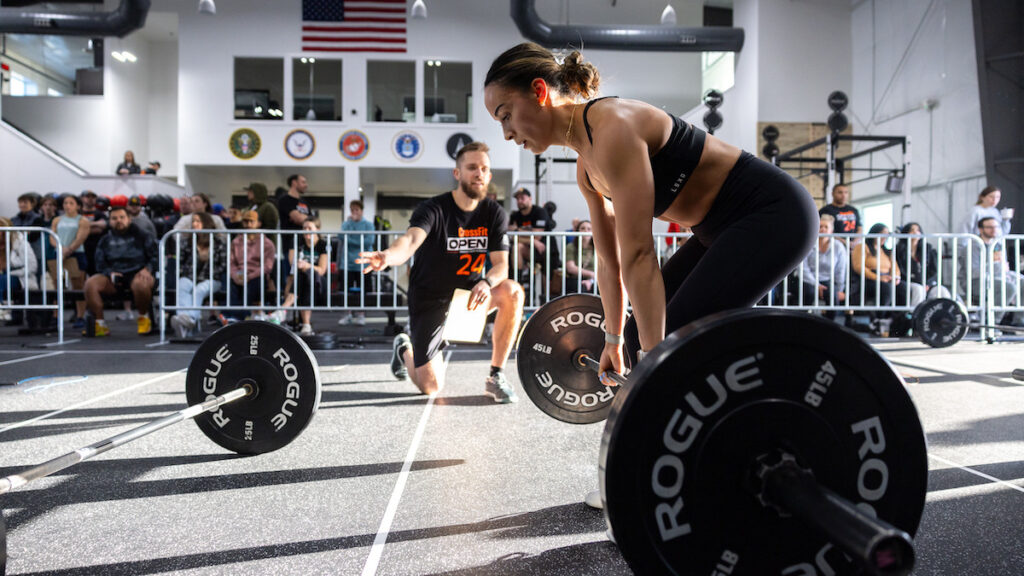
Training age, which refers to the number of years you have actively engaged in structured strength training, often matters far more than chronological age. A forty five year old lifter with ten years of continuous training under their belt will almost certainly pull significantly more weight than a twenty five year old who started lifting six months ago. Neuromuscular efficiency, movement quality, and tissue adaptation compound over years of dedicated practice.
Recovery capacity and lifestyle factors also establish a firm ceiling on your maximum output. Sleep architecture, daily protein intake, psychological stress, and overall training volume directly govern your ability to adapt to heavy loads. As lifters advance in age, managing fatigue becomes the primary driver of continuous strength gains, making recovery management just as vital as the sessions spent inside the weight room.
Preserving Maximum Pulling Power as You Get Older
Maintaining or building impressive deadlift strength as the years advance requires a slight shift in training strategy. While novice lifters in their early twenties can often make steady progress on simple heavy linear programs, mature lifters thrive by incorporating intelligent fatigue management tools like rate of perceived exertion, planned deload weeks, and submaximal volume work.
Swapping out maximal pulling sessions with variations like block pulls, Romanian deadlifts, or trap bar deadlifts helps manage spinal compression while still driving positive adaptations in the posterior chain. Focusing heavily on trunk stability, lat activation, and hip mobility ensures that the force you generate moves efficiently through the barbell without compromising joint health.
Prioritizing movement quality over ego driven load increases remains the single most effective way to guarantee lifelong strength development. By respecting recovery demands and staying consistent with progressive overload, lifters of any decade can continue to pull impressive numbers safely and effectively.
Key Takeaways
| Metric or Concept | Key Recommendation or Finding |
|---|---|
| Peak Strength Window | Maximal force production typically peaks between ages 24 and 39 due to optimal muscle density and recovery efficiency. |
| Relative Benchmark | Intermediate lifters aged 24 to 39 generally aim for a pull between 1.5 to 1.85 times their body weight. |
| Master Lifter Potential | Lifters over 50 can easily preserve relative pulls of 1.3 to 1.5 times body weight through structured programming. |
| Training Age Impact | Consistency and total years of structured lifting often override chronological age regarding absolute maximal strength output. |
| Fatigue Management | Older lifters should leverage submaximal training, planned deloads, and lift variations to protect joints while building power. |
References
- Anton, M.M., Spirduso, W.W. and Tanaka, H., 2004. Age-related declines in anaerobic muscular performance: weightlifting and powerlifting. Medicine and Science in Sports and Exercise, 36(1), pp.143-147.
- Ahtiainen, J.P., Walker, S., Peltonen, H., Holviala, J., Sillanpää, E., Karavirta, L., Sallinen, J., Mikkola, J., Valkeinen, H., Mero, A. and Hulmi, J.J., 2015. Heterogeneity in resistance training-induced muscle hypertrophy in older adults: a review of muscle size and strength responses. Scandinavian Journal of Medicine & Science in Sports, 25(3), pp.430-443.
- Bengtsson, V., Berglund, L. and Aasa, U., 2018. Narrative review of injuries in powerlifting with special reference to their biomechanics. BMJ Open Sport & Exercise Medicine, 4(1), p.e000382.
- Ferri, A., Scaglioni, G., Pousson, M., Capodaglio, P., Van Hoecke, J. and Narici, M.V., 2003. Strength and fatigue characteristics of post-menopausal women. European Journal of Applied Physiology, 90(5), pp.640-649.
- Latella, C., Teo, W.P., Spathis, J. and van den Hoek, D., 2019. Long-term adaptations to resistance training in highly trained powerlifters: a systematic review. Sports Medicine, 49(12), pp.1843-1870.
- Meltzer, C.E., 1994. Age-grading formulas for powerlifting. Journal of Strength and Conditioning Research, 8(2), pp.109-112.
- Snijders, T., Verdijk, L.B. and van Loon, L.J., 2014. The impact of sarcopenia and exercise training on skeletal muscle stem cells in older humans. World Journal of Stem Cells, 6(5), pp.710-719.