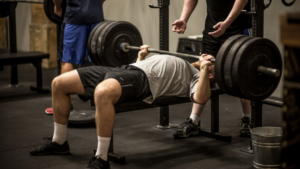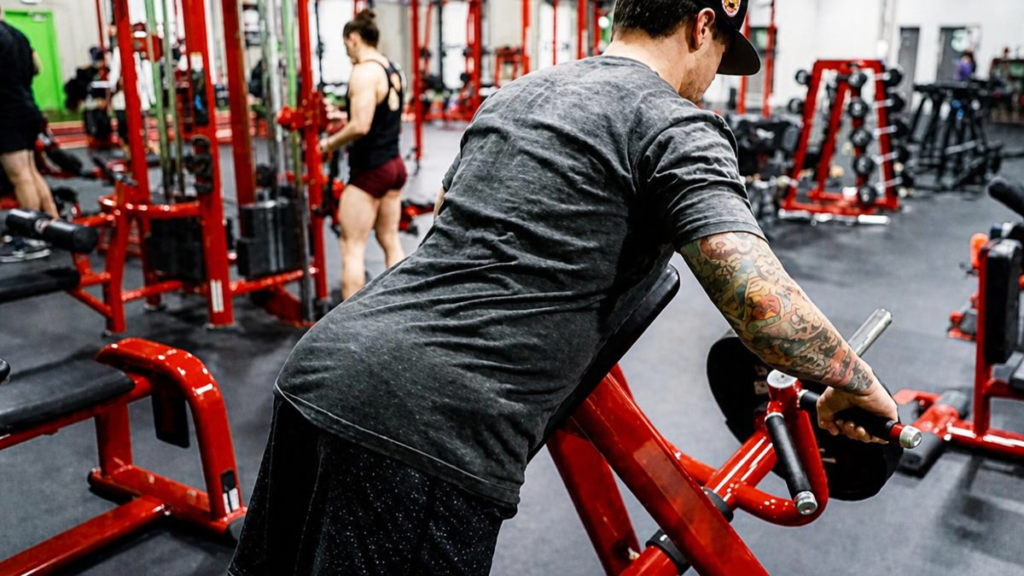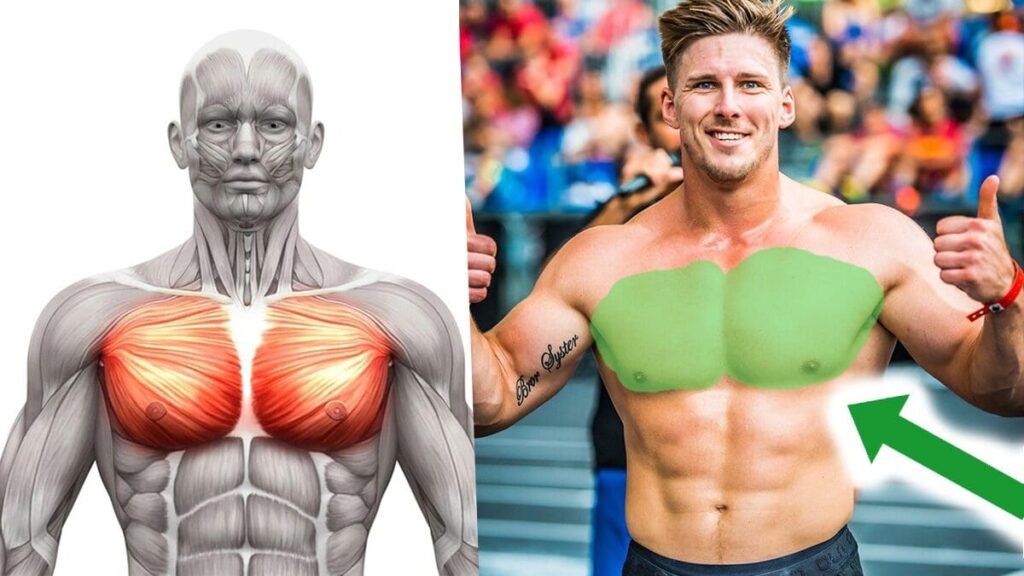


Your rotator cuff is not a single muscle. It is a group of four muscles and their tendons that help control the position of the upper arm in the shoulder socket. These tissues work during pressing, pulling, throwing, climbing, swimming, carrying, and even simple movements such as reaching overhead.
Healthy rotator cuffs need more than random band exercises. They need enough strength, movement control, training exposure, and recovery to tolerate the demands you place on them. The goal is not to make your shoulders fragile by avoiding effort. It is to build shoulders that can handle effort progressively.


If you have sudden weakness, shoulder deformity, pain after a traumatic event, numbness, fever, or pain that does not improve, seek assessment from a qualified health professional. The advice below is for general shoulder health and training capacity. It is not a diagnosis or a substitute for individualized rehabilitation.
Understand What the Rotator Cuff Does
The rotator cuff includes the supraspinatus, infraspinatus, teres minor, and subscapularis. Together, these muscles help rotate the arm and stabilize the shoulder joint while larger muscles such as the deltoids, chest, lats, and upper back create movement.
The cuff does not work in isolation. It coordinates with the shoulder blade, thoracic spine, trunk, and arm. This is why shoulder health is rarely improved by doing only one external rotation drill. A productive plan builds strength through the shoulder, trains the muscles around the shoulder blade, and manages overall training load.
Hack One: Train Your Shoulders Instead of Avoiding Them
The first hack is simple. Train your shoulders regularly. Exercise based rehabilitation is a central treatment approach for many people with rotator cuff related shoulder pain, and progressive strengthening can improve pain and function. Avoiding every uncomfortable movement for long periods can reduce strength and confidence. Instead, use movements and ranges you can perform with acceptable symptoms and good control. Then increase the challenge gradually.

For a healthy shoulder, include pressing, pulling, and direct shoulder work in your weekly training. For an irritated shoulder, begin with a tolerable variation. A lighter dumbbell press, cable row, or supported row may be more manageable than a heavy barbell movement. The right exercise is the one you can perform consistently and progressively without a worsening pattern of symptoms.
Hack Two: Build External Rotation Strength
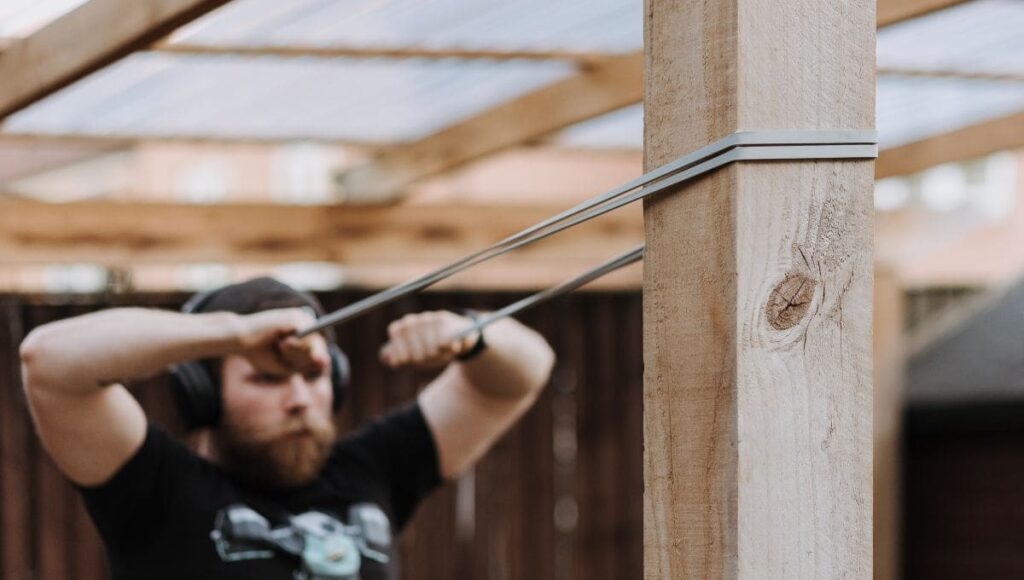
External rotation is the action of turning the upper arm outward. The infraspinatus and teres minor contribute strongly to this movement. Training external rotation can help build capacity in muscles that are often undertrained compared with the chest, front deltoids, and internal rotators. Use a resistance band or cable with your elbow close to your side. Keep your upper arm still and rotate your forearm away from your body. Use a light resistance and move slowly. You should feel the work around the back of the shoulder, not in your neck or hand.
Start with two or three sets of 10 to 15 controlled repetitions. The weight should be light enough that you do not twist your torso or push your shoulder forward. The goal is not to chase fatigue with sloppy repetitions. It is to strengthen the movement through a comfortable range.
External rotation work is useful, but it should be part of a wider plan. The shoulder needs capacity for pressing, pulling, lifting, and reaching, not only isolated rotation.
Hack Three: Train Internal Rotation Too
Many lifters hear that internal rotation is already trained by pressing and pulling, then skip it completely. It is true that the chest, lats, and subscapularis contribute to internal rotation in many compound exercises. However, balanced shoulder training can still include direct internal rotation if it feels comfortable and serves a clear purpose.
Use the same setup as an external rotation exercise, but rotate your forearm toward your abdomen. Keep the elbow close to your side and avoid rotating your torso. Use light resistance and controlled repetitions.
5 Signs You’re Aging Better Than Most People
The point is not to create a perfect ratio between external and internal rotation strength. Human movement is more complex than a single number. The point is to ensure that your shoulder can produce and control rotation in both directions while you train the larger movement patterns that matter most.
Hack Four: Build Your Upper Back
Your shoulder blades provide the platform from which the arm moves. The muscles around the shoulder blade, including the trapezius, rhomboids, and serratus anterior, contribute to shoulder control during lifting and overhead movement.
Rows are one of the most practical ways to train this area. Chest supported dumbbell rows, cable rows, one arm dumbbell rows, and machine rows are all useful options. Choose a variation that allows you to pull with control and without compensating by shrugging excessively or twisting your torso.
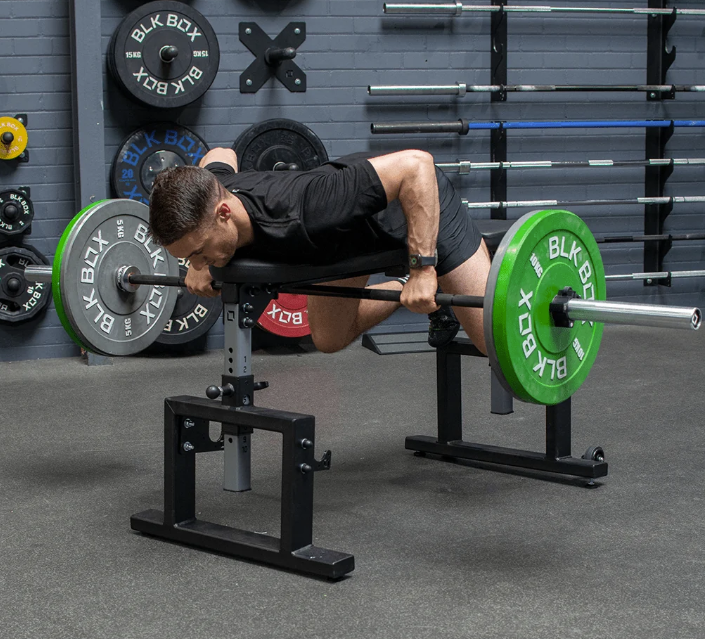
Perform two to four challenging sets of rows at least twice per week. Use a full but comfortable range of motion. Allow the shoulder blade to move forward slightly as the weight lowers, then pull your elbow back and let the shoulder blade move toward the spine as you row.
Scapular focused exercise can improve outcomes when included in rehabilitation programs for shoulder problems. This does not mean you need to obsess over pinning your shoulder blades down during every exercise. It means the shoulder blade muscles deserve regular strength training and good movement control.
Hack Five: Include Serratus Anterior Work
The serratus anterior is a muscle on the side of the rib cage that helps the shoulder blade move and stay controlled against the rib cage. It is active during reaching, pressing, and overhead movement.
A simple way to train it is with a wall slide. Stand facing a wall with your forearms resting against it. Gently press into the wall and slide your arms upward while keeping your ribs controlled. You should feel effort around the side of your rib cage rather than just in your upper traps.
Another option is a push up plus. Perform a controlled push up from the floor, a bench, or a wall. At the top, keep your elbows straight and gently push the floor away to move your shoulder blades forward. This final portion trains shoulder blade protraction.
Use two or three sets of eight to 15 repetitions. These exercises should feel controlled rather than maximal. If you experience pain at the top of the range, reduce the range or choose an easier variation.
Hack Six: Progress Overhead Training Gradually
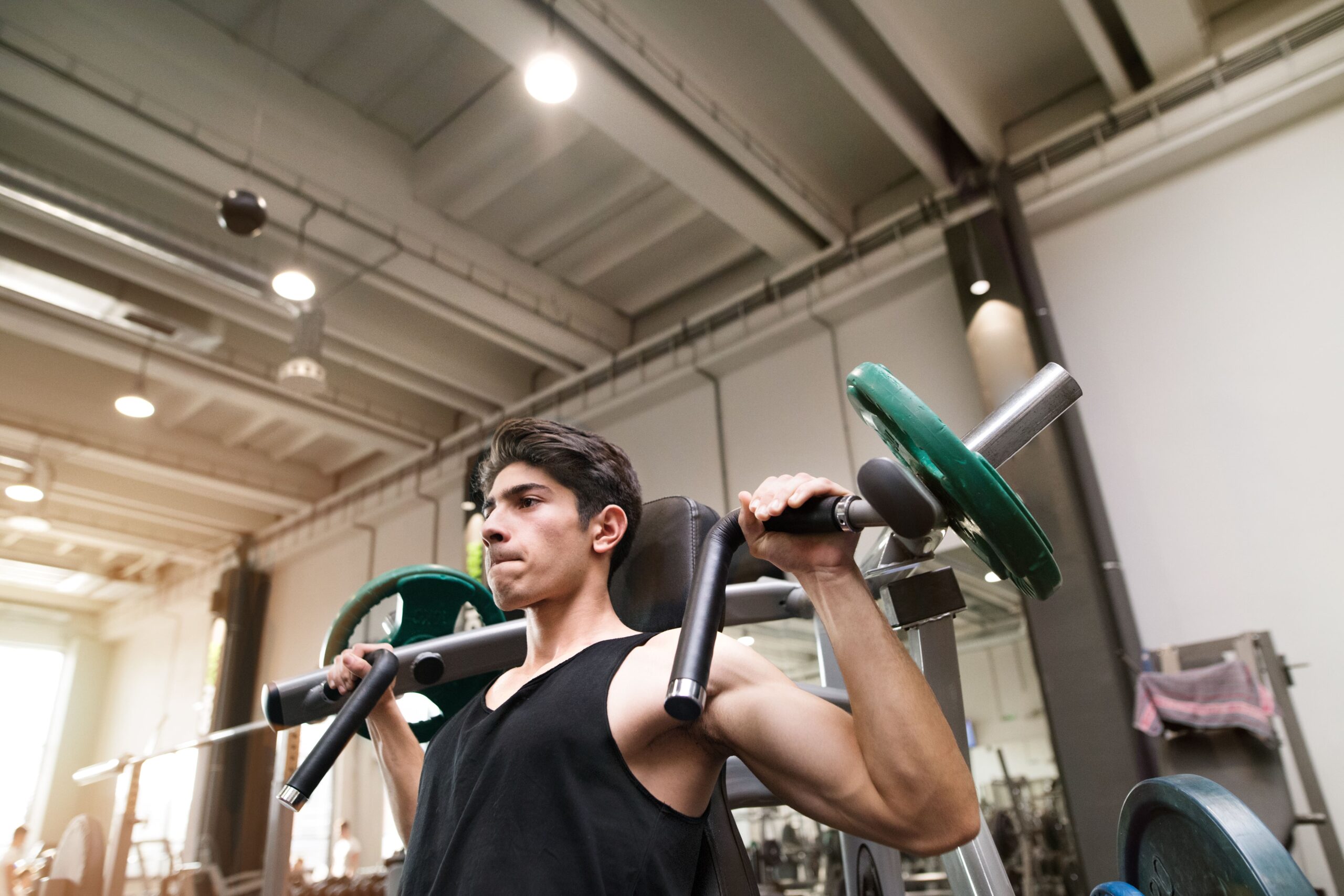
Overhead pressing is not automatically harmful to the rotator cuff. For many healthy people, it is a valuable way to build shoulder strength and confidence. Problems are more likely when a person suddenly adds more load, more repetitions, more training days, or more overhead sport work than the shoulder can currently tolerate.
Start with a range and load you can control. A half kneeling one arm dumbbell press, a light seated dumbbell press, or a landmine press may be useful starting points. Increase one training variable at a time. You can add a few repetitions, a small amount of weight, or one additional set, but avoid increasing everything at once.

You do not need a perfectly vertical arm position to train the shoulders. Find a pressing path that feels stable and comfortable. If pain increases during the session and remains worse afterward, reduce the load, range, volume, or frequency.
The aim is capacity. Gradual exposure helps the shoulder adapt to the positions and forces you want it to handle.
Hack Seven: Do Not Let Your Pulling Volume Disappear
A common training mistake is building a program around bench presses, push ups, and shoulder presses while treating rows as optional. Pulling exercises train the upper back, rear deltoids, elbow flexors, and muscles that help control the shoulder blade.
For general shoulder training, aim to include at least as much pulling volume as pressing volume. This is a practical programming guideline rather than a medically required ratio. If your training contains nine hard sets of pressing each week, include a similar number of controlled rowing or pulling sets.
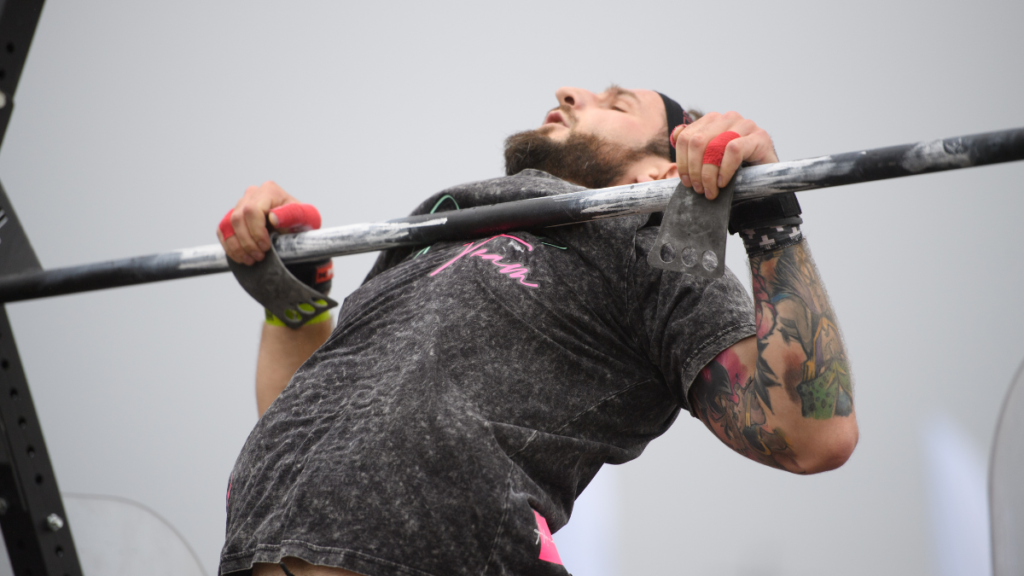
Vertical pulling can also be useful. Pulldowns and assisted pull ups train the lats and upper back while requiring control of the shoulder complex. Use a comfortable grip and avoid forcing painful ranges. If hanging from a bar aggravates your shoulder, choose a cable pulldown or supported row while you build tolerance.
Hack Eight: Improve Thoracic Movement
The thoracic spine is the middle and upper section of the back. Its position affects how your shoulder blade and arm move during overhead tasks. A stiff upper back does not automatically cause shoulder pain, but improving thoracic movement can help some people access a more comfortable overhead position.
Use simple drills such as a thoracic extension over a foam roller, a controlled open book rotation, or a child’s pose reach. Perform them gently and focus on breathing. Mobility drills should not be painful or aggressive.
Mobility alone will not create a durable shoulder. Treat it as preparation, not the entire solution. Pair movement work with strength exercises so your body learns to control the range you have gained.
A useful sequence is a few minutes of thoracic mobility, followed by rows, rotation work, and pressing or pulling that suits your current ability.
Hack Nine: Use Smart Warm Ups, Not Endless Warm Ups
A good shoulder warm up should prepare you for the training that follows. It does not need to be a 30 minute routine filled with tiny exercises. Research indicates that warm up strategies can influence performance and movement readiness, but the best warm up is usually specific to the session.
Before an upper body workout, begin with a few minutes of general movement. Then perform lighter sets of the exercise you plan to train. If you are bench pressing, start with lighter pressing sets. If you are rowing, perform lighter rows. Add one or two shoulder specific drills if they help you feel prepared.
For example, you might perform light band external rotations, wall slides, and a few lighter sets of dumbbell presses before your working sets. Keep the intensity low enough that you feel more prepared, not fatigued.
The most important part of your session is still the progressive strength work. Warm ups should support that work instead of replacing it.
Hack Ten: Respect Recovery and Pain Signals
Rotator cuff health depends on training stress and recovery. Repeatedly loading the shoulder harder than it can recover from can lead to a worsening pattern of pain and reduced performance. On the other hand, complete rest for long periods can reduce the capacity you need for lifting, work, sport, and daily activity.
Pay attention to trends. A little discomfort that settles quickly and does not worsen from session to session may be manageable for some people. Pain that becomes sharper, spreads, disrupts sleep, causes substantial weakness, or continues to worsen needs professional assessment.
Sleep also matters. Poor sleep is associated with greater pain sensitivity and can make recovery feel harder. Aim for regular sleep, enough total calories, and adequate protein to support your training. These habits cannot fix a tear or diagnose an injury, but they support the adaptation that training is designed to create.
If you are returning from shoulder pain, use a slower progression than you think you need. Consistency with a tolerable amount of work usually beats occasional hard sessions followed by setbacks.
A Simple Weekly Shoulder Health Plan
A practical plan can fit into a normal strength program. Perform rowing movements twice each week, complete two or three short sessions of external rotation and serratus work, and include pressing that matches your current tolerance.
For example, on one upper body day, perform rows, dumbbell presses, external rotations, and wall slides. On another day, perform pulldowns, a supported row, push up plus repetitions, and light internal rotation work. Keep the direct shoulder exercises controlled and stop before form falls apart.
There is no single exercise that protects every shoulder. The best approach is regular, progressive strength training that includes the cuff, shoulder blade muscles, upper back, pressing muscles, and trunk.
The Bottom Line
Healthy rotator cuffs are built through regular movement, progressive strength training, smart load management, and recovery. Train rotation, rows, serratus function, and overhead strength without rushing your progression.
Do not treat your shoulders as delicate, but do respect symptoms that persist or worsen. Build capacity gradually, use exercises you can control, and seek qualified help when pain or weakness suggests that a simple training adjustment is not enough.
References
- Cools, A.M., Struyf, F., De Mey, K., Maenhout, A., Castelein, B. and Cagnie, B. (2014) ‘Rehabilitation of scapular dyskinesis: From the office worker to the elite overhead athlete’, British Journal of Sports Medicine, 48(8), pp. 692–697.
- Desmeules, F., Boudreault, J., Roy, J.S., Dionne, C.E., Frémont, P. and MacDermid, J.C. (2016) ‘The efficacy of therapeutic exercise for rotator cuff tendinopathy: A systematic review of contextual factors and prescription parameters’, Clinical Journal of Sport Medicine, 26(5), pp. 411–423.
- Dong, W., Goost, H., Lin, X.B., Burger, C., Paul, C., Wang, Z.L., Zhang, T.Y. and Jiang, Z.C. (2015) ‘Treatments for shoulder impingement syndrome: A PRISMA systematic review and network meta analysis’, Medicine, 94(10), e510.
- Littlewood, C., May, S., Walters, S., Bateman, M., Connor, C., Langridge, J., Mayes, S., Smith, J., Walker, S. and Taylor, S. (2019) ‘A self managed single exercise programme versus usual physiotherapy treatment for rotator cuff tendinopathy: A randomised controlled trial’, Clinical Rehabilitation, 33(5), pp. 918–929.
- McQuade, K.J., Borstad, J. and de Oliveira, A.S. (2016) ‘Critical and theoretical perspective on scapular stabilization: What does it really mean, and how should this be evaluated?’, Sports Medicine, 46(2), pp. 205–223.
- Page, M.J., Green, S., Kramer, S., Johnston, R.V., McBain, B., Buchbinder, R. and Bumpstead, S. (2016) ‘Electrotherapy modalities for rotator cuff disease’, Cochrane Database of Systematic Reviews, 6, CD012225.
- Pieters, L., Lewis, J., Kuppens, K., Jochems, J., Bruijninckx, F., Joossens, L. and Struyf, F. (2020) ‘An update of systematic reviews examining the effectiveness of conservative physical therapy interventions for subacromial shoulder pain’, Journal of Orthopaedic and Sports Physical Therapy, 50(3), pp. 131–141.
- Steuri, R., Sattelmayer, M., Elsig, S., Kolly, C., Tal, A., Taeymans, J. and Hilfiker, R. (2017) ‘Effectiveness of conservative interventions including exercise, manual therapy and medical management in adults with shoulder impingement: A systematic review and meta analysis of randomized controlled trials’, British Journal of Sports Medicine, 51(18), pp. 1340–1347.
Key Takeaways
| Hack | Practical action |
|---|---|
| Train shoulder capacity | Use regular, progressive pressing and pulling rather than avoiding all shoulder loading |
| Strengthen rotation | Train controlled external and internal rotation with light resistance |
| Build the upper back | Perform rows consistently to strengthen shoulder blade control muscles |
| Train serratus anterior | Use wall slides or push up plus repetitions |
| Progress overhead work slowly | Add load, repetitions, sets, or frequency gradually |
| Keep pulling in your plan | Include similar or greater pulling volume than pressing volume |
| Improve usable movement | Pair gentle thoracic mobility work with strength training |
| Keep warm ups focused | Use a few specific drills and lighter practice sets |
| Respect recovery | Reduce training stress if symptoms worsen or recovery declines |
| Seek help when needed | Get professional assessment for trauma, significant weakness, numbness, or persistent worsening pain |