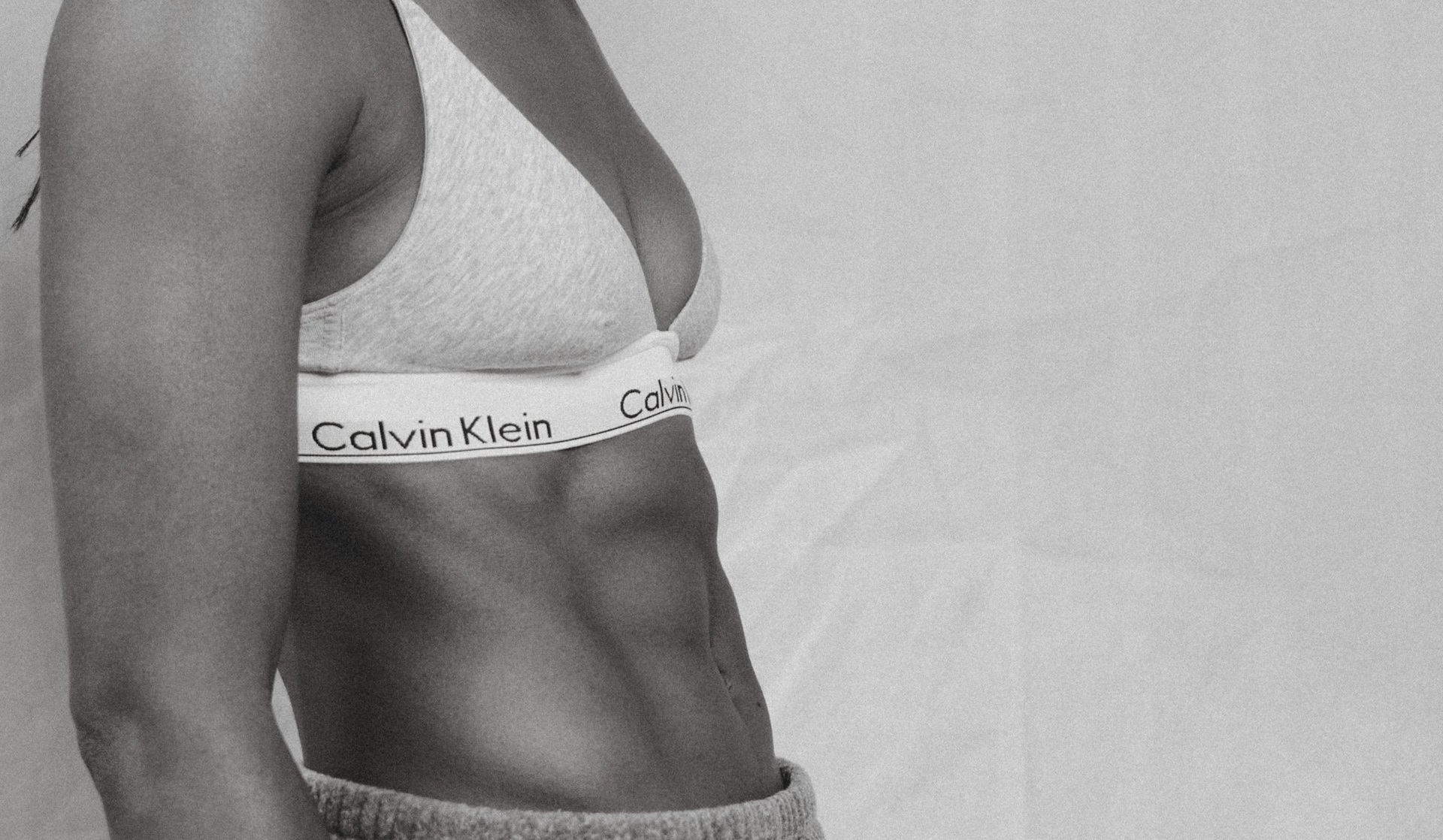


Visible abs are not created by endless crunches or a single magic diet. They come from building the abdominal muscles while reducing enough overall body fat for those muscles to become more noticeable. Genetics, sex, starting body composition, sleep, stress, training history, and food intake all influence how and where you lose fat, so there is no exact body fat percentage that guarantees a six pack for everyone.
The important point is that you cannot reliably choose where your body loses fat first. Training your abs is still valuable because it can make them stronger and more developed, but studies on localized abdominal exercise show that it does not selectively reduce abdominal fat. A smart plan instead combines a sustainable calorie deficit, resistance training, regular activity, cardio, sufficient protein, sleep, and patience.


Here are 10 practical, science backed tips to shed belly fat and reveal the abs you are building.
1. Create a Modest, Sustainable Calorie Deficit
Fat loss requires your body to use more energy than it receives from food and drink over time. This is known as a calorie deficit. It does not need to be extreme. In fact, aggressive restriction can make training feel worse, increase hunger, and make it harder to preserve muscle mass while losing weight.
A modest deficit is usually more sustainable because you can continue eating satisfying meals, fuel your workouts, and maintain the routine for long enough to see meaningful changes. Large reviews of weight loss research consistently show that many dietary approaches can work when they help people reduce calorie intake and stick with the plan.
Start by making a few high impact changes rather than trying to eat perfectly. Reduce portions of calorie dense foods that you eat often, limit mindless snacking, and make most meals filling enough that you are not constantly fighting hunger. Your goal is consistency over several months, not a punishing two week diet.
2. Build Every Meal Around Protein
Protein is one of the most useful nutrients for fat loss because it helps support muscle retention, improves fullness, and requires more energy to digest than carbohydrate or fat. Maintaining muscle matters when your goal is visible abs. The more lean mass you preserve while losing fat, the better your physique, performance, and resting energy expenditure are likely to be.
Research in resistance trained people suggests that higher protein intakes can help preserve or increase lean mass during energy restriction, especially when paired with strength training. A practical target for many active adults is approximately 1.6 to 2.2 grams of protein per kilogram of body weight per day, although individual needs vary.
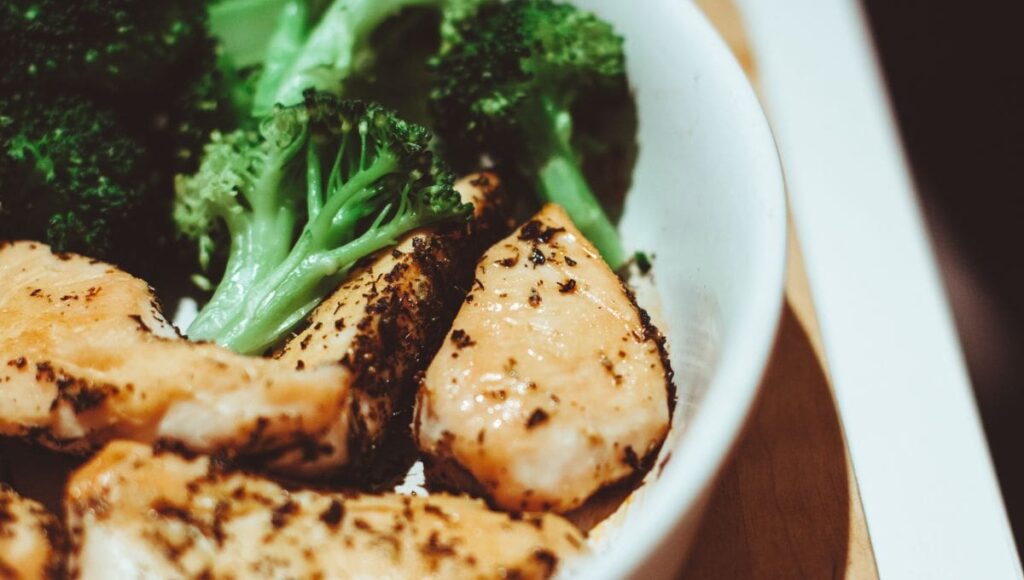
Choose protein sources you enjoy and can eat regularly. Eggs, Greek yogurt, cottage cheese, chicken, turkey, fish, lean beef, tofu, tempeh, beans, lentils, and protein shakes can all help. Spreading protein across meals can also make it easier to hit your daily intake without relying on one huge dinner.
3. Lift Weights and Keep Trying to Get Stronger
Resistance training is essential when you want your abs to show through. It helps preserve lean mass during a calorie deficit and gives your body a more muscular shape as fat comes off. It also builds your abs directly when you include exercises that challenge them progressively.
You do not need a complex program. Focus on big movements such as squats, presses, rows, deadlifts, lunges, pull ups, and loaded carries. These exercises train large amounts of muscle and demand that your trunk resists movement under load. Then add direct abdominal work such as cable crunches, hanging knee raises, reverse crunches, ab wheel rollouts, and weighted planks.
Research shows that resistance training can reduce body fat and improve body composition, particularly when it is combined with dietary changes. Keep the weights challenging, use controlled technique, and try to add repetitions, load, or better control over time. Abs are muscles, so they respond to progressive overload just like your chest, back, and legs.
4. Train Your Abs, but Do Not Expect Spot Reduction
Direct ab training has a place in your program, but it should not be confused with a belly fat loss method. One study found that six weeks of abdominal exercise alone improved muscular endurance without producing meaningful reductions in abdominal fat or waist circumference.
Pull-Ups vs Rows – Which Build a Better Back for Beginners?
That does not make core training pointless. Strong, well developed abs can look more defined once body fat decreases. They also contribute to trunk stiffness and control during lifting, running, jumping, carrying, and sport. The best approach is to train them two or three times per week with exercises that cover spinal flexion, anti extension, anti rotation, and hip flexion.
Pick a small number of movements and improve them. For example, you might use cable crunches, ab wheel rollouts, hanging knee raises, and suitcase carries. Keep the movements controlled and avoid turning each repetition into a swing or a rush. Your abs should do the work rather than momentum.
5. Walk More Every Day
Walking is one of the simplest tools for increasing daily energy expenditure without adding excessive fatigue. It is low impact, accessible, and much easier to recover from than hard cardio sessions. This matters because fat loss depends on what you can repeat week after week.
Daily movement outside formal exercise is often called nonexercise activity thermogenesis. It includes walking, standing, household tasks, and other normal movement. Research suggests differences in this type of activity can meaningfully affect total daily energy expenditure and may help explain why some people maintain their weight more easily than others.

A daily walk can also help you manage stress, clear your head, and create a healthy routine around meals. Start with a realistic target. If you currently average a low number of steps, add a short walk after breakfast, lunch, or dinner and build from there. The best step target is one you can maintain consistently, then gradually improve.
6. Use Cardio to Support Your Calorie Deficit
Cardio is not mandatory for fat loss, but it is a useful tool. Aerobic exercise increases energy expenditure, improves cardiovascular fitness, and can help reduce visceral fat, which is the fat stored around internal organs in the abdominal area. Visceral fat is particularly important for health because higher levels are associated with greater cardiometabolic risk.
Both moderate continuous cardio and higher intensity interval training can improve body composition. The best option is usually the one you enjoy enough to perform regularly. Brisk walking, running, cycling, rowing, swimming, incline treadmill sessions, and fitness classes can all work.
Do not make the mistake of using cardio to justify an uncontrolled diet. Exercise supports fat loss, but it is easy to eat back the calories you burn if you become less active later in the day or reward yourself with large portions. Use cardio alongside a sensible nutrition plan and strength training, not as a punishment for eating.
7. Eat More Fiber Rich Foods
Fiber rich foods can make a calorie deficit easier because they add volume and support fullness. Vegetables, fruit, beans, lentils, whole grains, potatoes, oats, and nuts can help you build meals that are satisfying without being excessively calorie dense.
Observational research has linked higher fiber intake with lower body weight and lower waist circumference. Soluble fiber may be especially useful because it forms a gel like substance in the digestive system, which can slow digestion and increase feelings of fullness. Fiber also supports gut health and helps many people maintain more regular digestion.
Increase fiber gradually and drink enough fluids, particularly if your current diet is low in plant foods. A sudden major increase can cause digestive discomfort. Instead, add fruit to breakfast, include vegetables at lunch and dinner, swap some refined grains for whole grains, and use beans or lentils in meals you already enjoy.
8. Reduce Liquid Calories and Limit Alcohol
Liquid calories are easy to overlook because they do not always create the same fullness as solid food. Sugary drinks, flavored coffees, juices, energy drinks, and large servings of alcohol can add substantial calories without making you feel satisfied.
Alcohol deserves particular attention if visible abs are your goal. It provides energy while offering little nutritional value, can lower food restraint, and may make high calorie snacks more appealing. Higher alcohol intake has also been associated with greater abdominal obesity in observational research, although many lifestyle factors can contribute to that relationship.
You do not necessarily need to avoid alcohol forever. However, reducing frequency, choosing smaller servings, and avoiding the habit of drinking without thinking can make a real difference. Make water, sparkling water, unsweetened tea, or black coffee your usual choices, then treat calorie containing drinks as deliberate additions rather than automatic habits.
9. Protect Your Sleep
Poor sleep can make fat loss much harder than it needs to be. When sleep is restricted, appetite regulation can suffer, food cravings often increase, and training quality may decline. You may also be less likely to walk, prepare meals, or make patient decisions when you are tired.
Experimental research has found that inadequate sleep during calorie restriction can reduce the proportion of weight lost from fat and increase the proportion lost from lean mass. Other research has linked short sleep duration with higher body weight and greater obesity risk.
Aim for a regular sleep schedule and give yourself enough time in bed to obtain around seven to nine hours on most nights. Keep your bedroom dark and cool, reduce late screen use if it disrupts your sleep, and avoid relying on late caffeine to compensate for chronic tiredness. Better sleep will not replace a calorie deficit, but it makes the rest of your plan more manageable.
10. Track Progress Beyond the Scale
The scale is useful, but it does not tell the whole story. Your body weight can fluctuate from water retention, carbohydrate intake, digestion, menstrual cycle changes, soreness, and salt intake. A single weigh in can be misleading, especially after a hard workout or a restaurant meal.
Track your progress with several measures. Weigh yourself under similar conditions several times per week and use the average. Measure your waist at the same point each time. Take progress photos in consistent lighting and clothing. Pay attention to gym performance, energy levels, sleep, and how your clothes fit.
Most importantly, give the process time. Belly fat is often stubborn because it is commonly one of the last areas to lean out, especially for men. Do not abandon a plan that is working because your midsection is changing more slowly than your arms or face. If your average body weight or waist measurement has not moved for several weeks, make a small adjustment to food intake, activity, or both.
The Bottom Line
Visible abs are the result of two connected goals: reducing overall body fat and developing the abdominal muscles underneath. You cannot crunch away belly fat from one specific area, but you can create the conditions that make steady fat loss more likely.
Eat enough protein, lift weights, train your abs with progression, walk more, use cardio intelligently, prioritize fiber rich foods, limit liquid calories, sleep well, and judge progress over weeks instead of days. The plan does not need to be extreme. It needs to be consistent enough to carry you from where you are now to a leaner, stronger version of yourself.
References
- Aljuraiban, G.S., Chan, Q., Griep, L.M.O., Steffen, L.M., Van Horn, L., Daviglus, M.E., Stamler, J. and Van Dam, R.M. (2015) ‘The impact of eating frequency and time of intake on nutrient quality and body mass index: The INTERMAP Study’, Public Health Nutrition, 18(2), pp. 332 to 341.
- Barton, B.A., Eldridge, A.L., Thompson, D., Affenito, S.G., Striegel Moore, R.H., Franko, D.L. and Albertson, A.M. (2005) ‘The relationship of breakfast and cereal consumption to nutrient intake and body mass index: The National Heart, Lung, and Blood Institute Growth and Health Study’, Journal of the American Dietetic Association, 105(9), pp. 1383 to 1389.
- Chang, Y.H., Song, Y., Chen, C. and Li, H. (2021) ‘Dietary fiber intake and risk of obesity: A systematic review and meta analysis’, Frontiers in Nutrition, 8, 650337.
- Donnelly, J.E., Blair, S.N., Jakicic, J.M., Manore, M.M., Rankin, J.W. and Smith, B.K. (2009) ‘Appropriate physical activity intervention strategies for weight loss and prevention of weight regain for adults’, Medicine and Science in Sports and Exercise, 41(2), pp. 459 to 471.
- Hall, K.D. and Kahan, S. (2018) ‘Maintenance of lost weight and long term management of obesity’, Medical Clinics of North America, 102(1), pp. 183 to 197.
- Keating, S.E., Johnson, N.A., Mielke, G.I. and Coombes, J.S. (2017) ‘A systematic review and meta analysis of interval training versus moderate intensity continuous training on body adiposity’, Obesity Reviews, 18(8), pp. 943 to 964.
- Kim, Y., Kim, H., Lee, E., Lee, H. and Ploutz Snyder, L. (2011) ‘Effects of abdominal exercise on abdominal fat’, Journal of Strength and Conditioning Research, 25(9), pp. 2559 to 2564.
- Krieger, J.W., Sitren, H.S., Daniels, M.J. and Langkamp Henken, B. (2006) ‘Effects of variation in protein and carbohydrate intake on body mass and composition during energy restriction: A meta regression’, The American Journal of Clinical Nutrition, 83(2), pp. 260 to 274.
- Morton, R.W., Murphy, K.T., McKellar, S.R., Schoenfeld, B.J., Henselmans, M., Helms, E., Aragon, A.A., Devries, M.C., Banfield, L., Krieger, J.W. and Phillips, S.M. (2018) ‘A systematic review, meta analysis and meta regression of the effect of protein supplementation on resistance training induced gains in muscle mass and strength in healthy adults’, British Journal of Sports Medicine, 52(6), pp. 376 to 384.
- Nedeltcheva, A.V., Kilkus, J.M., Imperial, J., Schoeller, D.A. and Penev, P.D. (2010) ‘Insufficient sleep undermines dietary efforts to reduce adiposity’, Annals of Internal Medicine, 153(7), pp. 435 to 441.
- Slentz, C.A., Aiken, L.B., Houmard, J.A., Bales, C.W., Johnson, J.L., Tanner, C.J., Duscha, B.D., Kraus, W.E. (2005) ‘Inactivity, exercise, and visceral fat’, Journal of Applied Physiology, 99(1), pp. 10 to 18.
- Strasser, B. and Schobersberger, W. (2011) ‘Evidence for resistance training as a treatment therapy in obesity’, Journal of Obesity, 2011, 482564.
- Swift, D.L., McGee, J.E., Earnest, C.P., Carlisle, E., Nygard, M. and Johannsen, N.M. (2018) ‘The effects of exercise and physical activity on weight loss and maintenance’, Progress in Cardiovascular Diseases, 61(2), pp. 206 to 213.
- Tremblay, M.S., Colley, R.C., Saunders, T.J., Healy, G.N. and Owen, N. (2010) ‘Physiological and health implications of a sedentary lifestyle’, Applied Physiology, Nutrition, and Metabolism, 35(6), pp. 725 to 740.
- Yeomans, M.R. (2010) ‘Alcohol, appetite and energy balance: Is alcohol intake a risk factor for obesity?’, Physiology and Behavior, 100(1), pp. 82 to 89.
Key Takeaways
| Focus | What to do | Why it matters |
|---|---|---|
| Calorie intake | Use a modest calorie deficit you can maintain | Fat loss requires a sustained energy deficit |
| Protein | Eat protein at each meal | It supports fullness and helps preserve muscle |
| Strength training | Train your whole body and progress over time | It helps maintain muscle and improves body composition |
| Direct ab work | Train your abs two or three times weekly | Stronger and larger abs are more visible when body fat drops |
| Daily movement | Walk more and increase regular activity | It raises daily energy expenditure with low recovery cost |
| Cardio | Use regular cardio that you enjoy | It supports calorie expenditure and cardiovascular fitness |
| Food quality | Prioritize fiber rich whole foods | They can improve fullness and make dieting easier |
| Drinks | Reduce liquid calories and alcohol | They can add calories without much fullness |
| Sleep | Aim for consistent, sufficient sleep | Better sleep supports appetite control and lean mass retention |
| Tracking | Monitor weight trends, waist size, photos, and performance | Multiple measures show progress more reliably than one weigh in |