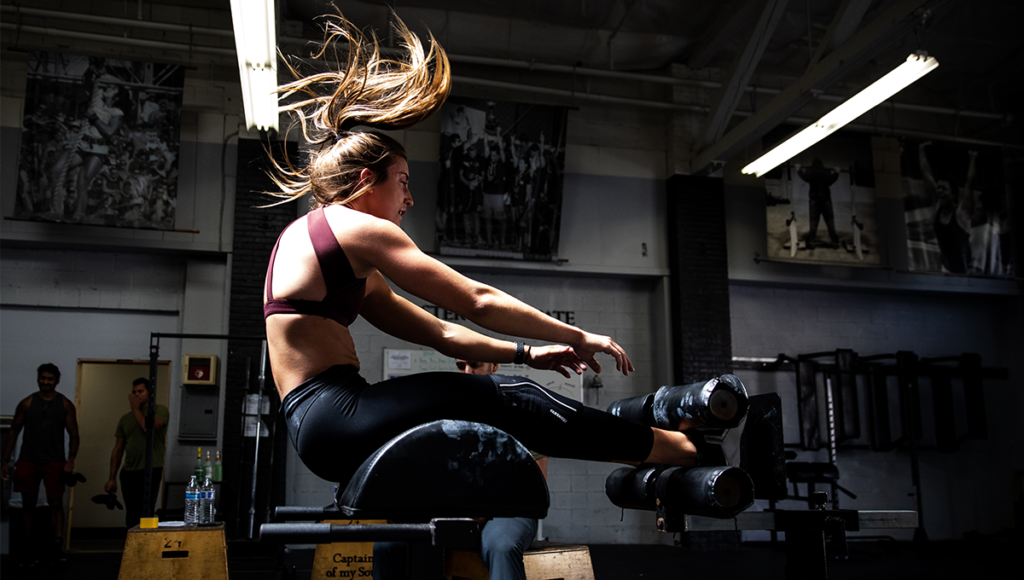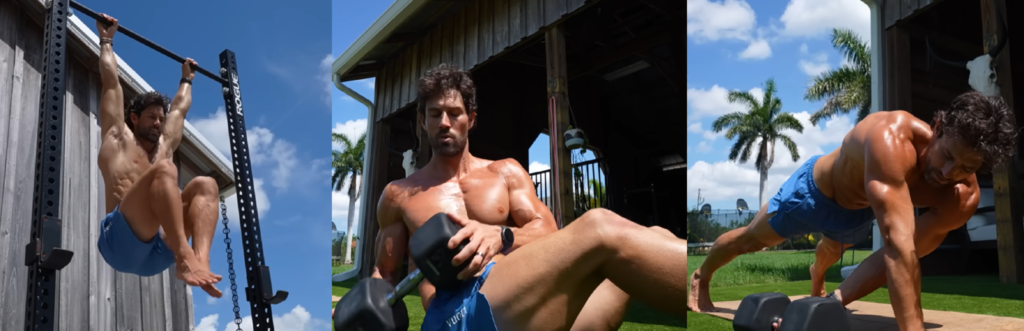


The lower portion of the rectus abdominis—commonly referred to as the “lower abs”—is notoriously hard to target and train. Although anatomically inseparable from the upper portion of the muscle, the lower abs can be preferentially activated by specific movement patterns. A strong lower abdominal region contributes to core stability, posture, athletic performance, and injury prevention, particularly in the lumbar spine and pelvis.
This article identifies the three most effective exercises for sculpting stronger lower abs, backed by current research. Each movement has been selected based on its ability to increase activation of the lower abdominal region while minimizing risk to the spine and hip flexors. We’ll also explore the biomechanical rationale behind each exercise and provide practical guidance for safe, progressive implementation.


Understanding Lower Abdominal Activation
Anatomy of the Rectus Abdominis
The rectus abdominis is a paired muscle running vertically along the front of the abdomen. It originates from the pubic symphysis and pubic crest and inserts into the xiphoid process and the costal cartilages of the 5th–7th ribs. Although often divided aesthetically into “upper” and “lower” sections by tendinous intersections, it functions as a single muscle. However, regional activation patterns do differ depending on movement mechanics and joint angles.
Studies using surface electromyography (sEMG) have confirmed that lower rectus abdominis activation increases with posterior pelvic tilt and lower-limb movement, as opposed to upper trunk flexion which more heavily recruits the upper section (Sarti et al., 2006).
Challenges in Targeting the Lower Abs
One major challenge in lower ab training is isolating the rectus abdominis from the hip flexors, particularly the iliopsoas, which can dominate when exercises involve leg elevation. Excessive hip flexor activation may reduce abdominal engagement and increase lumbar strain. Therefore, exercises that promote posterior pelvic tilt and maintain spinal flexion tend to better isolate the target region.
Exercise #1: Reverse Crunch
Biomechanical Rationale
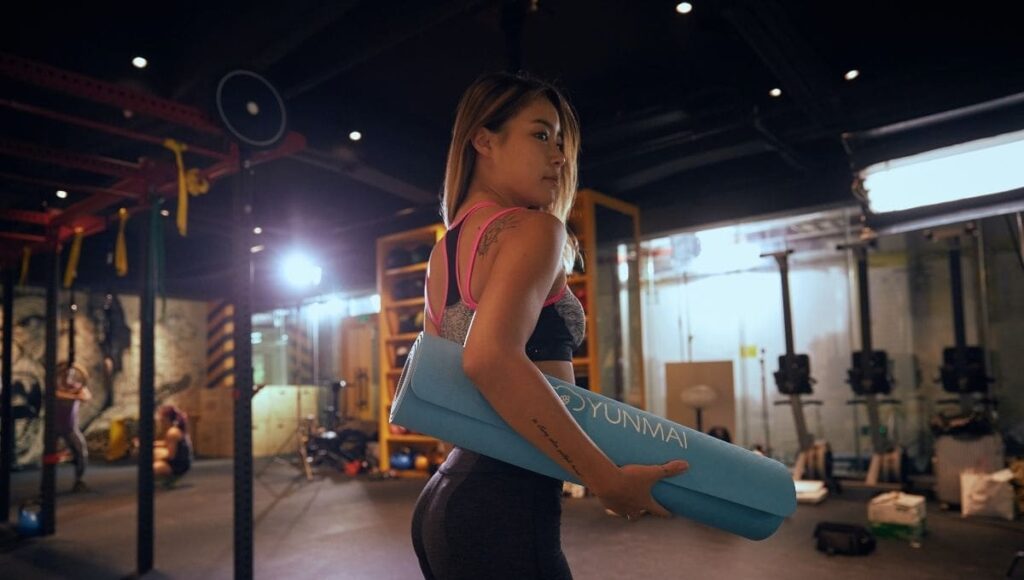
The reverse crunch is a fundamental bodyweight exercise that places the spine in a flexed position while moving the lower body toward the torso. Unlike traditional crunches, which initiate from the shoulders, reverse crunches begin from the hips, enhancing activation of the lower abdominal fibers.
Execution
- Lie on your back with arms by your sides and knees bent at 90 degrees.
- Engage your core and lift your hips off the floor, curling your pelvis toward your chest.
- Control the descent and return to the starting position without letting your feet touch the ground.
Why It Works
A study by Escamilla et al. (2010) found that the reverse crunch generated significantly higher lower rectus abdominis activation compared to the traditional crunch. The curling motion involves posterior pelvic tilt and reduces hip flexor dominance, making it ideal for focused abdominal work.
Programming
Perform 3–4 sets of 12–15 reps with a slow tempo (2 seconds up, 3 seconds down). Ensure no momentum is used and all movement is generated from the core.
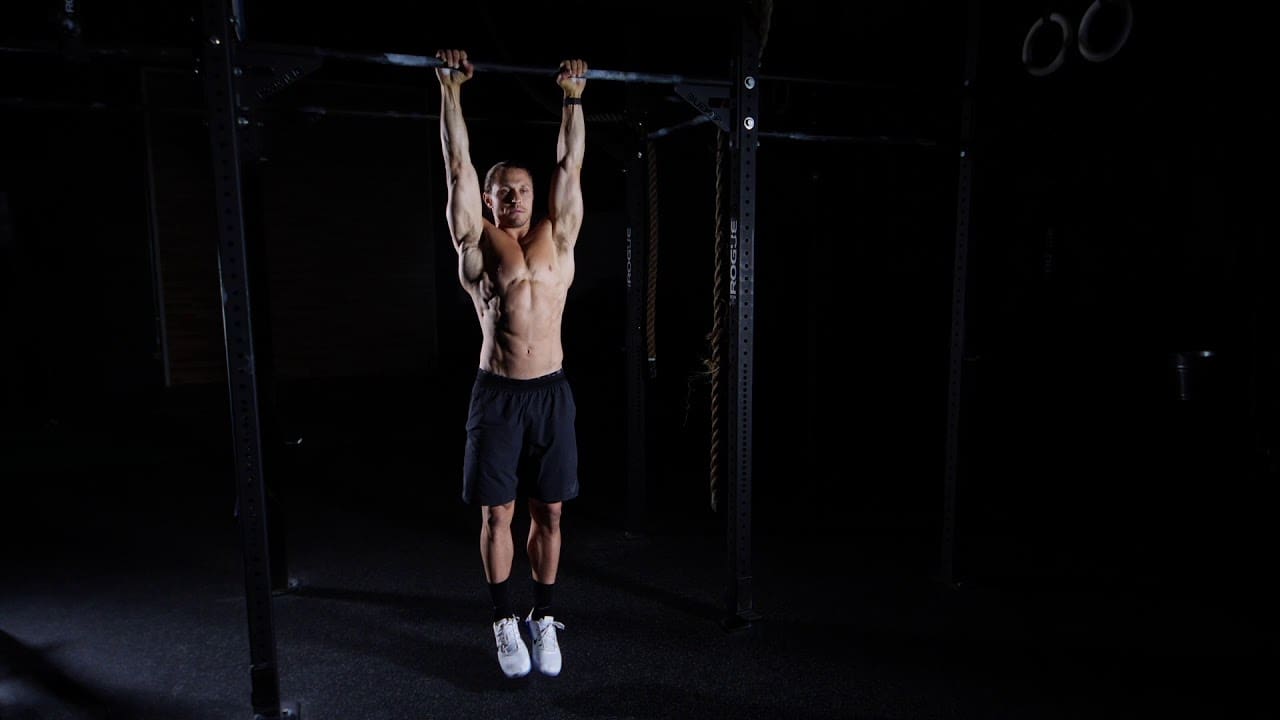
Exercise #2: Hanging Leg Raise (with Posterior Pelvic Tilt)
Biomechanical Rationale
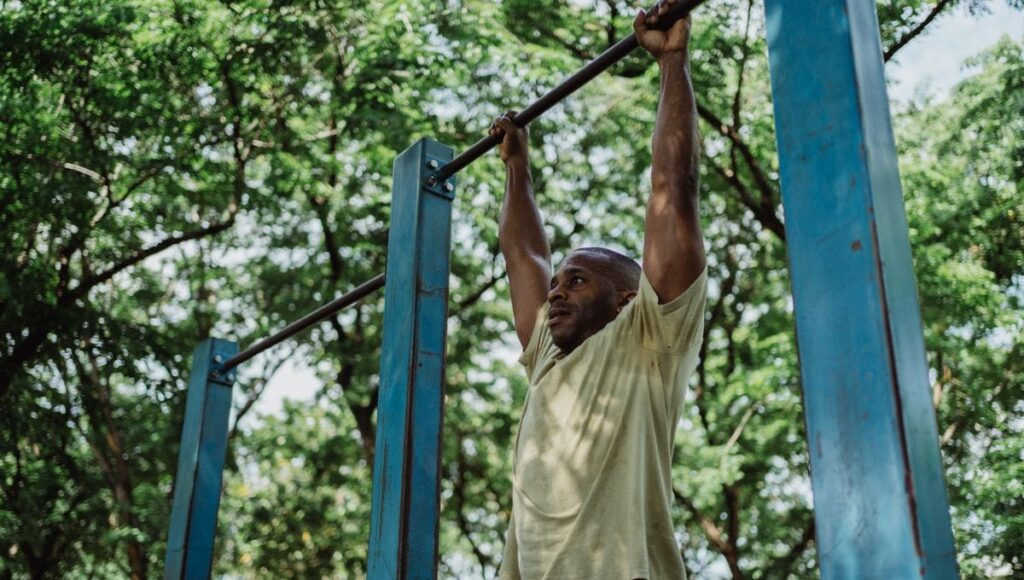
The hanging leg raise is often considered the gold standard for lower ab development. However, proper form is critical. Many athletes perform this movement by swinging their legs up with momentum, leading to overactivation of the hip flexors and lumbar hyperextension. By emphasizing posterior pelvic tilt at the top of the movement, the abs—particularly the lower fibers—are engaged more deeply.
Execution
- Hang from a pull-up bar with arms shoulder-width apart and legs extended.
- Initiate the movement by tilting the pelvis backward as you raise your legs.
- Continue to lift until your thighs are parallel to the floor or higher, without swinging.
- Slowly lower back to the starting position.
Why It Works
According to a study by Youdas et al. (2008), leg raises performed with lumbar flexion led to significantly greater lower rectus abdominis activation than those done with a neutral or extended spine. Furthermore, research by Park et al. (2014) confirmed that posterior pelvic tilt during hanging leg raises reduces hip flexor dominance, enabling the lower abs to contribute more effectively.
Programming
Start with bent-knee raises if straight-leg versions are too challenging. Perform 3 sets of 8–12 reps, focusing on slow, controlled movement and maximum pelvic tilt.
Exercise #3: RKC Plank (Hardstyle Plank)
Biomechanical Rationale
While not a dynamic movement like the previous two, the RKC (Russian Kettlebell Challenge) plank is an isometric exercise that generates extremely high intra-abdominal pressure. The key difference between this and a standard plank is the total-body tension, which increases motor unit recruitment, especially in the lower abs.
Execution
- Assume a forearm plank position with elbows under shoulders and feet shoulder-width apart.
- Actively contract your glutes, quads, and abs.
- Pull your elbows and toes toward each other (without actual movement), creating tension throughout your core.
- Tuck your pelvis to induce a posterior pelvic tilt, flattening the lumbar curve.
Why It Works
Research by Schoenfeld et al. (2014) found that increasing internal tension during isometric core exercises leads to elevated rectus abdominis activation. The RKC plank requires maximal effort, driving enhanced recruitment of the lower abs via sustained pelvic tilt and abdominal bracing. Additionally, it’s joint-friendly and can be scaled based on time under tension.
Programming
Hold for 10–20 seconds at a time with maximal tension. Complete 3–5 rounds with 30–60 seconds rest between holds.
Progressive Overload and Exercise Selection

Strategic Exercise Cycling
While each of the three exercises effectively targets the lower abs, no single movement is sufficient for long-term progress. Rotating exercises every 3–4 weeks can prevent plateaus and overuse. For example, begin with reverse crunches to build control, move to RKC planks for bracing strength, and graduate to hanging leg raises for dynamic resistance.
Load and Volume Adjustments
For continued adaptation, apply the principles of progressive overload. In the case of reverse crunches, add ankle weights or perform the movement on an incline. For hanging leg raises, work toward straight-leg variations or use a medicine ball between the ankles. With RKC planks, extend the hold duration or reduce rest intervals.
Frequency and Recovery
Abdominal muscles, like all others, require recovery for growth and performance improvements. Training the lower abs 2–3 times per week with adequate rest between sessions allows for both hypertrophy and neuromuscular adaptation. Overtraining can lead to compensation patterns and diminish performance.
Avoiding Common Mistakes
Excessive Hip Flexor Recruitment
Allowing the hip flexors to dominate can reduce abdominal recruitment and stress the lower back. Exercises must emphasize spinal flexion and posterior pelvic tilt to effectively load the lower abs. Movement should be slow and deliberate, avoiding momentum.
Poor Spinal Positioning
Many lower ab exercises are compromised by lumbar hyperextension. Maintaining a neutral or slightly flexed spine ensures abdominal dominance and protects the spine. Using tactile feedback, such as pressing the lower back into the floor during supine movements, can help improve technique.
Neglecting Tension and Bracing
Without deliberate core engagement, even the best exercises become ineffective. Proper bracing, controlled breathing, and intentional movement execution are essential. Exercises like the RKC plank teach athletes how to generate full-body tension, which carries over to compound lifts and athletic tasks.
Integrating Lower Ab Work into Training

Warm-Up vs. Finisher
Incorporating lower ab training into your warm-up can prime the core for compound lifts. For instance, performing RKC planks before squats enhances lumbopelvic stability. Alternatively, using exercises like hanging leg raises as a finisher ensures the core is challenged when fatigued, mimicking sport-specific demands.
Pairing with Other Movements
Combine lower ab work with anti-rotational or lateral movements (e.g., Pallof presses, side planks) for a complete core routine. This holistic approach addresses all planes of motion and improves overall athletic function.
Conclusion
Building stronger lower abs requires more than just high-rep crunches. It demands precision, control, and thoughtful programming. The reverse crunch, hanging leg raise with posterior pelvic tilt, and RKC plank represent the pinnacle of lower abdominal training when executed with biomechanical integrity. By understanding muscle activation patterns and applying principles of progressive overload, athletes can develop a resilient, functional, and aesthetically impressive core.
References
Escamilla, R.F., McTaggart, M.S., Fricklas, E.J., DeWitt, R., Kelleher, P., Taylor, M.K., Hreljac, A. and Moorman, C.T., 2010. An electromyographic analysis of commercial and common abdominal exercises: implications for rehabilitation and training. The Journal of Orthopaedic and Sports Physical Therapy, 40(5), pp.265–276.
Park, K.N., Cynn, H.S., Choi, S.A., Kim, M.G., Kwon, O.Y. and Yoon, T.L., 2014. Effects of a posterior pelvic tilt taping on pelvic inclination, muscle activity of the trunk, and lower extremities during active straight leg raising in subjects with lumbar hyperlordosis. Journal of Electromyography and Kinesiology, 24(5), pp.742–748.
Sarti, M.A., Monfort, M., Fuster, M.A. and Villaplana, L.A., 2006. Muscle activity in upper and lower rectus abdominis during abdominal exercises. Archives of Physical Medicine and Rehabilitation, 87(6), pp.923–927.
Schoenfeld, B.J., Contreras, B., Vigotsky, A.D., Ogborn, D. and Peterson, M., 2014. Differential effects of heavy versus moderate loads on measures of strength and hypertrophy in resistance-trained men. Journal of Sports Science and Medicine, 13(3), pp.586–593.
Youdas, J.W., Amundson, C.L., Cicero, K.S., Hahn, J.J., Harezlak, D.T. and Hollman, J.H., 2008. Surface electromyographic activation patterns and elbow joint motion during a pull-up, chin-up, or perfect-pullup™ rotational exercise. Journal of Strength and Conditioning Research, 24(12), pp.3404–3414.