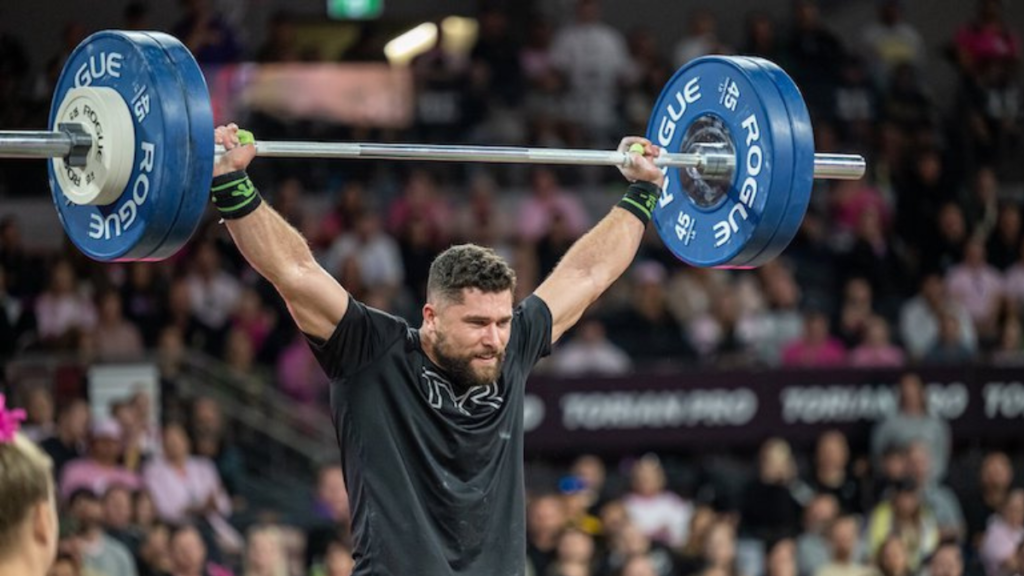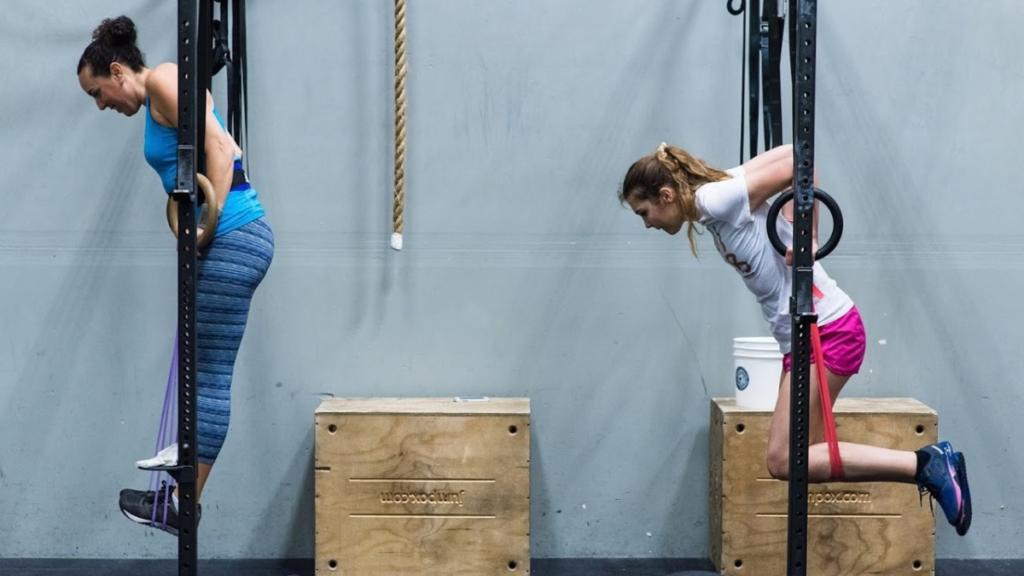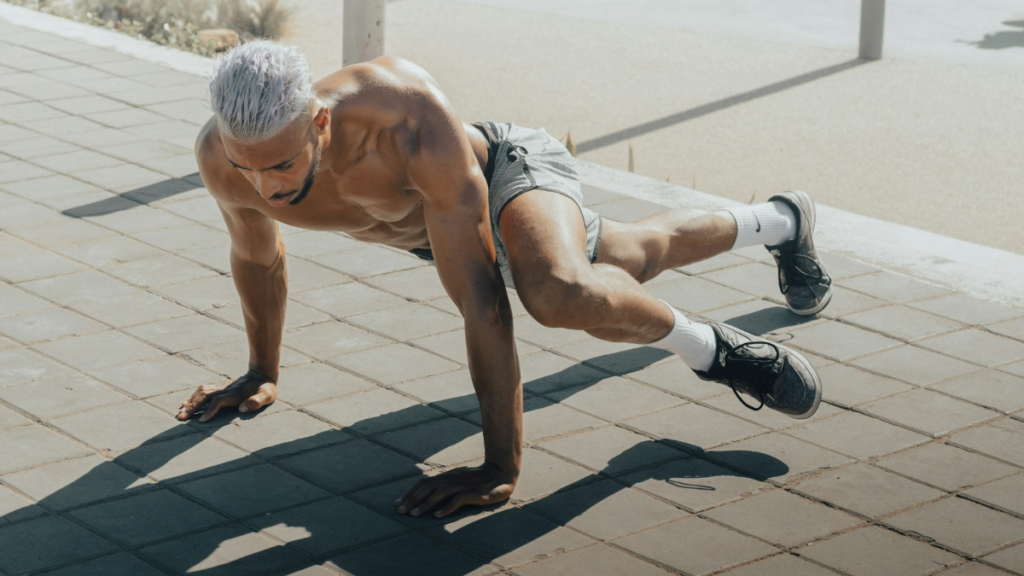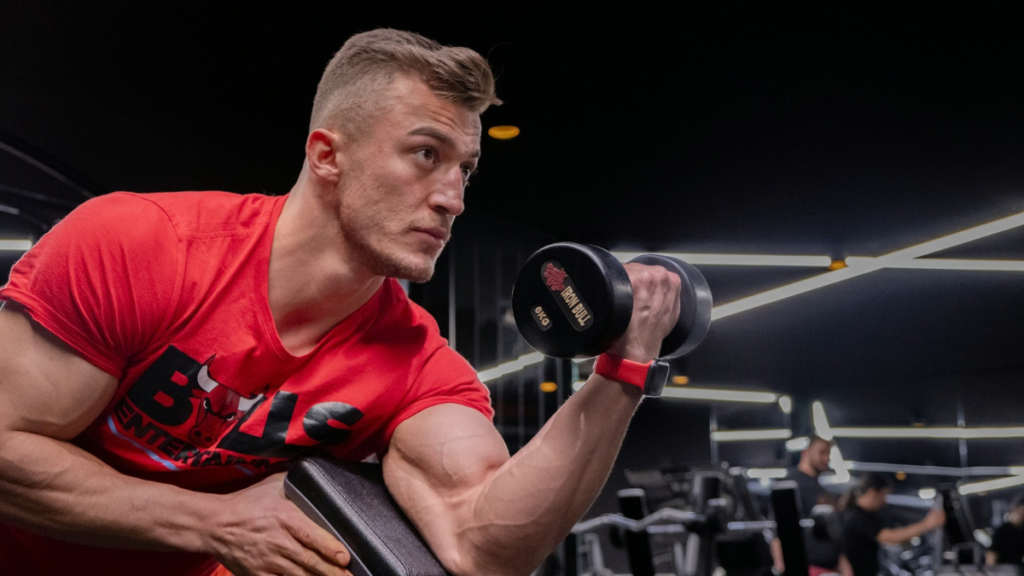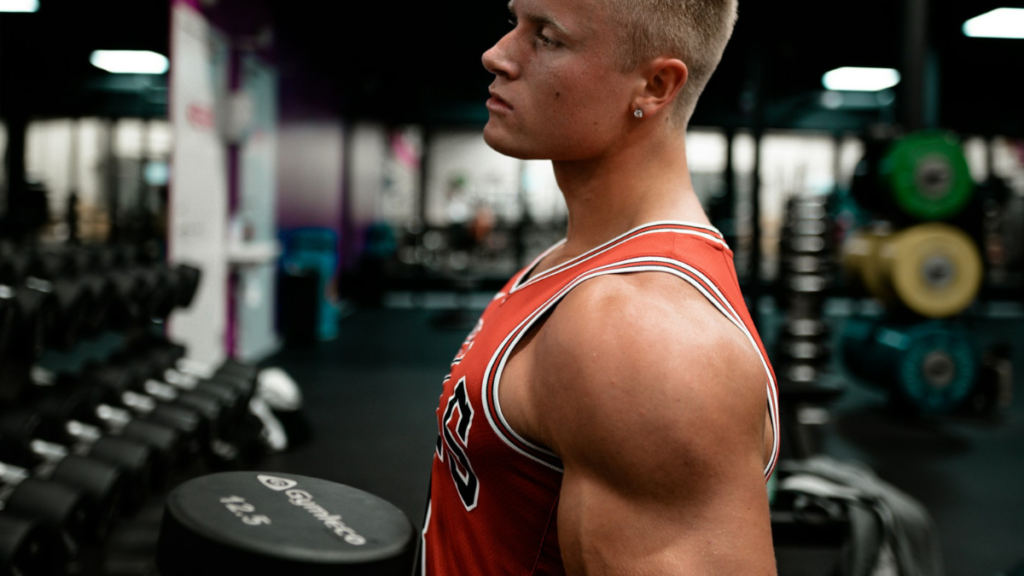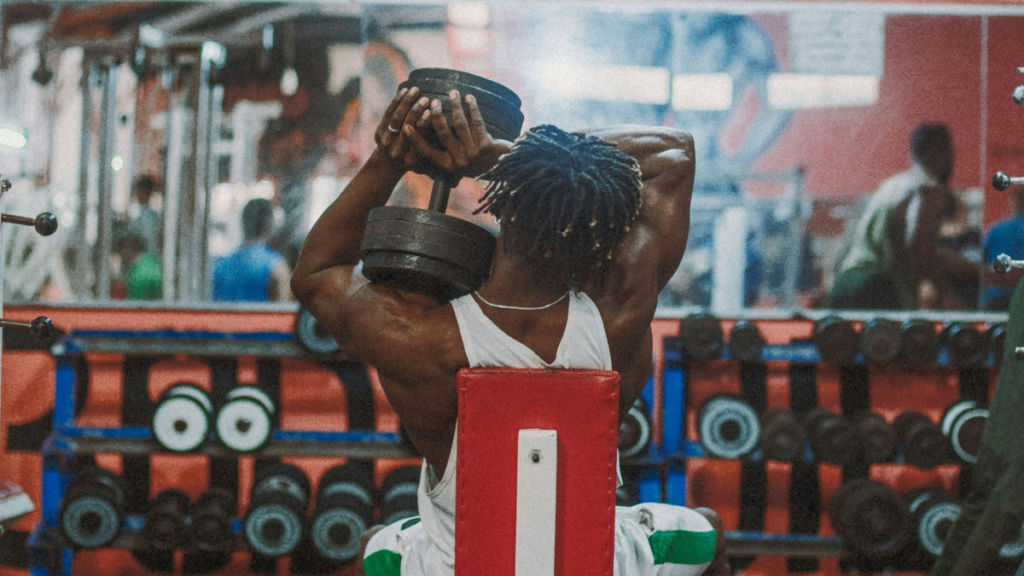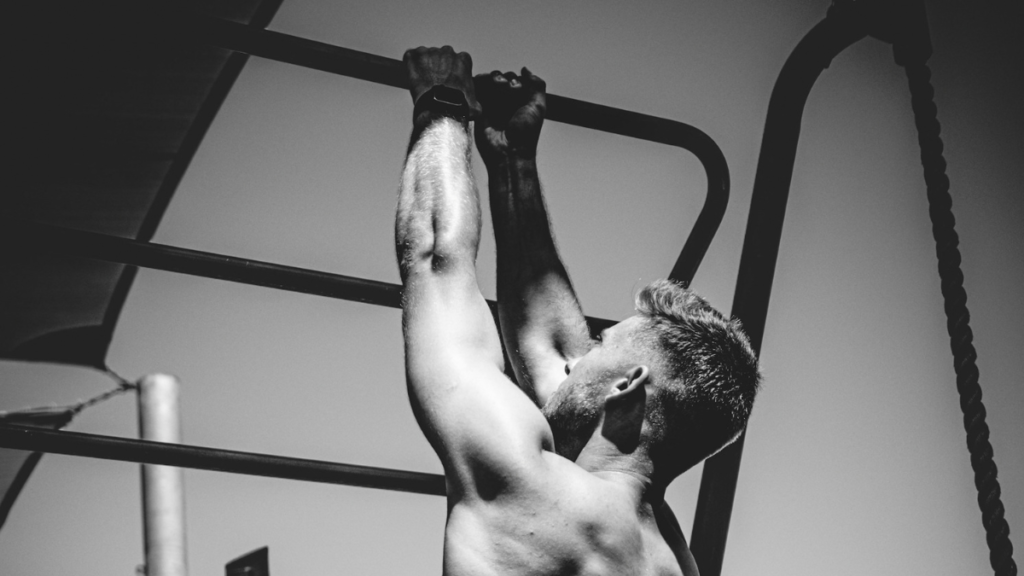


Low-impact training has a reputation problem. For decades, it has been framed as a compromise: something you do when you are injured, older, or “not ready” for real training. Strength, in contrast, is often associated with heavy barbells, jumping, sprinting, and grinding repetitions under high loads.
Science does not support that simplistic divide.


Strength is not defined by how much noise a workout makes or how hard it looks. Strength is the result of mechanical tension on muscle, progressive overload, and neural adaptation. None of those require high impact. What they require is appropriate resistance, sufficient volume, and consistent progression.
Low-impact workouts reduce stress on joints by minimizing ground reaction forces and abrupt deceleration. They do not eliminate muscular effort. When programmed correctly, they can increase muscle cross-sectional area, improve force production, and preserve connective tissue health.
This matters for athletes, recreational trainees, and everyday people alike. Joint injuries, overuse pain, and recovery limitations are common. Low-impact strength training allows people to train hard without constantly flirting with breakdown.
This article breaks down three low-impact workouts that are strongly supported by research as effective tools for building strength. Each section explains how the method works, why it builds strength, and what the science actually shows.
What “Low-Impact” Really Means in Strength Training
Low-impact does not mean low intensity. It refers to reduced external impact forces, especially those transmitted through the feet, knees, hips, and spine.
Impact is primarily created by:
• Jumping and landing
• Running and sprinting
• Rapid changes of direction
• Ballistic movements with deceleration
A squat performed under control can be low-impact. A jump squat is not. Cycling is low-impact even at very high effort. Swimming produces almost no joint impact despite high muscular demand.
Importantly, muscle fibers respond to tension, not impact. Mechanical tension is the primary driver of hypertrophy and strength adaptations. Studies consistently show that muscle activation and force production depend on resistance and contraction quality rather than impact forces (Schoenfeld, 2010).
With that foundation in place, let’s look at three low-impact workouts that still deliver real strength gains.
1. Swimming-Based Resistance Training
Swimming is often dismissed as “just cardio,” but this ignores the physics of water and the way muscles work against fluid resistance.
Why Swimming Is Low-Impact but High-Resistance
Water provides resistance in every direction. Unlike gravity-based training, resistance increases with speed and surface area. The faster and harder you move, the greater the load on the muscles.
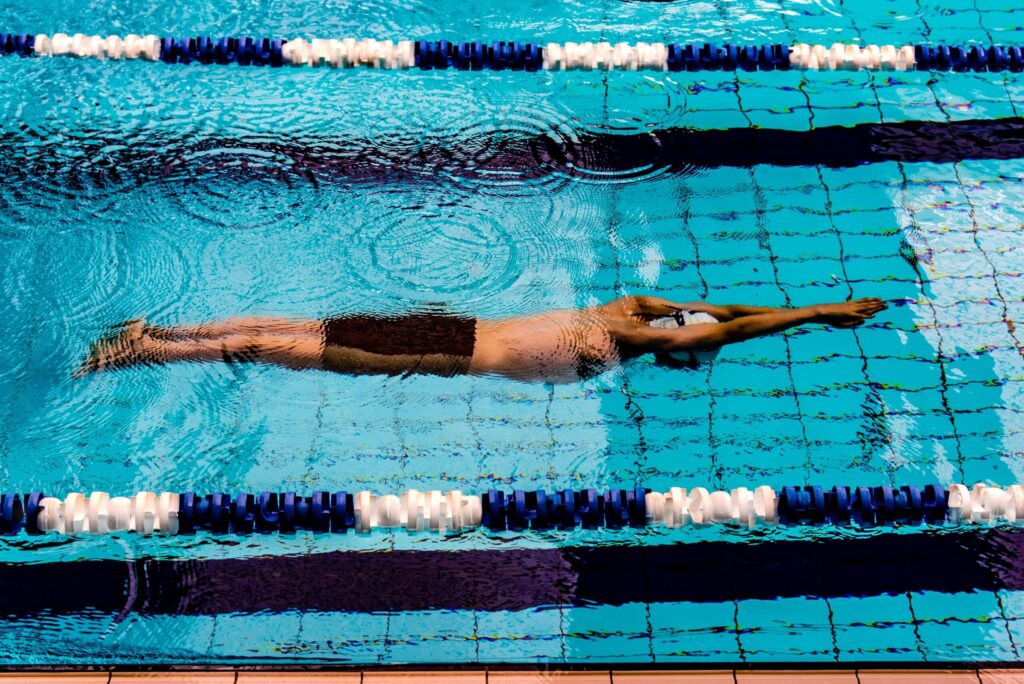
At the same time, buoyancy dramatically reduces compressive forces on joints. Research shows that water immersion reduces effective body weight by up to 90 percent depending on depth (Harrison et al., 1992). This makes swimming and aquatic training uniquely joint-friendly.
Muscles still work hard. Electromyography (EMG) studies show high activation of the latissimus dorsi, deltoids, pectorals, gluteals, and quadriceps during swimming strokes, particularly freestyle and butterfly (Pink et al., 1991).
Strength Gains From Swimming: What the Research Shows
Competitive swimmers develop significant upper body and core strength despite rarely lifting heavy weights. Long-term swimming training has been shown to increase muscle cross-sectional area, particularly in the shoulders and back (Aspenes et al., 2009).
A controlled study comparing swimmers and non-swimmers found significantly greater shoulder internal rotation strength and trunk endurance in swimmers, attributed to repeated high-force contractions against water resistance (McMaster et al., 1998).
Importantly, swimming can produce strength gains when intensity is sufficient. Studies on aquatic resistance training using paddles, fins, and drag equipment show improvements in maximal strength and power comparable to land-based resistance training in certain populations (Colado et al., 2010).
How Swimming Builds Strength Without Impact
Swimming builds strength through:
• Continuous concentric muscle contractions
• High time under tension
• Resistance that scales with effort
• Reduced eccentric joint stress
Eccentric loading is often associated with muscle damage and soreness. Swimming emphasizes concentric and isometric actions, which still stimulate hypertrophy but with less muscle damage (Proske and Morgan, 2001).
This makes swimming particularly valuable during rehabilitation phases or high-volume training blocks.
Best Swimming Styles for Strength Development
Not all swimming strokes stress the body equally.
Freestyle and butterfly place high demands on:
• Lats
• Shoulders
• Core stabilizers
Breaststroke increases activation of:
• Adductors
• Glutes
• Hip extensors
Backstroke emphasizes:
• Posterior shoulders
• Upper back
Adding resistance tools such as hand paddles, drag shorts, or resistance bands anchored poolside further increases strength stimulus without adding impact.
Who Benefits Most From Swimming-Based Strength Training
Swimming-based strength work is especially effective for:
• Athletes recovering from lower-body injuries
• Older adults with joint degeneration
• Overweight individuals with joint pain
• Endurance athletes needing upper-body strength
The research consistently shows improvements in strength, muscular endurance, and joint health when swimming is used strategically rather than casually.
2. Cycling and Stationary Bike Strength Protocols
Cycling is another activity often misunderstood as purely aerobic. In reality, high-resistance cycling places substantial loads on the lower body.
Why Cycling Is Truly Low-Impact
Unlike running, cycling produces minimal ground reaction force. The feet remain in contact with pedals, and there is no impact phase.

Biomechanical studies show that peak joint forces at the knee and hip during cycling are significantly lower than during running or jumping tasks (Ericson and Nisell, 1986). Yet muscular force output remains high.
Muscle Activation and Force Production in Cycling
Pedaling against resistance requires forceful knee extension, hip extension, and ankle plantarflexion. EMG studies show high activation of:
• Quadriceps
• Gluteus maximus
• Hamstrings
• Calf muscles
As resistance increases, muscle activation rises accordingly (Dorel et al., 2005).
Heavy cycling, particularly at low cadence and high resistance, mimics the force demands of resistance training.
Evidence That Cycling Can Increase Strength
Multiple studies show that resistance cycling improves muscular strength, not just endurance.
A randomized controlled trial found that high-load cycling improved maximal leg strength and muscle thickness in untrained adults, even without traditional weight training (Rønnestad et al., 2015).
Another study showed significant increases in quadriceps cross-sectional area and maximal voluntary contraction after 12 weeks of heavy cycling intervals (Hansen et al., 2012).
These adaptations are driven by mechanical tension and motor unit recruitment, the same mechanisms responsible for strength gains in weightlifting.
The Role of Cadence and Resistance
Strength gains from cycling depend on how it is performed.
Low cadence (40–60 RPM) combined with high resistance increases torque demand on the muscles. This leads to greater recruitment of fast-twitch motor units, which are most responsible for strength and hypertrophy (Sale, 1988).
High-cadence cycling with low resistance primarily trains cardiovascular capacity and muscular endurance, not maximal strength.
Stationary Bikes vs Outdoor Cycling
Stationary bikes offer advantages for strength-focused cycling:
• Precise resistance control
• Stable posture
• Consistent force application
Research shows similar muscle activation patterns between indoor and outdoor cycling, but stationary bikes allow more targeted overload (Bini et al., 2014).
This makes them ideal for structured strength sessions.
Who Should Use Cycling for Strength
Cycling-based strength training is particularly effective for:
• Individuals with knee or ankle impact sensitivity
• Runners needing joint relief
• Older adults preserving leg strength
• Athletes in-season managing fatigue
Because it produces less muscle damage than eccentric-heavy lifting, cycling allows frequent training with lower recovery cost (Peake et al., 2005).
3. Pilates and Controlled Bodyweight Resistance
Pilates is often associated with flexibility and posture, but research increasingly shows it can significantly improve strength when performed with sufficient intensity.
What Makes Pilates Low-Impact
Pilates emphasizes controlled, deliberate movement with minimal external loading and no jumping. Exercises are performed on mats or apparatus that support the body.

Joint compression and shear forces are low, but muscular demand can be high due to long lever arms, unstable positions, and sustained contractions.
Muscle Activation in Pilates Exercises
EMG studies demonstrate substantial activation of:
• Deep core musculature
• Gluteals
• Hip stabilizers
• Spinal extensors
Exercises like the plank, leg circles, and side kicks produce muscle activation levels comparable to traditional resistance exercises when performed correctly (Ekstrom et al., 2007).
Strength Improvements From Pilates: The Evidence
Multiple controlled trials show that Pilates training increases muscular strength and endurance.
A systematic review found consistent improvements in core strength, hip strength, and functional performance following Pilates interventions lasting 8–12 weeks (Cruz-Ferreira et al., 2011).
Another study reported significant increases in abdominal muscle thickness and trunk flexion strength measured by dynamometry after Pilates training (Sekendiz et al., 2007).
Importantly, these gains occurred without external weights or high-impact movement.
Why Pilates Builds Strength Despite Low Load
Pilates uses several mechanisms known to stimulate strength adaptations:
• Long time under tension
• Isometric and slow concentric contractions
• High neuromuscular control demands
Slow movement increases motor unit recruitment and muscular fatigue, even at lower absolute loads (Tanimoto and Ishii, 2006).
The emphasis on alignment and stabilization also improves force transfer, making muscles more effective at producing usable strength.
Apparatus-Based Pilates and Resistance
Pilates reformers and resistance bands increase external load while maintaining low impact. Research shows that adding resistance springs significantly increases muscle activation without increasing joint stress (Queiroz et al., 2010).
This allows progressive overload, which is essential for continued strength gains.
Who Benefits Most From Pilates-Based Strength Training
Pilates is especially effective for:
• Individuals with chronic back pain
• Athletes needing trunk stability
• Beginners building foundational strength
• People returning from injury
Clinical studies consistently show improvements in strength alongside reductions in pain and improved movement quality (Wells et al., 2014).
Why Low-Impact Strength Training Matters Long-Term
Strength training is not just about building muscle. It is about maintaining function, resilience, and independence.
High-impact training has benefits, but it also increases injury risk, especially when volume is high or technique degrades. Low-impact methods allow consistent training over long periods, which is ultimately more important for strength development than any single workout.
Research consistently shows that chronic joint stress and injury interrupt training consistency, limiting long-term strength gains (Hawkins and Fuller, 1999).
Low-impact workouts reduce that risk while still delivering the mechanical stimulus muscles need.
How to Apply These Methods Without Losing Progress
Low-impact does not mean easy. To build strength, you must still:
• Increase resistance over time
• Train near muscular fatigue
• Maintain proper technique
• Allow recovery
Swimming must be hard, not casual laps. Cycling must include high resistance. Pilates must be controlled and challenging.
When these conditions are met, low-impact training is not a compromise. It is a strategic choice supported by physiology and research.
References
• Aspenes, S.T. et al. (2009) ‘Muscle mass and strength in competitive swimmers’, European Journal of Applied Physiology, 106(3), pp. 389–395.
• Bini, R.R., Hume, P.A. and Croft, J.L. (2014) ‘Cycling biomechanics and injury prevention’, Sports Medicine, 44(2), pp. 123–134.
• Colado, J.C. et al. (2010) ‘Muscle activation during aquatic resistance exercises’, Journal of Strength and Conditioning Research, 24(8), pp. 2136–2142.
• Cruz-Ferreira, A. et al. (2011) ‘A systematic review of the effects of Pilates method of exercise in healthy people’, Archives of Physical Medicine and Rehabilitation, 92(12), pp. 2071–2081.
• Dorel, S. et al. (2005) ‘EMG activity and pedal force effectiveness during cycling’, Medicine and Science in Sports and Exercise, 37(6), pp. 1017–1025.
• Ekstrom, R.A., Donatelli, R.A. and Carp, K.C. (2007) ‘Electromyographic analysis of core trunk, hip, and thigh muscles during exercises’, Journal of Orthopaedic and Sports Physical Therapy, 37(12), pp. 754–762.