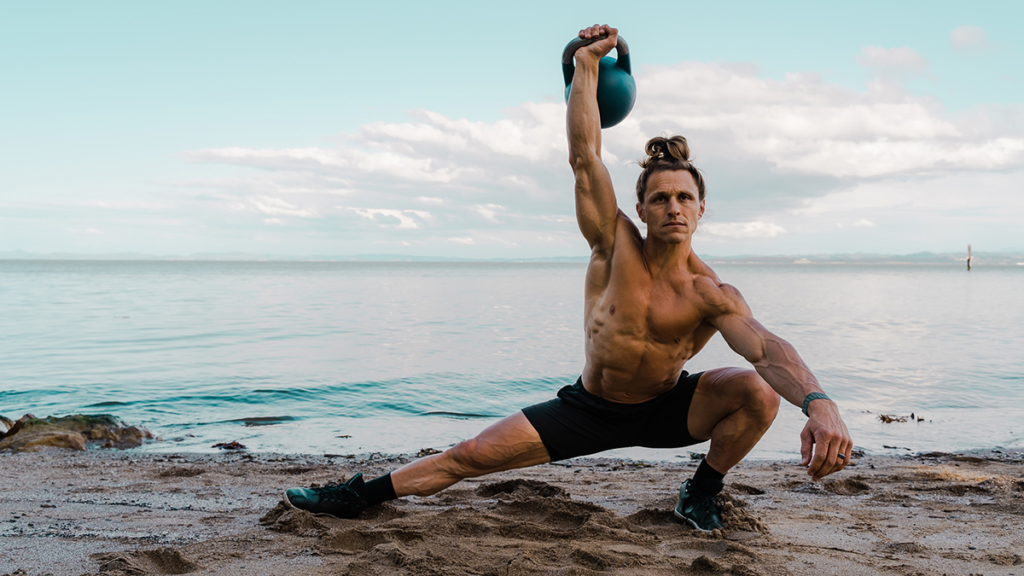
Strength training changes as you get older. In your twenties, you can often get away with poor recovery, inconsistent mobility work, and random programming. Once you pass 30, your body becomes less forgiving. Muscle mass naturally declines with age, connective tissues lose elasticity, recovery takes longer, and sedentary lifestyles begin to compound the effects of aging.
That does not mean athletic performance has to decline rapidly. In fact, research consistently shows that resistance training remains one of the most effective tools for preserving strength, muscle mass, bone density, metabolic health, and long term function as you age.


For athletes over 30, lower body compound exercises deserve special attention. The legs and hips contain the largest muscle groups in the body. Training them properly supports everything from sprint speed and jumping power to posture, balance, injury prevention, and hormone health.
The key is choosing exercises that provide the biggest return on investment while minimizing unnecessary joint stress.
The three exercises below stand out because they train multiple muscle groups at once, reinforce athletic movement patterns, improve strength and power, and can be adapted for different experience levels.
Why Lower Body Compound Exercises Matter More After 30
After the age of 30, adults begin losing muscle mass at a gradual rate. This process, called sarcopenia, accelerates if physical activity levels decline. Lower body strength often deteriorates faster because many modern lifestyles involve prolonged sitting and limited explosive movement.
This matters because lower body strength strongly predicts:
- Athletic performance
- Balance and coordination
- Bone density
- Metabolic health
- Injury resilience
- Long term mobility
Compound exercises are especially valuable because they train several muscle groups simultaneously while also challenging coordination, core stability, and neuromuscular efficiency.
Research has repeatedly shown that compound lifts produce greater hormonal responses and functional carryover compared to isolation exercises alone.
For athletes over 30, the goal is not simply building muscle. It is preserving the ability to move explosively, generate force efficiently, and stay injury resistant.
The following three exercises achieve exactly that.
1. The Back Squat
Why the Back Squat Still Reigns Supreme
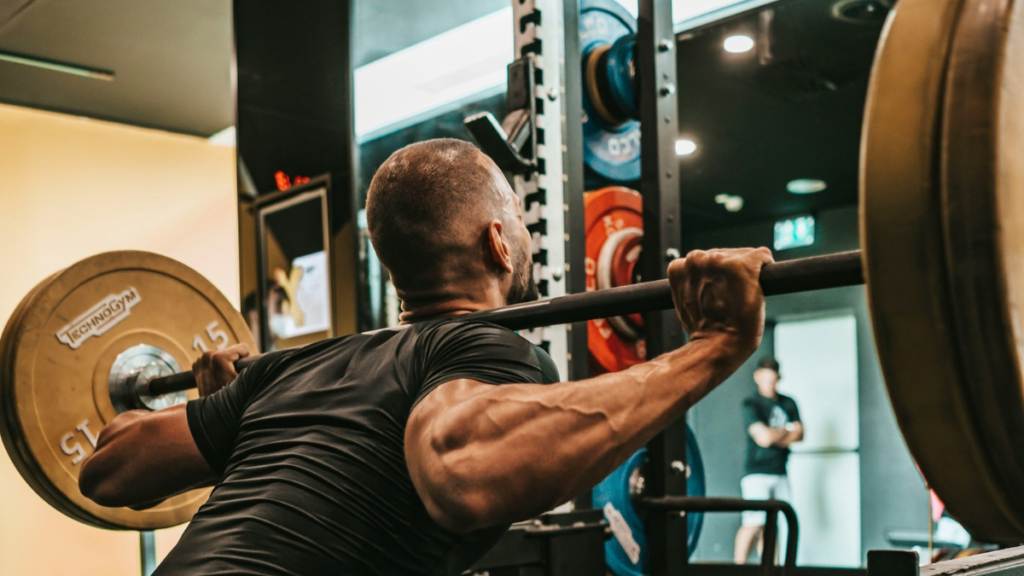
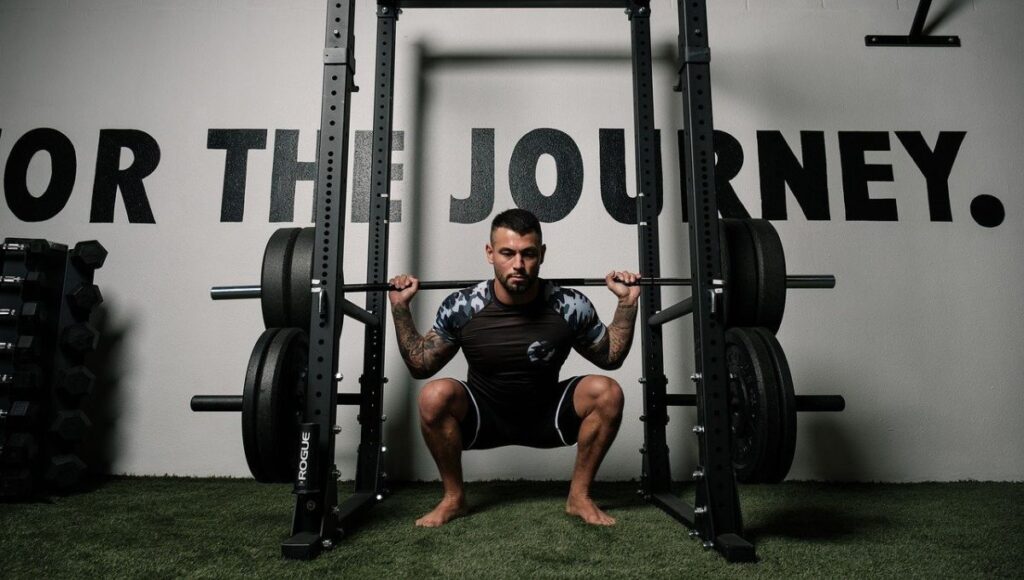
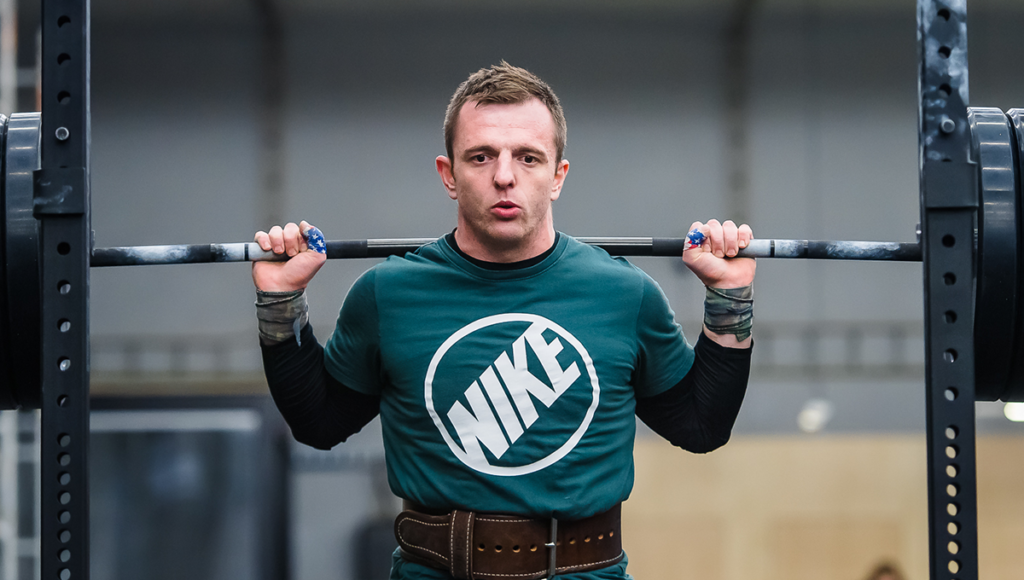
The back squat remains one of the most effective lower body exercises ever developed. It trains the quadriceps, glutes, hamstrings, adductors, spinal erectors, and core simultaneously while reinforcing coordinated force production through the hips and knees.
For athletes over 30, the squat offers several unique benefits:
- Maintains lower body muscle mass
- Preserves hip and ankle mobility
- Improves bone density
- Builds strength for daily movement
- Supports sprinting and jumping performance
- Enhances joint stability
Heavy squatting also stimulates high levels of mechanical tension, which is one of the primary drivers of muscle maintenance and growth.
Research shows that resistance training involving large compound movements can significantly reduce age related muscle decline and improve functional independence.
The Athletic Benefits of Squatting
Athletic movement starts with force production through the ground. Squats improve the body’s ability to generate and absorb force efficiently.
This directly translates to:
- Faster acceleration
- Higher vertical jumps
- Better change of direction
- Stronger deceleration mechanics
- Improved posture during movement
Athletes over 30 often lose explosive capacity before they lose absolute strength. Squats help preserve both.
Another major advantage is connective tissue adaptation. Proper squatting strengthens tendons and ligaments around the knees and hips, which can reduce injury risk when training intensity is managed intelligently.
How to Perform the Back Squat Correctly
- Position the barbell across the upper traps.
- Stand with feet roughly shoulder width apart.
- Brace the core before descending.
- Push the hips back slightly while bending the knees.
- Descend until the thighs are at least parallel to the floor.
- Drive through the midfoot to stand back up.
- Keep the chest stable and spine neutral throughout.
Common Mistakes
Many athletes over 30 experience squat related discomfort because of poor mechanics or inappropriate loading rather than the exercise itself.
Common issues include:
- Letting the knees collapse inward
- Losing spinal neutrality
- Rising onto the toes
- Descending without sufficient hip control
- Using excessive load too quickly
Mobility limitations can also interfere with squat quality. Restricted ankle mobility and tight hips are especially common after years of desk work and reduced movement variability.
Best Variations for Older Athletes
Not every athlete needs a heavy low bar squat. Variations can often reduce joint stress while preserving benefits.
Useful options include:
- Front squats
- Goblet squats
- Safety bar squats
- Box squats
- Tempo squats
Safety bar squats are particularly valuable because they reduce shoulder strain and encourage a more upright torso position.
How Often Should You Squat?
Most athletes over 30 respond well to squatting one to two times per week.
The ideal approach balances intensity and recovery:
- One heavier strength focused session
- One lighter speed or hypertrophy focused session
Recovery capacity varies widely depending on sleep, stress, nutrition, and training history.
The goal is consistent progression without excessive joint irritation.
2. The Romanian Deadlift
Why Hip Hinge Strength Becomes Essential After 30
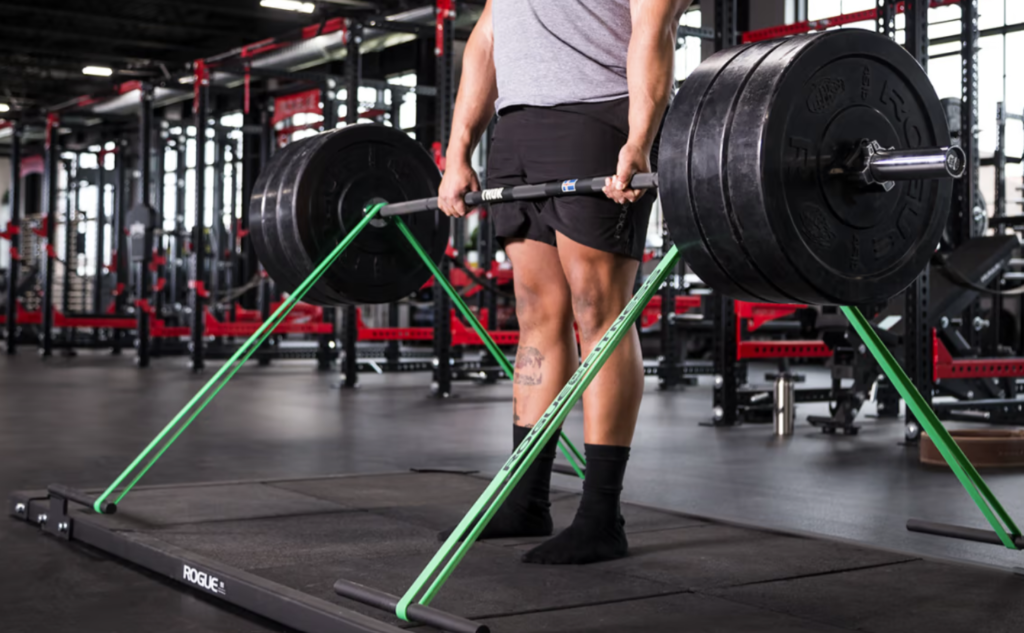
The Romanian deadlift, often called the RDL, is one of the best exercises for maintaining posterior chain strength.
The posterior chain includes:
- Glutes
- Hamstrings
- Spinal erectors
- Upper back stabilizers
These muscles are critical for athletic movement, posture, sprinting mechanics, and injury prevention.
Many athletes become increasingly quad dominant with age and lifestyle habits. Sitting for long periods weakens the glutes and shortens the hip flexors, contributing to lower back discomfort and poor movement mechanics. The Romanian deadlift directly addresses these issues.
The Science Behind Posterior Chain Training
Strong posterior chain muscles improve force transfer through the hips, which is essential for athletic power production. Research has shown that hip dominant exercises improve sprint speed, jumping ability, and lower body force output while also helping reduce hamstring injury risk.
The eccentric loading component of the Romanian deadlift is especially valuable. During the lowering phase, the hamstrings experience high levels of controlled tension, which stimulates muscular adaptation and strengthens connective tissue. This becomes increasingly important with age because tendon stiffness and elasticity change over time.
Benefits of the Romanian Deadlift for Athletes Over 30
The Romanian deadlift offers several major advantages:
- Strengthens the hamstrings safely
- Improves hip mobility
- Reinforces proper hinge mechanics
- Reduces lower back compensation patterns
- Enhances sprint mechanics
- Improves posture
- Builds resilient glutes
Many athletes also find RDLs easier to recover from compared to maximal conventional deadlifts. That makes them highly sustainable long term.
How to Perform the Romanian Deadlift Correctly
- Stand holding a barbell in front of the thighs.
- Keep the knees slightly bent.
- Brace the core and maintain a neutral spine.
- Push the hips backward while lowering the bar.
- Keep the bar close to the legs.
- Lower until a strong hamstring stretch is felt.
- Drive the hips forward to return to standing.
The movement should feel like a controlled hip hinge rather than a squat.
Common Mistakes
The most frequent errors include:
- Excessive knee bending
- Rounding the lower back
- Lowering too far
- Letting the bar drift away from the body
- Hyperextending at the top
Athletes should prioritize movement quality over load progression.
Dumbbells vs Barbells
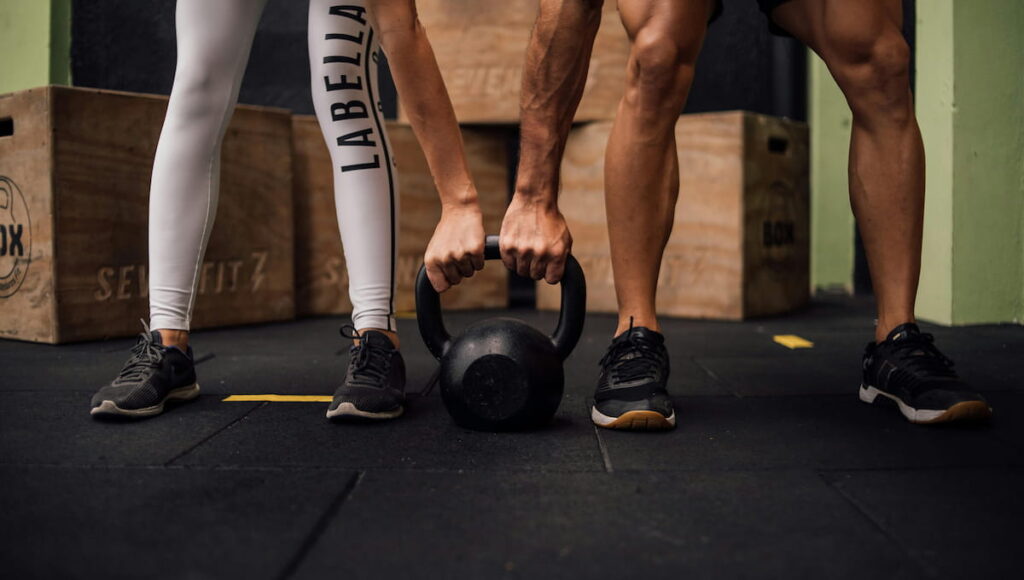
Both options work well.
- Barbells allow heavier loading and greater total force production.
- Dumbbells may improve unilateral stability and reduce spinal loading demands.
- For many athletes over 30, alternating between the two provides useful variation while limiting overuse stress.
Programming Recommendations
Romanian deadlifts typically work well with moderate repetitions.
A common range is:
- 3 to 4 sets
- 6 to 10 repetitions
Controlled tempo is especially important. Slowing the lowering phase increases hamstring recruitment and reinforces positional awareness.
3. The Bulgarian Split Squat
Why Single Leg Strength Matters More Than Ever
Single leg training becomes increasingly important after 30 because asymmetries often accumulate over time. Years of sport participation, repetitive movement patterns, and previous injuries frequently create strength imbalances between limbs.
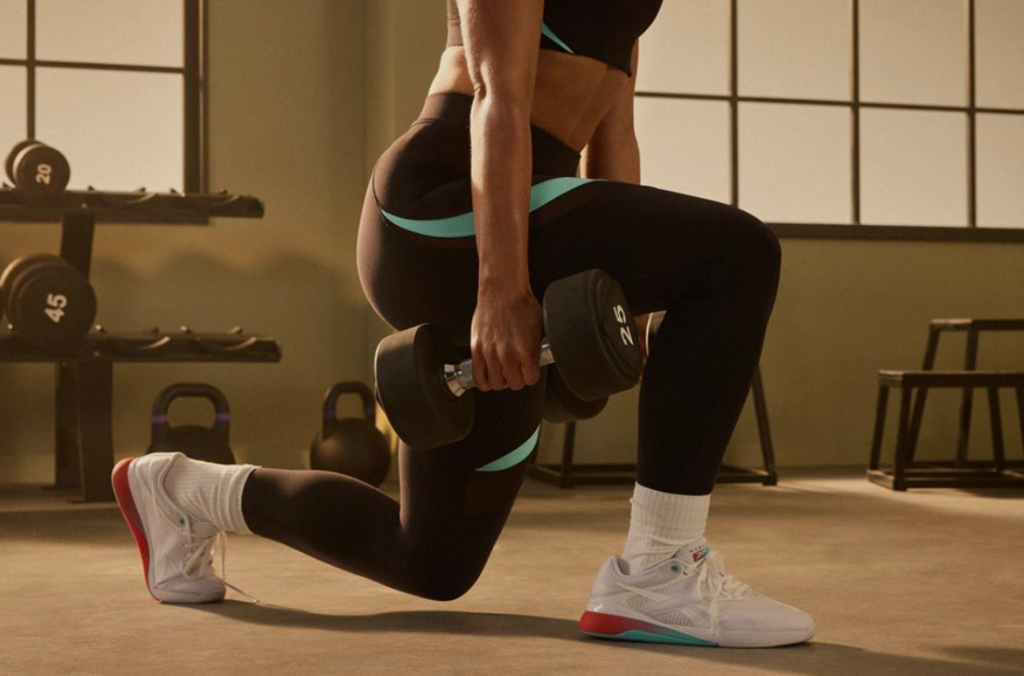
The Bulgarian split squat is one of the best tools for correcting those imbalances while developing lower body strength and stability simultaneously. It challenges:
- Quads
- Glutes
- Hamstrings
- Core
- Hip stabilizers
- Balance systems
Unlike bilateral lifts, split squats expose weaknesses that may otherwise remain hidden.
The Athletic Advantages of Unilateral Training
Most athletic movements happen primarily on one leg at a time. Running, cutting, jumping, and lunging all involve unilateral force production. Training one leg at a time improves:
- Hip stability
- Knee control
- Balance
- Coordination
- Force transfer
- Injury resilience
Research has shown that unilateral exercises can improve movement symmetry and reduce compensation patterns associated with injury risk.
For athletes over 30, this is critical because recovery from injury often becomes slower with age.
Why the Bulgarian Split Squat Is So Effective
The rear elevated position increases range of motion and places high tension on the front leg without requiring massive external loads. That means athletes can achieve significant muscular stimulus with less spinal compression compared to heavy bilateral squats. This makes Bulgarian split squats highly joint friendly when performed correctly. The exercise also improves mobility and stability simultaneously, which is relatively rare in strength training.
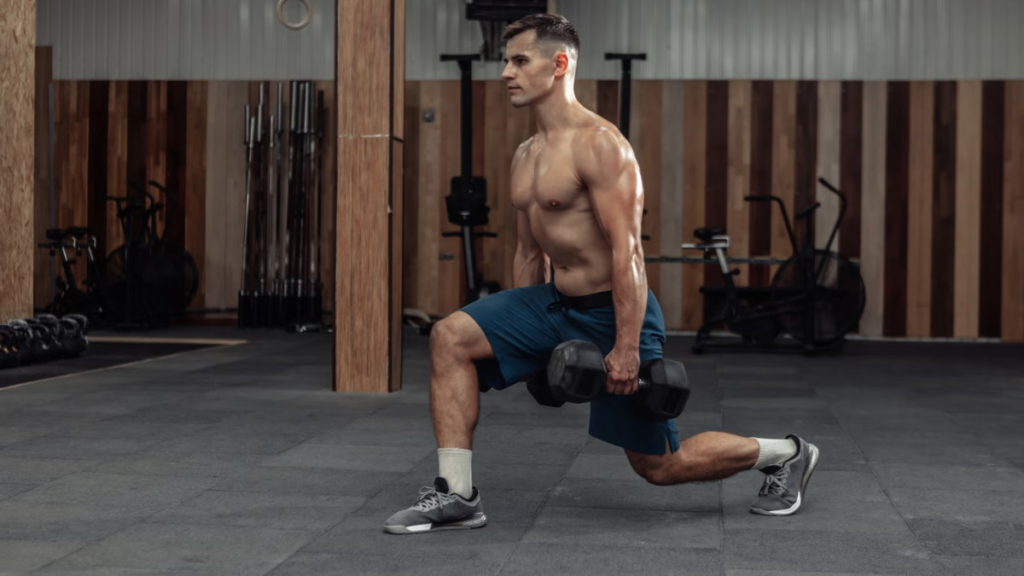
How to Perform the Bulgarian Split Squat
- Stand a few feet in front of a bench.
- Place the rear foot on the bench behind you.
- Keep most of the weight on the front leg.
- Lower under control until the front thigh approaches parallel.
- Drive through the front foot to return to standing.
- Maintain an upright torso throughout.
Common Mistakes
Key issues include:
- Standing too close to the bench
- Excessive forward knee collapse
- Overextending the lower back
- Pushing excessively through the rear foot
- Losing balance due to poor foot positioning
The movement should feel stable and controlled rather than rushed.
Why Athletes Over 30 Should Prioritize This Exercise
Bulgarian split squats train strength while minimizing total axial loading. This matters because recovery tolerance often changes with age. Heavy bilateral training remains useful, but combining it with unilateral work reduces repetitive stress and enhances movement quality. The exercise also strengthens smaller stabilizing muscles around the hips and knees, which helps maintain joint integrity during athletic activity.
Best Loading Options
Several loading methods work well:
- Dumbbells
- Kettlebells
- Front rack position
- Goblet hold
- Barbell
Dumbbells are often the best starting point because they allow natural movement and lower technical complexity.
Recommended Programming
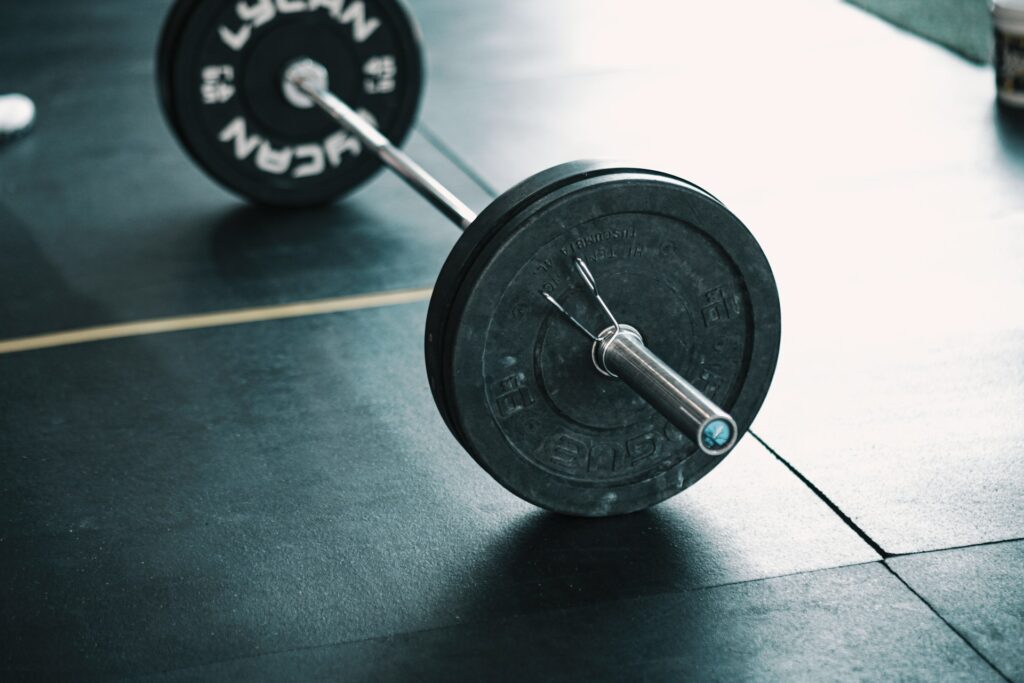
Bulgarian split squats respond well to moderate repetition ranges:
- 3 to 4 sets
- 8 to 12 repetitions per leg
Longer time under tension can increase muscle recruitment without requiring maximal loads.
How These Exercises Work Together
These three movements complement each other exceptionally well.
- The back squat develops bilateral force production and total body strength.
- The Romanian deadlift strengthens the posterior chain and reinforces hip mechanics.
- The Bulgarian split squat improves unilateral stability and addresses asymmetries.
- Together, they train nearly every major lower body function needed for athletic performance and long term resilience.
Recovery Becomes More Important After 30
Training hard matters, but recovery becomes increasingly important with age.
Muscle protein synthesis slows slightly over time, connective tissues recover more slowly, and stress tolerance can decline if sleep and nutrition are neglected.
Athletes over 30 should pay close attention to:
- Sleep quality
- Protein intake
- Mobility work
- Hydration
- Stress management
- Training volume
Research consistently shows that recovery quality strongly influences adaptation and injury risk.
Protein Intake Recommendations
Higher protein intake helps preserve lean mass during aging.
Most active adults over 30 benefit from approximately:
- 1.6 to 2.2 grams of protein per kilogram of body weight daily
Distributing protein evenly across meals may further improve muscle protein synthesis.
Mobility Matters More Than Ever
Strength without mobility eventually creates movement limitations.
Athletes should maintain:
- Hip mobility
- Ankle dorsiflexion
- Thoracic spine rotation
- Hamstring flexibility
Dynamic warm ups and regular movement variability help preserve athletic function over time.
How to Progress Safely After 30
Progression still matters after 30, but reckless loading becomes increasingly risky. The smartest athletes focus on sustainable progression rather than ego lifting. Key principles include:
- Add load gradually
- Prioritize technique consistency
- Avoid training to failure constantly
- Rotate intensity phases
- Use deload weeks strategically
Small improvements accumulated consistently outperform short bursts of aggressive training.
Signs You Need More Recovery
Watch for:
- Persistent joint pain
- Declining performance
- Sleep disruption
- Elevated fatigue
- Reduced motivation
- Lingering soreness
Adjusting volume or intensity early often prevents long term setbacks.
Sample Weekly Lower Body Structure
Here is a simple example for athletes over 30:
Day 1: Strength Focus
- Back squat: 4 sets of 5 reps
- Romanian deadlift: 4 sets of 6 reps
- Walking lunges: 3 sets of 10 reps
- Core work
Day 2: Unilateral and Hypertrophy Focus
- Bulgarian split squat: 4 sets of 10 reps
- Goblet squat: 3 sets of 12 reps
- Dumbbell Romanian deadlift: 3 sets of 10 reps
- Calf raises
- Mobility work
This structure balances strength, hypertrophy, stability, and recovery.
The Biggest Mistake Athletes Over 30 Make
- One of the biggest mistakes is trying to train exactly like they did at 22.
- Recovery capacity changes. Joint tolerance changes. Stress outside the gym increases.
- The solution is not stopping hard training.
- The solution is smarter training.
That means:
- Prioritizing movement quality
- Choosing high return exercises
- Managing fatigue intelligently
- Staying consistent year round
The athletes who remain strong and capable into their forties and fifties are usually the ones who master sustainability.
Final Thoughts
Lower body strength is one of the strongest predictors of long term athletic function and overall health.
Athletes over 30 do not need endless exercise variation or complicated programming. They need consistent exposure to effective movement patterns that build strength, preserve muscle, support mobility, and reduce injury risk. The back squat, Romanian deadlift, and Bulgarian split squat remain three of the best options available. Each exercise develops a different aspect of athletic performance:
- Squats build foundational strength and force production
- Romanian deadlifts strengthen the posterior chain and hip mechanics
- Bulgarian split squats improve unilateral stability and resilience
Combined intelligently, they create a lower body training foundation that supports athleticism for decades. The goal after 30 is not simply lifting heavier weights. The real goal is maintaining the ability to move well, perform well, and stay healthy long term.
Key Takeaways
| Exercise | Primary Benefit | Main Muscles Trained | Why It Matters After 30 |
|---|---|---|---|
| Back Squat | Total lower body strength | Quads, glutes, core, hamstrings | Preserves muscle mass, bone density, and force production |
| Romanian Deadlift | Posterior chain development | Hamstrings, glutes, lower back | Improves hip mechanics and reduces injury risk |
| Bulgarian Split Squat | Unilateral stability | Quads, glutes, stabilizers | Corrects imbalances and improves joint resilience |
| Consistent Recovery | Long term performance | Whole body | Supports adaptation and reduces overtraining risk |
| Progressive Overload | Sustainable strength gains | Whole body | Maintains athletic performance while minimizing injury |
References
- Aagaard, P., Simonsen, E.B., Andersen, J.L., Magnusson, P. and Dyhre Poulsen, P. (2002) ‘Increased rate of force development and neural drive of human skeletal muscle following resistance training’, Journal of Applied Physiology, 93(4), pp. 1318 to 1326.
- ACSM (2009) ‘American College of Sports Medicine position stand. Progression models in resistance training for healthy adults’, Medicine and Science in Sports and Exercise, 41(3), pp. 687 to 708.
- Bird, S.P., Tarpenning, K.M. and Marino, F.E. (2005) ‘Designing resistance training programmes to enhance muscular fitness’, Sports Medicine, 35(10), pp. 841 to 851.
- Borde, R., Hortobágyi, T. and Granacher, U. (2015) ‘Dose response relationships of resistance training in healthy old adults’, Sports Medicine, 45(12), pp. 1693 to 1720.
- Contreras, B., Vigotsky, A.D., Schoenfeld, B.J., Beardsley, C. and Cronin, J. (2015) ‘A comparison of gluteus maximus, biceps femoris, and vastus lateralis electromyography amplitude in the back squat and barbell hip thrust exercises’, Journal of Applied Biomechanics, 31(6), pp. 452 to 458.