

Visible abs are one of the most misunderstood fitness goals in the world. People spend hours doing crunches, buy “fat burning” supplements, and follow random social media workouts, yet still cannot see their six pack. Meanwhile, someone else seems to uncover theirs with far less effort.
The truth is that building a jacked six pack is not about doing endless ab circuits or chasing shortcuts. Your abdominal muscles already exist. The real challenge is developing them enough to look muscular while reducing body fat enough to reveal them. That requires the right training, nutrition, recovery, and consistency.



Most people fail for three major reasons. The good news is that each problem has a clear solution supported by decades of scientific evidence.
This article breaks down the three biggest reasons you do not have a jacked six pack yet and exactly how to fix them.
Your Body Fat Is Still Too High
This is the number one reason most people cannot see their abs. You can have strong abdominal muscles, but if there is too much fat covering them, they will not be visible. Spot reduction does not work. You cannot burn belly fat specifically by training abs harder.
Your body loses fat systemically, meaning from the entire body over time. Genetics determine where fat is stored and where it comes off first. For many men, the lower stomach is one of the last places to lean out. For many women, it is often the hips and lower abdomen.
Why Body Fat Matters More Than Ab Exercises
The rectus abdominis is the muscle commonly referred to as the six pack. Everyone has this muscle structure, but its visibility depends on two factors:
• Muscle thickness
• Low enough body fat to reveal definition
Research consistently shows that fat loss comes primarily from maintaining a calorie deficit over time. Exercise helps, but nutrition is the main driver.
Many people sabotage themselves because they believe they can out train a poor diet. Unfortunately, you cannot undo excessive calorie intake with a few extra crunches.
Studies also show that resistance training combined with a high protein diet preserves lean muscle mass during fat loss far better than dieting alone. This matters because muscle retention helps maintain metabolic rate and creates a more athletic appearance.
What Body Fat Percentage Reveals Abs?
This varies by genetics and muscle development, but general guidelines are:
Men:
• 15 to 17% body fat: upper abs may appear
• 10 to 12% body fat: clearly visible six pack
• Below 10%: highly defined and shredded look
Women:
• 20 to 22% body fat: some abdominal definition
• 16 to 19% body fat: visible six pack for many
• Below 16%: extremely lean physique
It is important to understand that very low body fat is difficult to maintain year round. Competitive physique athletes often look dramatically different off stage.
The Biggest Fat Loss Mistakes
Most people make one or more of these errors:
Eating “Healthy” but Too Much
Healthy foods still contain calories. Nuts, smoothies, protein bars, avocado toast, and peanut butter can easily push someone out of a calorie deficit. Fat loss requires energy balance. If calorie intake exceeds expenditure, fat loss stalls.
Overestimating Calories Burned
Fitness trackers and cardio machines often overestimate calorie expenditure.
A brutal workout does not justify a huge cheat meal.
Being Inconsistent
Many people diet hard during the week and erase progress on weekends. A few high calorie meals can completely offset several days of dieting.
Drinking Calories
Sugary coffee drinks, alcohol, juice, and soda can dramatically increase calorie intake without improving fullness. Liquid calories are one of the easiest ways to stall fat loss.
How to Fix It
The solution is not starvation or extreme dieting. It is a sustainable calorie deficit combined with resistance training and adequate protein.
Prioritize Protein
Protein is the most important macronutrient for preserving muscle during fat loss. Research shows higher protein intakes improve satiety, support muscle retention, and increase the thermic effect of food.
A good target is:
• 0.7 to 1 gram of protein per pound of body weight daily
Good protein sources include:
• Lean meat
• Eggs
• Greek yogurt
• Fish
• Cottage cheese
• Whey protein
• Tofu and tempeh
Create a Moderate Calorie Deficit
Extreme deficits increase muscle loss, hunger, fatigue, and rebound weight gain.
Aim for:
• 300 to 500 calorie deficit per day
This typically leads to sustainable fat loss while preserving performance.
Lift Weights Consistently
Resistance training signals the body to maintain muscle mass while dieting. Without lifting, the body may lose both muscle and fat, leading to a softer appearance.
Focus on:
• Compound lifts
• Progressive overload
• Full body training
• Consistency over perfection
Increase Daily Activity
Non exercise activity thermogenesis, often called NEAT, plays a massive role in calorie expenditure. Walking more throughout the day can dramatically improve fat loss results without increasing recovery demands.
Aim for:
• 7,000 to 12,000 daily steps
Why Crash Diets Fail
Very aggressive diets often produce quick weight loss initially, but much of it comes from water and glycogen.
Over time:
• Metabolism slows
• Hunger increases
• Training quality drops
• Muscle loss accelerates
Research on adaptive thermogenesis shows the body responds to prolonged energy restriction by reducing energy expenditure. That is why sustainable dieting works better long term than starvation approaches.
Your Abs Are Not Actually Well Developed
Many people have low enough body fat for visible abs, but their midsection still looks flat and unimpressive. Why?
Because they have not built enough abdominal muscle.
Abs are muscles just like your chest, shoulders, or quads. If you want them to look thick and athletic, they must be trained progressively.

The Myth of Endless High Rep Ab Work
Most ab workouts online involve:
• Hundreds of crunches
• Tiny resistance
• Random circuits
• Minimal progression
This approach builds muscular endurance, not maximal hypertrophy.
Research on muscle growth consistently shows that muscles respond best to:
• Mechanical tension
• Progressive overload
• Sufficient training volume
• Adequate recovery
Your abs are no different.
Understanding Abdominal Anatomy
The core is more than just the six pack. Key muscles include:
Rectus Abdominis
This is the visible six pack muscle responsible for spinal flexion.
Obliques
Located on the sides of the torso, these muscles assist rotation and lateral stability.
Transverse Abdominis
A deep core muscle that stabilizes the spine and trunk.
Erector Spinae
These muscles support posture and spinal extension.
A truly impressive midsection requires balanced development across all these areas.
Why Heavy Compound Lifts Are Not Enough
Squats, deadlifts, overhead presses, and carries heavily recruit the core. That is beneficial, but for most people, compound lifts alone are not enough to maximize abdominal hypertrophy. Direct ab training produces better muscular development.
The Best Science Based Ab Exercises
Research and electromyography studies show certain exercises consistently produce high abdominal activation.
Cable Crunches
These allow progressive overload with external resistance.
Benefits:
• Strong rectus abdominis activation
• Easy progression
• High hypertrophy potential
Hanging Leg Raises
These challenge the lower abdominal region and hip flexors.
To increase difficulty:
• Add ankle weights
• Slow the eccentric
• Pause at the top
Ab Wheel Rollouts
These train anti extension strength and heavily recruit the anterior core.
They are highly effective for building functional core strength.
Weighted Decline Sit Ups
Adding resistance transforms sit ups from endurance work into a hypertrophy focused movement.
Pallof Presses
Excellent for anti rotational core stability and oblique development.
How Often Should You Train Abs?
Abs recover relatively quickly, but they still require recovery.
Most evidence based recommendations suggest:
• 2 to 4 focused sessions weekly
Volume matters more than frequency alone.
A good weekly target:
• 10 to 20 challenging sets
Progressive Overload for Abs
This is where most people fail.
If you always do the same bodyweight crunch routine, your abs stop adapting.
Progressive overload can include:
• Adding weight
• Increasing reps
• Increasing range of motion
• Slowing tempo
• Improving exercise difficulty
Treat your abs like every other muscle group.
Sample Effective Ab Workout
Workout A
• Cable crunches: 4 sets of 10 to 15 reps
• Hanging leg raises: 3 sets of 8 to 12 reps
• Pallof presses: 3 sets of 12 reps per side
Workout B
• Ab wheel rollouts: 4 sets of 8 to 12 reps
• Weighted decline sit ups: 3 sets of 10 to 15 reps
• Side planks: 3 sets of 30 to 45 seconds
Why Genetics Still Matter
Genetics influence:
• Ab shape
• Symmetry
• Tendon insertions
• Waist structure
• Fat distribution
Some people naturally have:
• Four pack abs
• Six pack abs
• Eight pack abs
• Uneven abs
You cannot change your muscle insertions.
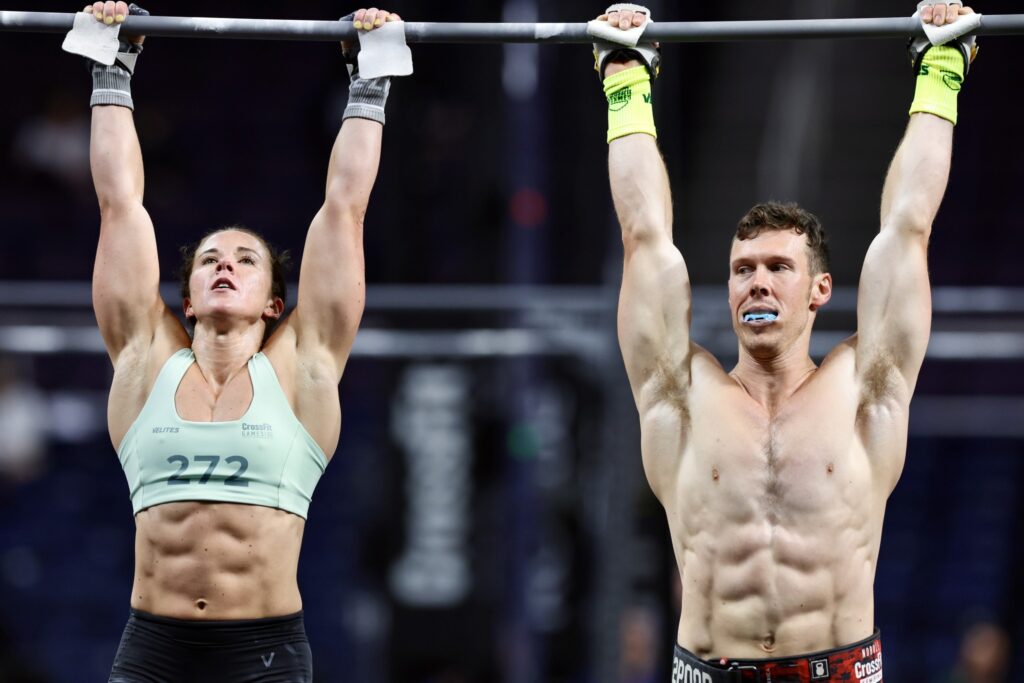
But almost everyone can dramatically improve abdominal development through proper training and nutrition.
Why Core Strength Matters Beyond Appearance
A strong core improves:
• Athletic performance
• Force transfer
• Stability
• Injury resilience
• Posture
Research shows trunk strength contributes to better movement efficiency and spinal stability during athletic tasks.
Training abs purely for aesthetics misses the bigger picture.
Your Recovery, Sleep, and Stress Levels Are Working Against You
This is the most overlooked factor in getting lean and muscular abs.
People obsess over workouts and macros while ignoring:
• Sleep
• Recovery
• Stress management
Unfortunately, these factors strongly influence body composition.
Sleep and Fat Loss
Sleep deprivation disrupts hormones involved in:
• Hunger
• Appetite
• Recovery
• Muscle growth
Research consistently shows poor sleep increases ghrelin, decreases leptin, and raises hunger levels.
People who sleep less often:
• Crave more calorie dense foods
• Have worse dietary adherence
• Recover more poorly from training
• Lose more muscle during dieting
One study found sleep restricted individuals lost significantly more lean mass and less fat during a calorie deficit compared to well rested individuals.
Sleep and Testosterone
In men, inadequate sleep is associated with lower testosterone levels.
Testosterone plays a major role in:
• Muscle retention
• Recovery
• Performance
• Body composition
Even short term sleep restriction can negatively affect anabolic hormone production.
Stress and Cortisol
Stress itself does not directly create belly fat overnight, but chronic stress can contribute to fat gain through several mechanisms.
Elevated cortisol may:
• Increase appetite
• Promote emotional eating
• Reduce sleep quality
• Impair recovery
• Lower training performance
Highly stressed individuals often struggle with consistency in nutrition and exercise.
Overtraining and Excessive Cardio
More is not always better.
Some people attack fat loss with:
• Daily HIIT sessions
• Excessive cardio
• Extreme calorie restriction
• High training volume
This can lead to:
• Fatigue
• Burnout
• Reduced recovery
• Poor workout quality
• Increased injury risk
Research shows moderate, sustainable training strategies generally outperform extreme approaches over time.
Alcohol and Your Six Pack
Alcohol can significantly interfere with body composition goals.
Problems include:
• Extra calories
• Poor food choices
• Reduced recovery
• Impaired sleep
• Reduced muscle protein synthesis
A few drinks occasionally are unlikely to ruin progress, but heavy regular drinking absolutely can.
How to Fix Recovery Problems
Prioritize Sleep
Aim for:
• 7 to 9 hours nightly
Helpful habits:
• Consistent sleep schedule
• Dark cool room
• Reduced screen exposure before bed
• Limiting caffeine late in the day
Manage Stress
You do not need perfect stress control, but chronic unmanaged stress becomes a real obstacle.
Helpful strategies:
• Walking outdoors
• Meditation
• Journaling
• Breathing exercises
• Social connection
• Time away from screens
Balance Cardio and Recovery
Cardio is useful for:
• Health
• Calorie expenditure
• Conditioning
But excessive cardio can interfere with recovery.
A balanced approach works best:
• 2 to 4 cardio sessions weekly
• Combined with resistance training
Take Recovery Seriously
Muscles grow during recovery, not during workouts.
Signs recovery may be inadequate:
• Persistent soreness
• Poor sleep
• Low motivation
• Reduced strength
• Constant fatigue
Ignoring recovery eventually stalls progress.
The Truth About Getting a Jacked Six Pack
Visible abs are not built through gimmicks.
They come from:
• Low enough body fat
• Well developed abdominal muscles
• Consistent training
• High protein nutrition
• Proper recovery
• Patience
There is no magic supplement, detox, or secret ab workout that bypasses these fundamentals. The people with the best physiques usually master basic habits for years.
What Actually Works
If you want a genuinely impressive six pack, focus on:
Nutrition
• Moderate calorie deficit
• High protein intake
• Mostly minimally processed foods
• Consistency over perfection
Training
• Resistance training
• Progressive overload
• Direct weighted ab work
• Smart cardio
Recovery
• Adequate sleep
• Stress management
• Sustainable workload
Why Consistency Beats Perfection
Most transformations fail because people chase extremes.
They:
• Start impossible diets
• Train excessively
• Burn out quickly
• Quit after a few weeks
Sustainable habits win long term.
A realistic plan followed for a year beats a perfect plan followed for ten days.
How Long Does It Take?
This depends on:
• Starting body fat
• Muscle mass
• Genetics
• Adherence
Someone already lean may reveal abs within weeks. Someone carrying substantial body fat may require several months or longer. The key is understanding that physique transformation is a long term process, not a quick fix.
Final Thoughts
If you do not have a jacked six pack yet, the answer is usually simple.
Either:
• Your body fat is still too high
• Your abs are underdeveloped
• Your recovery habits are limiting progress
Often, it is a combination of all three. The solution is not complicated, but it does require consistency and patience. Train your abs like real muscles. Eat in a sustainable calorie deficit. Prioritize protein. Sleep properly. Recover hard. Stay consistent for months, not days.
That is how real six packs are built.
Key Takeaways
| Problem | Why It Happens | Solution |
|---|---|---|
| Body fat too high | Abs are covered by fat tissue | Maintain a sustainable calorie deficit with high protein intake |
| Underdeveloped abs | Lack of progressive overload in ab training | Train abs with resistance and progression 2 to 4 times weekly |
| Poor recovery | Sleep deprivation and stress impair fat loss and muscle retention | Prioritize sleep, stress management, and balanced training |
| Excessive cardio | Recovery suffers and muscle retention declines | Use moderate cardio alongside resistance training |
| Inconsistent habits | Weekend overeating and unsustainable dieting | Focus on long term consistency instead of perfection |
References
• Aragon, A.A., Schoenfeld, B.J., Wildman, R., Kleiner, S., VanDusseldorp, T., Taylor, L., Earnest, C.P., Arciero, P.J., Wilborn, C. and Kalman, D.S. (2017) ‘International society of sports nutrition position stand: diets and body composition’, Journal of the International Society of Sports Nutrition, 14(16), pp. 1 to 19.
• Bickel, C.S., Cross, J.M. and Bamman, M.M. (2011) ‘Exercise dosing to retain resistance training adaptations in young and older adults’, Medicine & Science in Sports & Exercise, 43(7), pp. 1177 to 1187.
• Chtourou, H. and Souissi, N. (2012) ‘The effect of training at a specific time of day: a review’, Journal of Strength and Conditioning Research, 26(7), pp. 1984 to 2005.
• Clark, J.E. (2015) ‘Diet, exercise or diet with exercise: comparing the effectiveness of treatment options for weight loss and changes in fitness for adults’, Journal of Diabetes & Metabolic Disorders, 14(31), pp. 1 to 10.
• Cribb, P.J. and Hayes, A. (2006) ‘Effects of supplement timing and resistance exercise on skeletal muscle hypertrophy’, Medicine & Science in Sports & Exercise, 38(11), pp. 1918 to 1925.