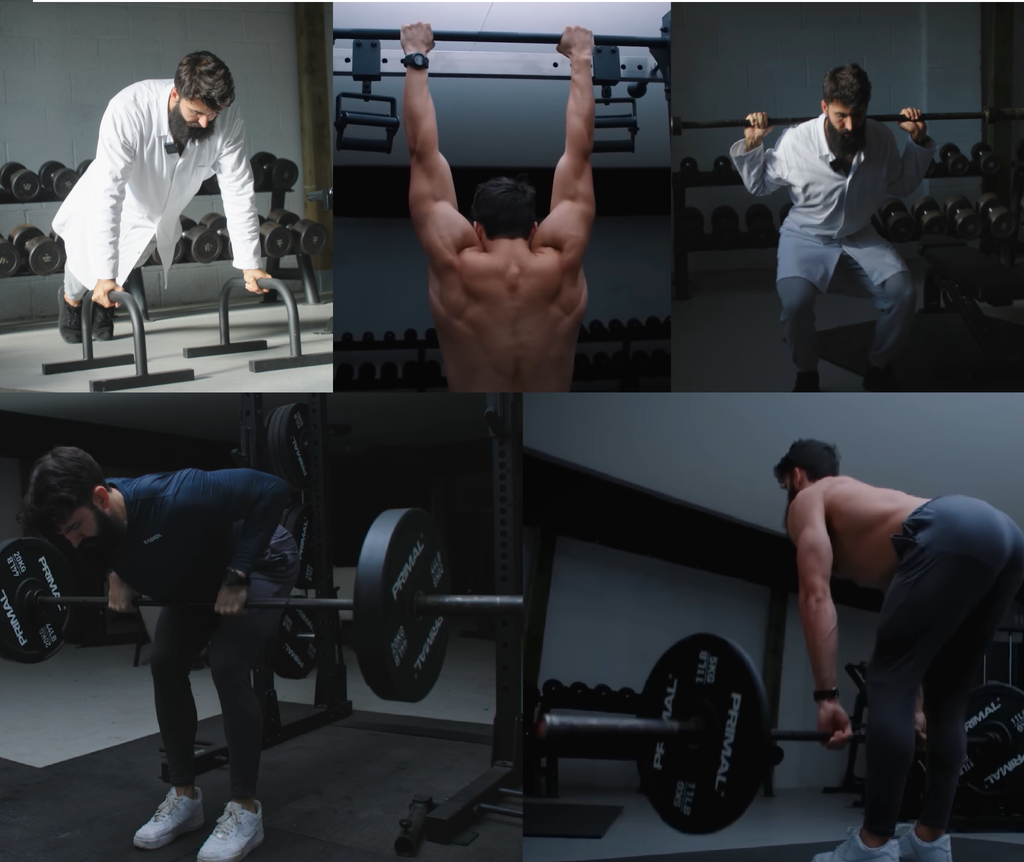


Burpees look simple. Drop down, jump back, push up, jump forward, jump up. But anyone who has done more than a handful knows they are one of the fastest ways to spike heart rate, breathing rate, and overall fatigue.
Most people struggle with burpees not because of strength, but because of breathing. Poor breathing patterns lead to early exhaustion, loss of rhythm, dizziness, and reduced power output. Good breathing, on the other hand, improves endurance, stabilizes the core, and helps you maintain speed and efficiency.


This article explains exactly how to breathe during burpees, why it matters physiologically, and how to apply evidence-based breathing strategies to improve performance. Every recommendation is grounded in exercise physiology and respiratory science.
Why Breathing Matters So Much During Burpees
Burpees combine resistance exercise, plyometrics, and cyclic whole-body movement. That combination places extreme demands on both the muscular and cardiorespiratory systems.
Burpees Rapidly Increase Oxygen Demand
During high-intensity whole-body exercise, oxygen consumption rises dramatically to meet the energy demands of working muscles. Studies show that exercises engaging both upper and lower body simultaneously result in higher oxygen uptake (VO₂) than lower-body work alone at the same perceived effort (Calbet et al., 2005).
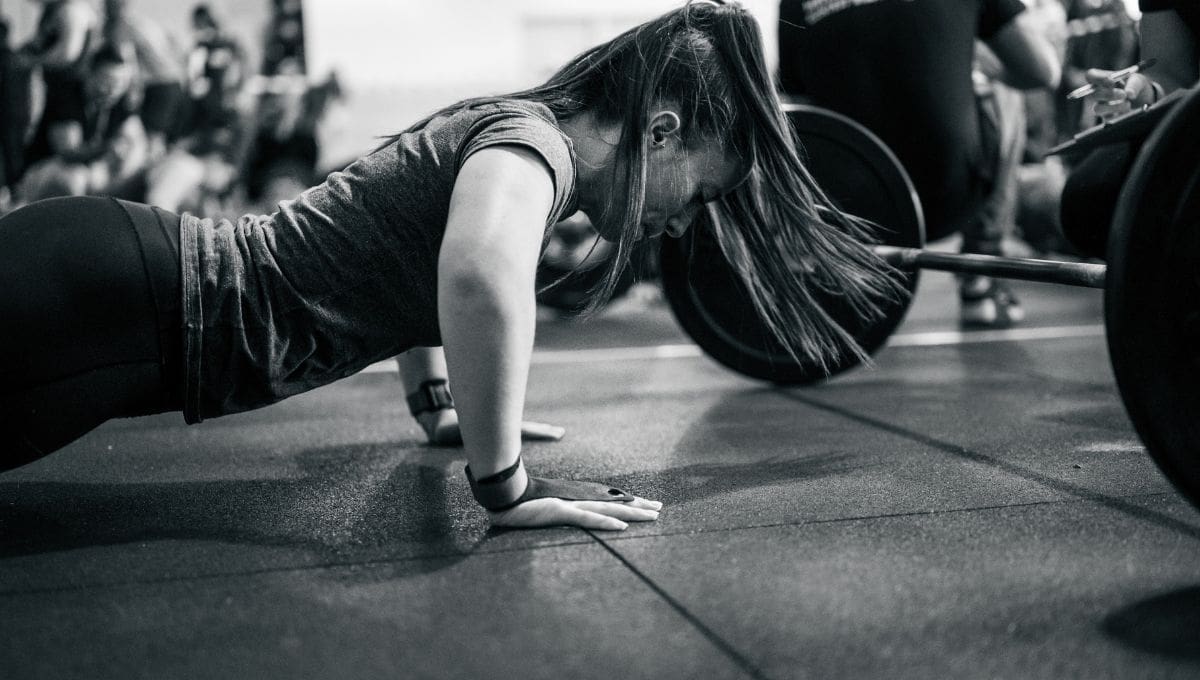
Burpees recruit:
- Quadriceps, hamstrings, and glutes during squatting and jumping
- Chest, shoulders, and triceps during the push-up
- Core musculature throughout all phases
This widespread muscle activation increases metabolic demand, which requires rapid and effective breathing to supply oxygen and remove carbon dioxide.
Inefficient Breathing Accelerates Fatigue
When breathing becomes shallow or irregular, carbon dioxide accumulates and blood pH drops. This contributes to the sensation of breathlessness and muscular fatigue. Research shows that impaired ventilation during intense exercise increases perceived exertion and reduces time to exhaustion (Sheel et al., 2016).
In simple terms: poor breathing makes burpees feel harder than they need to.
Breathing Also Stabilizes the Spine
Breathing is not just about oxygen. The diaphragm plays a major role in trunk stability. Coordinated breathing increases intra-abdominal pressure, which supports the spine during dynamic movement (Hodges et al., 2001).
During burpees, especially the push-up and jump phases, effective breathing helps maintain posture, protect the lower back, and transfer force efficiently.
Basic Physiology of Breathing During High-Intensity Exercise
Understanding what the body is trying to do helps explain why certain breathing patterns work better than others.
Ventilation Increases to Match Metabolic Demand
Ventilation (the amount of air moved in and out of the lungs per minute) increases through:
- Faster breathing rate
- Deeper breaths (greater tidal volume)
At low intensities, tidal volume increases first. As intensity rises, breathing rate increases more sharply (Neder et al., 2003). Burpees push you quickly into this high-intensity zone.
Trying to “slow your breathing” artificially during burpees often backfires, leading to air hunger and panic. The goal is controlled, rhythmic breathing that matches the movement.
Carbon Dioxide Drives the Urge to Breathe
Contrary to popular belief, oxygen levels in the blood remain relatively stable during exercise. It is rising carbon dioxide that primarily stimulates breathing (Forster et al., 2012).
Irregular breathing disrupts this regulation and increases discomfort. A steady exhale helps remove carbon dioxide efficiently and reduces the sensation of breathlessness.
Breath Holding Is Counterproductive During Conditioning
Some strength movements benefit from brief breath holding to increase stiffness. However, during repeated high-intensity conditioning movements like burpees, breath holding increases blood pressure excessively and accelerates fatigue (MacDougall et al., 1985).
For burpees, continuous breathing is safer and more effective.
Common Breathing Mistakes During Burpees
Before discussing optimal strategies, it helps to understand what not to do.
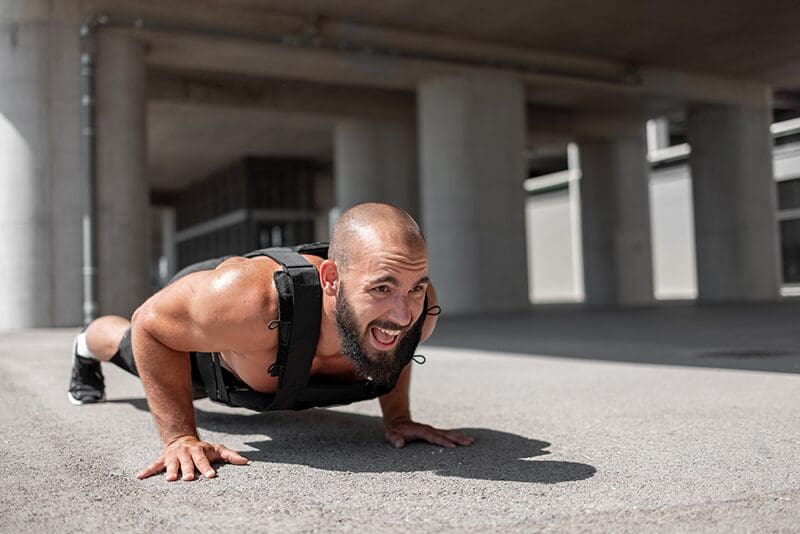
Holding the Breath During the Push-Up
Many people instinctively hold their breath during the push-up portion, especially when fatigued. This increases intrathoracic pressure and can cause a sudden spike in blood pressure.
Repeated breath holding during high-rep sets increases cardiovascular strain without improving performance (MacDougall et al., 1985).
Shallow Chest Breathing
Under stress, breathing often becomes rapid and shallow, driven by accessory muscles in the neck and chest. This reduces ventilation efficiency and increases fatigue (Courtney, 2009).
Shallow breathing also reduces diaphragm contribution, which compromises trunk stability.
Random, Unrhythmic Breathing
Breathing out of sync with movement wastes energy. Studies on rhythmic breathing show that synchronizing breath with movement improves efficiency and reduces perceived exertion during cyclic exercise (Bernasconi and Kohl, 1993).
Burpees may not look cyclic, but they absolutely have a rhythm.
The Ideal Breathing Pattern for Burpees
There is no single “perfect” breathing pattern for every athlete, but evidence strongly supports rhythmic breathing matched to movement phases.
The Most Practical Pattern: Exhale on Effort
A simple and effective rule is to exhale during the most physically demanding part of each phase.
For a standard burpee, this usually looks like:
- Exhale as you drop down and kick your feet back
- Brief inhale as you lower into the push-up
- Strong exhale as you press up from the push-up
- Inhale as you bring your feet back in
- Forceful exhale during the jump
This pattern aligns with resistance training research showing that exhaling during concentric or forceful phases reduces blood pressure response and improves comfort (American College of Sports Medicine, 2009).
Why Exhaling on Effort Works
Exhaling during effort:
- Helps regulate blood pressure
- Improves trunk stability through coordinated diaphragm function
- Prevents unintentional breath holding
It also helps maintain a consistent breathing rhythm, which reduces panic and improves pacing.
Nasal vs Mouth Breathing During Burpees
At very high intensities, mouth breathing becomes necessary to meet ventilation demands. Research shows nasal breathing alone cannot supply sufficient airflow during maximal or near-maximal exercise (Dallam et al., 2018).
However, nasal breathing can still play a role:
- Nasal inhalation during lower-intensity phases can promote slower, deeper breaths
- Mouth breathing during jumps and transitions ensures adequate airflow
A hybrid approach—nasal inhale when possible, mouth exhale during forceful phases—is practical for most athletes.
Phase-by-Phase Breathing Breakdown
Breaking the burpee into phases makes breathing easier to apply consistently.
The Descent Phase
As you squat down and place your hands on the floor, initiate a controlled exhale.
This exhale:
- Begins carbon dioxide removal early
- Helps relax unnecessary tension
- Sets the rhythm for the rest of the rep
The Kick-Back and Push-Up
As your feet shoot back, continue the exhale or begin a short inhale depending on speed and intensity.
During the push-up:
- Inhale lightly as you lower
- Exhale forcefully as you press up
This mirrors breathing patterns shown to be effective in resistance exercises like push-ups and bench presses (McLaughlin et al., 2011).
The Return to Squat
As you jump or step your feet back in, take a quick inhale.
This phase is mechanically less demanding, making it a good opportunity to replenish air without disrupting posture.
The Jump
Exhale forcefully as you jump upward.
Explosive movements are associated with reflexive exhalation, which enhances force production and core stiffness (Kwon et al., 2003).
Breathing for Different Burpee Variations
Not all burpees are equal. The breathing pattern should adapt to the variation.
Standard Conditioning Burpees
For moderate to high-rep sets, prioritize continuous breathing over maximal power. Slightly quicker breaths with consistent rhythm are more sustainable than deep, slow breaths.
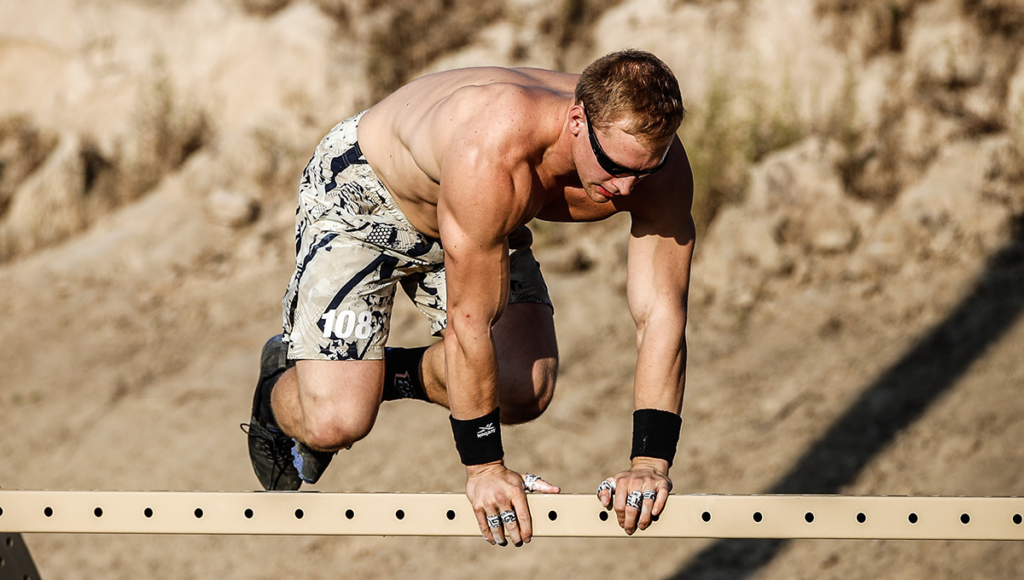
Burpees Over Objects or Boxes
The jump phase is more demanding. Emphasize a strong exhale during takeoff and landing to maintain trunk control and reduce impact forces.
Burpee Pull-Ups
Upper-body involvement increases oxygen demand. Expect breathing rate to rise. Avoid breath holding during the pull-up; exhale as you pull, inhale as you lower.
Research on combined upper and lower body exercise shows significantly higher ventilation requirements compared to lower body alone (Calbet et al., 2005).
Burpee Box Jump Overs
These variations add eccentric loading and coordination demands. Controlled breathing improves movement precision and reduces error under fatigue.
How Breathing Affects Performance Metrics
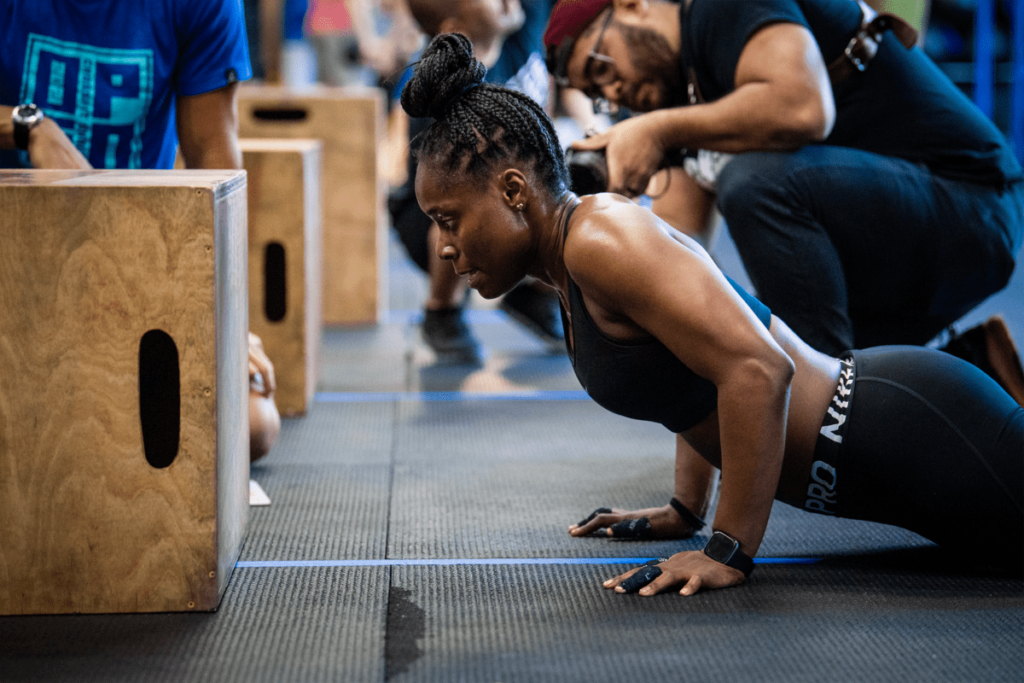
Breathing strategy influences more than comfort.
Work Capacity and Time to Exhaustion
Studies consistently show that efficient ventilation improves endurance and delays fatigue during high-intensity efforts (Sheel et al., 2016).
Athletes who maintain rhythmic breathing during repeated bouts can sustain output longer than those with erratic breathing.
Perceived Exertion
Controlled breathing reduces ratings of perceived exertion, even when objective workload remains the same (Bernasconi and Kohl, 1993).
This matters in workouts where mental fatigue limits performance before muscular failure.
Recovery Between Reps and Sets
Effective exhalation accelerates carbon dioxide clearance, which improves recovery between reps and sets. Faster recovery allows higher total work output across a workout (Forster et al., 2012).
Breathing Under Fatigue: What Changes and What Shouldn’t
As fatigue sets in, breathing rate will increase. That is normal and necessary.
What should not change:
- Continuous airflow (no breath holding)
- Exhaling during effort
- Maintaining rhythm
Research shows that even under extreme fatigue, maintaining breathing coordination improves tolerance and reduces cardiovascular strain (Sheel et al., 2016).
Training Breathing Specifically for Burpees
Breathing is trainable.
Low-Intensity Technique Practice
Practice burpees at low intensity while exaggerating slow, controlled breathing. This builds awareness and coordination without fatigue masking errors.
Tempo Burpees
Slowing the movement exposes poor breathing habits. Use a deliberate tempo to reinforce exhale-on-effort patterns.
Interval Conditioning
Short, intense burpee intervals with prescribed breathing focus improve carryover to competition or workouts. Respiratory muscle training has been shown to improve high-intensity exercise performance (Illi et al., 2012).
Diaphragmatic Breathing Outside Workouts
Training diaphragmatic breathing at rest improves breathing efficiency during exercise and enhances trunk stability (Hodges et al., 2001).
Special Considerations for Safety
Blood Pressure Concerns
Holding breath during burpees can cause excessive blood pressure spikes. Exhaling during effort reduces this response and is recommended for general populations (American College of Sports Medicine, 2009).
Dizziness and Lightheadedness
Rapid hyperventilation without full exhalation can cause dizziness due to altered carbon dioxide levels. Focus on complete exhalation to avoid this.
Beginners vs Advanced Athletes
Beginners benefit most from simple, consistent breathing cues. Advanced athletes may experiment with subtle variations but should still prioritize continuous airflow.
Putting It All Together
Breathing during burpees should be:
- Continuous
- Rhythmic
- Matched to movement phases
- Focused on exhaling during effort
These principles are supported by decades of research in exercise physiology, respiratory mechanics, and neuromuscular coordination.
Burpees will always be hard. But with efficient breathing, they become more sustainable, safer, and more effective.
References
- American College of Sports Medicine (2009) ‘Progression models in resistance training for healthy adults’, Medicine & Science in Sports & Exercise, 41(3), pp. 687–708.
- Bernasconi, P. and Kohl, J. (1993) ‘Analysis of coordination between breathing and exercise rhythms in man’, Journal of Physiology, 471, pp. 693–706.
- Calbet, J.A.L., Holmberg, H.C., Rosdahl, H. and van Hall, G. (2005) ‘Why do arms extract less oxygen than legs during exercise?’, American Journal of Physiology, 289(1), pp. R144–R152.
- Courtney, R. (2009) ‘The functions of breathing and its dysfunctions and their relationship to breathing therapy’, International Journal of Osteopathic Medicine, 12(3), pp. 78–85.
- Dallam, G.M., Kies, B. and Hunter, T. (2018) ‘Nasal breathing during high-intensity aerobic exercise improves oxygen uptake and ventilatory efficiency’, Journal of Sports Science and Medicine, 17(4), pp. 495–503.
- Forster, H.V., Haouzi, P. and Dempsey, J.A. (2012) ‘Control of breathing during exercise’, Comprehensive Physiology, 2(1), pp. 743–777.
- Hodges, P.W., Gandevia, S.C. and Richardson, C.A. (2001) ‘Contractions of the abdominal muscles associated with movement of the lower limb’, Journal of Physiology, 537(3), pp. 999–1006.