


Healthy eating advice often focuses on popular superfoods such as blueberries, salmon, or kale. While these foods certainly deserve their reputation, the constant spotlight on a small group of ingredients has caused many highly nutritious foods to be overlooked. Some everyday foods deliver exceptional nutritional value, support long term health, and are widely available. Yet they rarely receive the recognition they deserve.
Nutrition science has repeatedly shown that dietary patterns rich in whole foods improve metabolic health, reduce the risk of chronic disease, and support physical performance. The challenge is not only choosing healthy foods, but identifying which foods provide the greatest benefit relative to how often they are eaten. Some foods offer extraordinary nutritional density but remain underappreciated in modern diets.


This article explores three underrated healthy foods that deserve far more attention. Each one is backed by strong scientific evidence demonstrating benefits for cardiovascular health, metabolic function, digestive health, and overall wellbeing. These foods are affordable, versatile, and easy to include in daily meals.
If your goal is better health, improved recovery, or simply a more nutrient dense diet, these three foods should move much higher on your grocery list.
Why Some Healthy Foods Remain Underrated
Before exploring the foods themselves, it is helpful to understand why certain foods receive less attention despite strong scientific support.
Nutrition Trends Often Favor Novelty
Food trends tend to highlight exotic or newly discovered ingredients. Acai berries, chia seeds, and spirulina gained popularity because they were marketed as unique superfoods. Meanwhile, many traditional foods with decades of research behind them remain overlooked because they are familiar and inexpensive.

Marketing Shapes Perception
The modern food industry spends billions on marketing processed foods. Whole foods rarely receive the same promotion. As a result, many nutrient dense foods are simply not part of mainstream nutrition discussions.
Simplicity Can Be Misleading
People often assume that foods with simple appearances are nutritionally ordinary. However, many humble foods contain complex combinations of vitamins, minerals, fiber, and bioactive compounds that support long term health.
With that in mind, let us look at three foods that deserve far more recognition for their powerful health benefits.
1. Sardines
Sardines are one of the most nutritionally dense foods on the planet, yet they remain one of the least appreciated sources of high quality nutrition.
These small oily fish are packed with omega 3 fatty acids, protein, vitamins, and minerals that support heart health, brain function, and muscle recovery. They are also among the most sustainable seafood options available.
Exceptional Nutrient Density
Sardines contain an impressive range of nutrients in a relatively small serving.
A typical 100 gram serving provides high quality protein, vitamin B12, vitamin D, calcium, selenium, and significant amounts of omega 3 fatty acids. Because sardines are usually eaten whole, including the bones, they are also an excellent source of calcium.
Vitamin B12 plays a key role in energy metabolism, nerve function, and red blood cell production. Research shows that vitamin B12 deficiency can impair cognitive function and increase fatigue. Sardines provide several times the recommended daily intake in a single serving.

Sardines also contain high levels of selenium, an essential mineral that supports antioxidant defenses and thyroid health.
A Powerful Source of Omega 3 Fatty Acids
Omega 3 fatty acids are critical for cardiovascular health and inflammation control. The two most important forms found in fish are EPA and DHA.
These fatty acids help regulate inflammation, support brain function, and contribute to healthy blood lipid levels. Numerous studies have shown that higher omega 3 intake is associated with lower risk of cardiovascular disease.
Sardines provide large amounts of EPA and DHA in a natural form that is easily absorbed by the body.
Benefits for Heart Health
Cardiovascular disease remains the leading cause of death globally. Diet plays a central role in reducing risk.
Regular consumption of oily fish such as sardines has been linked to improved cholesterol profiles, lower triglyceride levels, and reduced inflammation markers. These effects are largely attributed to omega 3 fatty acids.
Research also shows that omega 3 intake may help reduce blood pressure and improve arterial function.
Excellent Protein for Muscle Health
Athletes and physically active individuals need adequate protein to support muscle repair and recovery. Sardines contain complete protein with all essential amino acids required for muscle protein synthesis.
In addition to protein, sardines contain leucine, an amino acid that plays a key role in triggering muscle growth pathways.
This combination makes sardines a valuable food for maintaining muscle mass, especially as people age.
Highly Sustainable Seafood
Unlike large predatory fish, sardines are low on the marine food chain and reproduce quickly. This makes them one of the most sustainable seafood choices available.
They also accumulate far lower levels of mercury compared with larger fish such as tuna or swordfish.
Easy Ways to Add Sardines to Your Diet
Sardines are incredibly versatile and require no preparation when purchased canned.
You can add them to salads, mix them into whole grain pasta, place them on toast with avocado, or include them in Mediterranean style bowls.
Because they are inexpensive and shelf stable, they are one of the easiest ways to increase your intake of omega 3 fatty acids.
2. Lentils
Lentils are one of the most nutritionally impressive plant foods, yet they are often overshadowed by trendier plant proteins.
These small legumes have been staples in traditional diets for thousands of years and provide a remarkable combination of protein, fiber, vitamins, and minerals.
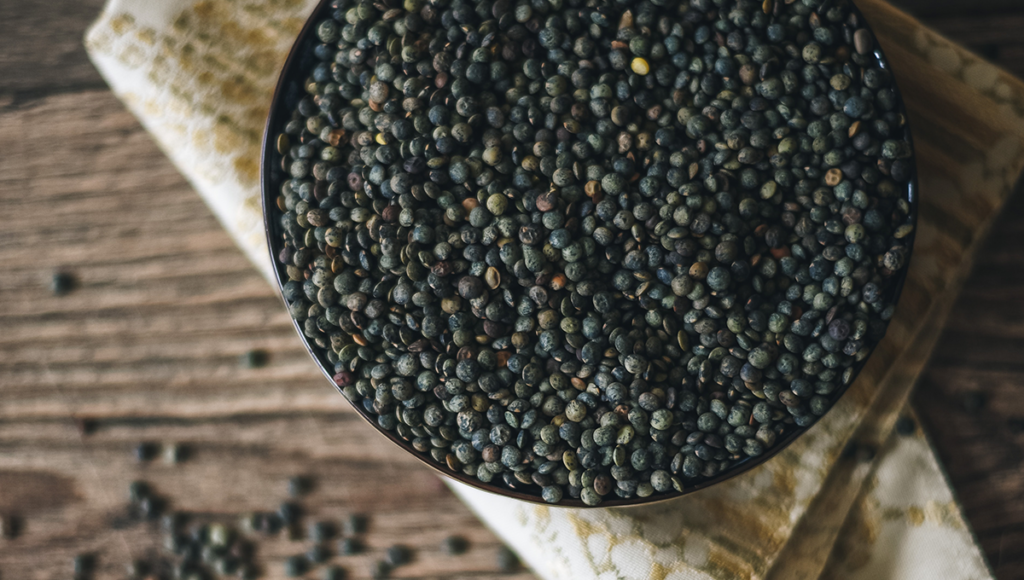
They also support heart health, metabolic health, and digestive health.
A Powerful Plant Protein Source
Lentils contain approximately 18 grams of protein per cooked cup. This makes them one of the richest plant based protein sources available.
While lentils do not contain quite the same amino acid balance as animal proteins, they still contribute significantly to daily protein intake, especially when combined with whole grains.
This makes them particularly valuable for individuals following plant based diets.
Rich in Fiber for Gut Health
One of the most important benefits of lentils is their extremely high fiber content.
A single cup of cooked lentils contains roughly 15 grams of dietary fiber. Fiber plays a critical role in digestive health and metabolic regulation.
Soluble fiber helps regulate blood glucose levels by slowing carbohydrate absorption. This can improve insulin sensitivity and help stabilize energy levels after meals.
Fiber also feeds beneficial gut bacteria. These microbes produce short chain fatty acids that support gut barrier function and reduce inflammation.
Blood Sugar Regulation
Lentils have a low glycemic index, meaning they cause a slower rise in blood sugar compared with refined carbohydrates.
Clinical trials have shown that replacing refined grains with lentils can significantly improve blood glucose control.
This makes lentils particularly beneficial for individuals with insulin resistance or type 2 diabetes.
Cardiovascular Benefits
Lentils contain several nutrients that support heart health, including potassium, magnesium, and folate.
Potassium helps regulate blood pressure by balancing sodium levels in the body. Magnesium supports vascular function and healthy blood flow.
Research also shows that diets rich in legumes are associated with lower LDL cholesterol levels and reduced cardiovascular risk.
Weight Management Support
Foods high in protein and fiber tend to promote greater satiety. Lentils deliver both of these nutrients in large amounts.
Several studies have found that diets including legumes help improve appetite control and may contribute to weight management.
Because lentils are relatively low in calories but highly filling, they make an excellent addition to balanced meals.
Simple Ways to Eat More Lentils
Lentils cook quickly and require no soaking, which makes them convenient compared with many other legumes.
They work well in soups, stews, salads, curries, and grain bowls. They can also be used as a plant based alternative to ground meat in dishes such as tacos or pasta sauces.
Their mild flavor allows them to absorb spices and seasonings easily.
3. Fermented Cabbage (Sauerkraut and Kimchi)
Fermented foods have gained attention for their ability to support gut health, but fermented cabbage remains surprisingly underconsumed despite strong evidence of its benefits.
Foods such as sauerkraut and kimchi contain beneficial bacteria, vitamins, and bioactive compounds that support digestion, immune function, and metabolic health.
Natural Probiotics for Gut Health
Fermented cabbage contains live microorganisms that act as probiotics.
These bacteria can help maintain a healthy balance of microbes in the digestive system. A diverse gut microbiome is associated with better digestion, improved immune responses, and reduced inflammation.
Fermentation also increases the bioavailability of certain nutrients and produces beneficial organic acids.
Improved Digestibility and Nutrient Absorption
The fermentation process partially breaks down plant compounds, making nutrients easier to absorb.
For example, fermentation reduces compounds that can interfere with mineral absorption. This allows the body to better utilize nutrients such as iron and zinc.
Fermented cabbage also contains vitamin C, vitamin K, and various antioxidant compounds.
Immune System Support
The gut plays a central role in immune function. A significant portion of immune cells reside in the gastrointestinal tract.
Probiotic rich foods help maintain the integrity of the gut lining and regulate immune responses. This may contribute to improved resistance to infections and lower levels of chronic inflammation.
Potential Metabolic Benefits
Emerging research suggests that fermented foods may support metabolic health.
Regular consumption of fermented vegetables has been associated with improvements in cholesterol levels and markers of inflammation.

Fermentation also produces compounds that may help regulate blood sugar levels and support digestive enzyme activity.
Traditional Foods with Modern Relevance
Kimchi and sauerkraut have been staples in traditional diets for centuries. These foods were historically valued not only for preservation but also for their health benefits.
Modern research increasingly supports the nutritional wisdom behind these traditional practices.
Easy Ways to Add Fermented Cabbage to Meals
Adding fermented cabbage to your diet requires very little effort.
It can be used as a side dish, added to salads, served with eggs, placed on sandwiches, or mixed into grain bowls.
Choosing unpasteurized varieties ensures that beneficial live bacteria are preserved.
Why These Foods Work Well Together
Interestingly, these three foods complement each other nutritionally.
Sardines provide omega 3 fatty acids and complete protein. Lentils deliver fiber and plant protein. Fermented cabbage supports gut health and digestion.
Together they support cardiovascular health, metabolic regulation, immune function, and muscle maintenance.
This combination also reflects the principles seen in many traditional diets around the world, where simple whole foods create balanced nutrition.
Practical Strategies to Include Them Weekly
Improving nutrition does not require drastic changes. Small consistent habits often produce the greatest long term results.
Build Simple Balanced Meals
A simple meal could include lentils as the base, sardines as a protein source, and fermented cabbage as a flavorful topping.
This combination provides protein, fiber, healthy fats, and probiotics in one dish.
Use Them as Convenient Staples
Canned sardines, cooked lentils, and jars of fermented cabbage all store well and require minimal preparation.
Keeping these foods in your kitchen makes healthy eating far easier.
Rotate Them Through Different Dishes
Try lentil soups, sardine salads, or rice bowls topped with kimchi. Variety helps maintain interest while still delivering consistent nutrition.
The Bigger Lesson About Underrated Foods
The most powerful foods for health are often not the most fashionable.
In many cases, the foods that have supported human health for generations remain among the most beneficial today.
Sardines, lentils, and fermented cabbage demonstrate that nutritional excellence does not require expensive or exotic ingredients.
They are simple, accessible foods with remarkable health benefits supported by strong scientific evidence.
Adding these foods to your diet is one of the easiest ways to increase nutrient density, support long term health, and improve overall dietary quality.
References
• Bazzano, L.A., Thompson, A.M., Tees, M.T., Nguyen, C.H. and Winham, D.M. (2011). Non soy legume consumption lowers cholesterol levels. Nutrition, Metabolism and Cardiovascular Diseases, 21(2), pp.94–103.
• Calder, P.C. (2015). Marine omega 3 fatty acids and inflammatory processes. Biochimica et Biophysica Acta, 1851(4), pp.469–484.
• Chilton, F.H., Dutta, R., Reynolds, L.M., Sergeant, S., Mathias, R.A. and Seeds, M.C. (2017). Precision nutrition and omega 3 fatty acids. Prostaglandins, Leukotrienes and Essential Fatty Acids, 119, pp.15–24.
• Marco, M.L., Sanders, M.E., Gänzle, M., Arrieta, M.C., Cotter, P.D., De Vuyst, L., Hill, C., Holzapfel, W., Lebeer, S., Reid, G. and Hutkins, R. (2021). The International Scientific Association for Probiotics and Prebiotics consensus statement on fermented foods. Nature Reviews Gastroenterology and Hepatology, 18(3), pp.196–208.
• McRae, M.P. (2017). Dietary fiber intake and type 2 diabetes risk reduction. Nutrients, 9(9), p.939.
• Mozaffarian, D. and Wu, J.H. (2011). Omega 3 fatty acids and cardiovascular disease. Journal of the American College of Cardiology, 58(20), pp.2047–2067.
• Slavin, J. (2013). Fiber and prebiotics. Nutrients, 5(4), pp.1417–1435.
• Winham, D.M. and Hutchins, A.M. (2007). Baked beans and glycemic response. Nutrition Journal, 6(1), p.28.