The term “dad bod” has become a popular way to describe a physique that carries moderate body fat, reduced muscle definition, and often lower levels of physical fitness.
While it is sometimes framed humorously, the underlying physiology is serious. Increased abdominal fat, reduced lean muscle mass, and declining metabolic health are all linked to higher risks of cardiovascular disease, insulin resistance, and reduced longevity.


The good news is that reversing a dad bod is not about extreme diets or punishing workouts. Science consistently shows that a small number of well executed habits can produce meaningful changes in body composition and health. This article breaks down three evidence based strategies that work together to reduce fat, build muscle, and restore metabolic health.
Understanding What a Dad Bod Really Is
Before jumping into solutions, it helps to understand what is actually happening in the body.
Excess Body Fat and Energy Balance
A dad bod is primarily characterized by an increase in body fat, especially visceral fat around the abdomen. This type of fat is metabolically active and associated with inflammation, insulin resistance, and increased risk of chronic disease.
At its core, fat gain occurs when energy intake consistently exceeds energy expenditure. However, the process is influenced by hormones, sleep, stress, and activity levels.
Loss of Muscle Mass
Many men gradually lose muscle mass as they age. This process, known as sarcopenia, begins as early as the thirties. Muscle tissue is metabolically active, meaning it burns more energy at rest compared to fat. Losing muscle lowers daily energy expenditure and makes fat gain easier.

Hormonal and Lifestyle Factors
Testosterone levels tend to decline with age, especially when combined with poor sleep, inactivity, and excess body fat. Lower testosterone is linked to increased fat storage and reduced muscle building capacity.
Lifestyle patterns such as prolonged sitting, irregular meals, high alcohol intake, and poor sleep all contribute to the development of a dad bod.
With this foundation in mind, let’s move into the three most effective strategies to reverse it.
Tip 1: Build Muscle with Resistance Training
Resistance training is one of the most powerful tools for transforming body composition. It directly targets muscle growth while also improving metabolic health.
Why Muscle Matters
Muscle tissue plays a central role in energy balance. Increasing muscle mass raises resting metabolic rate, meaning your body burns more calories even when you are not exercising. More importantly, muscle improves glucose uptake and insulin sensitivity, which helps regulate blood sugar levels.
Research consistently shows that resistance training reduces fat mass while preserving or increasing lean mass, even when body weight does not change significantly.
The Science Behind Resistance Training
Resistance training stimulates muscle protein synthesis. This process is the mechanism through which muscles repair and grow after being stressed by exercise. Over time, repeated training leads to hypertrophy, which is an increase in muscle size.
Studies demonstrate that resistance training can significantly reduce visceral fat, even without major changes in diet. It also improves strength, bone density, and hormonal health.

How to Structure Your Training
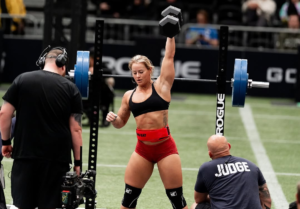
You do not need to spend hours in the gym. What matters most is consistency and progressive overload, which means gradually increasing the challenge placed on your muscles.
Focus on compound movements that train multiple muscle groups at once:
- Squats
- Deadlifts
- Bench press
- Rows
- Pull ups
- Overhead press
Aim for three to four sessions per week. Each session should include:
- Three to five exercises
- Three to four sets per exercise
- Eight to twelve repetitions per set
Rest periods of one to two minutes are generally effective for muscle growth.
Dad Bod – Progressive Overload
To keep making progress, you need to gradually increase the weight, repetitions, or training volume over time. Without this progression, the body adapts and stops changing.
Time Efficiency
Even short sessions can be effective. Research shows that total weekly training volume is more important than session length. A focused forty five minute workout can deliver excellent results.
Additional Benefits
Resistance training has benefits beyond aesthetics:
Improved insulin sensitivity
Reduced risk of cardiovascular disease
Better joint stability
Enhanced mental health
These effects make it a cornerstone strategy for reversing a dad bod.
Tip 2: Optimize Nutrition for Fat Loss and Muscle Retention

Exercise alone is not enough. Nutrition plays a critical role in determining whether you lose fat, gain muscle, or both.
Energy Balance Still Matters
Fat loss requires a calorie deficit, meaning you consume fewer calories than you burn. However, the size of the deficit matters. Extreme calorie restriction can lead to muscle loss, hormonal disruption, and poor adherence.
A moderate calorie deficit of about ten to twenty percent below maintenance is generally effective and sustainable.
Prioritize Protein Intake
Protein is the most important macronutrient for improving body composition. It supports muscle repair and growth while also increasing satiety.
Higher protein intake has been shown to:
Preserve lean mass during weight loss
Increase metabolic rate due to the thermic effect of food
Reduce hunger and cravings
Aim for approximately 1.6 to 2.2 grams of protein per kilogram of body weight per day.
Focus on Whole Foods
Highly processed foods are often calorie dense and easy to overconsume. Whole foods tend to be more filling and nutrient rich.
Base your diet around:
Lean proteins such as chicken, fish, eggs, and legumes
Vegetables and fruits
Whole grains
Healthy fats from sources like olive oil, nuts, and seeds
These foods provide essential nutrients that support overall health and recovery.
Control Liquid Calories and Alcohol
Alcohol is a major contributor to the dad bod. It is calorie dense and often leads to overeating. It also impairs fat oxidation and disrupts sleep quality.
Reducing alcohol intake can have a significant impact on body composition and recovery.
Sugary drinks and high calorie beverages should also be limited, as they provide little satiety.
Meal Timing and Consistency
While total calorie intake is the main driver of fat loss, meal timing can influence energy levels and performance.
Eating regular meals with adequate protein distribution across the day supports muscle protein synthesis and helps control hunger.
Fiber and Satiety
Fiber rich foods such as vegetables, fruits, and whole grains help you feel full while consuming fewer calories. This makes it easier to maintain a calorie deficit without feeling deprived.
The Science Behind Nutrition
Research shows that diets higher in protein and lower in processed foods lead to greater fat loss and better adherence. Additionally, maintaining protein intake during a calorie deficit helps preserve lean muscle mass.
Tip 3: Improve Lifestyle Factors That Influence Fat Loss
Training and nutrition are critical, but they do not operate in isolation. Sleep, stress, and daily activity levels play major roles in body composition.
Sleep and Hormonal Regulation
Sleep is often overlooked, but it has a profound impact on fat loss and muscle gain. Poor sleep is associated with:
- Increased hunger hormones such as ghrelin
- Reduced satiety hormones such as leptin
- Impaired glucose metabolism
- Lower testosterone levels
Studies show that sleep deprivation can lead to increased fat gain and reduced muscle retention, even when calorie intake is controlled.
Aim for seven to nine hours of quality sleep per night.
Stress and Cortisol
Chronic stress elevates cortisol levels, which can promote fat storage, particularly in the abdominal area. High stress levels are also linked to emotional eating and reduced motivation for exercise.
Managing stress through techniques such as mindfulness, physical activity, and structured routines can improve both mental and physical health.
Daily Movement and NEAT
Non exercise activity thermogenesis, or NEAT, refers to the calories burned through daily activities such as walking, standing, and general movement. NEAT can vary significantly between individuals and has a major impact on total daily energy expenditure.
Simple ways to increase NEAT include:
- Walking more throughout the day
- Taking the stairs instead of the elevator
- Standing during work when possible
- Engaging in active hobbies
These small changes can accumulate into meaningful increases in calorie expenditure.
Consistency Over Perfection
The most important lifestyle factor is consistency. Sustainable habits lead to long term results, while extreme short term efforts often fail. Focus on building routines that you can maintain over months and years.
The Role of Hormones
Lifestyle improvements support hormonal balance. Better sleep, reduced stress, and regular exercise all contribute to healthier testosterone levels and improved metabolic function.
Putting It All Together
Getting rid of a dad bod is not about a single intervention. It is about combining resistance training, smart nutrition, and supportive lifestyle habits.
Here is how these elements work together:
- Resistance training builds muscle and improves metabolism
- Nutrition creates the conditions for fat loss while preserving muscle
- Lifestyle factors support hormonal balance and recovery
When these components align, the body becomes more efficient at burning fat and maintaining lean mass.
Common Mistakes to Avoid
Overdoing Cardio: While cardio can help burn calories, excessive amounts without resistance training can lead to muscle loss. A balanced approach is more effective.
Extreme Dieting: Severely restricting calories can slow metabolism, increase hunger, and reduce adherence. Moderate deficits are more sustainable.
Ignoring Recovery: Training without adequate sleep and recovery limits progress and increases injury risk.
Lack of Progression: Doing the same workouts with the same weights will eventually lead to a plateau. Progressive overload is essential.
How Long Does It Take to See Results
Visible changes in body composition typically take several weeks to months. Early improvements often include increased strength, better energy levels, and improved sleep. Fat loss and muscle gain occur gradually. Consistency over time is the key driver of results.
Final Thoughts
A dad bod is not inevitable. It is the result of lifestyle patterns that can be changed with the right approach.
By focusing on resistance training, optimizing nutrition, and improving lifestyle habits, you can significantly improve your body composition and overall health. The goal is not perfection. It is progress. Small, consistent actions lead to meaningful long term change.
Key Takeaways
| Strategy | What to Do | Why It Works |
|---|---|---|
| Resistance Training | Train 3 to 4 times per week with compound movements | Builds muscle, boosts metabolism, reduces fat |
| Nutrition | Maintain a moderate calorie deficit and eat high protein foods | Promotes fat loss while preserving muscle |
| Lifestyle | Prioritize sleep, manage stress, increase daily movement | Supports hormones and overall energy balance |
References
- Phillips, S.M. and Van Loon, L.J.C. (2011). Dietary protein for athletes: from requirements to optimum adaptation. Journal of Sports Sciences, 29(S1), pp.S29–S38.
- Morton, R.W. et al. (2018). A systematic review, meta analysis and meta regression of the effect of protein supplementation on resistance training induced gains in muscle mass and strength. British Journal of Sports Medicine, 52(6), pp.376–384.
- Schoenfeld, B.J. (2010). The mechanisms of muscle hypertrophy and their application to resistance training. Journal of Strength and Conditioning Research, 24(10), pp.2857–2872.
- Willis, L.H. et al. (2012). Effects of aerobic and resistance training on body mass and fat mass in overweight or obese adults. Journal of Applied Physiology, 113(12), pp.1831–1837.
- Hall, K.D. et al. (2012). Quantification of the effect of energy imbalance on bodyweight. The Lancet, 378(9793), pp.826–837.
- Paddon Jones, D. et al. (2008). Protein, weight management, and satiety. American Journal of Clinical Nutrition, 87(5), pp.1558S–1561S.
- Westerterp Plantenga, M.S. et al. (2009). Dietary protein, weight loss, and weight maintenance. Annual Review of Nutrition, 29, pp.21–41.
- Chaput, J.P. et al. (2010). Short sleep duration is associated with increased risk of weight gain and obesity. Sleep, 31(4), pp.517–523.
- Spiegel, K. et al. (2004). Brief communication: sleep curtailment in healthy young men is associated with decreased leptin levels and increased ghrelin levels. Annals of Internal Medicine, 141(11), pp.846–850.
- Levine, J.A. (2002). Non exercise activity thermogenesis. American Journal of Clinical Nutrition, 76(3), pp.673–679.
- Kraemer, W.J. and Ratamess, N.A. (2005). Hormonal responses and adaptations to resistance exercise and training. Sports Medicine, 35(4), pp.339–361.
- Irwin, M.R. (2015). Why sleep is important for health: a psychoneuroimmunology perspective. Annual Review of Psychology, 66, pp.143–172.