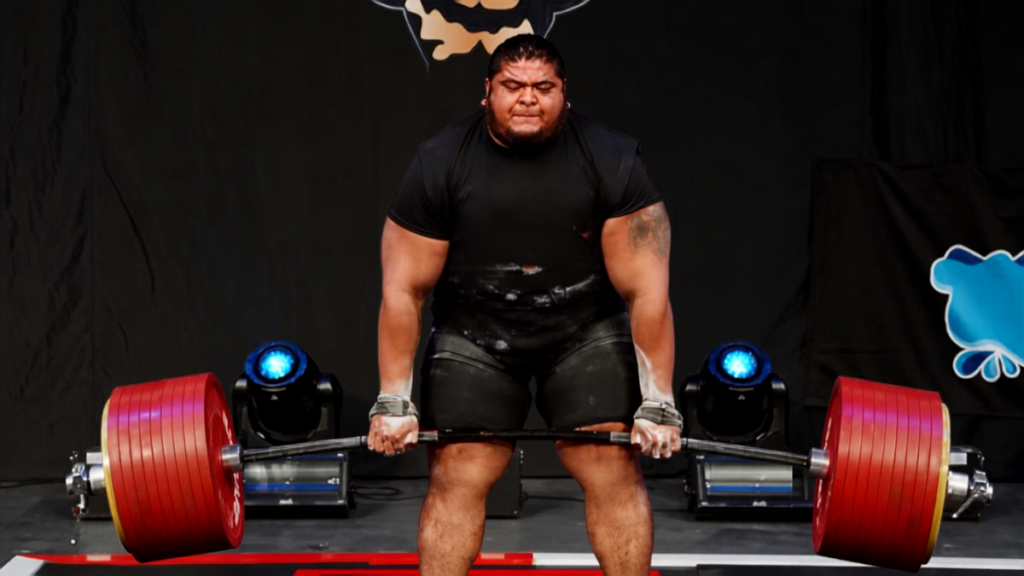
Building a strong, muscular back is one of the most rewarding goals in fitness. A well-developed back improves posture, supports athletic performance, and creates that powerful V taper look that many people want. For beginners, however, back training can feel confusing. You cannot easily see your back muscles while training, and the movements often feel less intuitive than exercises like curls or push ups.
This guide breaks things down into five clear, science-backed tips that will help beginners build a bigger, stronger back.


Understanding the Back Muscles
Before jumping into the tips, it helps to understand what you are actually training. The back is not one muscle. It is a complex group that includes:
- Latissimus dorsi, often called the lats. These are the large muscles that give width to your back.
- Trapezius, especially the middle and lower portions, which help control the shoulder blades.
- Rhomboids, which assist in pulling the shoulder blades together.
- Erector spinae, which run along your spine and help maintain posture and stability.
Each of these muscles has different functions. That is why a good back program includes a mix of pulling movements from different angles. Research shows that varying exercise selection improves overall muscle activation and hypertrophy across muscle groups.
Tip 1: Prioritize Compound Pulling Movements
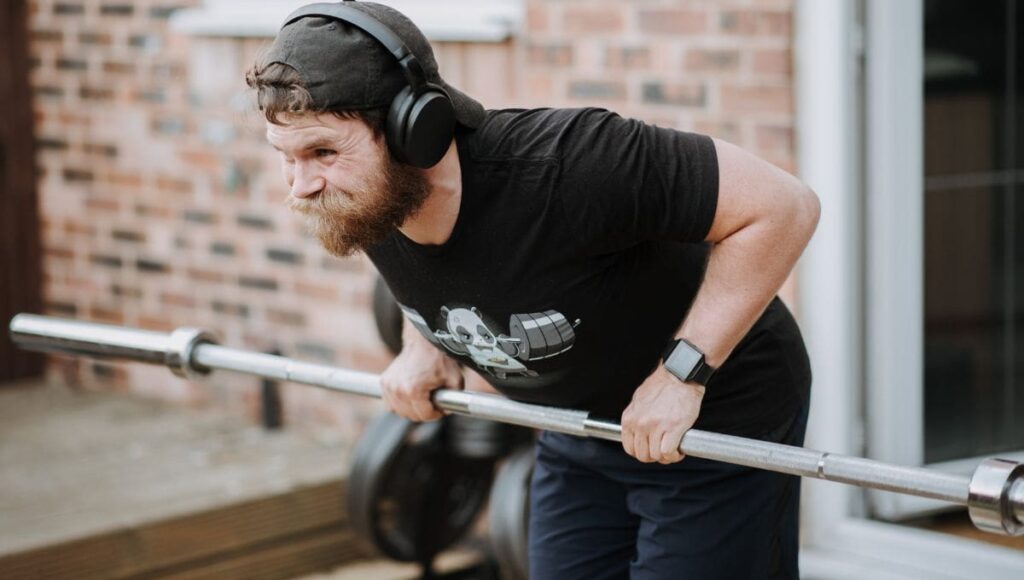
Why compound exercises matter
Compound movements train multiple muscles at once. For the back, this means exercises that involve pulling with both the arms and the shoulder blades. These exercises allow you to lift heavier loads and create a stronger growth stimulus.
Studies consistently show that multi joint exercises produce significant increases in muscle size and strength because they recruit more motor units and allow greater mechanical tension. Mechanical tension is one of the main drivers of muscle hypertrophy.
Key exercises to focus on
If you are a beginner, build your program around these foundational movements:
- Pull ups or assisted pull ups
- Lat pulldowns
- Barbell rows
- Dumbbell rows
- Seated cable rows
These exercises target the lats, traps, and rhomboids effectively. For example, electromyography research has shown high lat activation during pull ups and lat pulldowns, especially when performed with proper form.
How to apply this
Train your back two to three times per week and include at least one vertical pull and one horizontal pull in each session. A simple structure could be:
- Vertical pull: pull ups or lat pulldowns
- Horizontal pull: barbell row or seated cable row
Focus on controlled movement, not just lifting the weight. Beginners often rush through reps, but slower, controlled reps increase muscle activation and improve technique.
Tip 2: Learn Proper Technique and Mind Muscle Connection
Why technique is everything
Many beginners struggle to feel their back working. Instead, they feel their arms doing most of the work. This happens because the biceps take over when technique is poor.
Research shows that proper technique and internal focus on the target muscle can increase muscle activation. This is often called the mind muscle connection.
Key technique cues
To engage your back more effectively:
- Pull with your elbows, not your hands
- Keep your chest lifted and shoulders down
- Squeeze your shoulder blades together at the end of each rep
- Avoid excessive swinging or momentum
These cues help shift the workload from your arms to your back muscles.
Mind muscle connection in practice
Studies have found that focusing attention on the target muscle increases activation, especially at moderate loads. For beginners, this means:
- Use weights you can control
- Slow down the eccentric phase, which is the lowering part of the movement
- Pause briefly at peak contraction
For example, during a row, pull the handle toward your torso, hold for a second while squeezing your back, then slowly return to the starting position.
Tip 3: Train with Enough Volume and Progressive Overload

What is training volume
Training volume refers to the total amount of work you perform, usually measured as sets multiplied by reps multiplied by weight. Research shows that higher training volumes are associated with greater muscle growth, up to a point. For beginners, moderate volume is ideal. Too little volume will not stimulate growth, while too much can lead to fatigue and poor recovery.
Recommended volume for beginners
Scientific reviews suggest that beginners can build muscle effectively with 10 to 15 sets per muscle group per week. For the back, this includes all pulling exercises combined.
Progressive overload explained
Muscles grow when they are challenged beyond their current capacity. This is called progressive overload. You can achieve this by:
- Increasing weight
- Increasing reps
- Adding more sets
- Improving form and control
Research consistently shows that progressive overload is essential for long term muscle growth.
How to implement it
Start with a weight that allows you to perform 8 to 12 reps with good form. Each week, aim to add one or two reps, or increase the weight slightly. Track your workouts so you can see progress over time. Even small improvements add up.
Tip 4: Do Not Neglect Recovery and Nutrition
Muscle growth happens outside the gym
Training creates the stimulus for growth, but recovery is where the actual muscle building occurs. Without proper recovery, your progress will stall.
The role of protein
Protein provides the building blocks for muscle repair and growth. Research shows that protein intake is strongly linked to muscle hypertrophy, especially when combined with resistance training. Beginners should aim for around 1.6 to 2.2 grams of protein per kilogram of body weight per day. This range is supported by multiple meta analyses.
Sleep and recovery
Sleep is often overlooked, but it is critical for muscle growth. Studies show that sleep deprivation reduces muscle protein synthesis and impairs recovery. Aim for 7 to 9 hours of quality sleep per night.
Rest between sessions
Allow at least 48 hours between intense back workouts. This gives your muscles time to recover and adapt.
Practical nutrition tips
- Eat a protein rich meal after training
- Include carbohydrates to support energy and recovery
- Stay hydrated
Consistent nutrition supports consistent progress.
Tip 5: Use Full Range of Motion and Control the Tempo
Why range of motion matters
Using a full range of motion means moving through the complete stretch and contraction of a muscle. Research shows that training at longer muscle lengths can enhance hypertrophy. For the back, this means:
- Fully extending your arms at the start of a pull
- Fully contracting your back at the end
The importance of tempo
Tempo refers to how fast you perform each part of a rep. A controlled tempo increases time under tension, which is linked to muscle growth. Studies suggest that slower tempos, especially during the eccentric phase, can enhance muscle damage and hypertrophy.
How to apply tempo
A simple guideline:
- Pull phase: about 1 to 2 seconds
- Lowering phase: about 2 to 3 seconds
Avoid dropping the weight quickly. Control every rep.
Example of a quality rep
During a lat pulldown:
- Start with arms fully extended
- Pull the bar down toward your chest while driving your elbows down
- Squeeze your lats at the bottom
- Slowly return to the starting position
This approach ensures maximum muscle engagement.
Common Mistakes Beginners Should Avoid
Even with the right plan, mistakes can slow your progress. Here are the most common ones:
Using too much weight
Lifting heavy is important, but not at the expense of form. Poor technique reduces muscle activation and increases injury risk.
Relying only on machines
Machines are useful, but free weights and bodyweight exercises recruit more stabilizing muscles and improve coordination.
Ignoring the lower back
The erector spinae are important for overall back strength. Include exercises like:
- Deadlifts
- Back extensions
These movements support spinal health and overall performance.
Inconsistent training
Muscle growth requires consistency. Skipping workouts or constantly changing programs makes it harder to progress.
Sample Beginner Back Workout
Here is a simple, effective workout you can follow:
Workout A:
- Lat pulldown: 3 sets of 8 to 12 reps
- Seated cable row: 3 sets of 8 to 12 reps
- Dumbbell row: 3 sets of 10 reps per arm
- Back extensions: 2 sets of 12 to 15 reps
Workout B:
- Assisted pull ups: 3 sets of 6 to 10 reps
- Barbell row: 3 sets of 8 to 10 reps
- Face pulls: 3 sets of 12 to 15 reps
- Deadlifts: 2 sets of 5 to 8 reps
Alternate between these workouts throughout the week.
How Long Does It Take to Build a Muscular Back
Beginners often see noticeable improvements within 8 to 12 weeks. Early gains are partly due to neural adaptations, which improve strength and coordination. Over time, consistent training leads to real muscle growth. Research shows that beginners can experience rapid progress when following a structured program with proper nutrition. Patience is key. Building a muscular back takes time, but the results are worth it.
Final Thoughts
Building a strong, muscular back is not complicated, but it does require the right approach. Focus on compound movements, master your technique, train with enough volume, recover properly, and use a full range of motion.
These five tips are grounded in scientific evidence and proven in practice. If you apply them consistently, you will build not only a better looking back, but also a stronger and healthier body.
References
- Schoenfeld, B.J. (2010) ‘The mechanisms of muscle hypertrophy and their application to resistance training’, Journal of Strength and Conditioning Research, 24(10), pp. 2857 to 2872.
- Schoenfeld, B.J., Ogborn, D. and Krieger, J.W. (2017) ‘Dose response relationship between weekly resistance training volume and increases in muscle mass’, Journal of Sports Sciences, 35(11), pp. 1073 to 1082.
- Morton, R.W. et al. (2018) ‘A systematic review, meta analysis and meta regression of the effect of protein supplementation on resistance training induced gains in muscle mass and strength’, British Journal of Sports Medicine, 52(6), pp. 376 to 384.
- Grgic, J. et al. (2018) ‘Effects of resistance training performed to repetition failure or non failure on muscular strength and hypertrophy’, Journal of Sport and Health Science, 7(1), pp. 1 to 10.