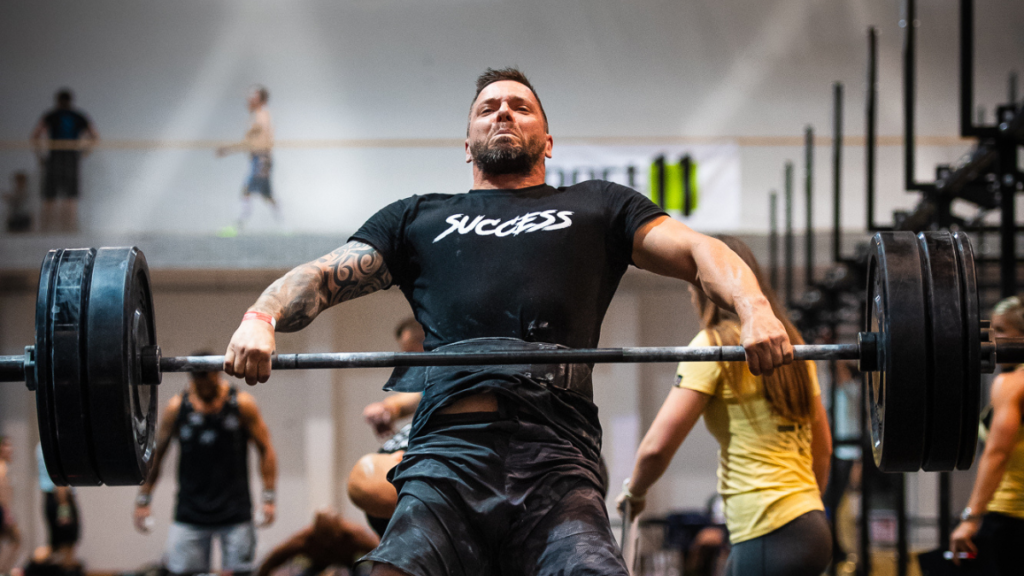


The barbell snatch is one of the most technically demanding and widely misunderstood exercises in strength and conditioning. Popularized through Olympic weightlifting and CrossFit, the movement involves lifting a barbell from the ground to overhead in one continuous motion. It is fast, precise, and unforgiving of poor mechanics. Because of this, it has become surrounded by myths that often discourage athletes from learning it or lead to flawed training approaches.
Despite its complexity, the snatch is one of the most effective exercises for developing power, coordination, mobility, and full body strength. Scientific research consistently shows that Olympic weightlifting movements, including the snatch, produce high levels of force and power output, making them highly relevant for athletic performance across many sports.


However, misconceptions about safety, required mobility, and who should perform the lift continue to persist. These misunderstandings can limit progress, increase injury risk, or prevent athletes from benefiting from one of the most valuable tools in strength training.
This article breaks down three of the most common misconceptions about the barbell snatch and replaces them with evidence based insights. The goal is to provide clear, practical understanding so athletes and coaches can make informed decisions and train more effectively.
Understanding the Barbell Snatch
Before addressing the misconceptions, it is important to understand what the snatch actually involves.
The snatch is a full body explosive lift that requires:
- Rapid force production
- Precise timing and coordination
- Mobility in the shoulders, hips, ankles, and thoracic spine
- Stability in the overhead position

The movement can be broken into key phases:
- First pull from the floor to the knees
- Transition phase around the knees
- Second pull where maximum power is generated
- Pull under the bar
- Catch in an overhead squat position
- Recovery to standing
Each phase demands both strength and technique. Research shows that peak power output during Olympic lifts occurs during the second pull, which is why these movements are often used to improve explosive performance in athletes.
With that foundation in place, we can now examine the most common misconceptions.
Misconception 1: The Snatch Is Too Dangerous for Most People
Why This Belief Exists
The snatch looks intimidating. The speed of the movement, the overhead position, and the requirement to move under the bar quickly can make it appear inherently risky. Videos of failed lifts or elite athletes lifting maximal loads often reinforce this perception.
Many people assume that because the lift is complex, it must carry a high injury risk, especially for beginners or recreational athletes.
What the Science Actually Says
Research does not support the idea that Olympic weightlifting movements are unusually dangerous when performed correctly. Injury rates in weightlifting are relatively low compared to many other sports.
Studies examining injury incidence in Olympic weightlifting report rates between 2 and 4 injuries per 1000 training hours. This is significantly lower than sports such as soccer, basketball, or running.
Importantly, most injuries in weightlifting are associated with:
- Poor technique
- Excessive loading without proper progression
- Fatigue or inadequate recovery
When the snatch is taught progressively and performed with appropriate loads, it is considered a safe and effective exercise.
Biomechanics and Safety
The snatch distributes load across the entire body rather than isolating a single joint. This can actually reduce localized stress when performed correctly.
Key safety factors include:
- Neutral spine positioning during pulls
- Active shoulder stabilization in the overhead position
- Proper bar path close to the body
- Balanced foot pressure
Electromyography studies show that the snatch activates multiple muscle groups simultaneously, including the quadriceps, glutes, hamstrings, spinal erectors, and upper back. This coordinated activation helps protect joints by sharing the load.
Injury Risk Compared to Other Exercises
When compared to common gym exercises:
- The snatch has similar or lower injury rates than squats and deadlifts
- Running and team sports have significantly higher injury rates
- Poorly executed isolation exercises can create more joint stress than well performed compound lifts
This challenges the assumption that the snatch is inherently dangerous.
Practical Takeaway
The snatch is not dangerous by default. It becomes risky when:
- Technique is ignored
- Progression is rushed
- Coaching is absent
With proper instruction and gradual loading, it is a safe and highly effective exercise.
Misconception 2: You Need Perfect Mobility Before You Can Snatch
Why This Belief Exists
The catch position of the snatch resembles a deep overhead squat. This requires:
- Shoulder flexion and stability
- Thoracic spine extension
- Hip and ankle mobility
Because many people struggle with these positions, it is often assumed that you must already possess perfect mobility before attempting the lift.
What Research Tells Us About Mobility Development
Mobility is not a prerequisite that must be perfected before training. It is a quality that improves through training itself.
Studies on resistance training show that strength exercises performed through a full range of motion can significantly improve flexibility and joint mobility. This applies to movements like squats and overhead lifts.
Olympic lifting movements, including the snatch, actively develop mobility because they require controlled movement through large ranges of motion under load.
The Role of Loaded Mobility
Loaded movements provide a unique stimulus for improving mobility because they:
- Strengthen muscles at end ranges
- Improve joint stability
- Enhance neuromuscular control
The overhead squat component of the snatch trains both mobility and stability simultaneously. This is more effective than passive stretching alone.
Addressing Common Mobility Limitations
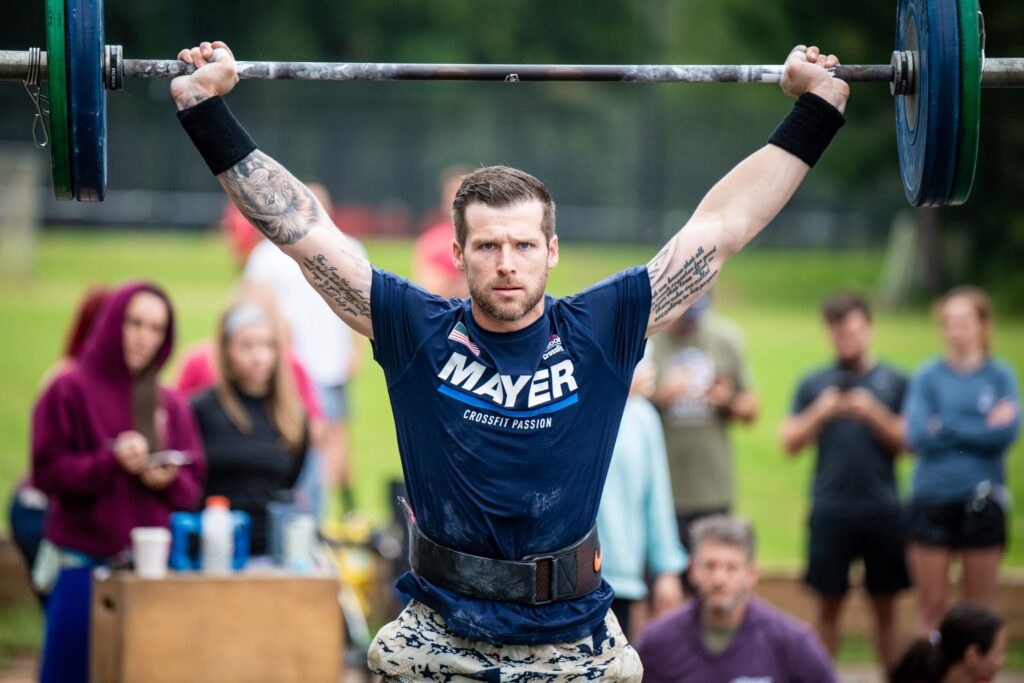
While perfect mobility is not required, certain baseline capabilities are helpful:
- Ability to perform a bodyweight squat
- Basic shoulder overhead range without pain
- Adequate ankle dorsiflexion
If limitations exist, they can be addressed alongside snatch training through:
- Progressions such as power snatches or hang snatches
- Mobility drills for hips, ankles, and shoulders
- Strength work in partial ranges
Research supports the idea that combining strength training with mobility work produces better outcomes than mobility training alone.
Technique Adjustments for Different Body Types
Anthropometry plays a role in how the snatch looks for different individuals. Factors such as limb length and torso proportions influence movement patterns.
This means:
- There is no single perfect snatch technique
- Athletes can adapt positions within safe ranges
- Mobility requirements vary slightly between individuals
Understanding this reduces the pressure to achieve a textbook position before starting.
Practical Takeaway
You do not need perfect mobility to begin snatch training. Instead:
- Use the snatch to build mobility
- Start with appropriate progressions
- Address limitations gradually
Mobility improves through consistent, well coached practice.
Misconception 3: The Snatch Is Only Useful for Olympic Weightlifters
Why This Belief Exists
The snatch is most commonly associated with Olympic weightlifting competitions. This leads many people to believe that it has limited relevance outside of that sport.
Some athletes and coaches assume that simpler exercises can provide the same benefits without the technical complexity.
Power Development and Athletic Performance
One of the primary benefits of the snatch is its ability to develop explosive power.
Research consistently shows that Olympic lifts produce higher power outputs than traditional strength exercises such as squats or deadlifts. Peak power is a key determinant of performance in many sports, including sprinting, jumping, and throwing.
The rapid triple extension of the hips, knees, and ankles in the snatch closely mimics movements used in:
- Sprint acceleration
- Vertical jumping
- Change of direction
This makes it highly transferable to athletic performance.
Neuromuscular Coordination
The snatch requires precise timing and coordination between multiple muscle groups. This enhances:
- Motor unit recruitment
- Intermuscular coordination
- Reaction speed
Studies on skill based strength training show that complex lifts improve neuromuscular efficiency more than simple movements.
Strength and Stability Benefits
The overhead position of the snatch develops:
- Shoulder stability
- Core strength
- Postural control
Research indicates that overhead lifting can improve scapular stability and reduce the risk of shoulder dysfunction when performed correctly.
Additionally, the full body nature of the lift promotes balanced strength development.
Metabolic and Conditioning Effects
The snatch is also metabolically demanding. When performed in training circuits or higher repetition sets, it can:
- Elevate heart rate
- Improve anaerobic capacity
- Increase energy expenditure
This makes it useful not only for strength and power but also for conditioning.
Applicability Beyond Elite Athletes
The snatch can be adapted for different populations:
- Beginners can use lighter loads and simplified variations
- Recreational athletes can focus on technique and moderate intensity
- Advanced athletes can use it for maximal power development
Variations include:
- Dumbbell snatch
- Kettlebell snatch
- Power snatch
- Hang snatch
These variations retain many of the benefits while reducing technical demands.
Comparison With Other Exercises
While exercises like jumps and medicine ball throws also develop power, the snatch offers unique advantages:
- External load allows for progressive overload
- Combines strength and speed in one movement
- Develops both lower and upper body simultaneously
This makes it a highly efficient training tool.
Practical Takeaway
The snatch is not limited to Olympic weightlifters. It is valuable for:
- Athletes in multiple sports
- General fitness enthusiasts
- Strength and conditioning programs
Its benefits extend far beyond competition lifting.
How to Integrate the Snatch Safely and Effectively
Understanding the misconceptions is only part of the equation. Applying the snatch correctly is what ultimately determines its value.
Start With Progressions
Begin with simpler variations:
- PVC pipe or empty bar drills
- Hang power snatch
- Muscle snatch
These help develop technique without excessive load.
Focus on Technique First
Key technical points include:
- Keep the bar close to the body
- Maintain a neutral spine
- Use the legs to drive the movement
- Stabilize actively in the overhead position
Technique should always take priority over weight.
Use Appropriate Loading
Load should match skill level:
- Beginners should focus on light to moderate loads
- Advanced athletes can incorporate heavier lifts
- Avoid maximal attempts until technique is consistent
Incorporate Mobility Work
Combine snatch training with:
- Dynamic warm ups
- Targeted mobility drills
- Strength work in weak positions
This supports long term progress.
Seek Coaching When Possible
Qualified coaching can:
- Identify technical errors
- Provide individualized feedback
- Reduce injury risk
Even a few sessions with a knowledgeable coach can make a significant difference.
Conclusion
The barbell snatch is one of the most powerful and misunderstood exercises in strength training. Misconceptions about its safety, mobility requirements, and usefulness have limited its adoption outside of specialized training environments.
However, scientific evidence clearly shows that:
- The snatch is not inherently dangerous when performed correctly
- Mobility can be developed through the movement itself
- The lift provides significant benefits for power, coordination, and overall athletic performance
Rather than avoiding the snatch, athletes and coaches should focus on learning it properly and integrating it progressively. When approached with the right mindset and structure, the snatch becomes not just a technical challenge, but a highly effective tool for building strength, resilience, and performance.
Key Takeaways
| Concept | Reality | Practical Application |
|---|---|---|
| Safety | Snatch has low injury rates when coached properly | Learn technique and progress gradually |
| Mobility | Perfect mobility is not required beforehand | Use the snatch to build mobility over time |
| Usefulness | Valuable beyond Olympic weightlifting | Apply in general fitness and sports training |
| Power Development | Produces high levels of force and power | Use for improving athletic explosiveness |
| Accessibility | Can be scaled for all levels | Start with variations and lighter loads |
References
- Aasa, U., Svartholm, I., Andersson, F. and Berglund, L. (2017) Injuries among weightlifters and powerlifters. British Journal of Sports Medicine, 51(4), pp. 211 to 219.
- Comfort, P., Allen, M. and Graham-Smith, P. (2011) Comparisons of peak ground reaction force and rate of force development during variations of the power clean. Journal of Strength and Conditioning Research, 25(5), pp. 1235 to 1241.
- Garhammer, J. (1993) A review of power output studies of Olympic and powerlifting: methodology, performance prediction, and evaluation tests. Journal of Strength and Conditioning Research, 7(2), pp. 76 to 89.
- Haff, G. and Nimphius, S. (2012) Training principles for power. Strength and Conditioning Journal, 34(6), pp. 2 to 12.