

Training at home has become one of the most popular ways to stay fit. It is convenient, flexible, and often more affordable than going to a gym. But while working out at home can be highly effective, many people run into predictable problems that limit their results.
The good news is that these problems are not random. They are well studied, and science gives us clear solutions. If you understand what is going wrong and how to fix it, you can build strength, lose fat, and improve your fitness from home just as effectively as you would in a gym.


This article breaks down three of the most common problems people face when training at home, explains why they happen based on scientific evidence, and shows you exactly how to fix them.
Problem 1: Lack of Progression and Overload
One of the biggest issues with home training is that people stop progressing. They do the same workouts, with the same weights, for weeks or even months. At first, they see results. Then everything stalls.
Why This Happens
The human body adapts quickly to stress. When you repeat the same training stimulus over time, your muscles and nervous system become more efficient. This means the same workout no longer challenges your body enough to trigger adaptation.
This concept is known as progressive overload. It is one of the most fundamental principles in exercise science. Without increasing the demands placed on your body, progress stops.

Research consistently shows that progressive overload is essential for muscle growth and strength gains. When resistance or volume increases over time, muscles respond by growing larger and stronger.
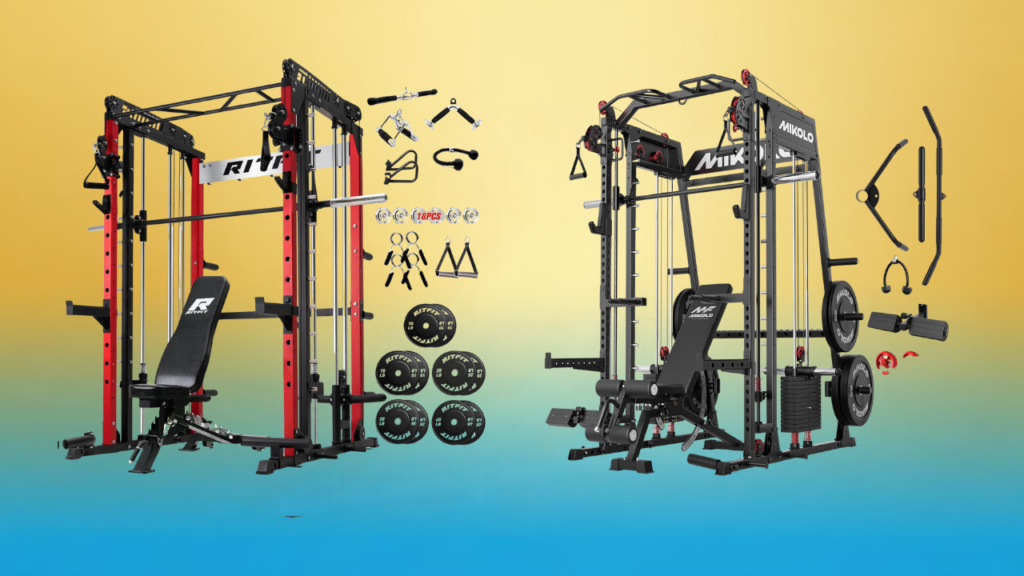
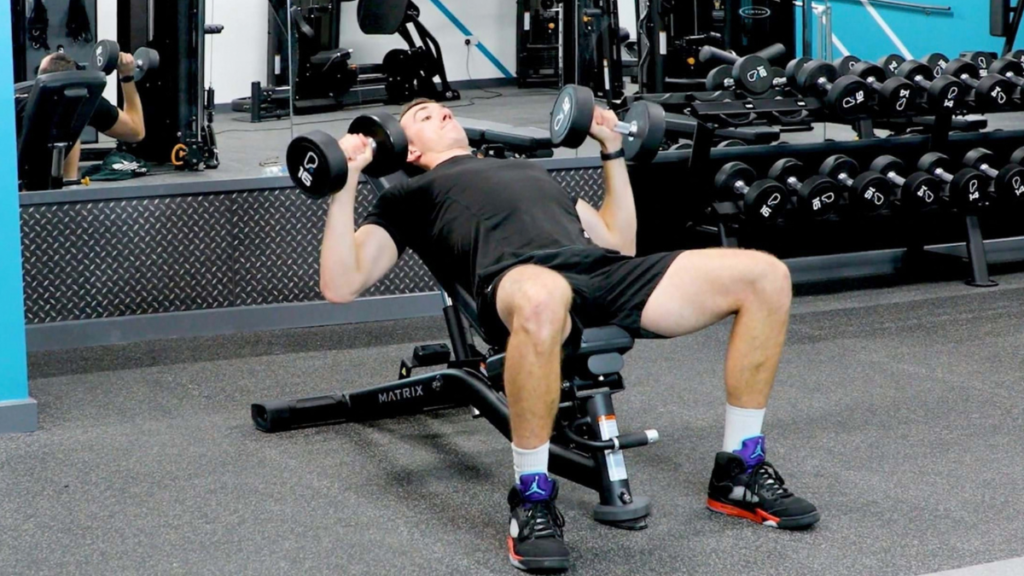
At home, the problem is often limited equipment. People might only have a pair of dumbbells or resistance bands. Once those feel easy, they do not know how to progress further.
The Science Behind Progressive Overload
Muscle growth occurs when mechanical tension, metabolic stress, and muscle damage stimulate protein synthesis. If the stimulus stays the same, the body has no reason to adapt further.
Studies show that increasing load, volume, or intensity leads to continued hypertrophy and strength development. Even small increases in training stress can maintain progress over time.
Interestingly, research also shows that training close to muscular failure is a key factor. This means that even lighter weights can be effective if exercises are performed with sufficient effort.
How to Fix It
You do not need a full gym to apply progressive overload. You just need to be strategic.
Increase Repetitions
If you cannot increase weight, increase reps. For example:
- Week 1: 3 sets of 10 push ups
- Week 2: 3 sets of 12 push ups
- Week 3: 3 sets of 15 push ups
This increases total volume and keeps the stimulus effective.
Slow Down the Tempo
Slowing down the movement increases time under tension, which enhances muscle activation.
For example:
- Lower yourself in a squat for 3 to 5 seconds
- Pause briefly at the bottom
- Stand up under control
This makes even light weights feel significantly harder.
Use Unilateral Exercises
Single leg and single arm exercises increase difficulty without adding weight.
Examples include:
- Bulgarian split squats
- Single leg Romanian deadlifts
- One arm rows
These movements also improve balance and coordination.
Train Closer to Failure
Research shows that working close to failure maximizes muscle fiber recruitment. This means pushing your sets until you can only complete one or two more reps.
Add Sets or Frequency
If you cannot increase weight, increase total training volume by:
- Adding more sets
- Training muscle groups more frequently
Both strategies are supported by research showing that higher weekly volume leads to greater muscle growth.
Key Takeaway
Progression is not optional. It is essential. Even with minimal equipment, you can continue making progress by manipulating reps, tempo, intensity, and volume.
Problem 2: Poor Exercise Selection and Movement Quality
Another common issue with home training is poor exercise selection. People often rely on random workouts, social media trends, or exercises that look impressive but do not deliver results.
At the same time, movement quality often suffers because there is no coach or trainer providing feedback.
Why This Happens
At home, you are responsible for your own programming and technique. Without guidance, it is easy to:
- Choose exercises that are ineffective
- Neglect important movement patterns
- Perform movements with poor form
This leads to slower progress and increases the risk of injury.
The Science of Effective Exercise Selection
Research shows that compound movements are more effective for building strength and muscle because they involve multiple joints and muscle groups.

Examples include:
- Squats
- Hinges such as deadlifts
- Push movements like push ups
- Pull movements like rows
- Core stabilization exercises
These movements produce greater hormonal responses and higher levels of muscle activation compared to isolation exercises.
Additionally, proper technique is critical. Studies show that poor movement patterns can reduce muscle activation and increase joint stress, which raises injury risk.
Common Mistakes at Home
Overemphasis on Isolation Exercises
Many home workouts focus on small muscle groups such as arms and abs while neglecting larger movements.
Ignoring Pulling Movements
Without equipment like pull up bars or cables, people often skip pulling exercises. This creates muscular imbalances.
Poor Range of Motion
People often perform partial reps, which reduces effectiveness.
Lack of Core Stability
Core training is often reduced to basic crunches instead of functional stability work.
How to Fix It
Focus on Fundamental Movement Patterns
Build your workouts around these patterns:
- Squat
- Hinge
- Push
- Pull
- Carry
- Core stability
Even at home, these can be trained effectively.
Example Home Workout Structure
- Squat: Goblet squat or split squat
- Hinge: Romanian deadlift or hip thrust
- Push: Push ups or overhead press
- Pull: Resistance band row or inverted row
- Core: Plank or dead bug
This ensures balanced development.

Prioritize Full Range of Motion
Research shows that training through a full range of motion leads to greater muscle growth and strength gains.
Focus on:
- Controlled movement
- Proper depth in squats
- Full extension in presses
Use Video Feedback
Recording your exercises can help you identify technique issues. This simple tool can significantly improve movement quality.
Add Resistance Bands
Bands are inexpensive and highly versatile. They allow you to:
- Perform pulling exercises
- Add resistance to bodyweight movements
- Improve muscle activation
The Role of Motor Learning
Learning proper movement patterns is a skill. Repetition with good form improves neuromuscular coordination. Over time, this leads to more efficient and safer movement.
Research in motor learning shows that consistent practice with feedback enhances skill acquisition. Even self feedback, such as watching recordings, can improve technique.
Key Takeaway
Effective training is not about doing more exercises. It is about doing the right exercises well. Focus on fundamental movements, maintain proper form, and ensure balanced programming.
Problem 3: Low Motivation and Inconsistent Training
Even with a great program, many people struggle to stay consistent at home. Motivation drops, workouts get skipped, and progress slows or stops.
Why This Happens
Home environments are full of distractions. There is no social pressure, no structured schedule, and no clear separation between training and relaxation.
Additionally, motivation is often misunderstood. Many people rely on feeling motivated rather than building habits.
The Science of Motivation and Adherence
Research shows that long term exercise success is strongly linked to adherence. Consistency matters more than perfection.
Psychological studies identify several key factors that influence adherence:
- Intrinsic motivation
- Habit formation
- Goal setting
- Environment design
Intrinsic motivation refers to doing something because you enjoy it. This is more sustainable than relying on external rewards.
Habit formation research shows that consistent behavior in a stable context leads to automatic habits over time.
Common Motivation Pitfalls
Waiting for Motivation
Motivation fluctuates. If you wait until you feel like training, you will miss sessions.
Lack of Clear Goals
Without specific goals, it is difficult to stay focused.
No Routine
Unstructured training leads to inconsistency.
Boredom
Repeating the same workouts without variation reduces engagement.
How to Fix It
Build a Routine
Train at the same time each day. This creates a habit loop where your brain associates that time with exercise.
Use Implementation Intentions
This is a proven strategy where you plan exactly when and where you will train.
Example:
“I will train at 7 AM in my living room.”
Research shows that this increases adherence significantly.
Set Specific Goals
Use clear, measurable goals such as:
- Perform 20 push ups
- Complete 4 workouts per week
- Improve squat strength
Specific goals improve focus and motivation.
Track Your Progress
Tracking workouts provides feedback and reinforces progress. This increases motivation over time.
Make Workouts Enjoyable
Enjoyment is a major predictor of adherence. You can increase enjoyment by:
- Choosing exercises you like
- Listening to music
- Varying your workouts
Reduce Friction
Make it easier to start by:
- Preparing your workout space in advance
- Wearing workout clothes
- Keeping equipment accessible
The easier it is to begin, the more likely you are to follow through.
The Role of Self Determination Theory
Self determination theory suggests that motivation improves when three needs are met:
- Autonomy, feeling in control of your actions
- Competence, feeling capable and improving
- Relatedness, feeling connected to others
You can apply this by:
- Choosing your own workouts
- Tracking progress to see improvement
- Joining online communities or training with a partner
Key Takeaway
Motivation is not the starting point. It is the result of consistent action. Build habits, set clear goals, and create an environment that supports training.
Putting It All Together
Training at home can be just as effective as training in a gym when done correctly. The key is understanding and addressing the common problems that limit progress.
To summarize:
- Apply progressive overload using reps, tempo, and intensity
- Choose effective exercises and focus on proper movement
- Build habits and systems that support consistency
When these elements are in place, your home workouts can deliver serious results.
Consistency, effort, and smart programming matter far more than location.
Key Takeaways
| Problem | Why It Happens | Solution | Result |
|---|---|---|---|
| Lack of progression | No increase in training stimulus | Increase reps, tempo, intensity, and volume | Continued strength and muscle gains |
| Poor exercise selection | Random programming and poor form | Focus on compound movements and technique | Better results and lower injury risk |
| Low motivation | Lack of structure and habits | Build routine, set goals, track progress | Consistent training and long term success |
Bibliography
- American College of Sports Medicine (2009). Progression models in resistance training for healthy adults. Medicine and Science in Sports and Exercise, 41(3), pp. 687–708.
- Schoenfeld, B.J. (2010). The mechanisms of muscle hypertrophy and their application to resistance training. Journal of Strength and Conditioning Research, 24(10), pp. 2857–2872.
- Schoenfeld, B.J., Ogborn, D. and Krieger, J.W. (2017). Dose response relationship between weekly resistance training volume and increases in muscle mass. Journal of Sports Sciences, 35(11), pp. 1073–1082.
- Morton, R.W. et al. (2016). Neither load nor systemic hormones determine resistance training mediated hypertrophy. Journal of Applied Physiology, 121(1), pp. 129–138.
- Gentil, P., Fisher, J. and Steele, J. (2017). A review of the acute effects and long term adaptations of single and multi joint exercises. Sports Medicine, 47(5), pp. 843–855.
- McGill, S.M. (2010). Core training: Evidence translating to better performance and injury prevention. Strength and Conditioning Journal, 32(3), pp. 33–46.
- Wulf, G. and Lewthwaite, R. (2016). Optimizing performance through intrinsic motivation and attention for learning. Psychonomic Bulletin and Review, 23(5), pp. 1382–1414.
- Gollwitzer, P.M. (1999). Implementation intentions: Strong effects of simple plans. American Psychologist, 54(7), pp. 493–503.
- Deci, E.L. and Ryan, R.M. (2000). The what and why of goal pursuits: Human needs and self determination of behavior. Psychological Inquiry, 11(4), pp. 227–268.